Newsletter Ideas for Work Employees Can Scan
Newsletter ideas for work are recurring internal email topics that help employees do their jobs and stay informed while feeling connected without wasting time.
Insights, tips, and best practices for creating amazing podcast content

Newsletter ideas for work are recurring internal email topics that help employees do their jobs and stay informed while feeling connected without wasting time.

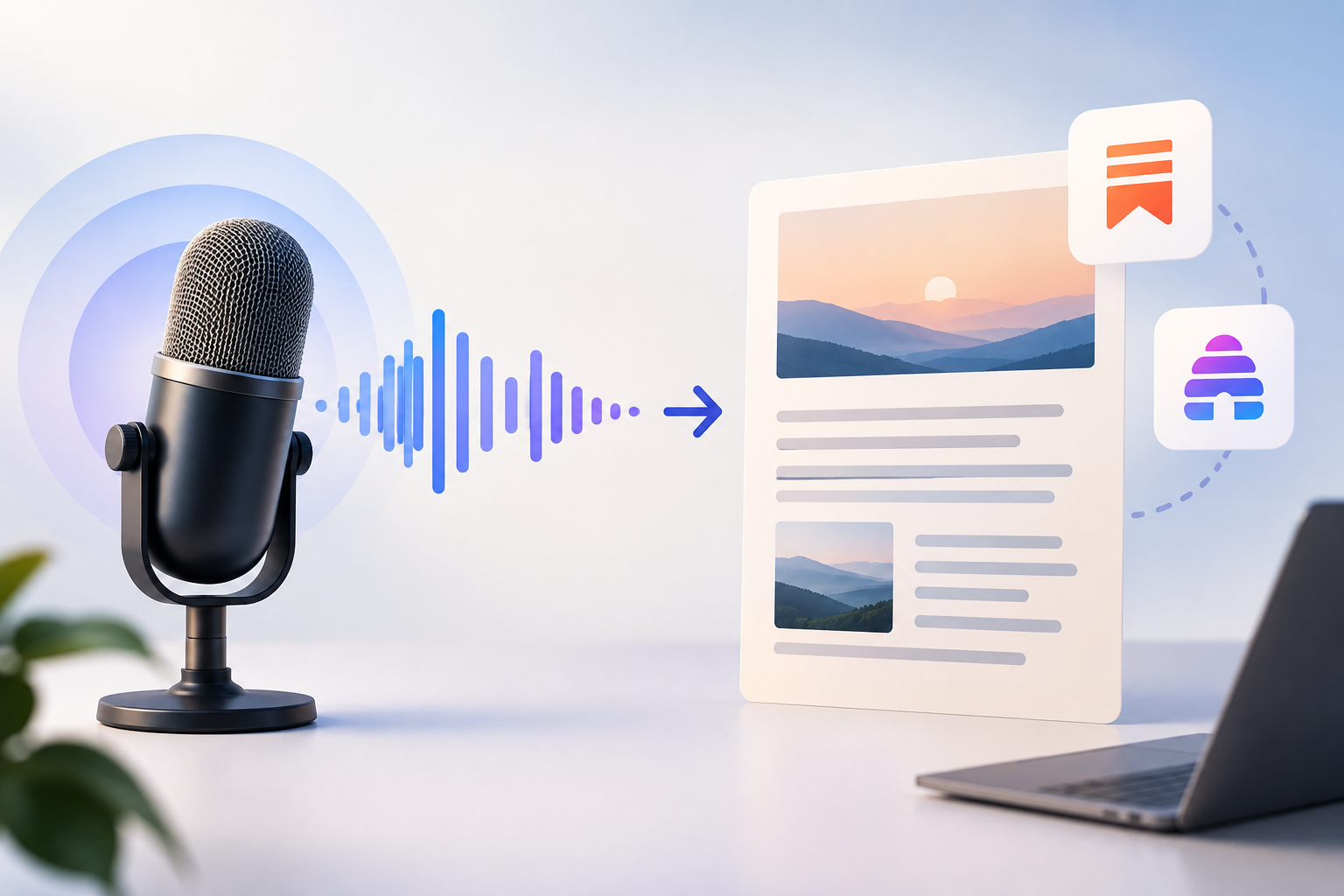
To turn a podcast into a newsletter , start with a clean transcript, pick one clear angle from the episode, rewrite the spoken ideas for email readability, and package the result with a strong subject line, a short intro, useful links, and one call to action.

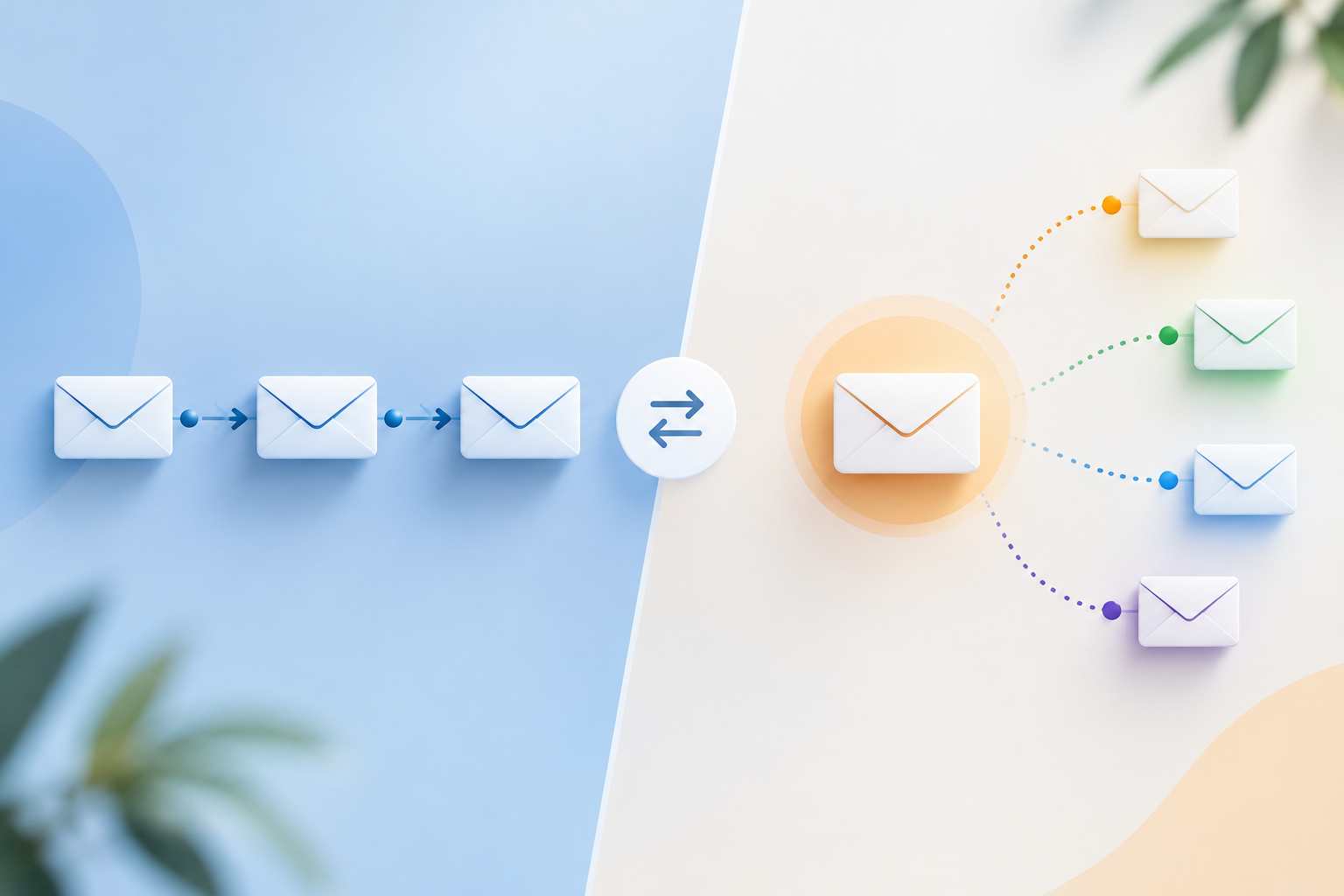
Email sequence vs drip campaign comes down to structure and trigger: an email sequence is a planned series of emails sent in a set order for a specific experience, while a drip campaign is an automated set of emails released based on time, behavior, or a predefined trigger.

Welcome email examples are sample first messages you send after someone subscribes, signs up, buys, or starts a trial, and they show the structure, tone, and call to action that help new contacts take the next step.

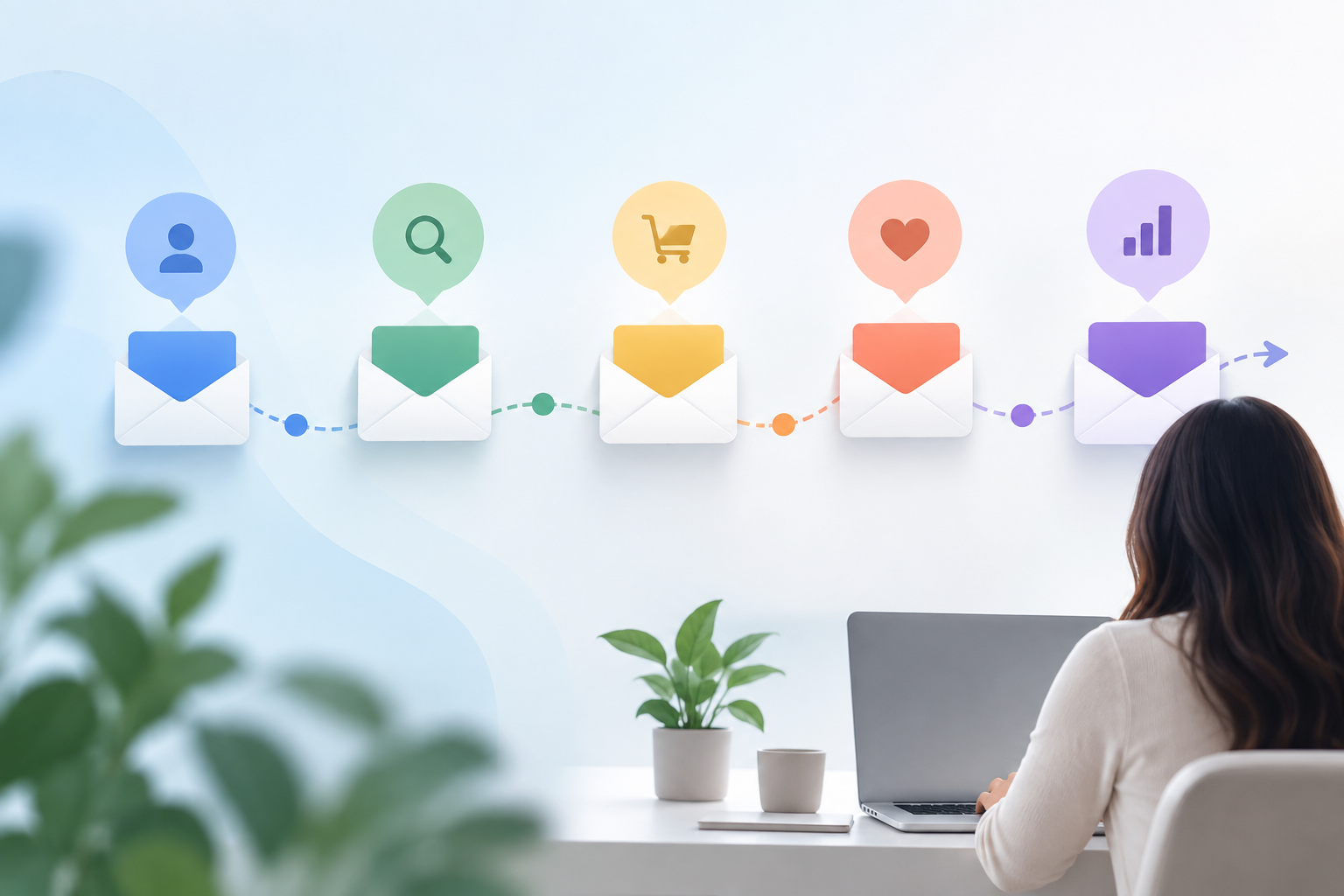
Email sequence examples are sample sets of timed, automated emails that guide a person from first signup through purchase, ongoing retention, or re-engagement.

Sundar Pichai announced that Jeff Dean is leaving after 27 years and that Demis Hassabis will take on new responsibilities, and he framed the change as a managed transition meant to reassure employees and identify who will lead Google’s AI efforts. The message functions as a signal about how Google plans to organize AI leadership rather than a routine personnel note.

A successful newsletter content strategy begins with a clear definition of your audience and goals and focuses on delivering tailored, value-driven content. Measure open rates, click-throughs, and conversions and use that data to iterate content, CTAs, and send cadence.

AI email generators create personalized, optimized email content in minutes and automate audience segmentation so messages reach the most relevant recipients. They use historical campaign data to improve subject lines and copy, freeing marketers from repetitive drafting so they can focus on strategy.

Match your email goals to platform strengths by comparing automation, integrations, user friendliness, pricing, and scalability. Mailchimp works as a general-purpose option with a free tier and analytics; ConvertKit is focused on content creators with subscriber tagging and a visual automation builder; ActiveCampaign, GetResponse, and AWeber offer distinct features for CRM, webinars and landing pages, and email design respectively.

Effective promotional emails start with clear, personalized subject lines and concise, audience-targeted body content that uses visuals and skimmable formatting. Send at times chosen from past campaign data and time-zone segmentation, and use specific, urgency-based CTAs that you A/B test to improve conversions.

A seven-email welcome series works by sending an immediate thank-you message then a planned sequence of targeted, goal-driven emails that introduce your brand, deliver value, and push specific calls to action. Each message should build on the previous one to guide subscribers through onboarding toward measurable next steps.

Product update emails keep users informed and increase engagement and feature adoption when they use concise messaging, personalization, visuals, and a clear call to action. They should highlight the most important updates and explain why each change was made so users understand its impact on their experience.