John Carreyrou and Other Authors: New Lawsuit Against AI Companies
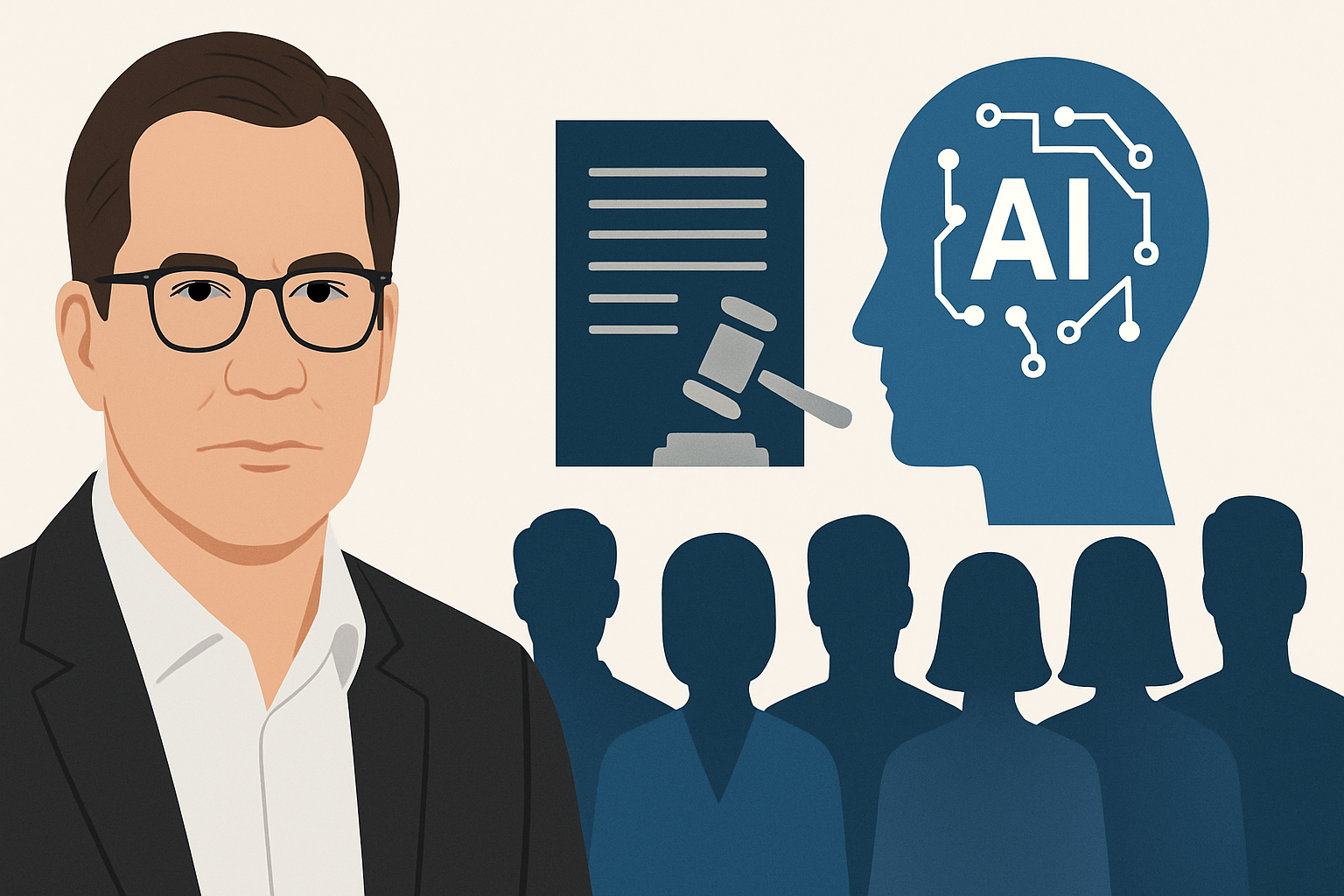
John Carreyrou and other authors have sued six major AI companies, alleging those firms used copyrighted work to train models without permission. The authors seek compensation and clearer legal rules, and a ruling in their favor could force AI companies to change how they acquire and license training data.
Key takeaways
- The complaint alleges AI companies used copyrighted material to train models without obtaining permission or compensating the authors.
- The lawsuit specifically names six major AI companies as defendants.
- A court decision for the authors could require AI firms to overhaul data acquisition and licensing practices, potentially raising operational costs and slowing development.
- Some AI companies have said they want to resolve the dispute amicably and are exploring licensing deals or partnerships with authors as alternative ways to obtain training data.
- The article lists best practices for compliance: develop transparent licensing agreements, implement ethical data acquisition rules, and regularly audit and update data practices.
In a groundbreaking move, John Carreyrou and other authors have launched a significant lawsuit against six major AI companies. This lawsuit challenges the way these companies utilize content created by authors like Carreyrou, raising crucial questions about copyright, intellectual property, and the future of AI in content creation. The implications of this case could redefine how AI companies operate and interact with creative industries. For more information on the lawsuit, you can check the detailed news report at Google News. This article will explore the details of the lawsuit, analyze its potential impact, and provide valuable insights into the evolving landscape of AI and content creation.
1. Understanding the Lawsuit: John Carreyrou and Other Authors
The lawsuit spearheaded by John Carreyrou and other authors revolves around the unauthorized use of their work by AI companies. These companies allegedly used copyrighted material to train AI models without obtaining proper permissions or compensating the authors. This case highlights a growing concern in the digital age: the balance between technological advancement and the rights of content creators. The outcome of this lawsuit could set a precedent for how AI companies must engage with creative works.
- Practical point 1: Authors are seeking financial compensation for the unauthorized use of their intellectual property.
- Practical point 2: The legal action aims to establish clearer guidelines for how AI companies can use copyrighted materials.
- Practical point 3: This case could lead to new regulations governing the relationship between AI technology and content creators.
2. The Implications for the AI Industry
The lawsuit by John Carreyrou and other authors could have far-reaching implications for the AI industry. If the court sides with the authors, AI companies may need to overhaul their data practices and develop new strategies for acquiring and using content. This could increase operational costs and impact the speed of AI development. For additional insights into the potential legal implications, check out our recent post on Understanding How Law May Prevent Science from Becoming.
Furthermore, the case underscores the necessity for AI companies to engage ethically with content creators, fostering a more sustainable and mutually beneficial relationship between technology and creativity.
3. How AI Companies Are Responding
In response to the lawsuit from John Carreyrou and other authors, the AI companies involved have expressed their commitment to resolving the matter amicably. Some companies are exploring alternative methods to acquire training data, such as partnering with authors or purchasing licenses. This shift could lead to a more collaborative approach between AI developers and content creators.
For a deeper understanding of how AI impacts content marketing, you might find the Unlocking Local Visibility: AI's Role in Business Content interview insightful.
4. Real-World Applications and Case Studies
The issues raised by John Carreyrou and other authors are not just theoretical; they have practical applications in the real world. Consider the case of a popular AI-based content platform that had to revise its data acquisition strategy following similar legal challenges. This company now collaborates with authors, offering them compensation and recognition for their work, which has improved both the quality of the AI’s output and the platform's reputation.
- Example 1: A major AI company implemented a licensing agreement model, allowing them to legally use author content, which resulted in enhanced AI training data quality.
- Example 2: Another platform developed a marketplace for authors to sell their content directly to AI companies, fostering a new revenue stream for creators.
5. Best Practices for AI and Content Collaboration
In the wake of the lawsuit by John Carreyrou and other authors, there are several best practices that AI companies can adopt to ensure compliance and foster positive relationships with content creators. These practices not only help avoid legal issues but also enhance the quality of AI products by integrating diverse, high-quality data.
- Best Practice 1: Develop transparent licensing agreements with content creators, clearly outlining the terms of use and compensation.
- Best Practice 2: Implement ethical guidelines for data acquisition, ensuring that all content used for AI training is obtained legally.
- Best Practice 3: Regularly audit and update data practices to comply with emerging legal standards and technological advancements.
For more insights on maximizing efficiency with AI, visit our post on Boosting Efficiency with AI-Assisted Content Repurposing Teams.
6. Common Mistakes and Challenges in AI Usage
Despite the potential benefits, there are common mistakes that AI companies must avoid, especially in light of the action taken by John Carreyrou and other authors. These include failing to obtain proper permissions, underestimating the importance of high-quality data, and neglecting the ethical implications of AI usage. Addressing these challenges is crucial for the sustainable growth of AI technologies.
For further reading on overcoming these challenges, check out this insightful article on Harvard Business Review.
Conclusion: Making the Most of John Carreyrou and Other Authors' Insights
The lawsuit initiated by John Carreyrou and other authors represents a pivotal moment for the AI industry. As the case unfolds, it will be essential for AI companies to reassess their data practices and engage more collaboratively with content creators. By doing so, they can not only avoid legal pitfalls but also enhance the quality and diversity of AI-generated content. For businesses looking to navigate these challenges, platforms like ContentPod offer valuable tools and insights to integrate AI ethically in content marketing strategies.
Frequently Asked Questions
What is the lawsuit involving John Carreyrou and other authors about?
The lawsuit involves John Carreyrou and other authors challenging AI companies for using their copyrighted material without permission. It seeks to establish clearer guidelines on how such content can be used for AI training.
How might this lawsuit impact the AI industry?
The lawsuit could lead to stricter regulations on data usage and compel AI companies to develop more transparent and ethical data acquisition practices, potentially increasing operational costs.
What steps can AI companies take to comply with copyright laws?
AI companies should develop clear licensing agreements, adhere to ethical data guidelines, and regularly audit their practices to ensure compliance with legal standards.
References & Further Reading
- John Carreyrou and Other Authors Sue AI Companies - news.google.com — This article provides a detailed overview of the lawsuit and its implications for the AI industry.
- What AI Still Can’t Do - hbr.org — This piece discusses the limitations of AI and the importance of ethical data practices in AI development.
- How AI Is Changing Content Marketing - contentmarketinginstitute.com — This article explores how AI is being integrated into content marketing and the associated challenges and opportunities.
Put this into practice
Share this post
You Might Also Like
Discover more content tailored to your interests
 Highly Relevant
Newsletter Growth Marketing Teams: Practical Playbook
A newsletter growth marketing team is a repeatable operating model that combines audience targeting, signup conversion, editorial planning, and performance review into one shared workflow to attract qualified subscribers, retain attention, and produce measurable business results. For the model to work, teams must define a clear audience and a primary growth outcome before deploying tactics.
Read More Highly Relevant
Content Calendar Planning for B2B: Mistakes to Avoid
Align your calendar to recurring buyer questions and buying-stage needs so each asset helps prospects compare options, reduce implementation risk, or move closer to purchase. Pick a sustainable cadence of fewer, stronger pieces and make the calendar a repeatable operating system rather than a collection of urgent one-offs.
Read More Highly Relevant
Newsletter Growth SaaS Companies Complete Guide 2026
Newsletter growth for SaaS means growing qualified email subscribers who support activation, retention, pipeline, and revenue rather than chasing list size alone. The most effective approach pairs a clear subscriber promise with targeted signup paths, useful content and segmentation, and measurement that links to business outcomes.
Read MoreReady to create amazing podcast content?
Choose a plan and start generating professional podcast content with AI
View Pricing Plans