A content calendar makes your marketing output consistent, aligns content with campaigns and key dates, and gives teams shared visibility into plans and deadlines. This article shows templates and tools, lists the calendar elements to include, gives real examples with measured results, and outlines best practices and common challenges.
Using interview-based content marketing consultants and a structured 30-day plan produces expert-driven content that boosts credibility and audience engagement while fitting into your existing marketing calendar. The plan turns interviews into a predictable source of usable content you can publish across formats and channels.
A structured content calendar lets creators plan and publish consistently across platforms while reducing overwhelm in production. It provides a single visual schedule that shows what will be published, when, and on which platform.
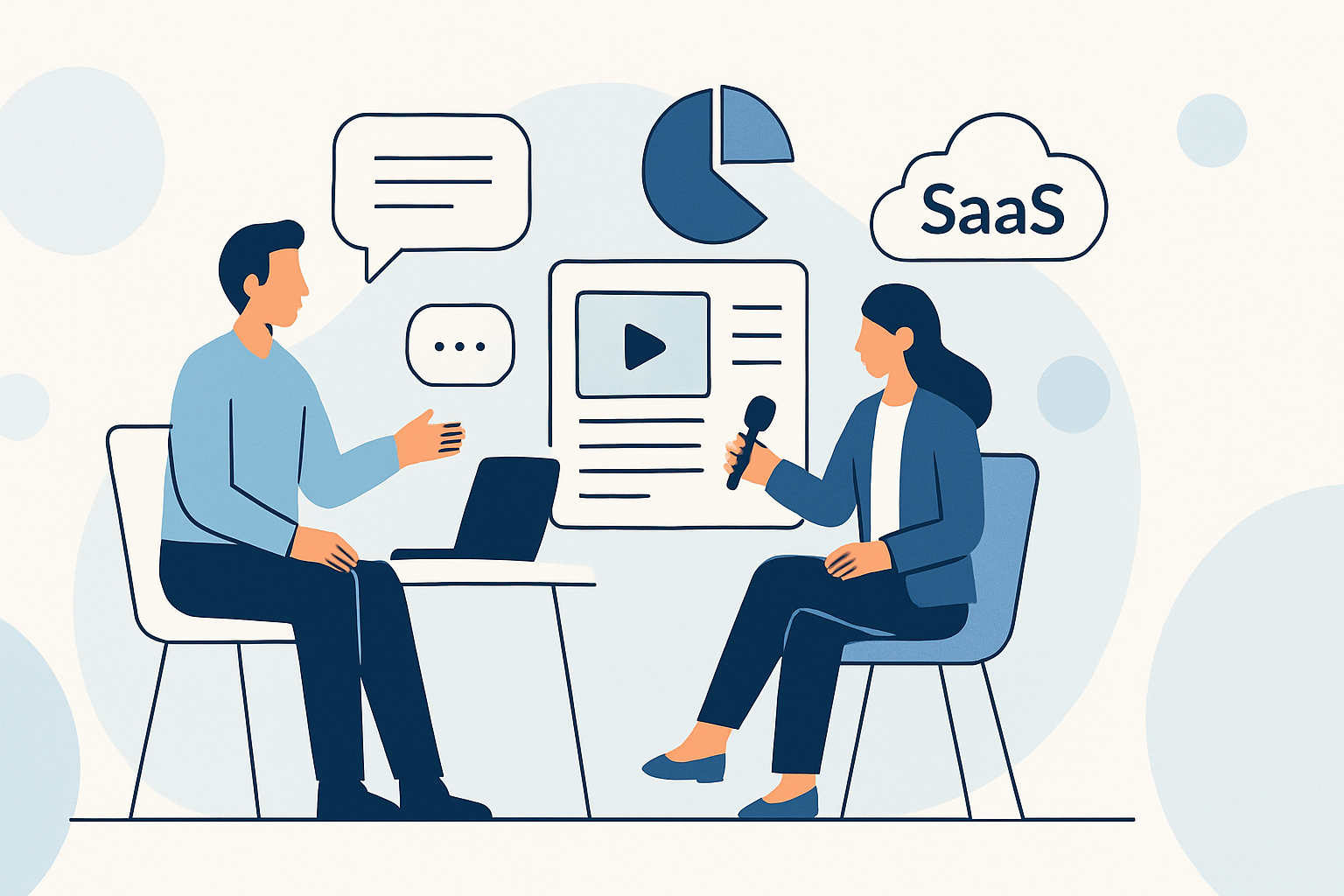
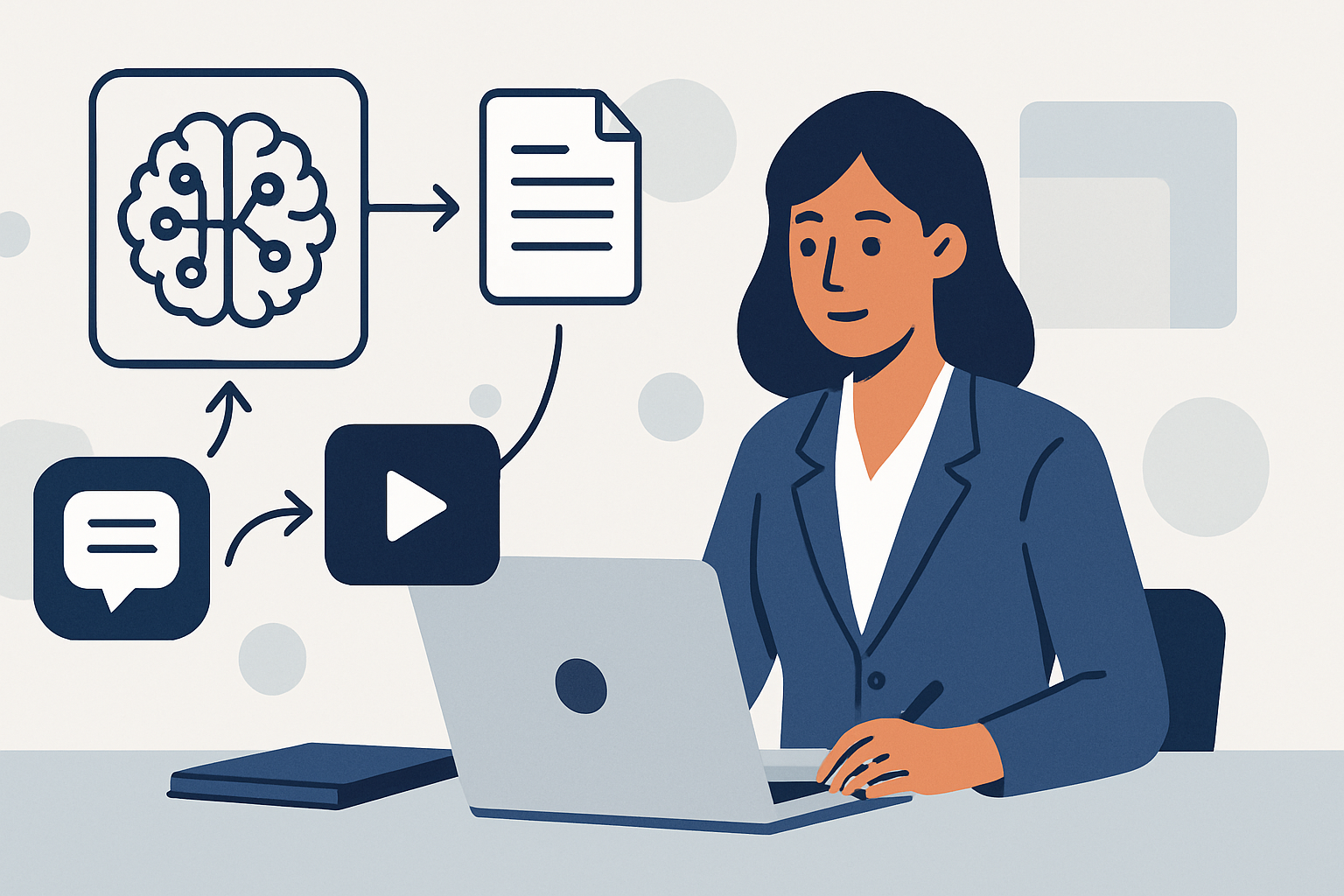
Interview-based B2B content marketing uses recorded interviews with industry experts, customers, and thought leaders to produce authentic content you can repurpose across formats. When you set clear objectives, prepare targeted questions, and invest in quality production, those interviews become blogs, podcasts, videos, case studies, and other assets that support brand goals.
Interview-based content marketing helps creators build authority, reach new audiences, and produce reusable content assets. Use this 30-day approach: week 1 identify and contact interviewees; week 2 schedule and prepare questions; week 3 record and edit; week 4 publish and promote across platforms.
Interviews with industry experts, customers, and thought leaders create authentic content that humanizes a SaaS brand and increases credibility and audience engagement. The playbook covers how to plan and run interviews and how to turn those conversations into blog posts, podcasts, videos, and other repurposed assets.
A structured content calendar aligned with product timelines and business goals produces consistent, data-driven content that raises engagement and supports customer retention. This guide shows how to build that calendar, pick appropriate tools, and avoid the common planning mistakes SaaS teams make.
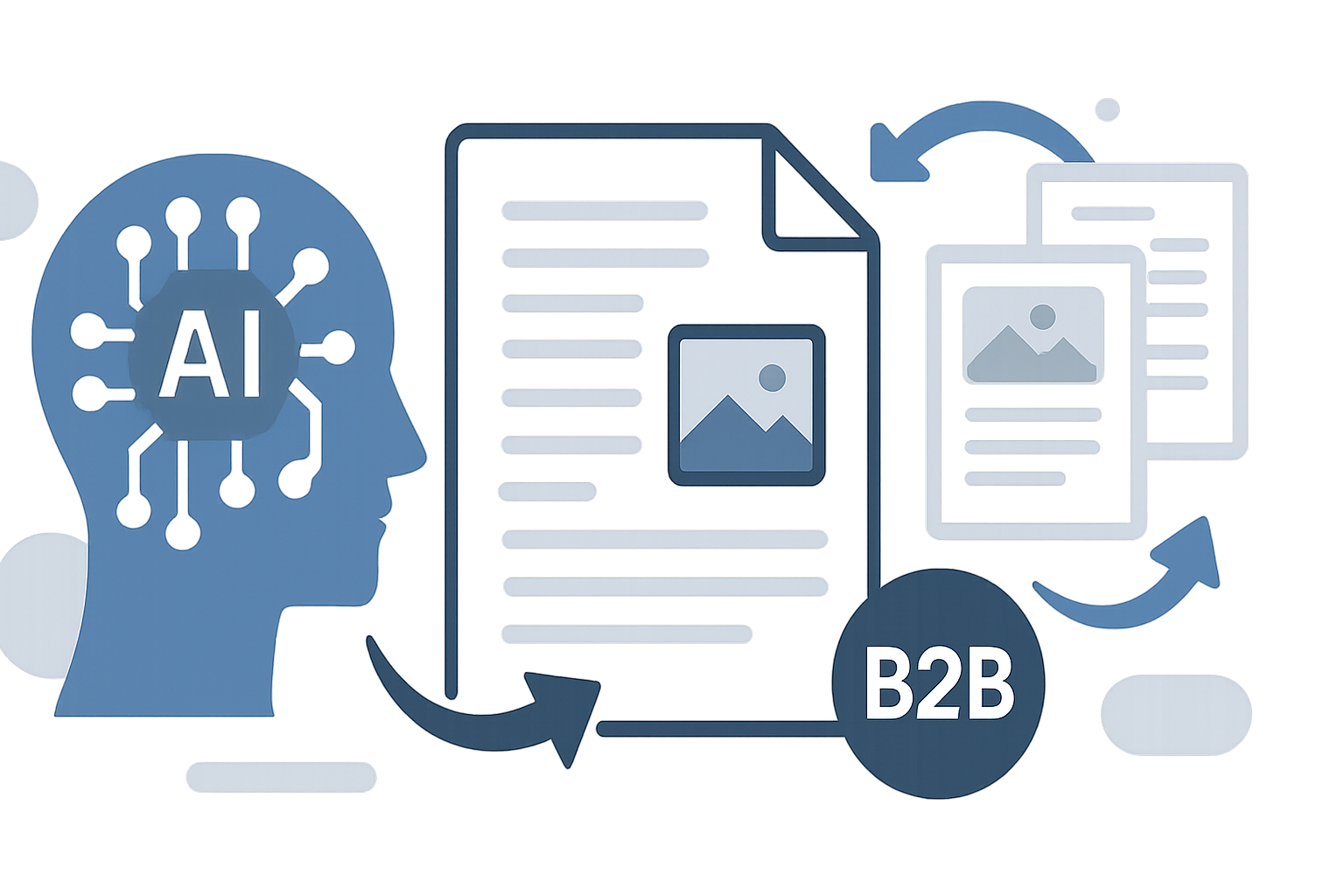
AI-assisted content repurposing lets B2B founders adapt and update existing content with AI tools so it reaches more formats and audiences while saving time and resources. Used correctly, it keeps messaging consistent and lets teams scale content output without a proportional increase in workload.
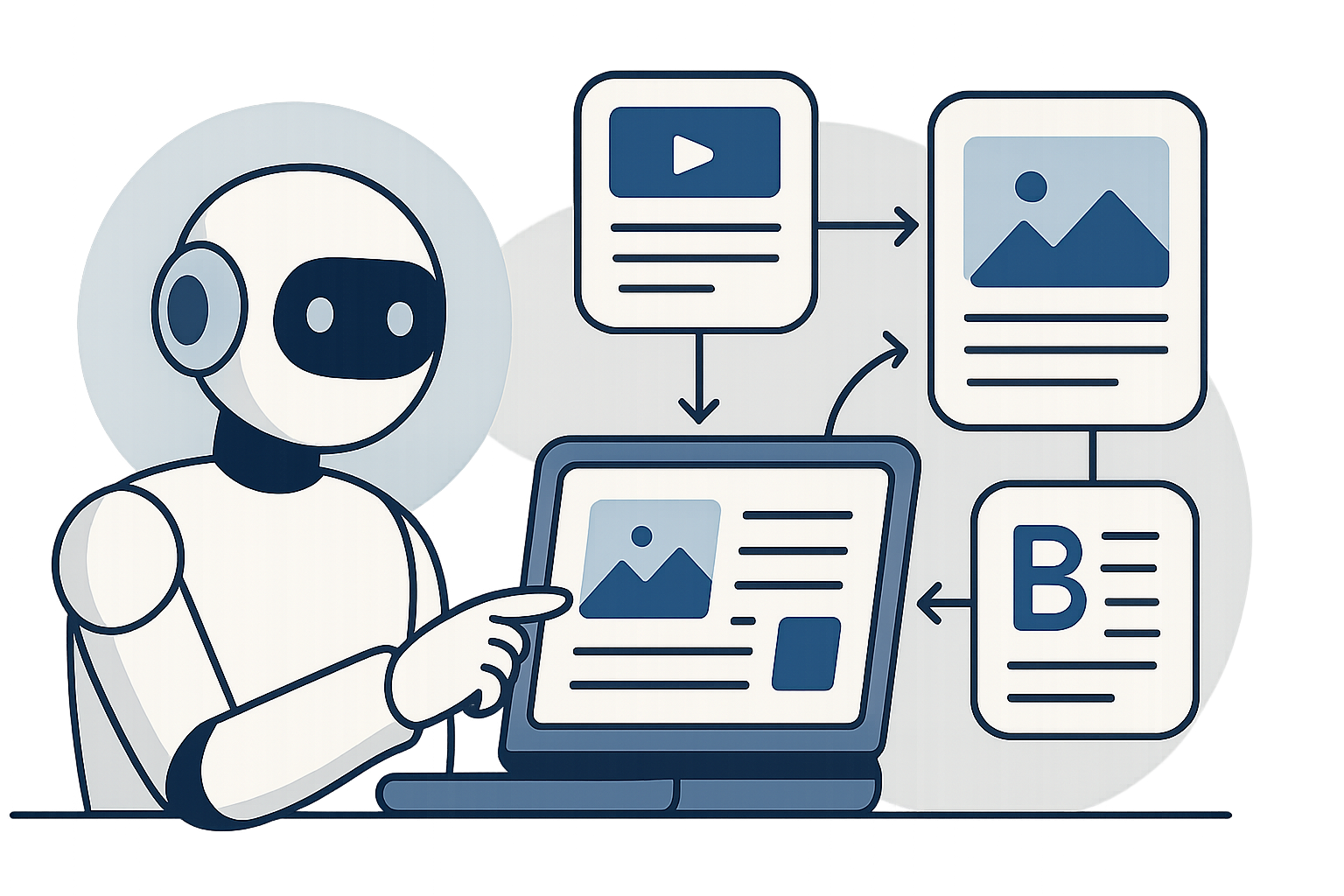
Use AI to transform your best B2B content into new formats and audience-specific variants so you publish more relevant material with less new creation. AI tools identify top-performing pieces, adapt tone and format for each platform, and personalize delivery based on user behavior.
Interview-based content marketing teams create authoritative, audience-focused content by recording and shaping conversations with experts, customers, and internal team members. That content builds credibility and supplies material marketers can use across articles, case studies, and testimonials.
Use AI-assisted content repurposing consultants to convert existing materials into new formats and platforms, saving time while expanding audience reach and improving engagement. Apply AI analytics to pick high-potential pieces for repurposing and keep human review to preserve brand voice and authenticity.
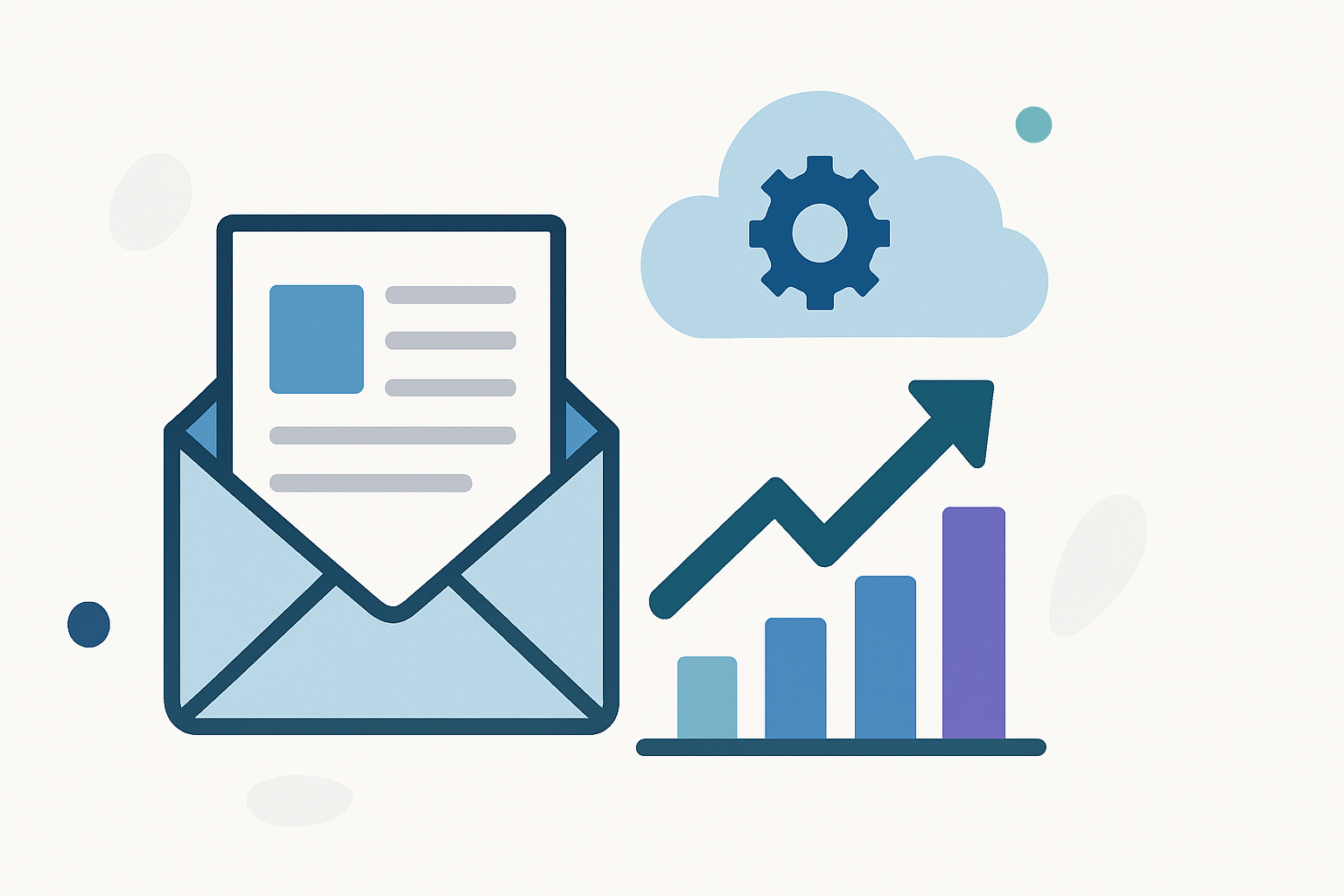
A focused 30-day plan grows a SaaS newsletter by identifying your audience, publishing personalized, value-driven content, and using lead magnets, referrals, and social channels to add subscribers. The plan pairs measurable goals with a regular sending schedule and ongoing adjustments based on analytics.