Content calendar planning organizes a creator's ideas, production tasks, and publishing dates so you publish consistently and align content with your marketing goals. Using templates, simple scheduling tools, deadlines, reminders, and regular reviews makes the process manageable and improves productivity and audience retention.
A content calendar gives consultants a single framework to schedule production, assign tasks, and align every piece of content with client goals. Turning that framework into results requires a tailored strategy, collaboration tools, and regular reviews to keep content timely and on target.
Newsletters are a primary growth channel for B2B founders: they build brand awareness, nurture leads, and create community when supported by a clear content plan, audience segmentation, and the right tools. This guide explains practical tactics—value-driven content, personalization, interactive elements, email automation, analytics, and A/B testing—to increase subscribers and engagement.
To grow a B2B newsletter in 30 days, define a clear value proposition, publish consistent, segmented content informed by analytics, and mobilize partnerships and referral incentives to drive subscriptions. Pair a content calendar and storytelling with regular measurement and subscriber feedback to refine topics and improve engagement.
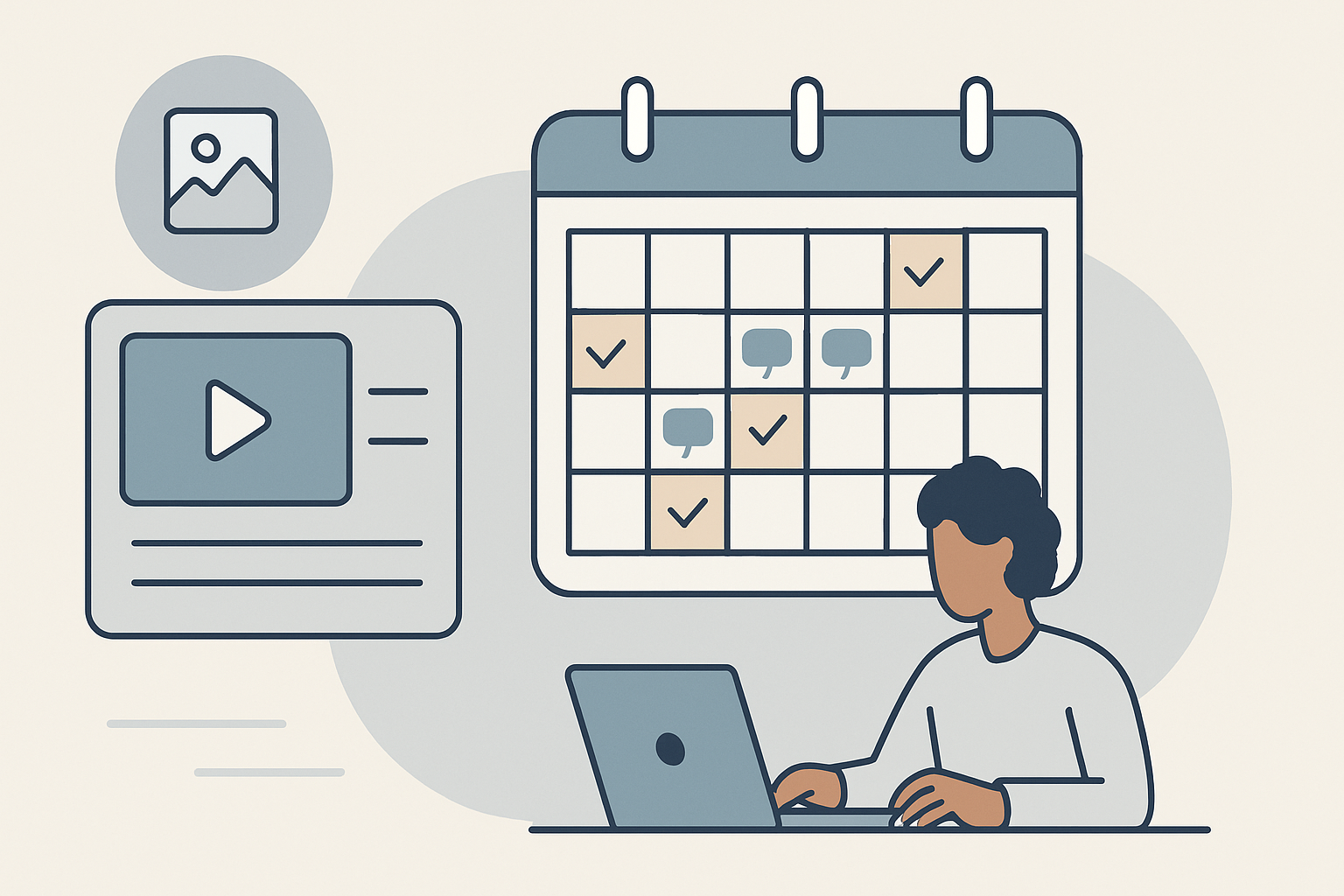
A content calendar is a strategic schedule that specifies what content will be published, when, and where to keep marketing consistent and aligned with business goals. Planning content in advance improves team efficiency and audience engagement across channels.
A LinkedIn content system gives SaaS teams a repeatable process for producing audience-focused posts and scaling their presence on LinkedIn. It defines what to publish, when to publish, and which LinkedIn features to use so the company can build visibility and attract potential clients.
A structured LinkedIn content system increases creators' visibility, engagement, and conversions by making content creation and distribution repeatable and measurable. It enables consistent, higher-quality posts while giving you ways to track and refine what works.
The most common failures are poor goal alignment, unclear team roles, inconsistent posting, siloed workflows, and overcomplication. Improve outcomes by defining roles, setting realistic schedules, using planning and automation tools, coordinating across departments, and reviewing the calendar regularly.
AI-assisted content repurposing lets consultants transform existing content into new formats to reach wider audiences and save time. The article outlines a 30-day plan for applying AI tools and workflows to scale repurposing across platforms.
Set up a 30-day LinkedIn content systems marketing plan to create a repeatable process for planning, scheduling, and measuring content so your team posts consistently and increases engagement. The plan organizes work into weekly steps for goal setting, content creation, publishing and engagement, and performance analysis.
Use a 30-day content calendar split into weekly stages to organize research, production, publishing, and analysis so you can keep publishing consistent and manage workload. The plan pairs clear goals, core content pillars, and shared digital tools to make each step repeatable.
Build a LinkedIn content system that sets clear objectives, targets a professional audience, and enforces a regular content calendar so your team publishes consistent, value-driven posts. Coordinate work with shared documents, assigned tasks, and feedback loops, and use a mix of articles, infographics, and videos to improve reach and engagement.