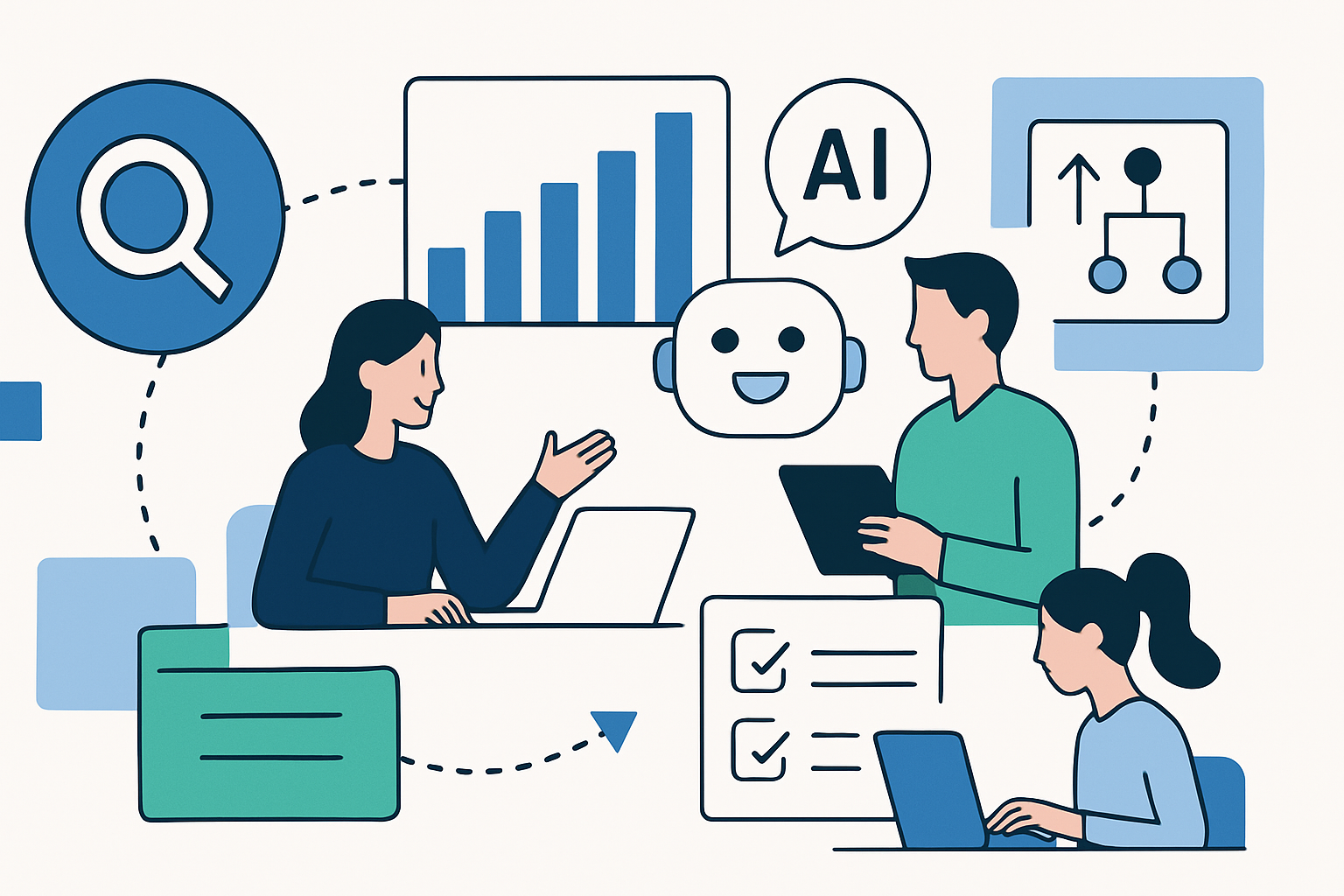
A well-organized content calendar makes B2B marketing strategic and consistent, helping teams keep a reliable publishing cadence, allocate limited resources, and align each piece of content with business goals. The article gives practical templates, case examples, and specific best practices you can use to build and maintain that calendar and measure content performance.
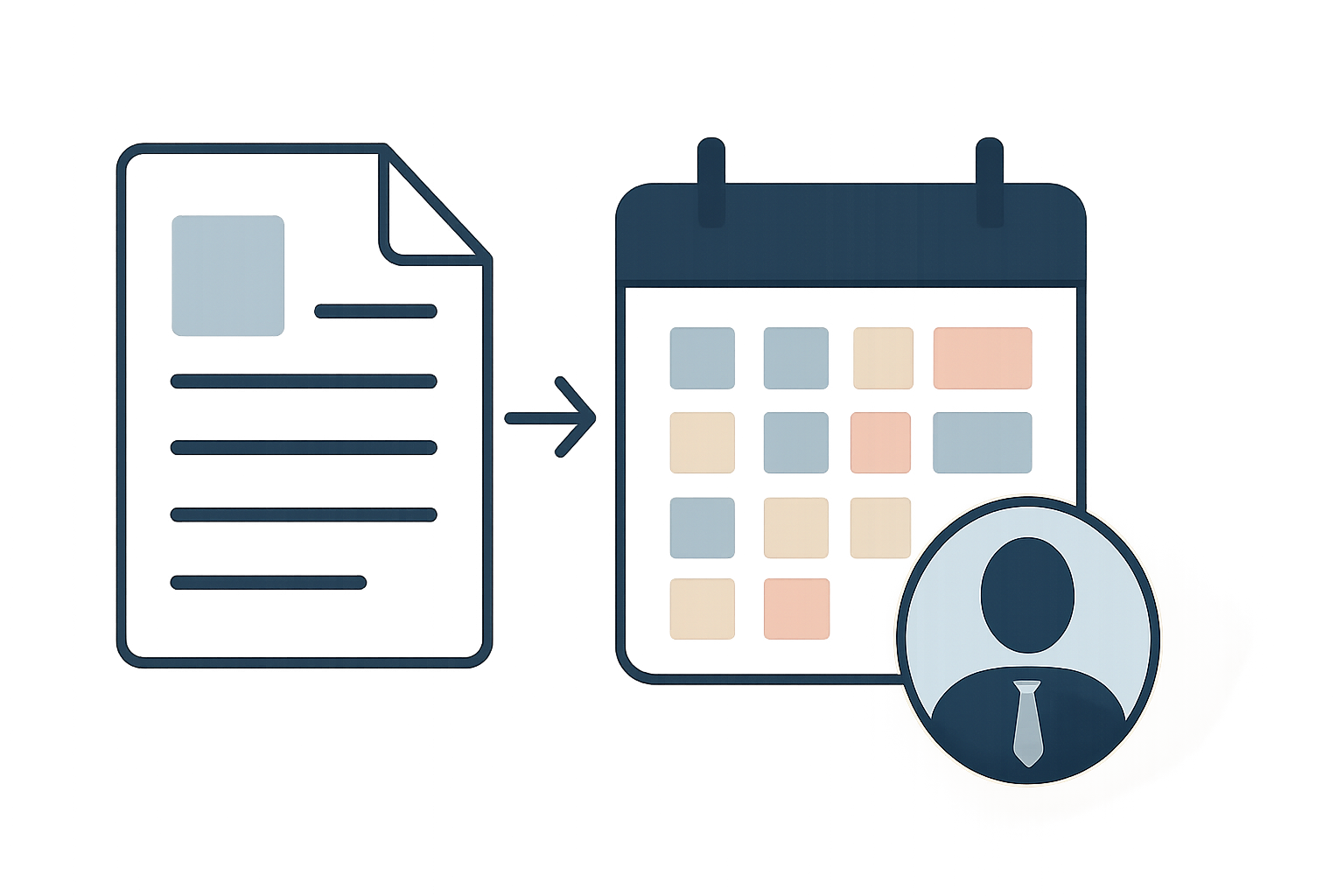
A content calendar is a strategic framework that organizes what to publish, when, and where so consultants can coordinate content across channels. Using simple templates and shared tools keeps the calendar accessible and actionable for teams.
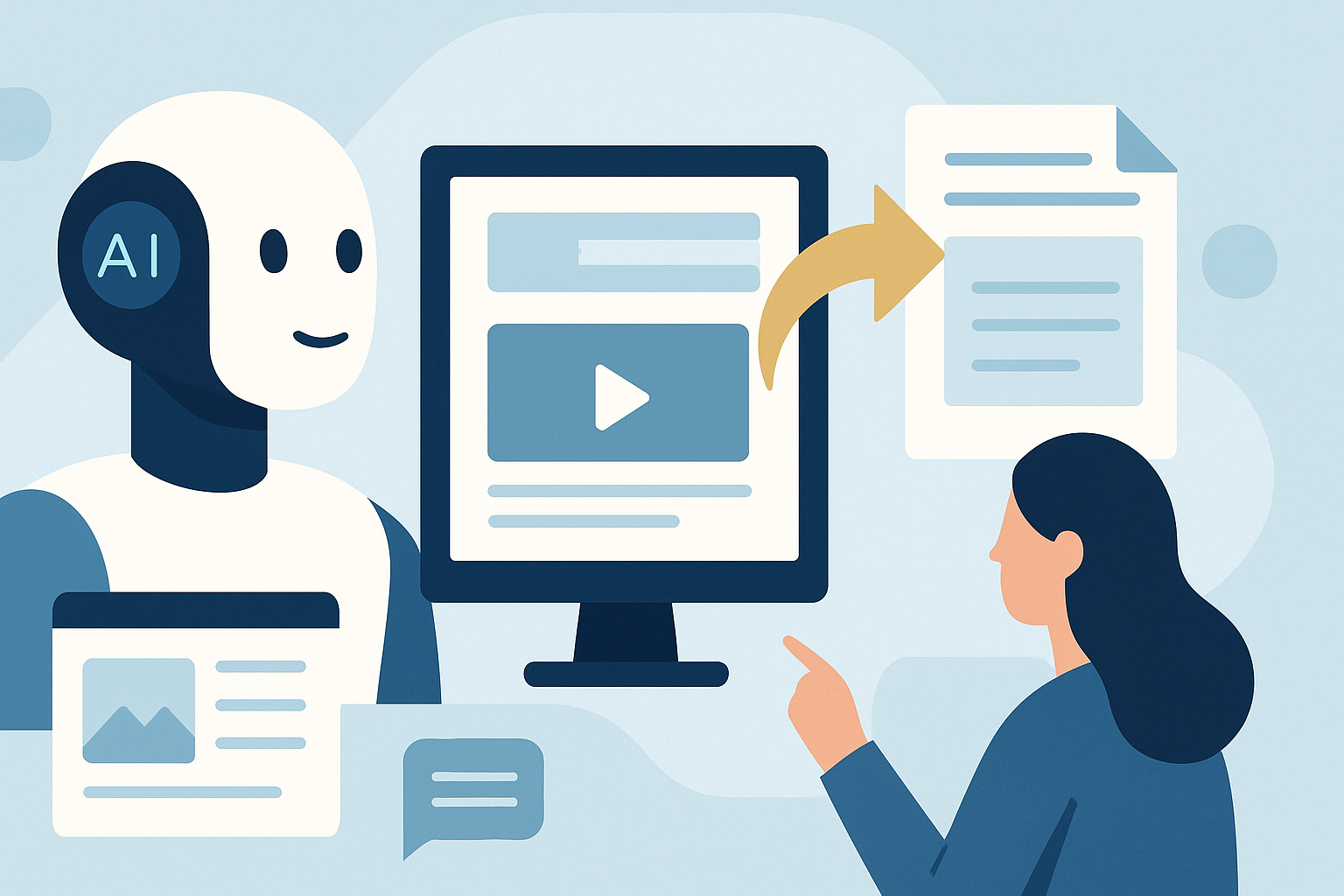
AI-assisted content repurposing marketing uses artificial intelligence to turn existing content into new formats and distribute it across channels to extend reach, raise engagement, and save time. It also automates routine tasks, analyzes audience signals to prioritize repurposing opportunities, and suggests edits and formats that fit each platform.
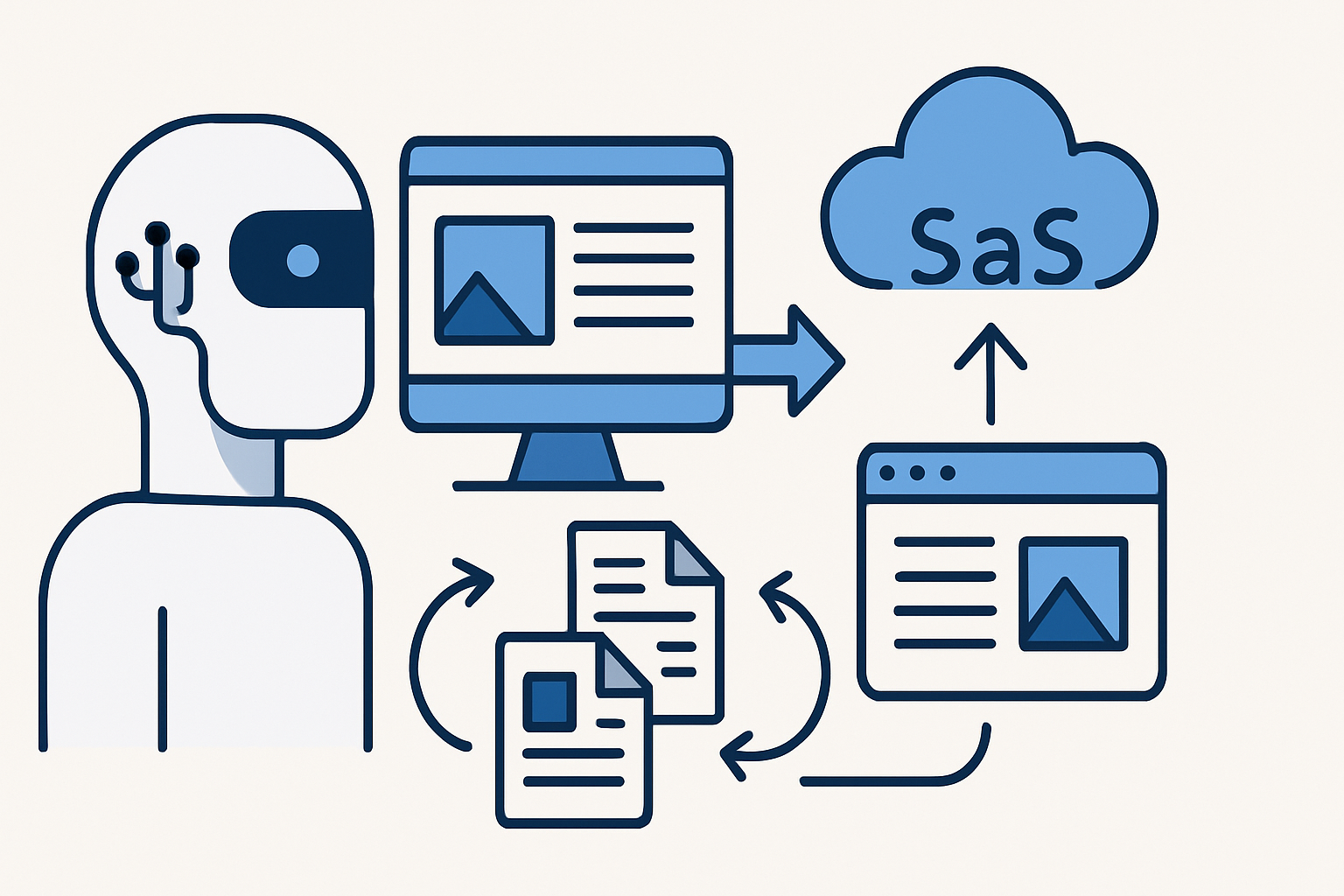
AI-assisted content repurposing SaaS lets companies transform existing content into new formats—videos, infographics, podcasts—to extend its lifespan, broaden reach, save time, and improve engagement and ROI. These platforms automate curation and use analytics and real-time data to identify which pieces to repurpose and which formats will perform best.
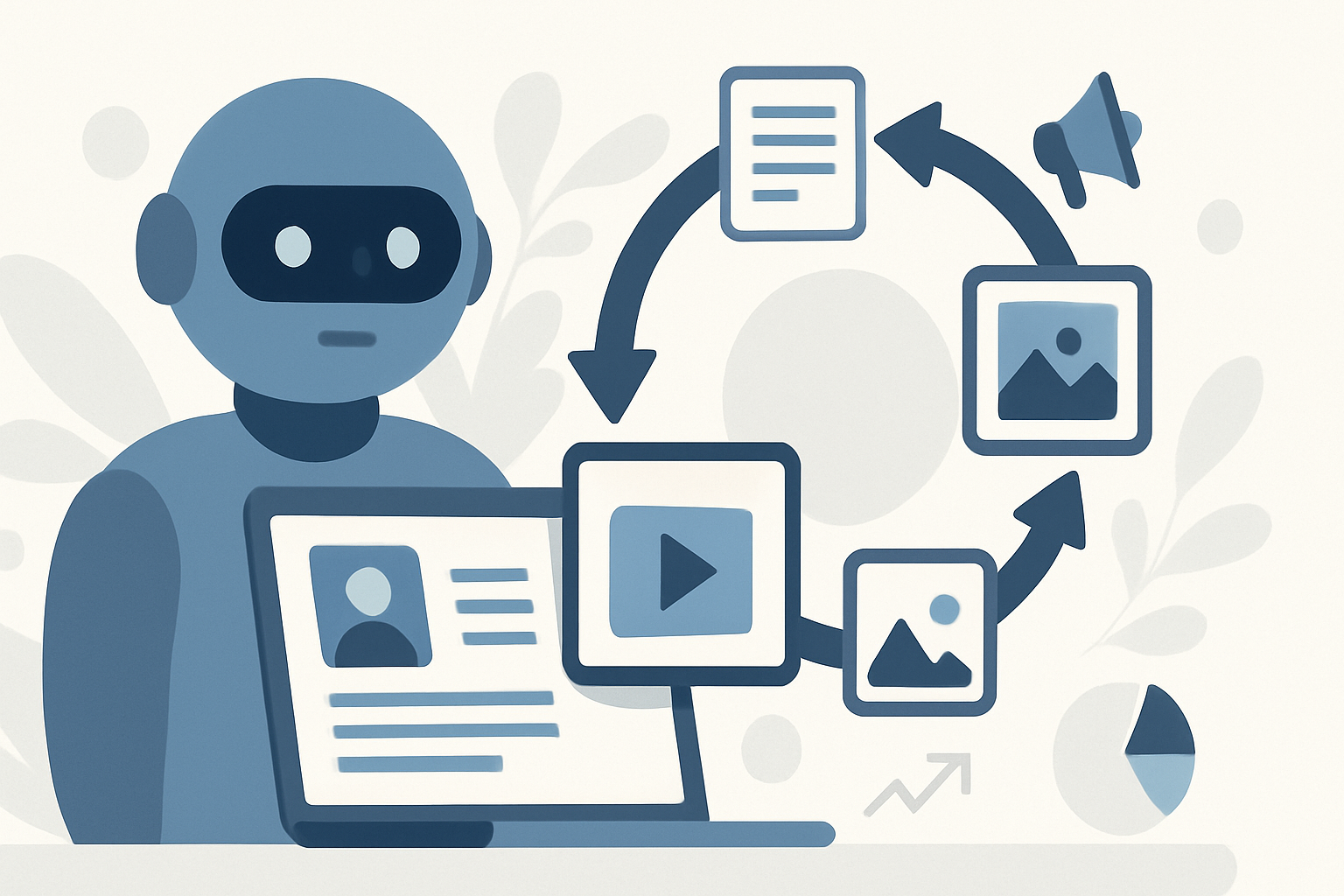
AI tools transform existing content into new formats to extend its lifespan and improve efficiency, consistency, and personalization across channels. They automate repetitive repurposing tasks and surface high-impact pieces so teams can focus on creative strategy.
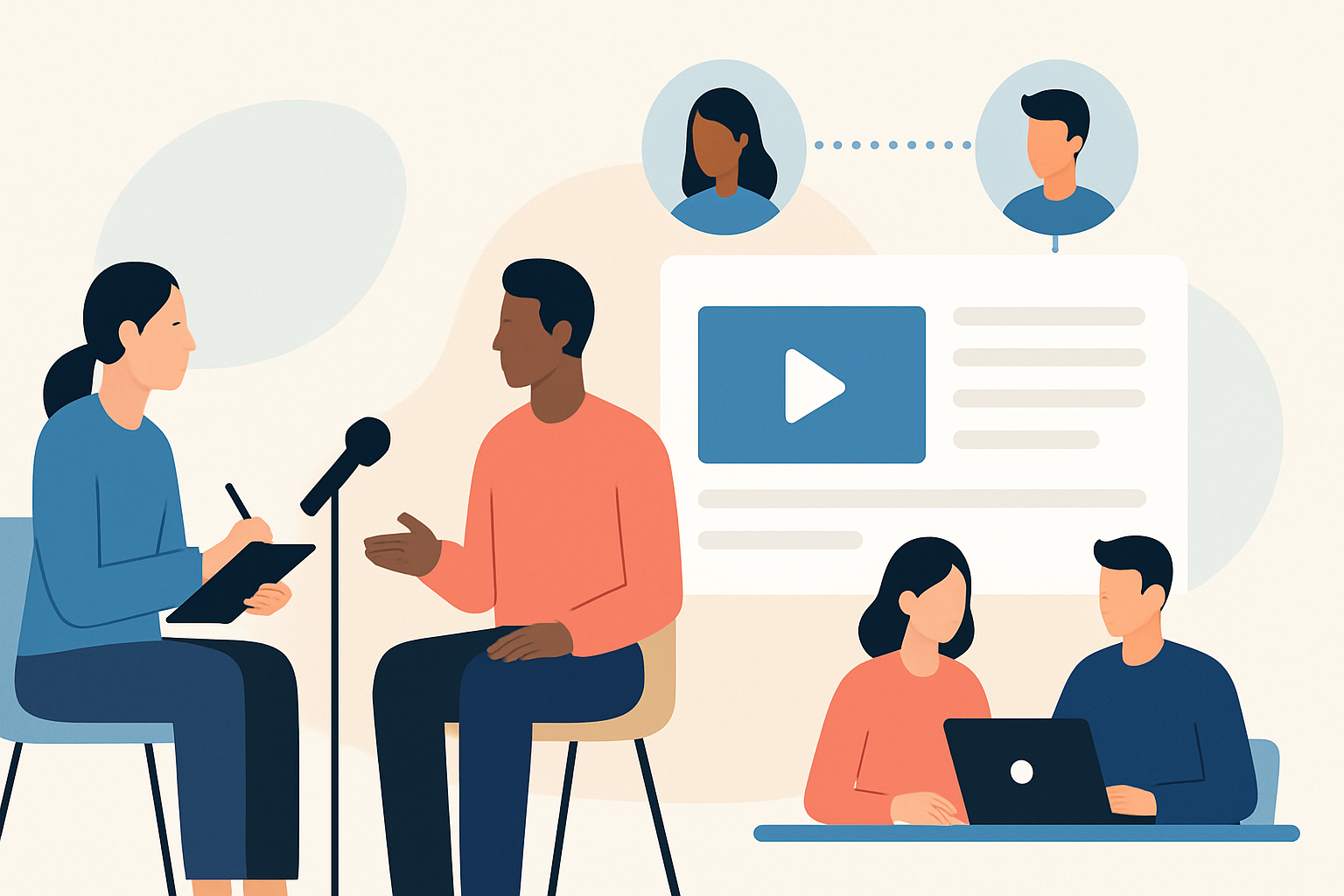
Use interviews with industry experts, clients, and internal stakeholders to create content that builds credibility, surfaces insights not found elsewhere, and expands reach through interviewees' networks. Run those interviews on a planned 30-day workflow that covers planning, execution, content creation, distribution, and measurement to keep output consistent and effective.
The fastest path to sustainable newsletter growth is to prioritize high-value content tailored to clearly defined audience segments and to use engagement analytics to iterate on what works. Avoid heavy sales pitches and poor design to keep readers engaged.
Interview-based content marketing teams use expert interviews to produce authentic, credible content that increases engagement and helps position a brand as a thought leader. This guide lays out how to form those teams, run interviews effectively, plan distribution, and address common obstacles.
Use expert interviews to create credible, engaging content that improves SEO and can be repurposed across blogs, podcasts, and social media. The guide shows consultants how to plan and conduct interviews, turn transcripts into narrative content, and apply best practices to keep content authentic and consistent.
Adopting an interview-based content team produces authentic, expert-driven material you can repurpose across blogs, podcasts, video, and social channels. This guide gives a practical 30-day plan to set up topics, recruit and prepare experts, run and transcribe interviews, and turn each conversation into multiple publishable pieces.
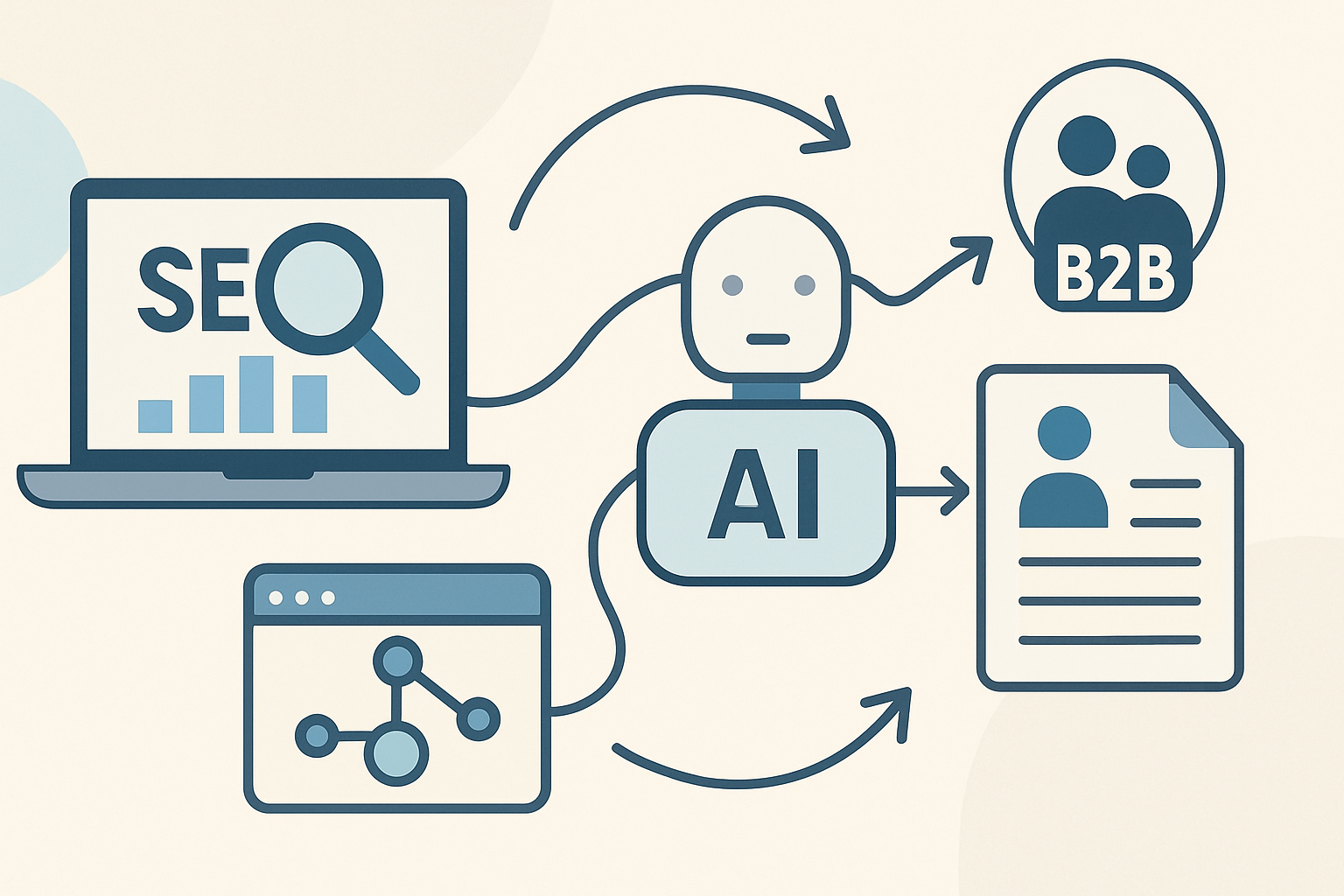
A structured SEO workflow that combines keyword research, content planning, on-page optimization, and performance analysis helps content teams produce work that ranks and increases organic traffic. This playbook explains how to set goals, understand audience needs, use tools like Moz and Ahrefs, integrate SEO into content creation, and follow practical best practices for ongoing improvement.
A structured 30-day workflow that aligns B2B content to business goals and target audiences will improve organic visibility and audience engagement. Set clear objectives, use a keyword strategy, add selective AI for editing and analytics, and measure performance weekly to make adjustments.