India is emerging as a leading AI adopter because coordinated investments in digital infrastructure, STEM education, and public and private partnerships have enabled rapid development and real-world AI deployments across sectors. Those efforts are producing practical applications and startups that apply AI in healthcare, agriculture, and e-commerce.
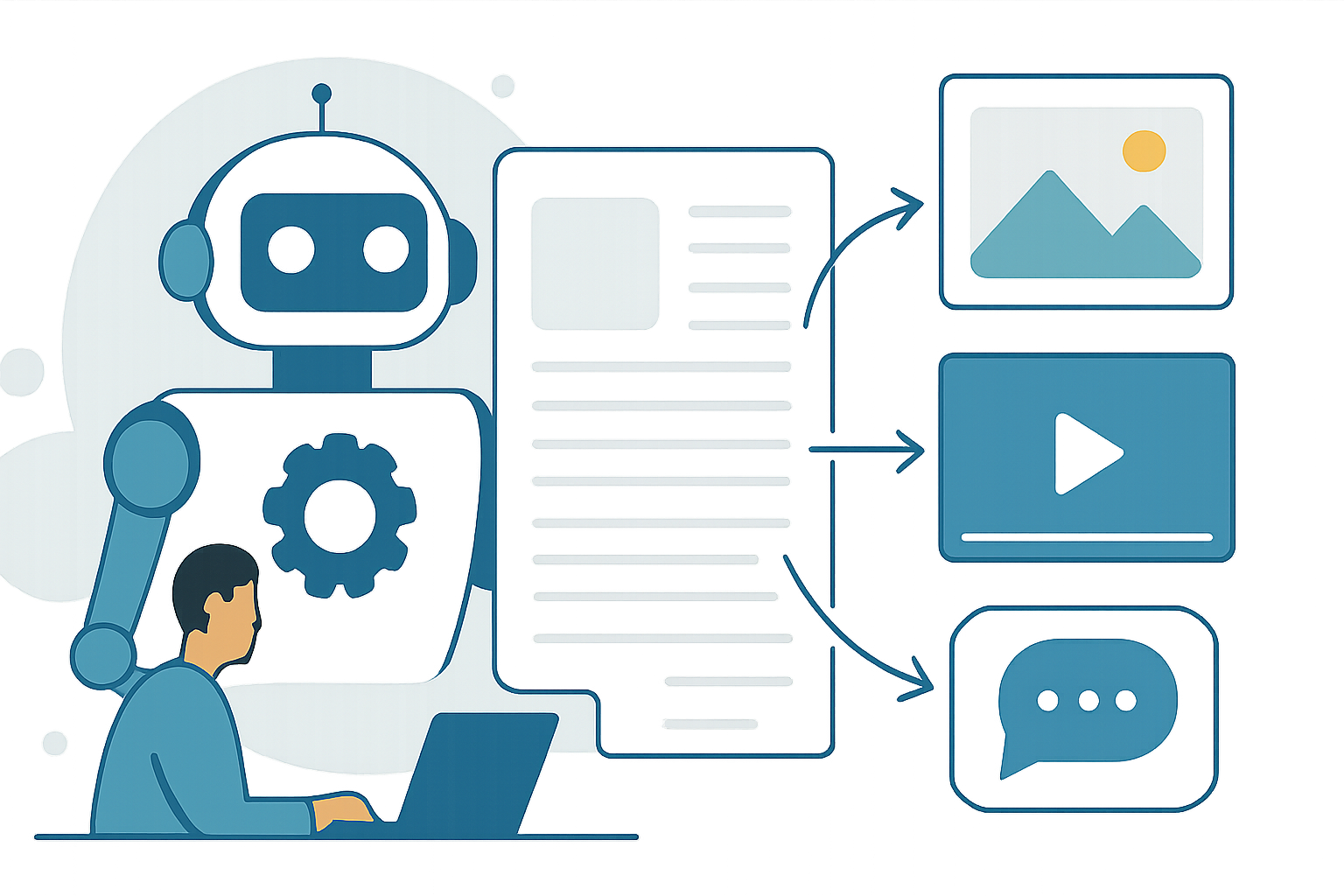
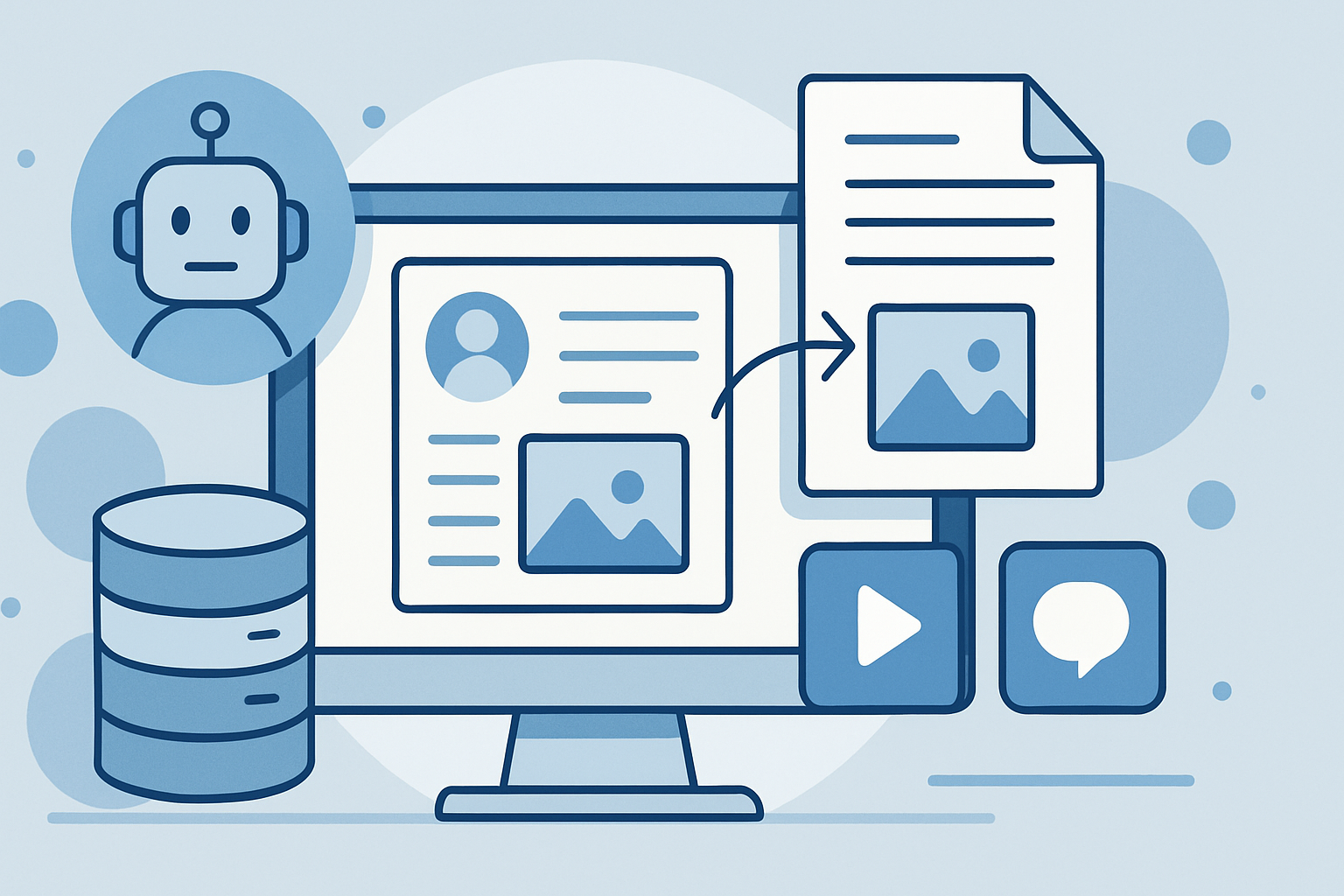
AI-assisted content repurposing marketing uses AI tools to transform existing content into new formats quickly and at scale, extending content lifespan and widening audience reach. It frees marketing teams from repetitive tasks so they can focus on strategy and creativity while keeping messaging consistent across platforms.
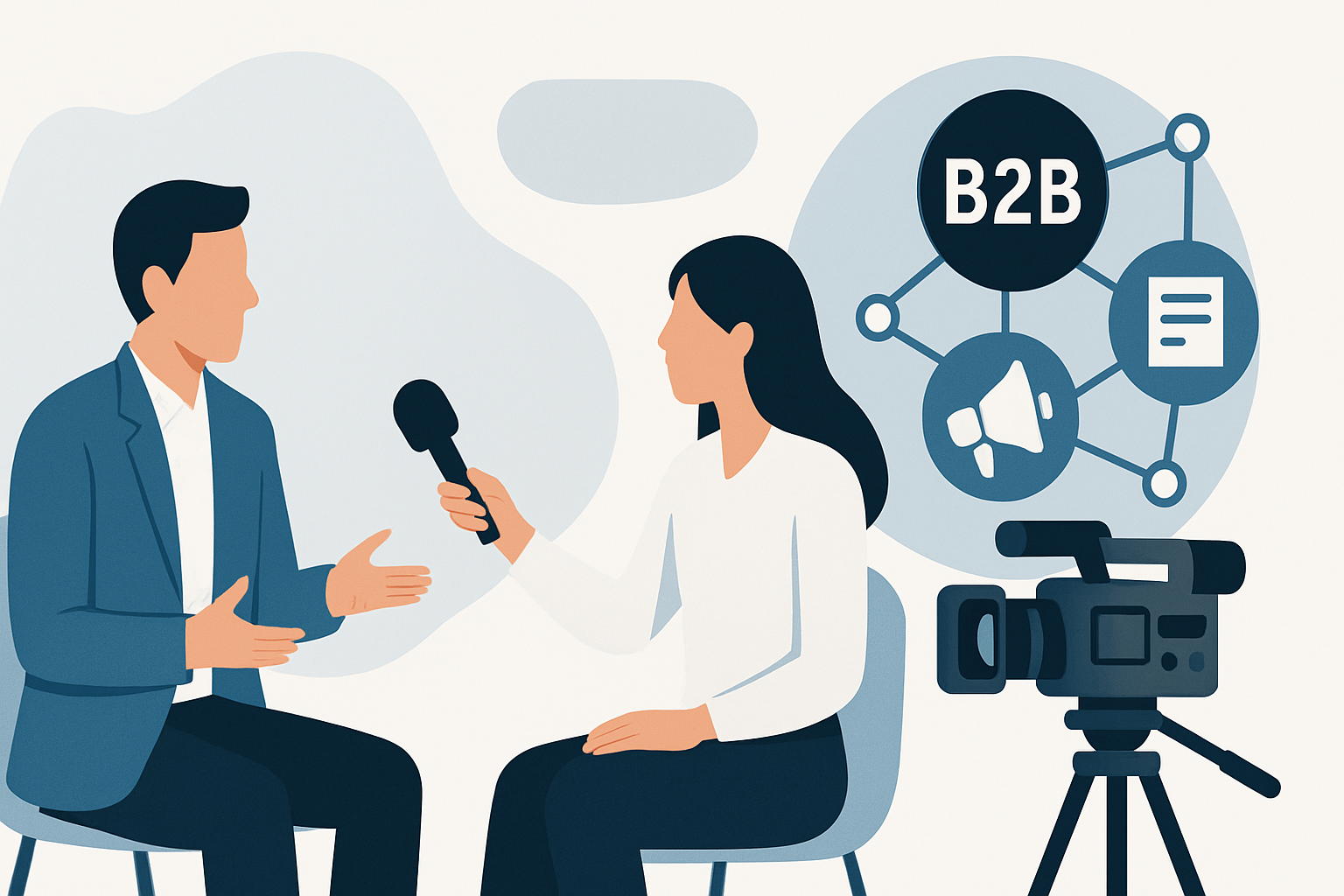
Interview-based content marketing in B2B turns conversations with industry experts, customers, and stakeholders into authentic, expert-driven content you can publish and repurpose. That approach helps B2B teams build credibility with their audience and surface practical insights that inform product and marketing decisions.
A content calendar schedules and maps how content will be created, published, and promoted so teams meet deadlines, align content with marketing goals, and reduce last-minute work. Planning ahead supports consistent messaging and clearer handoffs across channels.
Use a structured 30-day plan with weekly milestones: Week 1 audit your content, Week 2 deploy AI tools to automate repurposing, Week 3 test formats and gather audience feedback, and Week 4 refine the approach and prepare to scale. This sequence integrates AI into your SaaS content strategy to increase efficiency and extend the reach of existing content.
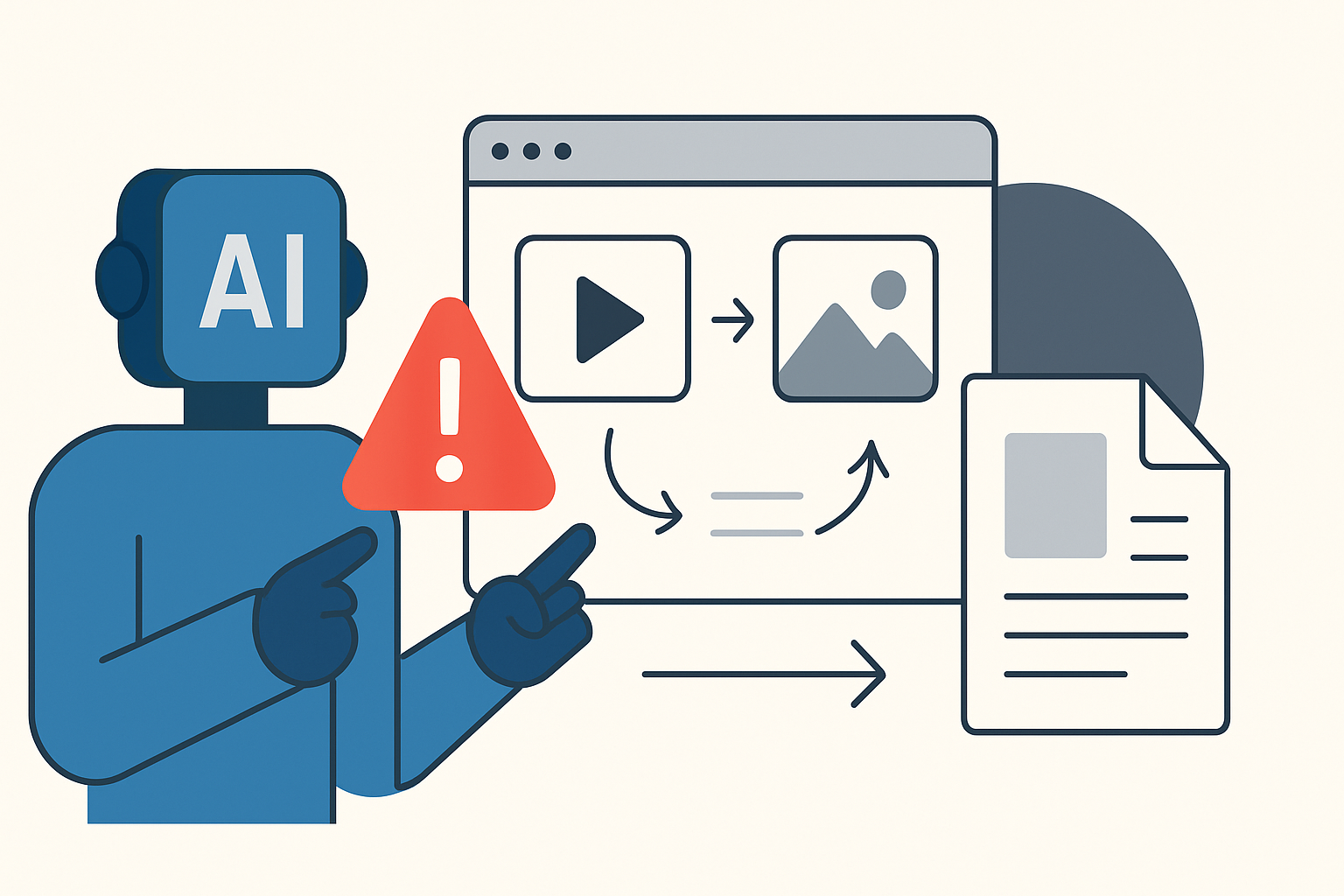
AI can convert existing content into new formats to save time and extend reach. Successful use requires human oversight, platform-specific customization, and attention to audience preferences so repurposed content stays relevant and engaging.
Interview experts to capture unique insights, then shape those conversations into content that builds credibility and speaks to your audience. With clear goals and a repeatable process, interviews can become blogs, podcasts, videos, and other formats that extend reach.
Content calendar planning helps teams streamline operations, boost productivity, and align content strategies with business goals by organizing timelines, assigning responsibilities, and maintaining consistent content flow. A well-structured calendar prevents last-minute rushes and ensures all content meets audience expectations while supporting marketing objectives.
Meta is integrating facial recognition into its smart glasses to identify people in real time by matching live camera captures to a face database. That capability supports use cases such as networking, retail personalization, and security while also raising privacy and surveillance concerns that depend on transparency, consent, and strong data protection.
Interview-based content marketing consultants create credible, engaging content and improve SEO by interviewing experts and clients, transcribing those conversations, and repurposing the strongest quotes into articles, podcasts, social posts, and video.
A structured LinkedIn content system that includes defined content pillars, a posting calendar, use of native LinkedIn features, and regular audience engagement helps creators keep publishing consistently, build thought leadership, and increase content discoverability. The article offers practical steps, feature recommendations, examples, and common pitfalls to guide creators through setting up that system.
Newsletter growth for B2B founders needs a clear, goal-oriented plan: set measurable objectives, send targeted and consistent content, and use email platforms plus analytics to personalize delivery and improve performance. Doing this repeatedly lets you increase engagement and measure what drives conversions.