The AEO software category expanded because companies are using AI-driven optimization and engagement tools that improve online visibility, user engagement, and return on investment. Wider use of AI chatbots and search-optimization tools lets businesses respond faster to customers and analyze larger datasets to guide decisions.
Vibe coding is the practice of embedding cultural nuances into digital content so it connects emotionally and feels relatable to audiences. Brands apply it to make messaging feel authentic, and it is especially effective with younger audiences who value authenticity.
Generative AI based inverse design begins with defined target properties and works backward to identify material structures that meet those targets, speeding discovery and prioritizing the most promising high-entropy catalyst candidates. By simulating many configurations, the approach reduces experimental time and cost and focuses resources on candidates predicted to deliver the desired performance.
Lakewood Ranch Club has embedded artificial intelligence into member engagement and core operations to improve member experience and reduce manual work. The club uses AI in decision-making and routine processes so it can anticipate member needs and run services more efficiently.
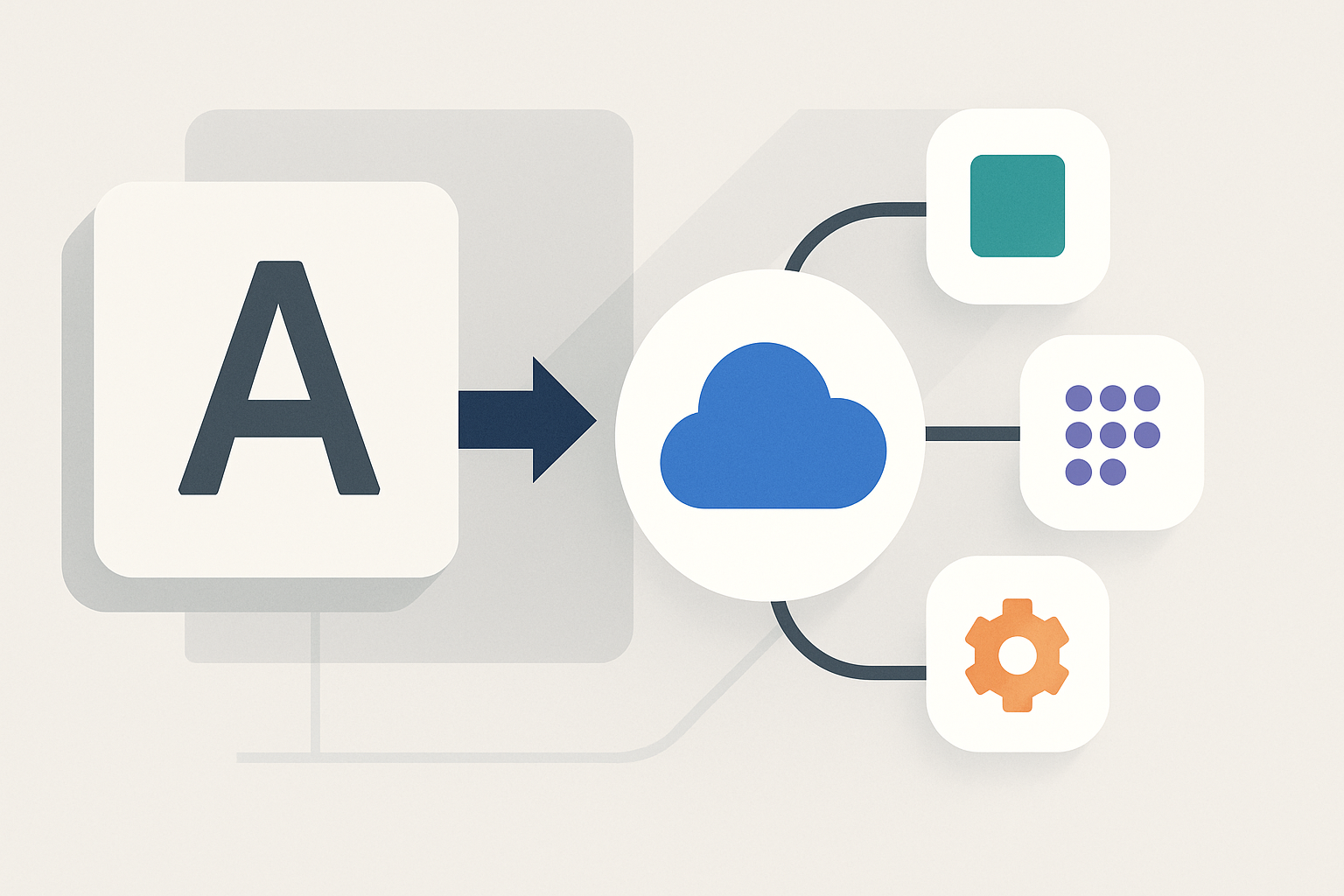
Anthropic now lets third-party apps connect with Claude so enterprises can extend the model with external tools, enable real-time data processing, and tailor Claude to specific workflows. The change is meant to give businesses more functional options inside Claude while keeping existing processes intact.
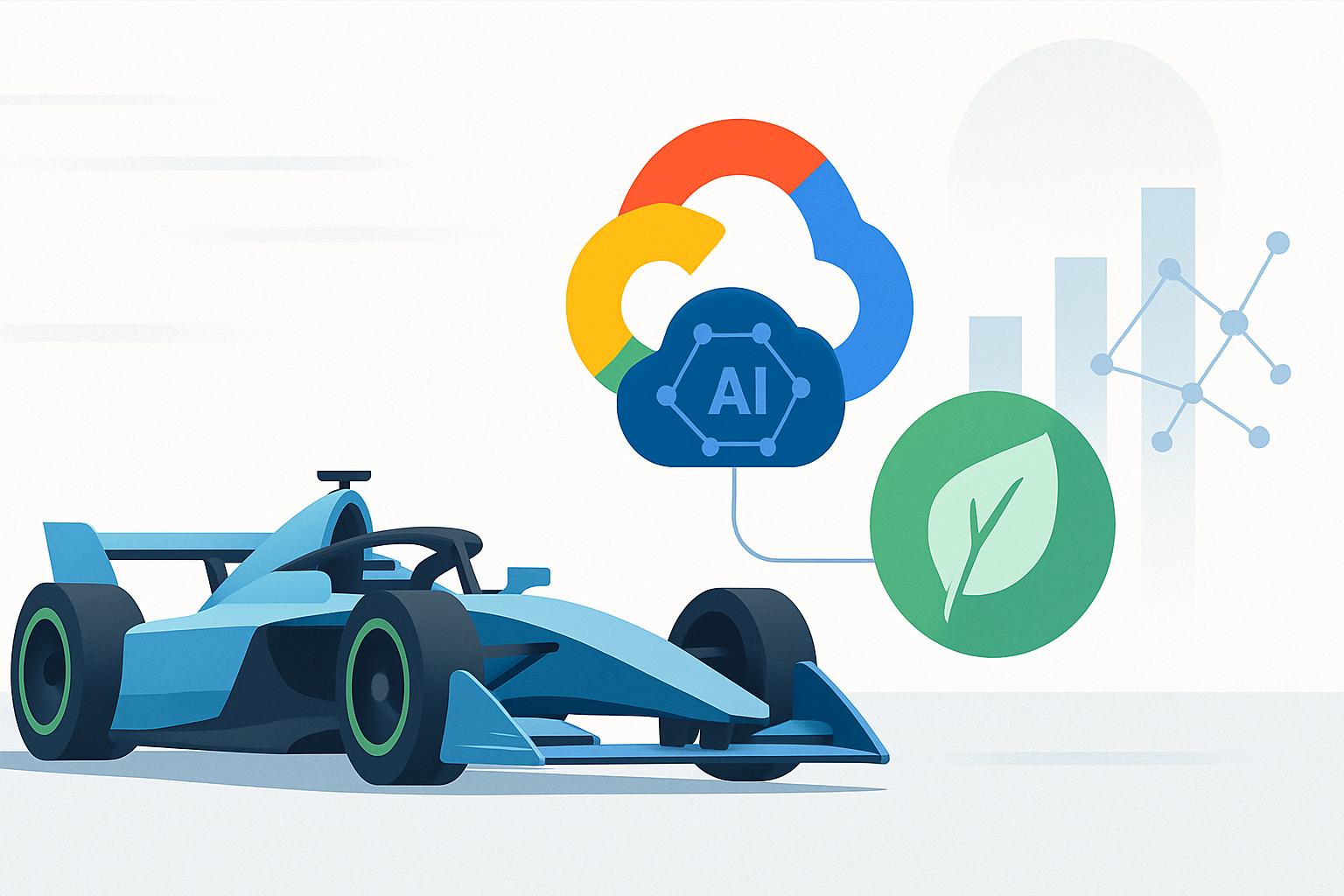
Formula E uses Google Cloud AI to process telemetry and run simulations that optimize energy use and race strategy, helping reduce carbon emissions while improving on-track performance. Teams apply real-time processing and machine learning to turn race data into tactical and efficiency gains.
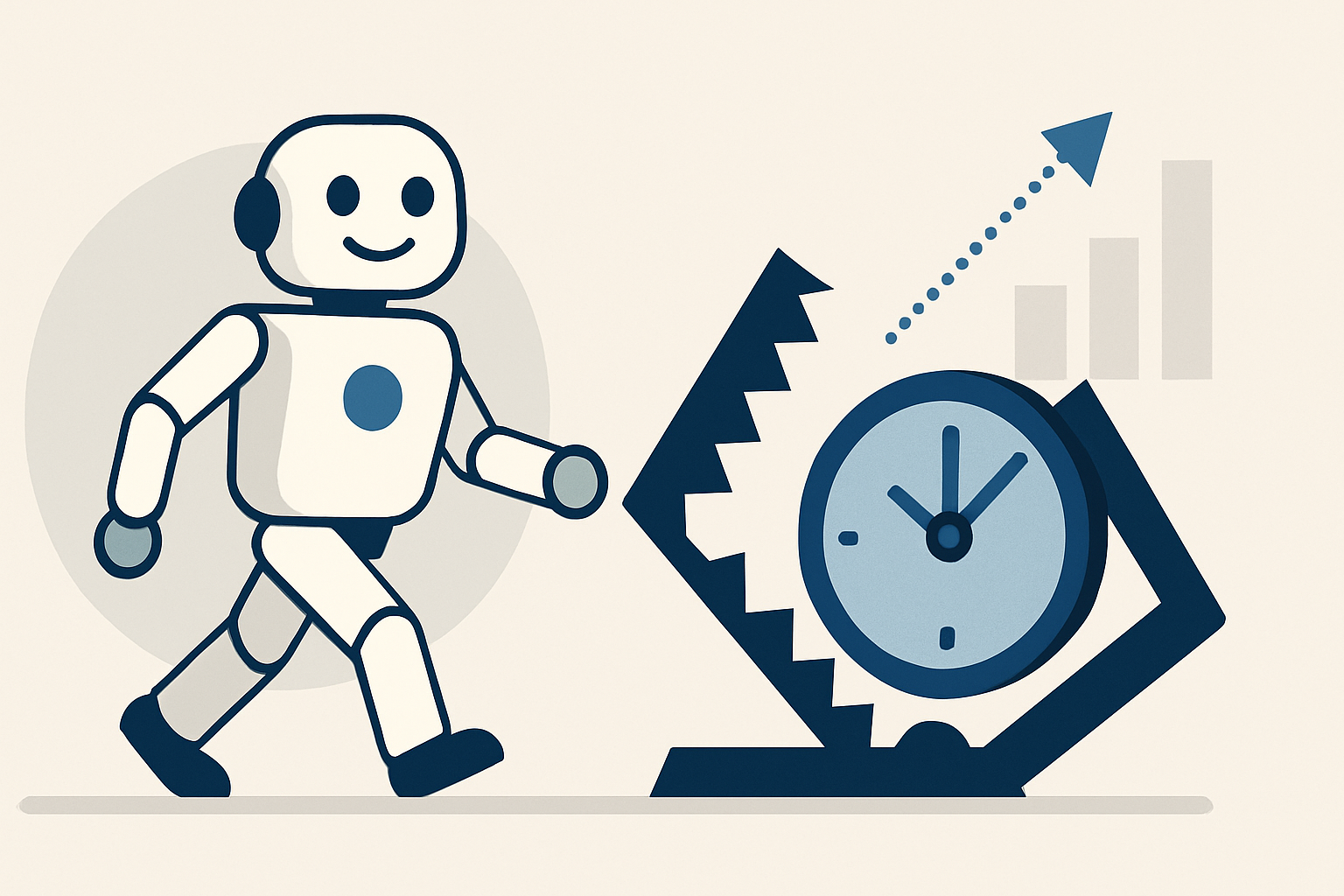
AI systems increase operational speed but often reduce the quality of work, according to the efficiency trap landmark study. Organizations need to balance automation gains with quality controls to avoid more errors and lower customer satisfaction.
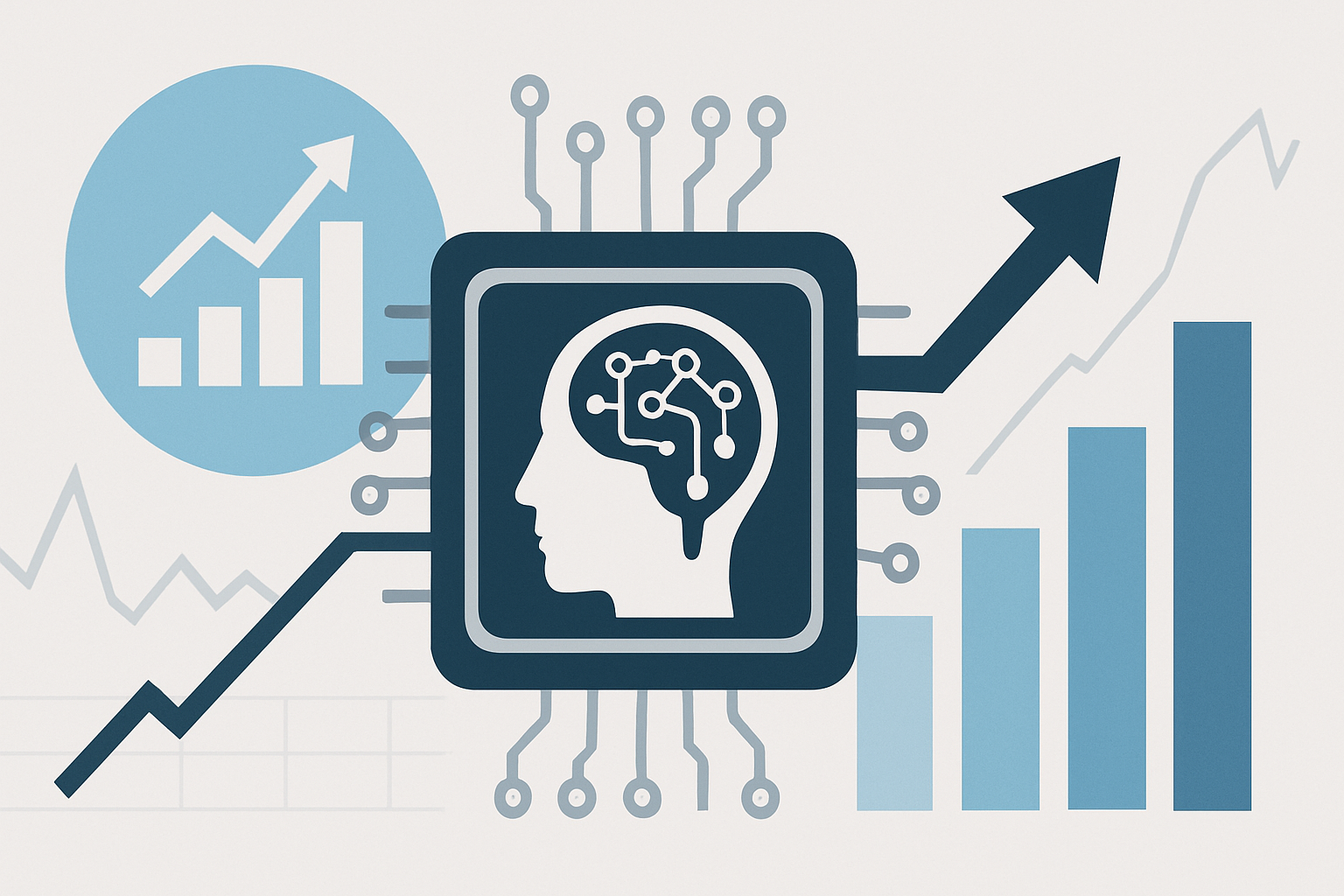
There is no single confirmed winner yet. The next AI chip company most likely to reach a trillion-dollar valuation will be one that leads on R&D, pursues quantum-computing integration and energy-efficient designs, and diversifies its product lines and partnerships. Nvidia, Taiwan Semiconductor, and Broadcom are already members of the trillion-dollar club.
Coursera offers courses that take learners from digital marketing basics to advanced strategy and analytics so they can build practical skills for real marketing work. The article highlights courses on digital marketing fundamentals, advanced marketing strategy, social media, marketing analytics, and content marketing.
The pioneer behind Google Gemini is applying Gemini’s natural language processing and machine learning advances to healthcare, aiming to use large datasets to improve disease diagnosis, treatment, and prevention. The goal is to find patterns and support faster, more personalized medical care using AI-driven insights.
Senator Paul says states will set AI policy, moving governance from the federal level to state-by-state decision making. That approach lets states tailor rules to local industries and move faster than federal processes, but it risks a patchwork of conflicting regulations that can complicate multistate business operations.
Apple is reportedly converting Siri into an AI chatbot so the assistant can hold more natural conversations and handle more complex requests across Apple devices. The redesign aims to improve Siri's language understanding, let it learn from user interactions, and maintain Apple's privacy protections.