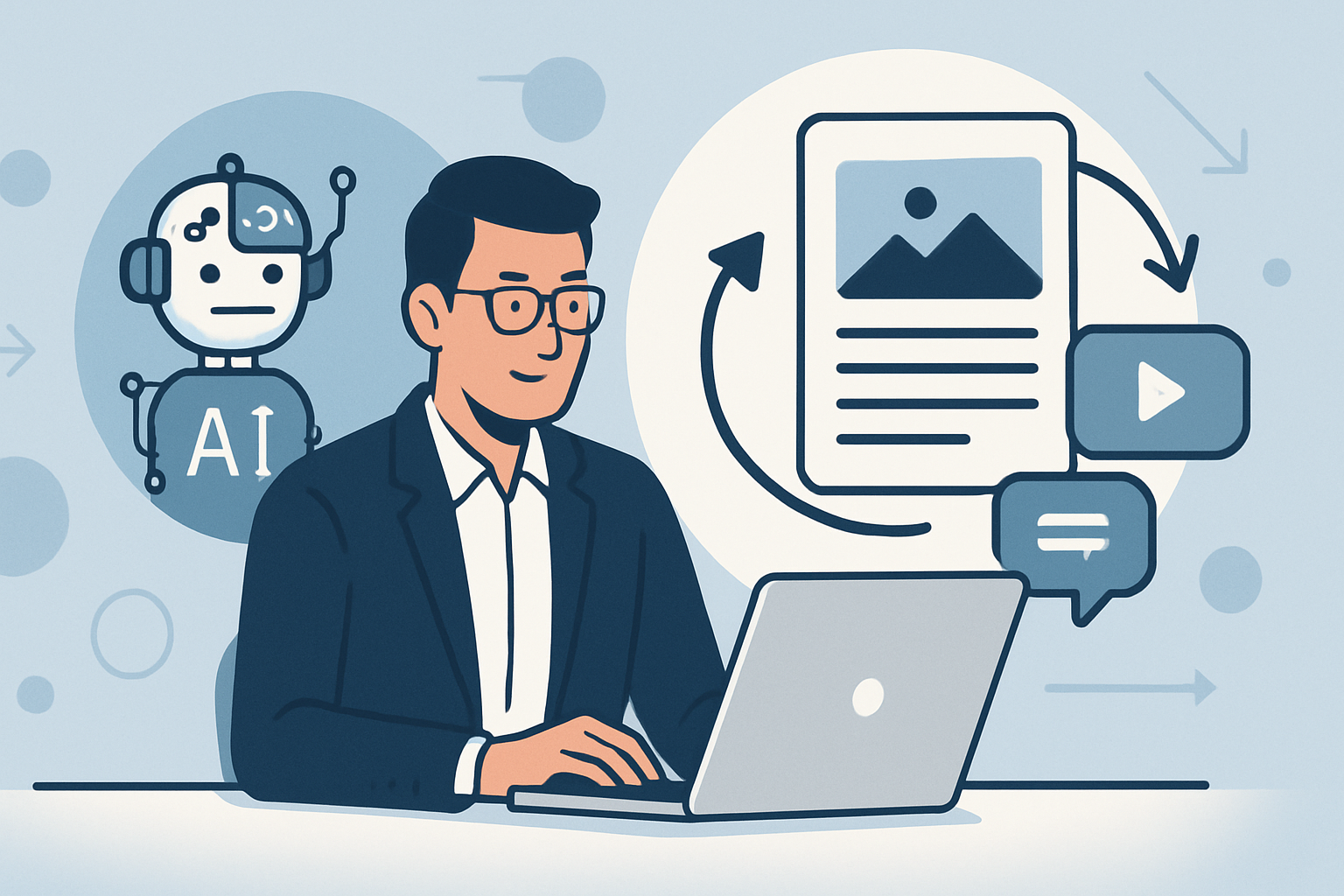
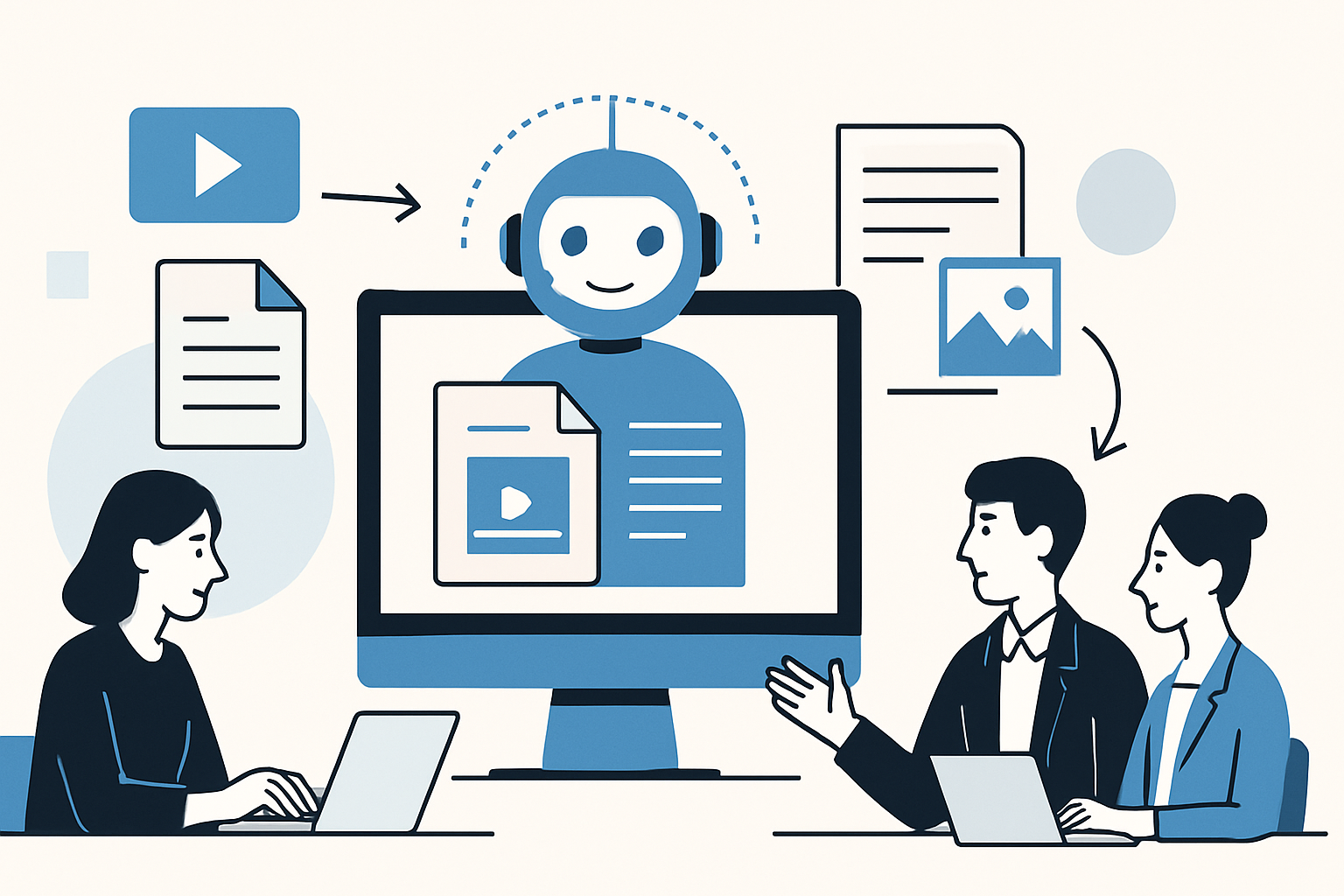
Use AI-assisted content repurposing to adapt existing B2B content quickly for multiple platforms so you extend reach and reduce the time spent creating new assets. This article provides practical templates and examples to implement AI-driven repurposing in your content workflow.
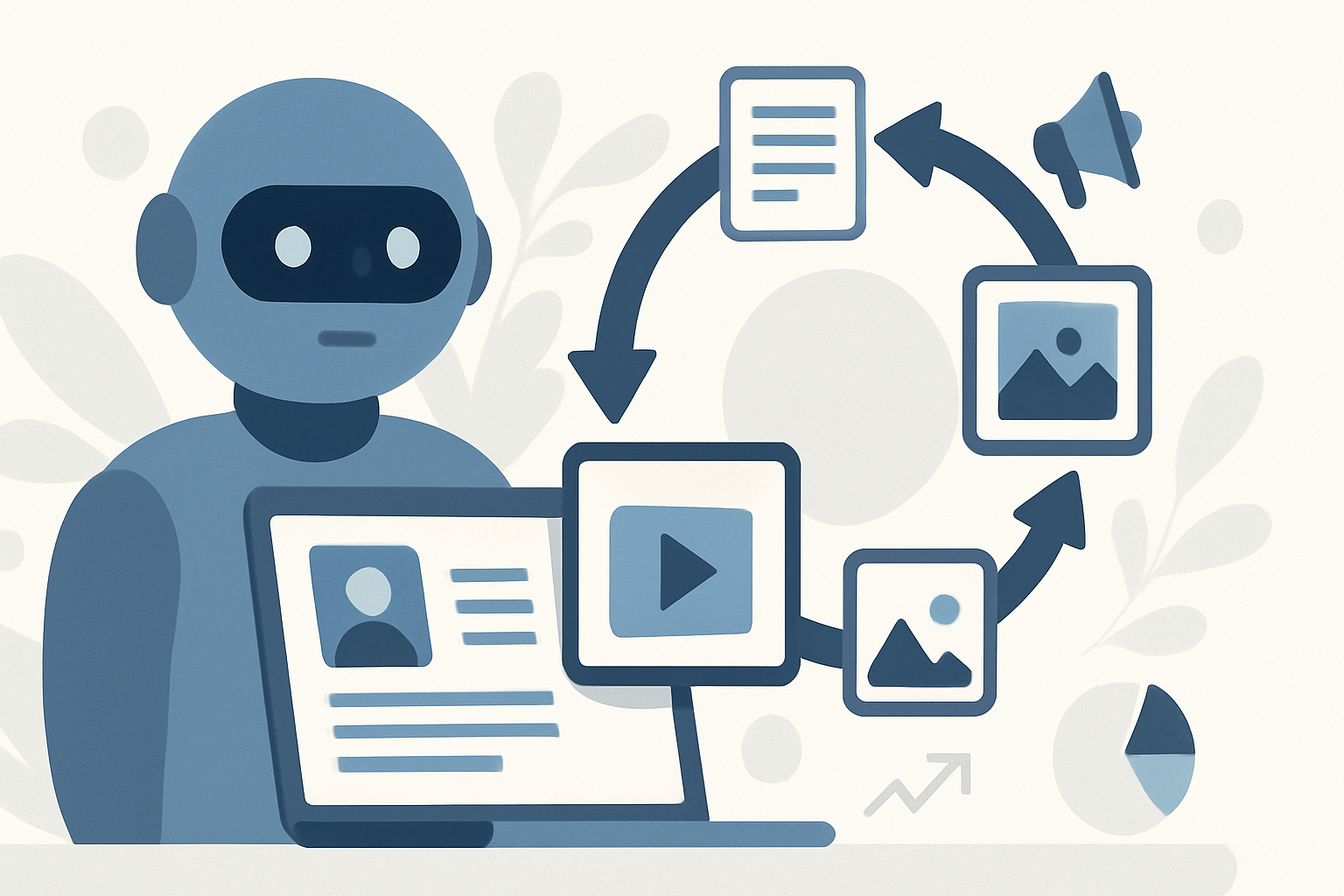
AI-assisted content repurposing uses artificial intelligence to convert and update existing content into new formats and to automate tasks like transcription, translation, and video editing so creators save time and broaden their audience. Combining AI-driven engagement analysis with human review helps pick the right formats for each platform while keeping quality and authenticity.
AI-assisted content repurposing converts existing content into new formats and distributions to increase reach and save creators time. It works best when you use performance data to choose what to repurpose and keep human review to ensure brand voice and quality.
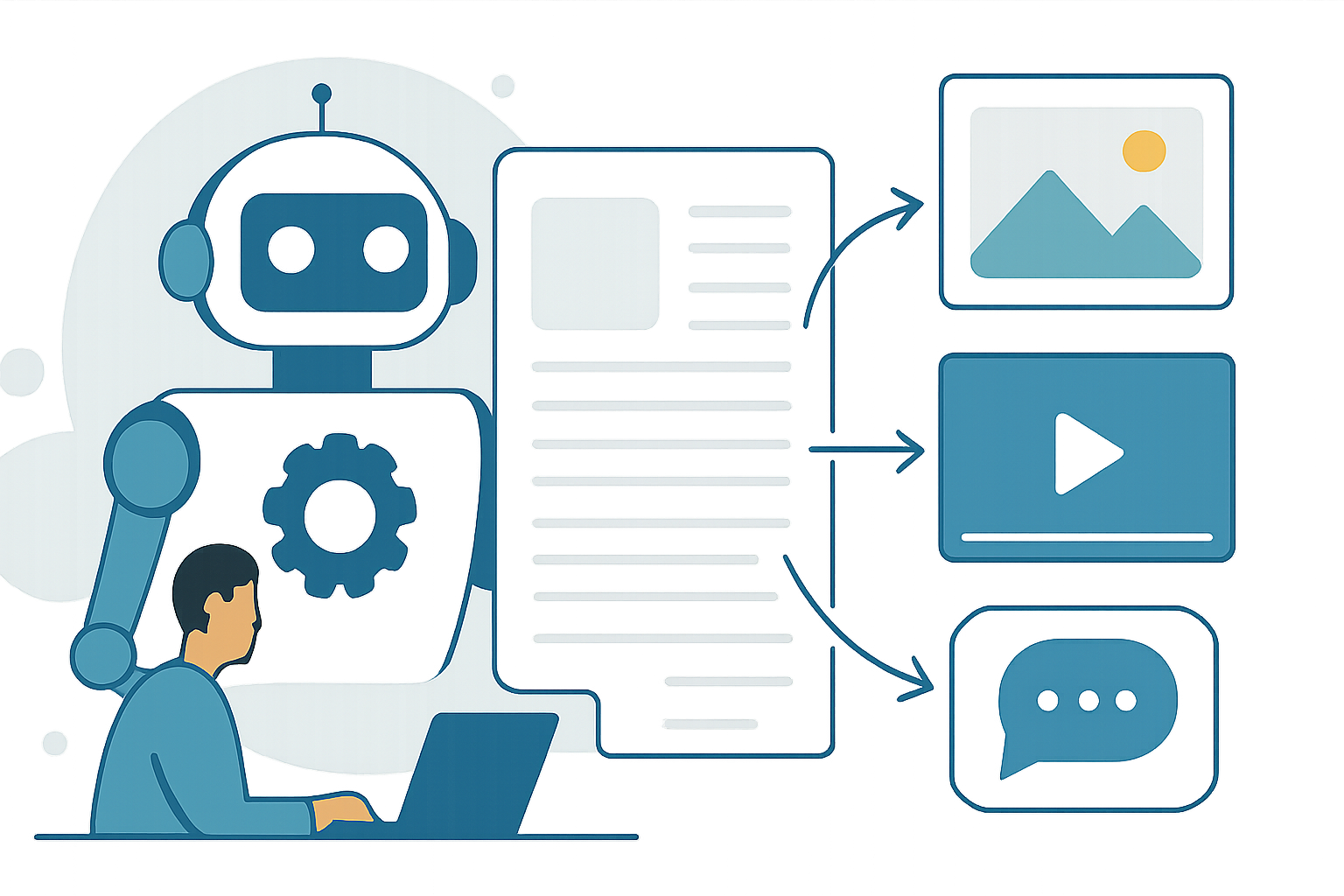
AI-assisted content repurposing marketing uses AI tools to transform existing content into new formats quickly and at scale, extending content lifespan and widening audience reach. It frees marketing teams from repetitive tasks so they can focus on strategy and creativity while keeping messaging consistent across platforms.
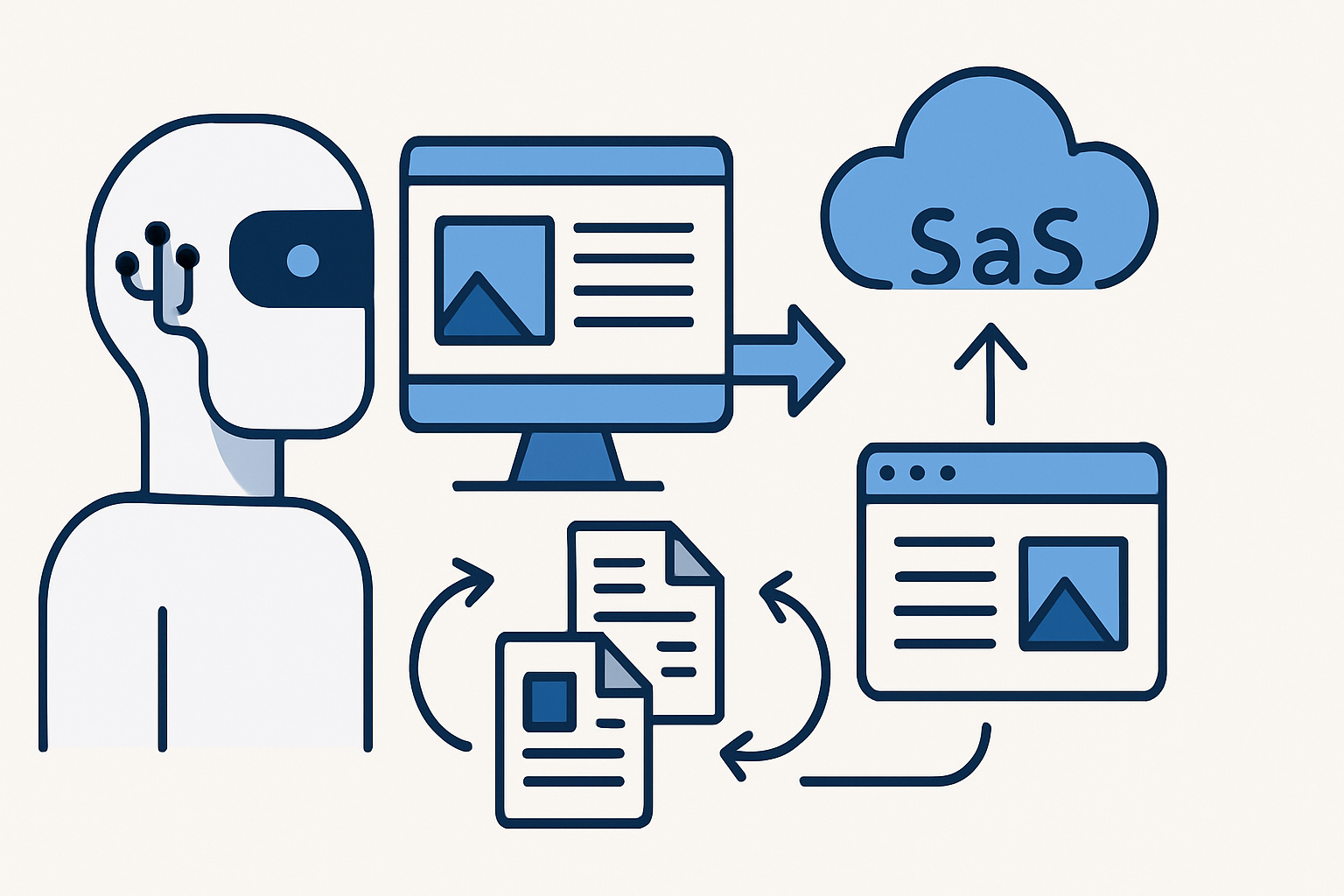
Use a structured 30-day plan with weekly milestones: Week 1 audit your content, Week 2 deploy AI tools to automate repurposing, Week 3 test formats and gather audience feedback, and Week 4 refine the approach and prepare to scale. This sequence integrates AI into your SaaS content strategy to increase efficiency and extend the reach of existing content.
AI can convert existing content into new formats to save time and extend reach. Successful use requires human oversight, platform-specific customization, and attention to audience preferences so repurposed content stays relevant and engaging.
Use AI-assisted content repurposing teams to convert existing content into new formats so you reach more people, reduce time spent on repetitive tasks, and free staff to focus on creative and strategic work. AI can also help surface which pieces to prioritize for repurposing.
AI-assisted content repurposing marketing uses artificial intelligence to turn existing content into new formats and distribute it across channels to extend reach, raise engagement, and save time. It also automates routine tasks, analyzes audience signals to prioritize repurposing opportunities, and suggests edits and formats that fit each platform.
AI-assisted content repurposing SaaS lets companies transform existing content into new formats—videos, infographics, podcasts—to extend its lifespan, broaden reach, save time, and improve engagement and ROI. These platforms automate curation and use analytics and real-time data to identify which pieces to repurpose and which formats will perform best.
AI tools transform existing content into new formats to extend its lifespan and improve efficiency, consistency, and personalization across channels. They automate repetitive repurposing tasks and surface high-impact pieces so teams can focus on creative strategy.
AI-assisted content repurposing consultants use AI tools to convert existing content into new formats so it reaches more channels, saves time, and keeps messaging consistent. The article outlines a practical framework with recommended tools, real-world examples, best practices, and common pitfalls to guide implementation.
AI-assisted content repurposing turns existing content into new formats to save time and reach more audiences, provided the AI is fed good data and humans review the outputs. The article outlines benefits, common challenges, best practices and real-world examples to apply AI effectively in a repurposing workflow.