Build a creator newsletter with a repeatable four-part system: choose a narrow promise, create a high-converting signup path, publish on a cadence you can sustain, and use a few simple metrics to improve conversion and retention. You do not need a large audience or complex automation—one strong lead magnet and a consistent content process are enough to start.
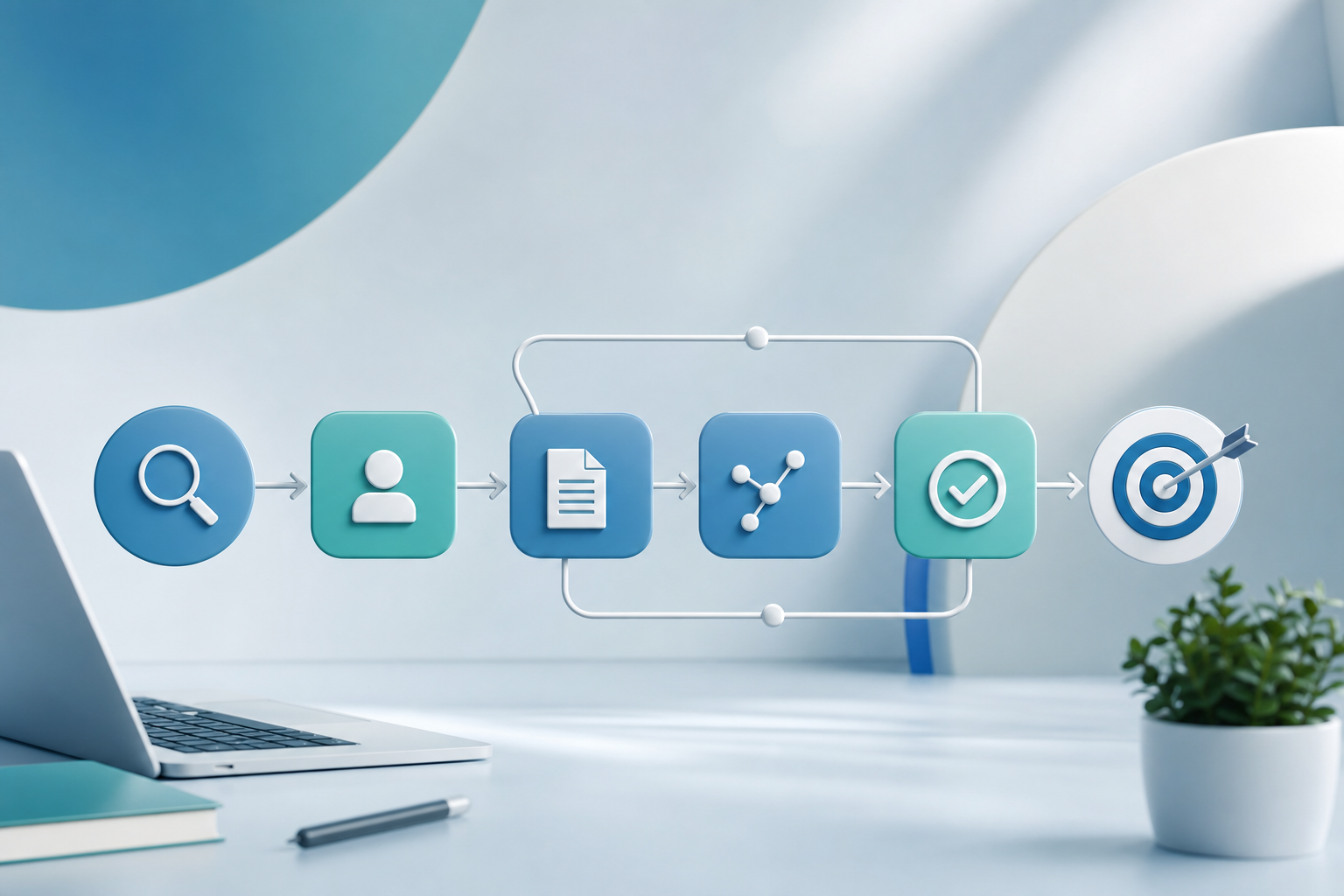
Build a repeatable 30-day workflow that begins with search intent and topic mapping, uses AI for drafting with human editing checkpoints, and finishes with on-page optimization, publication, internal linking, and a simple performance review. This sequence keeps AI useful while protecting quality and aligning content to client goals.
Record focused conversations with people who have direct experience, transcribe them, and turn the transcript into publishable assets. A simple, repeatable process for sourcing, questioning, recording, and repurposing interviews is the fastest way for teams to get specific, usable content without asking experts to write full drafts.
A focused 30-day plan grows a creator newsletter by tightening positioning, reducing signup friction, publishing a consistent, themed series of issues, and promoting each issue through repeatable channels. It turns vague intentions into a daily operating plan that emphasizes a clear offer, regular publishing, and deliberate promotion.
Run one focused, recorded interview each month—centered on a single audience problem—and edit that conversation into a long-form article, newsletter sections, social snippets, short clips, and a sales follow-up to produce a month of publishable, trust-building content.
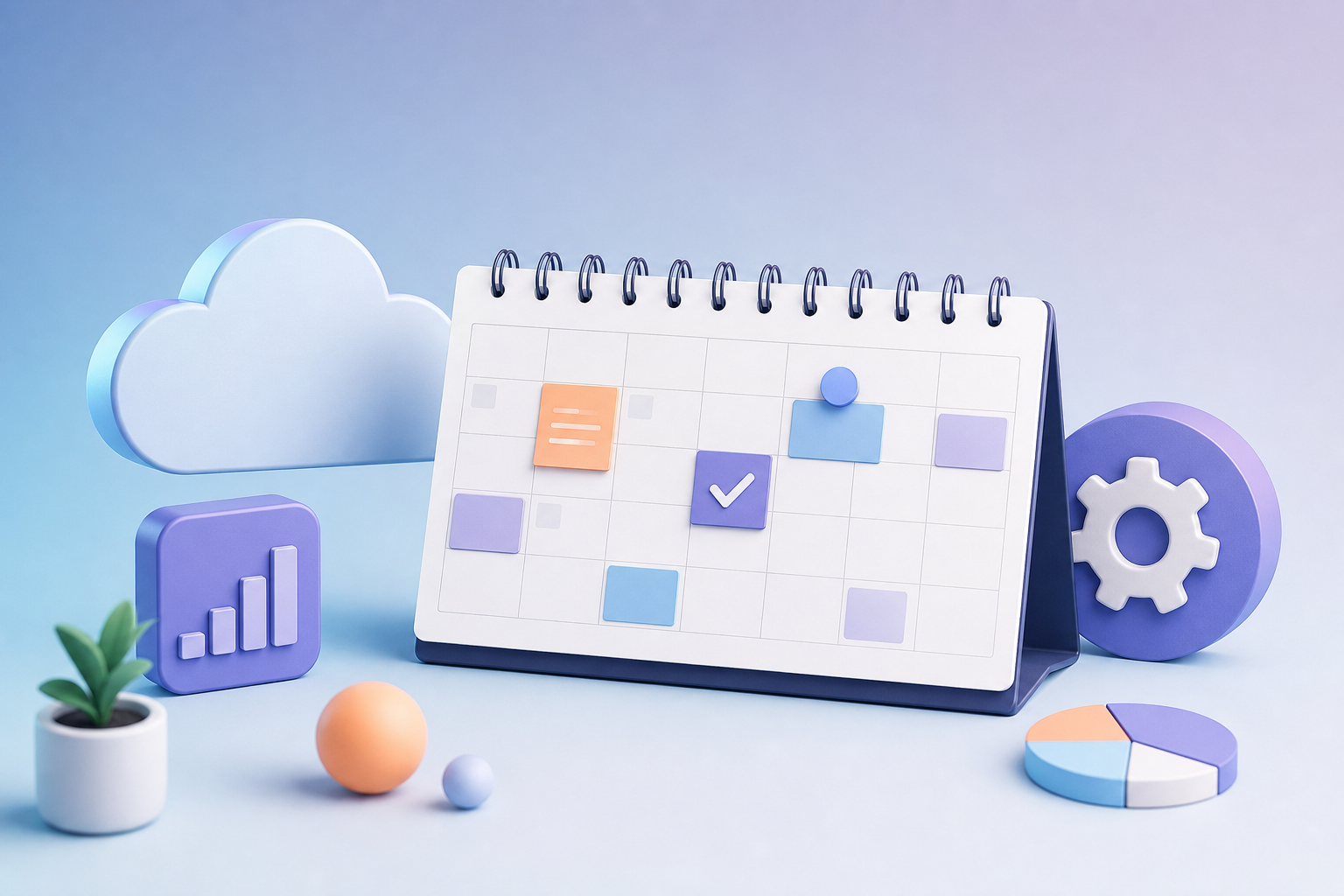
Successful SaaS content calendar planning starts with audience research, clear measurable goals, and a consistent publishing schedule. Complement that foundation with visual and interactive content, collaborative planning tools, a review process, and ongoing analytics and audience feedback so you can adjust the plan.
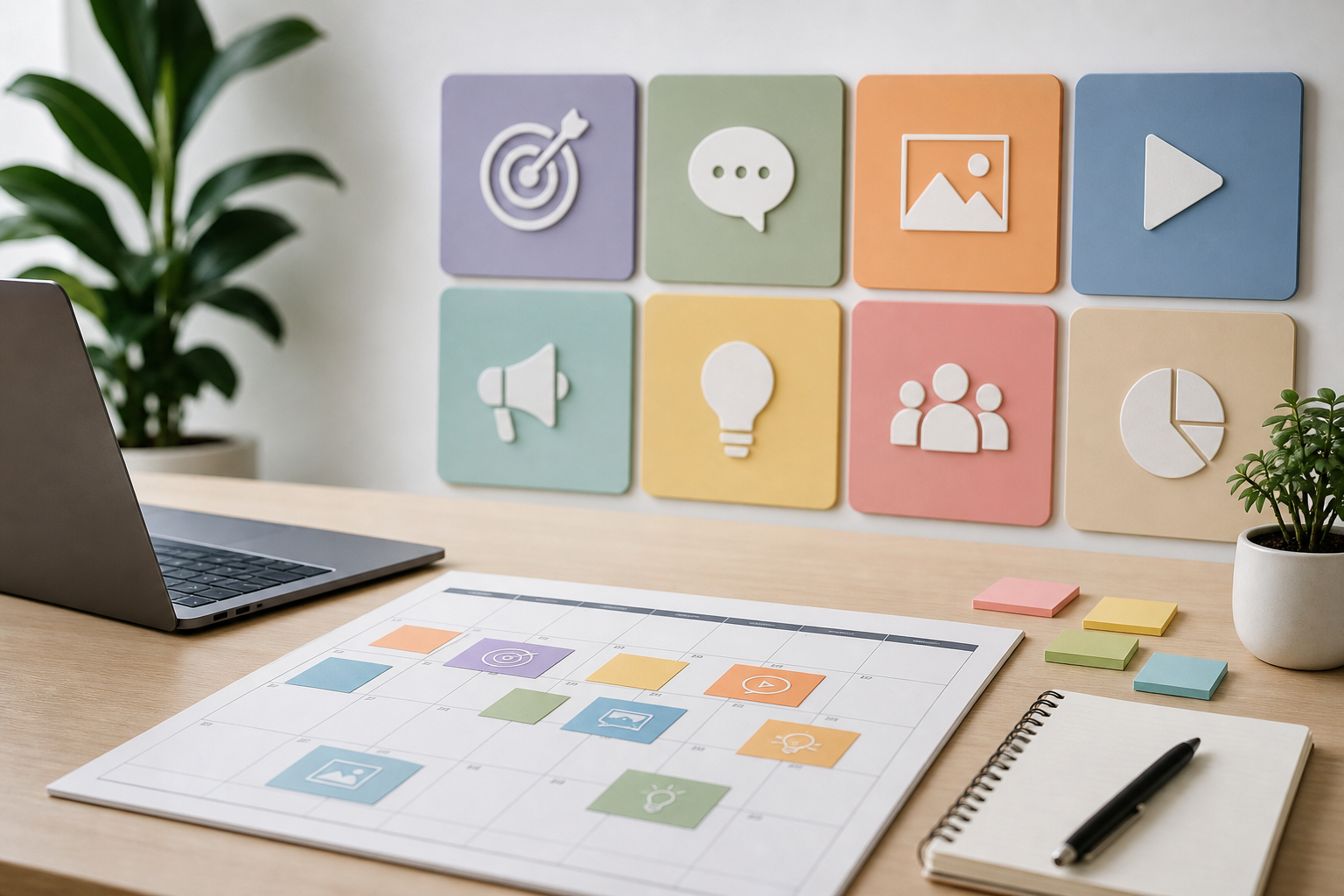
A content calendar gives creators a clear roadmap to publish on a regular schedule, reduce last-minute work, and tie content to business goals. The playbook explains how to set goals, choose themes and formats, and use tools and review cycles to keep planning efficient.
Use AI to transform your existing B2B content into format-specific assets so you save production time and reach more audiences. The article supplies practical templates, tool recommendations, real-world examples, and best practices to implement repurposing while preserving human review.
A content calendar keeps consultants consistent and focused on audience needs while making it practical to measure and improve content performance. It gives you a way to coordinate launches, schedule themed content, and respond to trends without sacrificing quality.
A structured 30-day LinkedIn content system helps marketing teams organize posts, measure performance, and reach specific objectives by combining clear goals, a content calendar, varied content types, and regular use of LinkedIn analytics. Following this cycle lets teams make data-driven adjustments while maintaining consistent audience engagement.
Use a 30-day roadmap to turn ad hoc content work into a repeatable process: establish objectives, tools, and roles, run targeted research and a content audit, build a theme- and format-driven plan, execute production and scheduling, then review performance and iterate.
Set up a structured LinkedIn content system: define your audience and a few content pillars, publish consistently across formats (articles, native video, polls, infographics), use LinkedIn analytics and AI-generated insights to refine topics, and engage directly with commenters and niche groups to build authority and drive engagement.