Enhancing Your Strategy with LinkedIn Content Systems Marketing
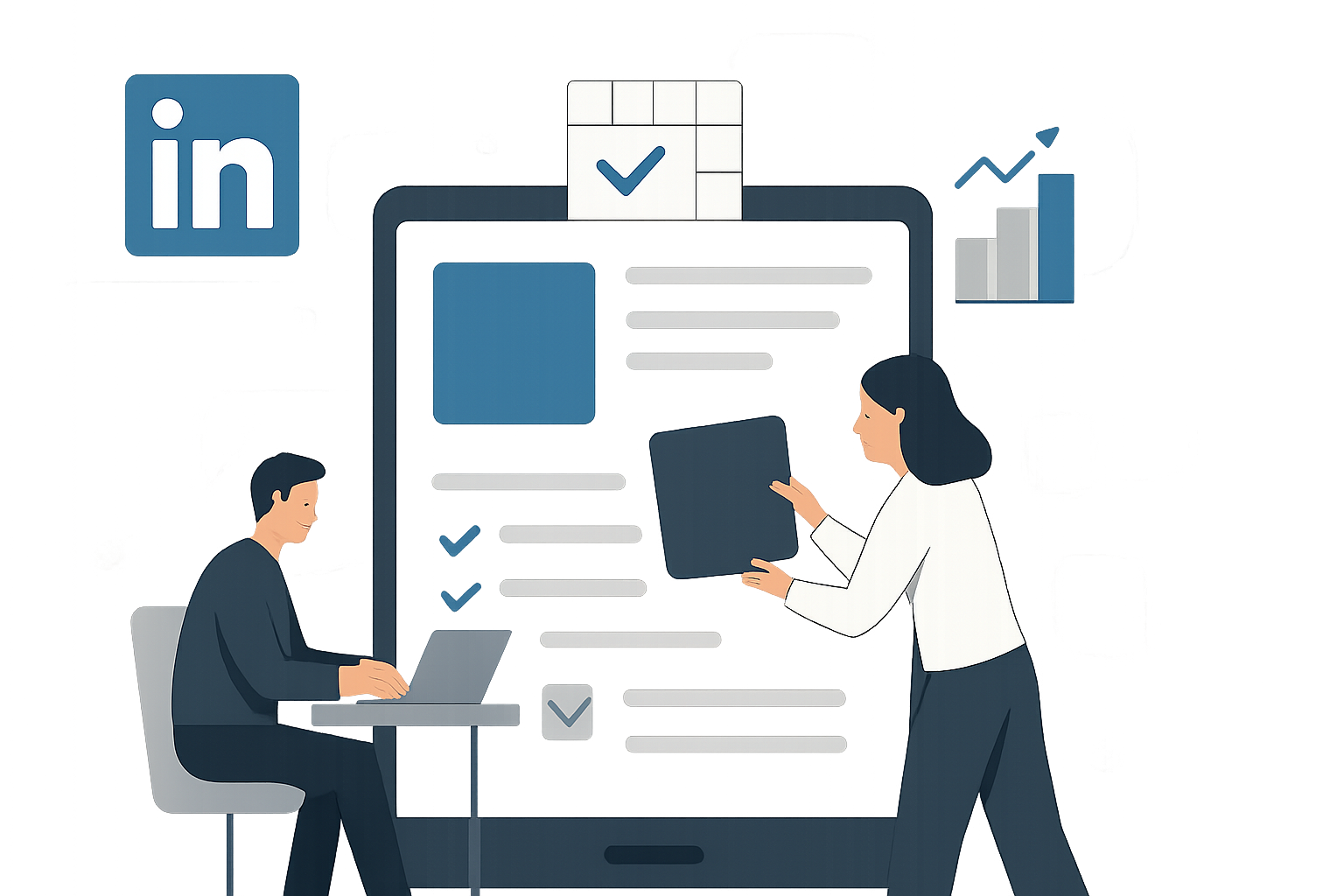
Set up a 30-day LinkedIn content systems marketing plan to create a repeatable process for planning, scheduling, and measuring content so your team posts consistently and increases engagement. The plan organizes work into weekly steps for goal setting, content creation, publishing and engagement, and performance analysis.
Key takeaways
- A content calendar is recommended to streamline content creation and scheduling and to keep a steady flow of posts.
- Use LinkedIn analytics and audience targeting to measure engagement and reach the right demographics for your content.
- The 30-day plan is split into four weekly phases: week 1 for goals and audience research, week 2 for creating mixed content, week 3 for publishing and engaging, and week 4 for analyzing performance and refining strategy.
- LinkedIn Articles, LinkedIn Live, and LinkedIn Groups are practical features to publish long-form expertise, run live Q&A or product launches, and start industry conversations.
- The article’s case studies show measurable results: one tech company increased webinar attendance by 150% with targeted ads, and a marketing agency grew a client’s brand awareness by 70% over three months through consistent posting and group participation.
In the ever-evolving landscape of digital marketing, LinkedIn has emerged as a powerhouse for professionals looking to expand their reach and influence. For marketing teams, setting up a structured approach, such as a 30-day plan utilizing LinkedIn content systems marketing, can significantly enhance their effectiveness. This article will guide you through a comprehensive strategy to maximize LinkedIn’s potential, integrating the best practices of content systems marketing. By implementing a systematic approach, your marketing team can streamline processes, enhance content delivery, and engage more robustly with your audience.
1. Understanding LinkedIn Content Systems Marketing
LinkedIn content systems marketing involves creating a structured environment where content can be planned, created, and distributed efficiently. It ensures that marketing teams can deliver consistent and engaging content to their audience. At the heart of this system is a strategic plan that aligns with your business objectives.
- Practical point 1: Develop a content calendar to streamline content creation and scheduling, ensuring a steady flow of posts.
- Practical point 2: Utilize LinkedIn’s analytics tools to measure engagement and adjust your strategies accordingly.
- Practical point 3: Leverage LinkedIn’s audience targeting features to reach the right demographics with your content.
For more details on creating effective content calendars, you can refer to our article Mastering Content Calendar Planning Creators: A 30-Day Plan.
2. Crafting a 30-Day LinkedIn Marketing Plan
Building a 30-day LinkedIn marketing plan involves setting clear objectives, understanding your target audience, and crafting messages that resonate. This plan should include a mix of content types such as articles, updates, and videos, all tailored to engage your audience effectively.
- Week 1: Define your goals and conduct audience research. Use surveys and LinkedIn insights to understand what your audience seeks.
- Week 2: Start creating content; mix educational, inspirational, and promotional content to maintain interest.
- Week 3: Implement the content calendar and begin posting. Engage with your audience by responding to comments and messages.
- Week 4: Analyze performance data to understand what content works best and refine your strategy accordingly.
For an in-depth look at effective content strategies, check out HubSpot's content strategy guide.
3. Leveraging LinkedIn Features for Enhanced Engagement
LinkedIn offers a variety of features that can be utilized to boost your marketing efforts. Understanding and leveraging these features can help in creating more engaging and interactive content.
- LinkedIn Articles: Use LinkedIn’s publishing platform to write articles that showcase your expertise and provide value to your audience.
- LinkedIn Live: Engage with your audience in real-time by broadcasting live videos. This feature is excellent for Q&A sessions and product launches.
- LinkedIn Groups: Join or create groups related to your industry to start meaningful conversations and build a community around your brand.
For more on how AI can enhance content marketing, refer to our interview AI and the Future of Content Marketing: A Dynamic Discussion.
4. Case Studies: Success Stories in LinkedIn Marketing
Learning from real-world examples can provide valuable insights into how LinkedIn content systems marketing can be successfully implemented. Here are a couple of case studies that highlight effective strategies.
- Example 1: A tech company used LinkedIn’s targeted ads to increase their webinar attendance by 150%. They segmented their audience based on industry and job title, ensuring their ads reached the most relevant professionals.
- Example 2: A marketing agency boosted their client's brand awareness by 70% over three months by consistently posting engaging content and participating in industry-related LinkedIn groups.
Read more about how strategic partnerships can elevate your content marketing in our blog Explained: Amazon Invests $50 Billion in OpenAI.
5. Best Practices for LinkedIn Content Systems Marketing
Implementing best practices in your LinkedIn strategy can significantly enhance the effectiveness of your marketing efforts. Here are several strategies to consider:
- Best Practice 1: Optimize your company page with a clear and concise description, high-quality images, and a consistent posting schedule.
- Best Practice 2: Encourage employees to become brand advocates by sharing company content and engaging with your posts.
- Best Practice 3: Regularly update your LinkedIn presence with fresh content, including company news, industry insights, and thought leadership articles.
Check out ContentPod for more insights on improving your content strategy.
6. Common Mistakes and Challenges in LinkedIn Marketing
While LinkedIn offers numerous opportunities, there are common pitfalls that marketers should avoid. Understanding these challenges can help in developing a more effective strategy.
- Overlooking Analytics: Failing to regularly assess LinkedIn analytics can lead to missed opportunities for improvement.
- Inconsistent Posting: Irregular posting can lead to reduced engagement. Consistency is key in maintaining audience interest.
- Ignoring User Feedback: Not responding to comments or messages can harm your brand’s reputation. Engage actively with your audience to build trust.
For more strategies on overcoming these challenges, see our article on how companies are adapting to new AI trends.
Conclusion: Making the Most of LinkedIn Content Systems Marketing
By adopting a structured approach to LinkedIn content systems marketing, your marketing team can enhance engagement, improve brand awareness, and drive business growth. Remember to regularly assess your strategies and adapt to changes in your audience’s preferences and industry trends. For further guidance, visit ContentPod for expert insights and tools to refine your marketing approach.
Frequently Asked Questions
What is LinkedIn content systems marketing?
LinkedIn content systems marketing is a strategic approach that involves the structured planning and execution of content on LinkedIn to achieve marketing goals. It focuses on consistency, audience engagement, and leveraging LinkedIn’s unique features.
How can I measure the success of my LinkedIn marketing efforts?
Success can be measured through LinkedIn’s analytics tools, which provide insights into engagement metrics such as likes, shares, comments, and follower growth. Regular analysis of these metrics helps in refining strategies for better results.
What types of content work best on LinkedIn?
Content such as industry insights, thought leadership articles, engaging videos, and interactive posts tend to perform well on LinkedIn. Tailor your content to your audience’s interests and professional needs for optimal engagement.
References & Further Reading
- Content Marketing: The Ultimate Guide
- How to Create and Use Content Marketing Systems
- Marketing Statistics 2025
- The Content Marketing Plan for Growth
Put this into practice
Share this post
You Might Also Like
Discover more content tailored to your interests
 Highly Relevant
How to Write Thought Leadership Content People Actually Read
How to write thought leadership content starts with a narrow point of view, original material from your real experience, and a structure that makes the main claim clear in the first few lines.
Read More Highly Relevant
8 Thought Leadership Content Examples That Work
Thought leadership content examples are posts, articles, interview-based pieces, and opinion-driven frameworks that teach something specific from firsthand experience and give readers a clearer way to think about a problem.
Read More Highly Relevant
LinkedIn Content Systems Creators: Complete Guide 2026
A LinkedIn content system is a repeatable workflow for planning, drafting, publishing, and measuring posts so creators stay consistent without starting from zero each day. With a maintained system you reduce decision fatigue, protect thinking time, and improve future posts by using performance feedback.
Read MoreReady to create amazing podcast content?
Choose a plan and start generating professional podcast content with AI
View Pricing Plans