Explained: Bandcamp Bans Music Heavily Featuring Generative AI
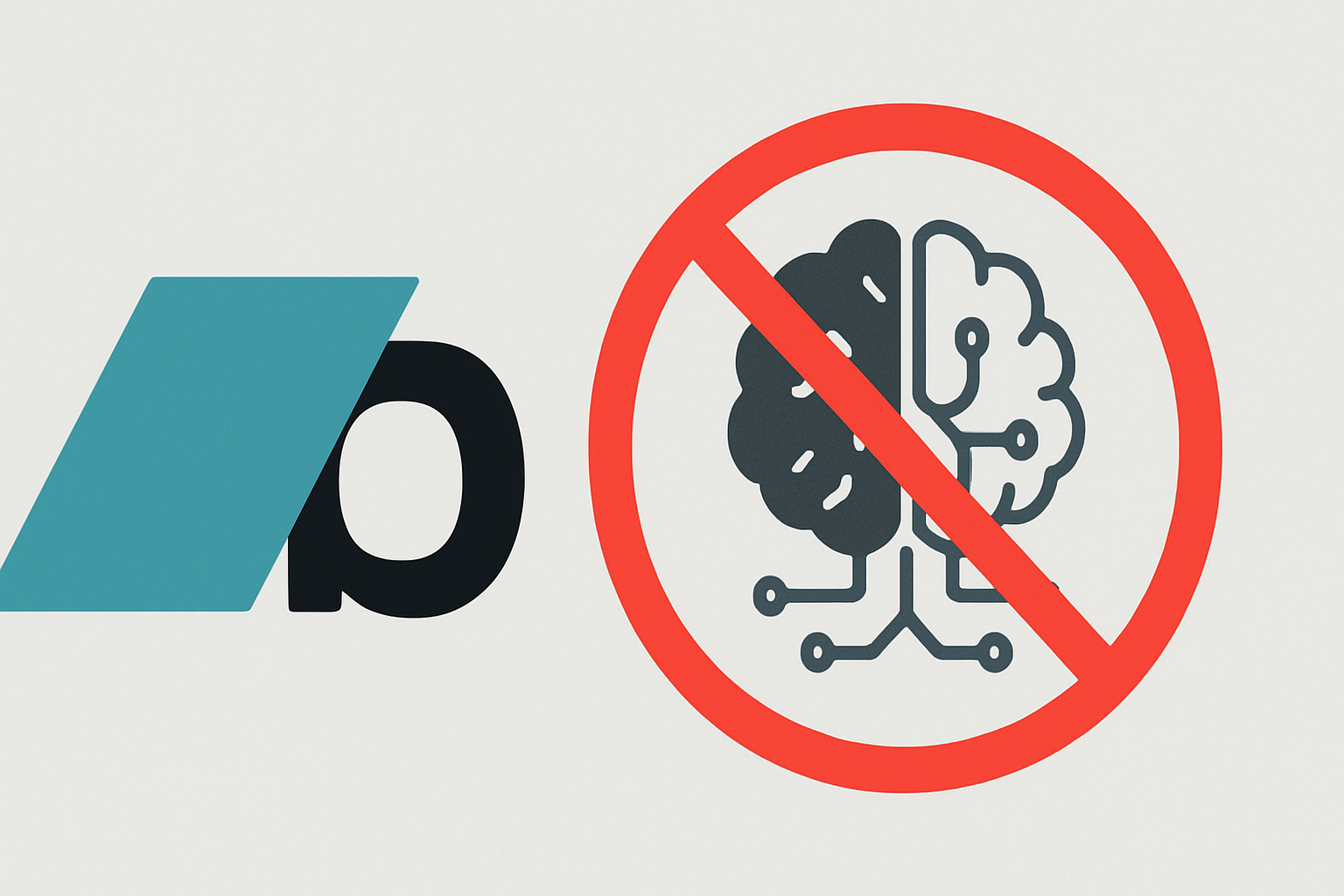
Bandcamp now bans music that relies heavily on generative AI so the platform keeps human-created work and artists' voices central. The policy is meant to protect independent creators' ownership of their music and to push artists toward original, personally produced material.
Key takeaways
- Bandcamp says the ban supports independent artists and genuine craftsmanship by restricting works primarily produced with generative AI.
- The policy could prompt other music platforms to re-evaluate how they handle AI-generated content and influence emerging industry standards.
- Real-world responses include artists shifting from AI-generated ambient tracks to manual sound design and producers partnering with traditional musicians to comply with the rules.
- Practical guidance for artists includes learning live instrument recording, using AI only for brainstorming or initial ideas, and combining any AI output with clear human creative decisions.
- The ban raises cultural and ethical questions about what counts as authentic artistic expression and about the acceptable role of AI in music creation.
In a bold move that has sent ripples through the music industry, Bandcamp bans music heavily featuring generative AI on its platform. This decision has sparked a heated debate among artists, creators, and tech enthusiasts. The policy reflects Bandcamp's commitment to preserving the authenticity of music while raising important questions about the future role of artificial intelligence in creative arts. In this article, we'll explore why Bandcamp has taken this stance, analyze its implications, and provide insights on navigating this new landscape. For more in-depth coverage on AI's impact on content creation, visit OpenAI's official site.
1. Understanding Why Bandcamp Bans Music Heavily Featuring AI
The decision by Bandcamp to ban music heavily influenced by generative AI is rooted in the platform's mission to support independent artists and genuine craftsmanship. By restricting AI-generated music, Bandcamp aims to maintain a space where human creativity is at the forefront. This aligns with the company's ethos of valuing human artistry over machine-generated content.
- Practical point 1: Bandcamp seeks to ensure that the music on its platform reflects the artist's true voice, free from AI manipulation.
- Practical point 2: The ban helps protect artists' intellectual property from being overshadowed or diluted by AI-generated works.
- Practical point 3: It encourages artists to focus on originality and personal expression in their music.
This policy underscores Bandcamp's commitment to sustainability in the arts, where technology aids but does not replace human creativity. For a broader perspective on AI's influence on the creative industry, check out Anthropic's insights.
2. The Impact of Bandcamp's Ban on the Music Industry
With Bandcamp's ban, the music industry faces a pivotal moment. This policy could influence how other platforms approach AI-generated content. Bandcamp's decision may prompt a reshaping of industry standards, encouraging a reassessment of how AI is used in music production.
For those interested in integrating AI responsibly, our article on Optimizing Your LinkedIn Content Systems for Teams provides a roadmap for using AI in a manner that complements human effort without overshadowing it.
3. Analyzing the Cultural and Ethical Implications
The cultural impact of Bandcamp's decision is significant. It raises ethical questions about the nature of creativity and the role of AI in artistic expression. By banning music heavily influenced by generative AI, Bandcamp is taking a stand on what constitutes authentic art.
This stance challenges us to reflect on the value of human touch in art. It also highlights the ethical considerations of using AI, as discussed in our interview on AI's role in business content.
4. Case Studies of Bandcamp's Ban with Real-World Examples
Several artists have already felt the impact of Bandcamp's decision. Consider the case of an electronic musician who relied on AI to generate unique soundscapes. This artist now faces the challenge of redefining their creative process to align with Bandcamp's guidelines.
- Example 1: An indie artist known for AI-generated ambient tracks is pivoting to manual sound design to comply with Bandcamp's policies.
- Example 2: A producer who used AI to remix tracks is now collaborating with traditional artists to maintain a presence on Bandcamp.
For more on how AI is shaping industries, you might find our article on Accelerating Discovery Materials Project enlightening.
5. Best Practices for Artists in Response to the Ban
As Bandcamp bans music heavily featuring AI, artists can adapt by embracing practices that emphasize their unique creative abilities. Here are some strategies to consider:
- Best Practice 1: Focus on learning new skills that enhance your music production capabilities, such as mastering live instrument recording.
- Best Practice 2: Leverage AI as a tool for inspiration, rather than a crutch, by using it for brainstorming or generating initial ideas.
- Best Practice 3: Avoid relying solely on AI for music creation; instead, blend AI's capabilities with your creative vision.
For more strategies on integrating technology with creativity, visit ContentPod.
6. Overcoming Challenges and Common Mistakes
Artists navigating Bandcamp's new policy may encounter challenges, such as redefining their creative workflow or finding new platforms for AI-generated music. Understanding these obstacles and learning how to overcome them is crucial.
One common mistake is underestimating the value of human input. Artists should focus on enhancing their unique sound rather than relying on AI-generated music. For additional resources, explore NIST's guidelines on AI in creative processes.
Conclusion: Making the Most of Bandcamp Bans Music Heavily Featuring AI
Bandcamp's ban on music heavily featuring generative AI presents both a challenge and an opportunity for artists. By embracing this change, artists can focus on their unique creative talents and produce more authentic works. For those looking to maximize their creative potential, ContentPod offers valuable resources and insights. As Bandcamp bans music heavily influenced by AI, the industry must adapt to preserve the integrity of artistic expression.
Frequently Asked Questions
What is Bandcamp's policy on AI-generated music?
Bandcamp has implemented a policy that bans music heavily influenced by generative AI to maintain the authenticity of creative works and support genuine artistry.
Why has Bandcamp decided to ban AI-generated music?
The ban is intended to ensure that music on Bandcamp reflects true artistic expression and to protect artists' intellectual property from being overshadowed by AI-generated content.
How can artists adapt to Bandcamp's ban on AI-generated music?
Artists can focus on developing their skills, using AI as an inspirational tool, and blending AI capabilities with their creative vision to comply with Bandcamp's guidelines.
References & Further Reading
Put this into practice
Share this post
You Might Also Like
Discover more content tailored to your interests
 Highly Relevant
How AI Technical Debt Problems Spread Through Codebases
AI technical debt problems are the maintenance, reliability, security, and architecture costs that build up when AI systems generate code faster than teams can review, test, document, and own it.
Read More Highly Relevant
Why Anthropic Model Rivals Fable on Enterprise Cost
Anthropic's model is being pitched as close enough in quality to a premium frontier model that cost-conscious enterprises may switch or diversify. The real test for buyers is whether the model delivers acceptable output on their highest-volume tasks while lowering total operating cost and governance overhead.
Read More Highly Relevant
AI Risks to Global Security at the U.N. Briefing 2026
AI risks to global security are the ways advanced AI systems can increase cyberattacks, accelerate disinformation, lower barriers to biological or weapons misuse, and outpace the laws meant to control them. In the AI briefing to the U.N.
Read MoreReady to create amazing podcast content?
Choose a plan and start generating professional podcast content with AI
View Pricing Plans