Explained: DesignRush SEO roundup March insights and analysis
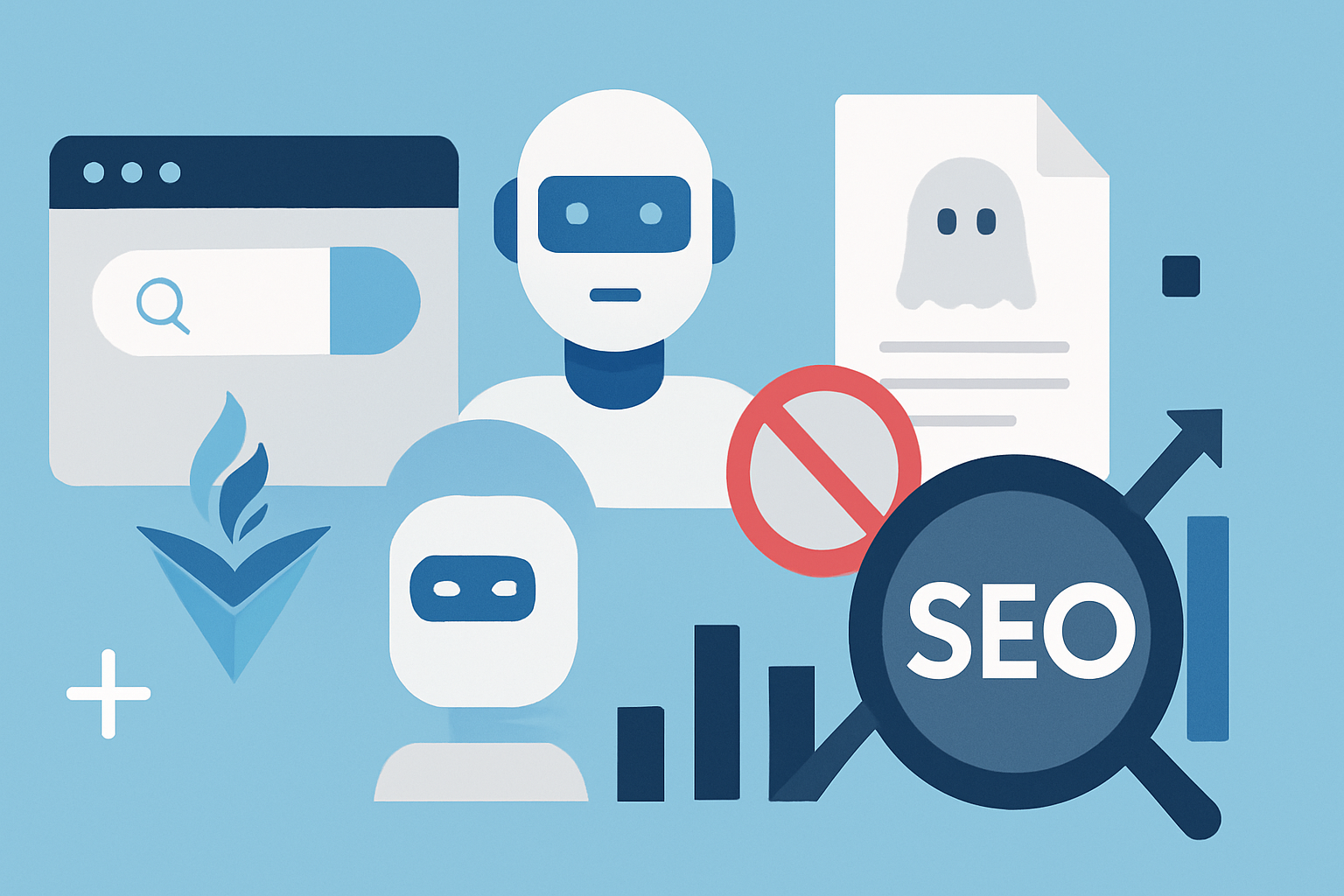
The DesignRush SEO Roundup for March highlights three developments that should shape short-term SEO work: Google’s March spam update, the rising use of AI to create titles, and the problem of ghost citations. The piece frames those items as priorities and offers practical guidance to adjust content, links, titles, and monitoring practices.
Key takeaways
- Google’s March spam update is aimed at removing spammy content and can negatively affect sites that rely on low-quality backlinks or low-value content.
- AI-generated titles are being used to optimize keywords, boost click-through rates, and support title personalization and performance testing.
- Ghost citations are references that no longer link back to the original source; they harm credibility and search performance and require regular link audits and updates.
- The roundup’s recommended actions include conducting periodic content audits, prioritizing backlinks from reputable sources, improving site navigation and load speed, and monitoring engagement metrics to refine strategy.
Explained: DesignRush SEO Roundup March Insights and Analysis
In today's fast-paced digital marketing landscape, staying updated with the latest SEO trends is crucial for maintaining a competitive edge. The DesignRush SEO Roundup March provides invaluable insights into the latest algorithm updates, AI integration in SEO, and evolving citation practices. This comprehensive analysis not only highlights key changes but also offers actionable takeaways to enhance your search engine optimization strategies. Dive into this detailed exploration to discover how the March updates can impact your SEO efforts and what steps you can take to adapt effectively.
1. Understanding the DesignRush SEO Roundup March
The DesignRush SEO Roundup March offers a deep dive into the significant updates and trends that have emerged over the past month. This edition focuses on three major areas: the March spam update, the rise of AI-generated titles, and the phenomenon of ghost citations. Each of these components plays a critical role in shaping the SEO landscape, and understanding them is vital for any digital marketer or business owner.
- March Spam Update: Google's latest algorithm update targets spammy content more aggressively, making quality content even more essential.
- AI-Generated Titles: AI is increasingly used to create optimized titles, enhancing click-through rates and search visibility.
- Ghost Citations: This refers to citations that no longer link back to the source, affecting the credibility of the content.
For further insights into optimizing your content strategy, check out Mastering SEO Workflows Content B2B: A Guide for Founders.
2. March Spam Update: Implications and Strategies
The March spam update by Google is a significant shift aimed at refining the quality of search results. This update focuses on eliminating spammy content, which could impact sites relying on low-quality backlinks or content. It emphasizes the importance of high-quality, relevant content and the need for genuine backlinks.
To navigate these changes effectively, consider implementing the following strategies:
- Content Quality: Ensure your content is informative, engaging, and answers users' queries comprehensively.
- Link Building: Focus on acquiring backlinks from reputable sources. Avoid link farms and irrelevant links.
- User Experience: Enhance site navigation and load speeds to improve user retention and satisfaction.
For more on adapting to algorithm changes, visit Google's Search Central.
3. AI Titles: Revolutionizing SEO Strategies
Artificial Intelligence is transforming SEO practices, particularly in creating effective titles. AI-generated titles can optimize for keywords, improve click-through rates, and enhance user engagement. This trend is part of the broader move towards AI-driven content strategies, offering precision in targeting and personalization.
Incorporating AI in your title creation process involves:
- Keyword Optimization: Use AI tools to identify and integrate high-performing keywords.
- Personalization: Tailor titles to match user intent and search behavior.
- Performance Analysis: Utilize AI to monitor title effectiveness and make data-driven adjustments.
Explore the future of AI in content marketing in our AI and the Future of Content Marketing: A Dynamic Discussion.
4. Ghost Citations: Impact and Management
Ghost citations, or instances where a citation no longer links back to the original source, pose a challenge to content credibility. This issue affects both SEO ranking and trustworthiness, as search engines and users rely on these links for verification.
- Maintain Link Validity: Regularly audit your content to ensure all citations are active and accurate.
- Update Resources: Replace outdated or broken links with current, reputable sources.
For tips on maintaining robust content systems, check out LinkedIn Content Systems for Consultants: A Complete Guide.
5. Best Practices for Leveraging DesignRush SEO Roundup March Insights
To maximize the benefits of the DesignRush SEO Roundup March, it is essential to integrate the insights into your ongoing SEO strategy. Here are some best practices to consider:
- Regular Updates: Stay informed about the latest SEO trends and algorithm changes.
- Content Audit: Conduct periodic audits to ensure all content is relevant, updated, and effectively optimized.
- Engagement Metrics: Use analytics to measure user engagement and refine content strategies accordingly.
For comprehensive SEO strategies, explore ContentPod.
6. Common Mistakes and Challenges in Implementing SEO Changes
Adapting to SEO updates can be fraught with challenges. Common mistakes include ignoring algorithm changes, over-relying on outdated strategies, and insufficiently monitoring performance metrics. These missteps can lead to suboptimal search visibility and engagement.
- Stay Updated: Regularly follow SEO news and updates to keep your strategies relevant.
- Monitor Performance: Use tools like Google Analytics to track your SEO performance and make data-driven improvements.
For additional resources, visit Search Engine Land.
Conclusion: Making the Most of DesignRush SEO Roundup March
In conclusion, the DesignRush SEO Roundup March provides valuable insights into the evolving SEO landscape. By understanding and implementing the updates on spam control, AI titles, and managing ghost citations, you can enhance your SEO strategies effectively. Leveraging these insights will not only improve your site's search visibility but also strengthen its credibility and user engagement. For further guidance, consider exploring the resources and expertise offered by ContentPod.
Frequently Asked Questions
What is the DesignRush SEO Roundup March?
The DesignRush SEO Roundup March is a comprehensive analysis of recent SEO trends and updates, focusing on algorithm changes, AI integration, and citation practices. It provides actionable insights for optimizing search strategies.
How do AI-generated titles impact SEO?
AI-generated titles optimize keyword integration and personalize content, improving click-through rates and enhancing search visibility. They allow for more precise targeting and data-driven adjustments in SEO strategies.
What are ghost citations, and why do they matter?
Ghost citations refer to citations that no longer link back to the original source, impacting content credibility and SEO ranking. Maintaining active, accurate citations is crucial for search engine trustworthiness and user confidence.
References & Further Reading
Put this into practice
Share this post
You Might Also Like
Discover more content tailored to your interests
 Highly Relevant
seo workflows content saas: practical 30-day plan guide
A 30-day operational system turns AI-assisted drafts into search-performing SaaS content by creating a repeatable pipeline with weekly checkpoints. Focus the month on building a research spine, validating intent, and establishing measurement so you publish fewer low-performing posts and more useful articles.
Read More Highly Relevant
first time country seoul: Seoul AI Rights Explained
Seoul is promoting an AI Basic Rights framework that defines protections for residents when AI affects public services, decisions, and daily life. The initiative aims to turn abstract ethics principles into clear, resident-facing rights people can use to get notice, explanation, correction, or human review of automated decisions.
Read More Highly Relevant
SEO workflows for content marketing: mistakes to avoid
Consistent SEO results from AI-assisted content require a documented editorial workflow that enforces research, subject-matter review, and a plan for ongoing updates. Treat AI as one input in that workflow, not a shortcut that replaces briefs, editing, and accountability.
Read MoreReady to create amazing podcast content?
Choose a plan and start generating professional podcast content with AI
View Pricing Plans