Explained: How Brands Using AI-Generated Influencers Are Shaping Social Media
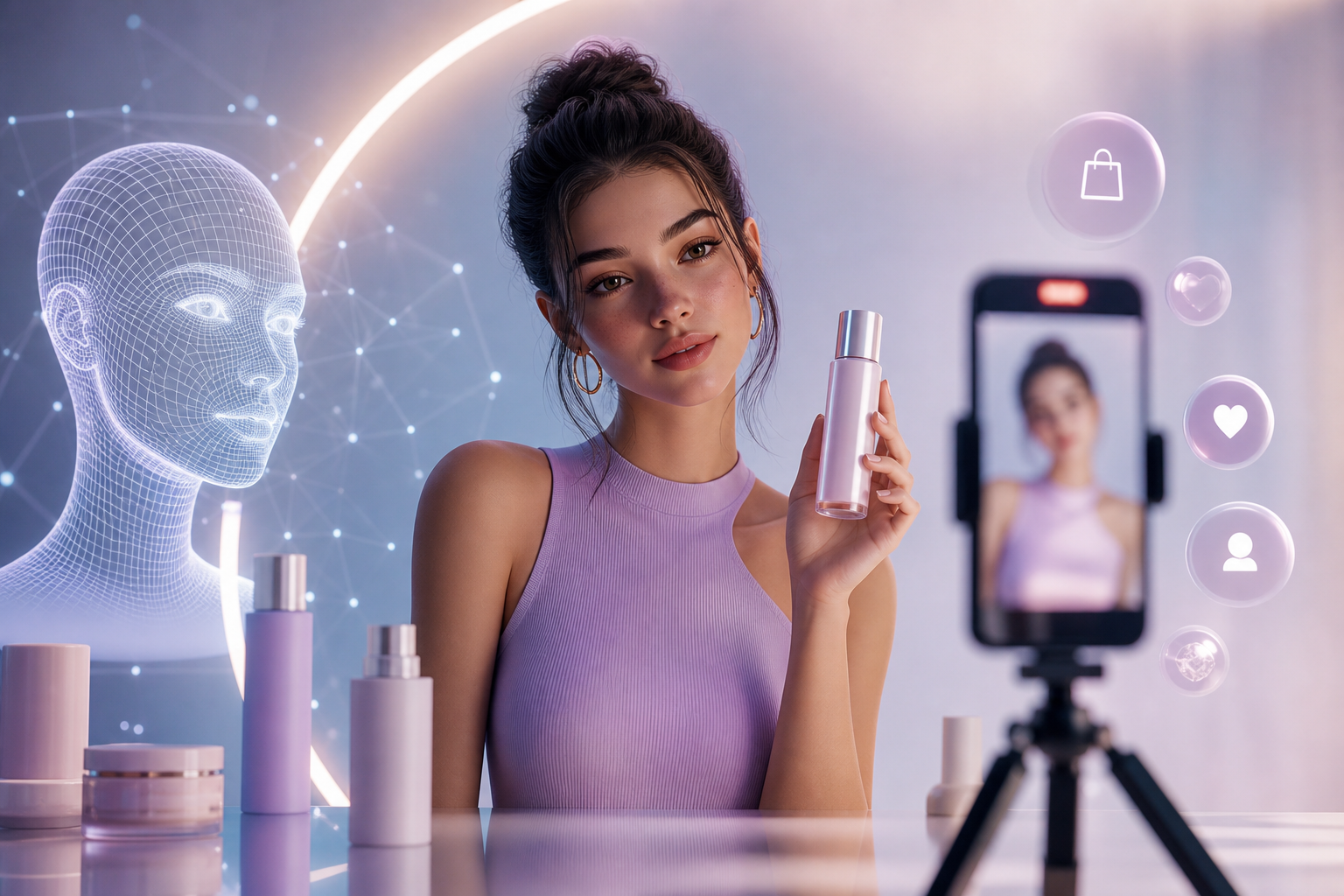
Brands are using AI-generated influencers to replace or supplement human creators so they can deliver consistent, tailored brand messages on social platforms while lowering costs and staying active around the clock. These digital personas are designed to match brand aesthetics and can learn from interactions to improve relevance.
Key takeaways
- AI-generated influencers include named examples such as Lil Miquela and are built with personalities and styles curated to match brand values.
- Brands including Balmain, Prada, KFC, and Coca-Cola have used AI models or AI-generated personas to promote collections, create personalized video content, or run campaign-specific accounts.
- The technology behind these influencers uses machine learning and advanced graphic design tools to create lifelike personas that can adapt their communication style based on audience interactions.
- Recommended practices are to align the AI influencer's persona with brand strategy, use data analytics to refine interactions, and regularly update the AI based on audience feedback.
- Key challenges are ethical concerns about being clear that an influencer is artificial, the risk of audience backlash if audiences feel deceived, and the technical need to maintain the AI's learning and adaptability.
Explained: How Brands Using AI-Generated Influencers Are Shaping Social Media
As traditional influencer marketing reaches saturation, brands are turning to a novel approach: brands using AI-generated influencers to engage audiences on social media. This technological innovation addresses the challenges of human influencer inconsistencies and the increasing demand for unique content. By leveraging AI, companies are crafting influencers that are not only highly tailored but also efficient in maintaining brand messaging across platforms. In this article, we delve into how brands are strategically deploying AI-generated influencers, the implications for social media marketing, and what this means for the future of digital engagement. For a deeper understanding of the current landscape, you can refer to this news article.
1. The Rise of AI-Generated Influencers in Marketing
In the competitive realm of digital marketing, brands using AI-generated influencers are gaining traction by offering innovative ways to interact with audiences. AI-generated influencers, like Lil Miquela, have become household names. These digital personas are designed to engage audiences with unique personalities and styles, curated to match brand values.
- Cost Efficiency: AI influencers reduce costs associated with human influencers, such as travel, accommodations, and talent fees.
- Consistency in Messaging: They ensure a uniform brand message across all platforms without the variability of human behavior.
- 24/7 Availability: Unlike human influencers, AI personas can engage with audiences at any time, increasing brand interaction.
For more insights into AI's role in marketing, you might find this ContentPod article helpful.
2. How Brands Are Successfully Using AI-Generated Influencers
Several brands have already embraced AI-generated influencers to enhance their marketing strategies. For instance, luxury fashion brands like Balmain have created their own AI models to showcase new collections. These digital influencers are not only engaging but also align perfectly with the brand's aesthetic, thus reinforcing brand identity. The ability to tailor these influencers to specific campaigns allows for precise targeting and personalization.
For a detailed exploration of how AI is being integrated into marketing strategies, consider reading the step-by-step playbook for interview-based content marketing.
3. The Technology Behind AI-Generated Influencers
The creation of AI-generated influencers involves sophisticated technology, including machine learning algorithms and advanced graphic design tools. These technologies enable the creation of lifelike personas that can interact with audiences in a human-like manner. They are capable of learning from interactions and adapting their communication style to better resonate with their audience. This adaptability is critical for maintaining engagement and relevance.
To understand the broader implications of AI in business, you might find value in the Future of AI in Business: From Hype to Reality interview.
4. Real-World Examples of AI-Generated Influencer Campaigns
Numerous brands have already launched successful campaigns using AI-generated influencers. For example, KFC has used an AI-generated Colonel Sanders to promote its products on Instagram, blending humor and brand storytelling to capture audience attention.
- Example 1: Prada's AI model, who interacts with followers and promotes new collections in a way that aligns with the brand's luxury image.
- Example 2: Coca-Cola's use of AI influencers to create personalized video content for a younger audience, driving engagement through interactive storytelling.
For more examples of AI in content repurposing, see how B2B founders maximize growth with AI-assisted content repurposing.
5. Strategic Advantages and Best Practices for Brands
Brands using AI-generated influencers can significantly enhance their marketing strategies if implemented correctly. Here are some best practices:
- Integration with Brand Strategy: Ensure that the AI influencer's persona aligns with your brand values and messaging.
- Utilize Data Analytics: Leverage data to continuously refine the influencer's interactions and improve engagement.
- Monitoring and Adaptation: Regularly update the AI's capabilities based on audience feedback to maintain relevance.
For more strategic insights, visit ContentPod.
6. Challenges and Considerations in Using AI-Generated Influencers
While the benefits are substantial, there are challenges that brands must navigate when using AI-generated influencers. These include ethical considerations, such as transparency about the influencer's artificial nature, and the potential for backlash if audiences feel deceived. Moreover, technical challenges related to AI learning and adaptability need to be constantly managed.
For further reading on overcoming marketing challenges, explore this Content Marketing Institute article.
Conclusion: Making the Most of Brands Using AI-Generated Influencers
As we move further into 2026, brands using AI-generated influencers continue to redefine the dynamics of social media marketing. The combination of cost-effectiveness, consistency, and innovative engagement strategies positions AI-generated influencers as a formidable tool in a brand's marketing arsenal. By integrating these digital personas thoughtfully, brands can enhance their reach and resonance across digital channels. For more information on leveraging AI in your marketing strategy, consider exploring ContentPod.
Frequently Asked Questions
What are brands using AI-generated influencers?
These are companies that employ digital personas created with artificial intelligence to represent their brand on social media. These AI influencers are designed to engage with audiences through content that aligns with brand messaging.
How do AI-generated influencers benefit brands?
AI influencers offer consistency in brand messaging, cost savings, and the ability to engage audiences around the clock. They can be tailored to match specific brand strategies, enhancing personalization and targeting.
What are the challenges of using AI-generated influencers?
Challenges include ethical concerns about transparency and the need for ongoing technical updates to maintain engagement and relevance. Brands must carefully manage these aspects to avoid audience alienation.
References & Further Reading
Share this post
You Might Also Like
Discover more content tailored to your interests
 Highly Relevant
Newsletter Growth Marketing Teams: Practical Playbook
A newsletter growth marketing team is a repeatable operating model that combines audience targeting, signup conversion, editorial planning, and performance review into one shared workflow to attract qualified subscribers, retain attention, and produce measurable business results. For the model to work, teams must define a clear audience and a primary growth outcome before deploying tactics.
Read More Highly Relevant
Content calendar planning for B2B: mistakes to avoid
Align your calendar to recurring buyer questions and buying-stage needs so each asset helps prospects compare options, reduce implementation risk, or move closer to purchase. Pick a sustainable cadence of fewer, stronger pieces and make the calendar a repeatable operating system rather than a collection of urgent one-offs.
Read More Highly Relevant
newsletter growth saas companies complete guide 2026
Newsletter growth for SaaS means growing qualified email subscribers who support activation, retention, pipeline, and revenue rather than chasing list size alone. The most effective approach pairs a clear subscriber promise with targeted signup paths, useful content and segmentation, and measurement that links to business outcomes.
Read MoreReady to create amazing podcast content?
Choose a plan and start generating professional podcast content with AI
View Pricing Plans