Explained: What Should Your Company Sound Like to Customers?
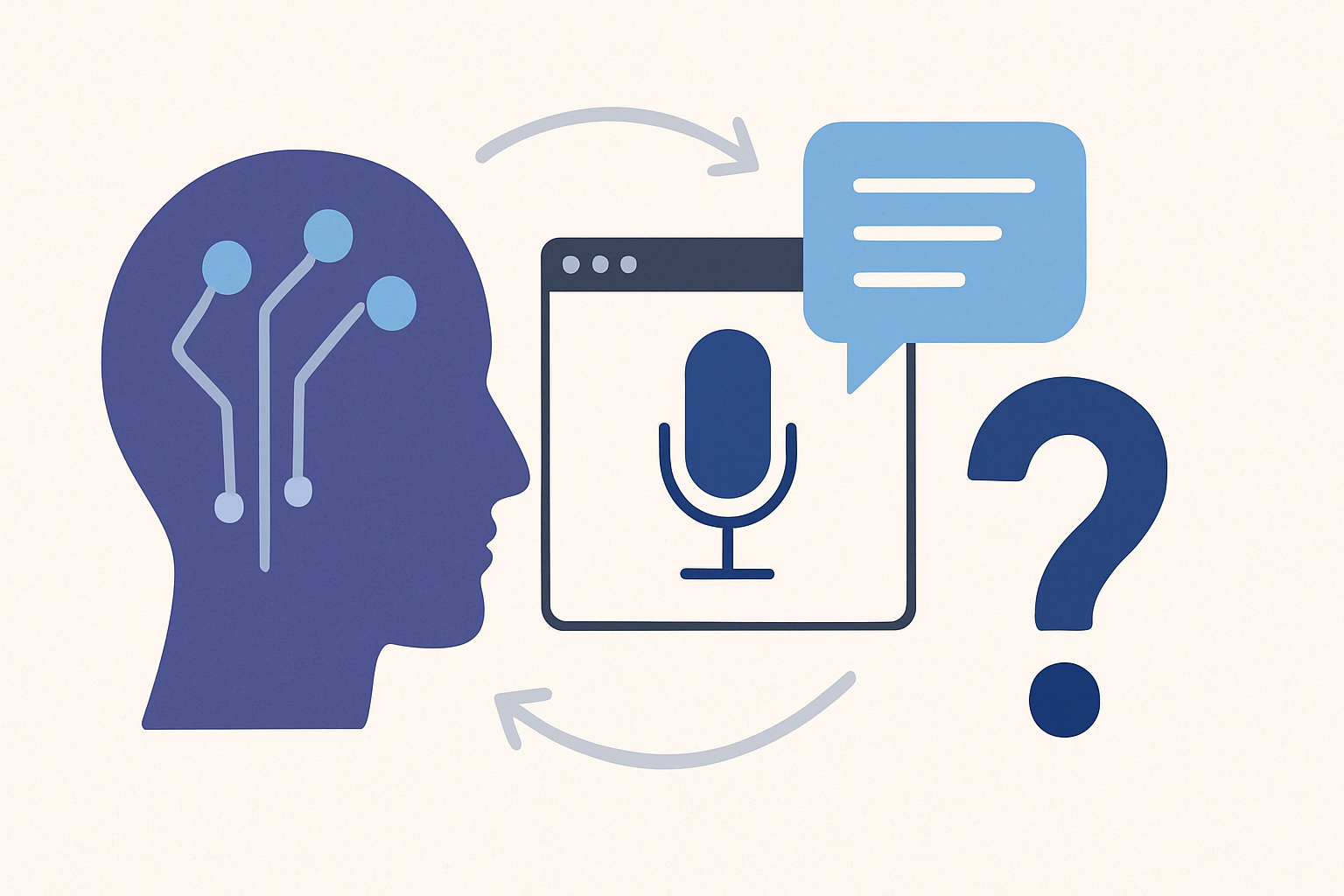
Match your AI voice to your brand identity, target audience and the interaction context. Test the voice with real users, account for cultural and language differences where relevant, and revise the voice as your brand strategy changes.
Key takeaways
- The way an AI voice sounds influences customer perception and should reflect the company's values and mission.
- Industry and audience shape tone: healthcare examples call for compassionate and reassuring voices, while financial services often require a professional, authoritative tone.
- Apple's Siri and Amazon's Alexa are cited as examples of successful implementations: Siri is friendly and informative; Alexa is conversational and approachable.
- Design best practices are to align the voice with brand identity, run iterative user testing to refine it, and consider regional cultural and language nuances.
- Common mistakes include selecting a voice that conflicts with the brand, ignoring user feedback, and failing to update the voice as brand strategies evolve.
As artificial intelligence (AI) becomes more integrated into our daily lives, businesses are increasingly faced with the challenge of deciding how their AI interfaces should sound to their customers. The question of "should your company sound like a friendly assistant or a professional consultant?" is not trivial. Companies need to carefully consider their brand image, target audience, and the context in which their AI will be used. In this article, we'll explore key considerations and strategies to help you determine how your AI should sound, ensuring it aligns with your brand and meets customer expectations. Read more about the evolving role of AI in business communication.
1. Why Should Your Company Sound a Certain Way?
The way your AI sounds can significantly influence customer perception and interaction. It is crucial to decide on a voice that reflects your company's values and mission. The question of "should your company sound friendly or formal" hinges on several factors including your industry, target demographic, and the emotional tone you wish to convey. For instance, a healthcare company's AI might need to sound compassionate and reassuring, while a financial services firm might opt for a more professional and authoritative tone.
- Practical point 1: Determine your brand voice and ensure consistency across all platforms.
- Practical point 2: Consider the emotional impact of your AI's voice on users.
- Practical point 3: Align the AI voice with customer service goals to enhance user experience.
2. How to Define Your AI’s Sound
Defining how your AI should sound involves understanding your audience and the context of interactions. Conducting thorough audience analysis is crucial. For example, if your target audience is tech-savvy millennials, your AI might leverage a more casual and engaging tone. Conversely, if serving an older demographic, a clear and straightforward voice might be more effective. Leverage insights from optimizing LinkedIn content systems to tailor your AI's communication strategy effectively.
3. The Role of AI Voice in Brand Identity
Your AI's voice is an extension of your brand identity, and it should convey the same values and personality. A consistent voice can strengthen brand recognition and customer loyalty. Consider how brands like Apple and Google use distinctive AI voices to enhance their brand narratives. The voice should be a seamless part of your brand story, enhancing the overall customer experience. For insights into AI's impact on brand identity, consider reading Unlocking Local Visibility: AI's Role in Business Content.
4. Examples of Successful AI Voice Implementations
Many companies have successfully implemented AI voices that resonate well with their audiences. For instance, Apple's Siri provides a friendly yet informative voice that aligns with their innovative brand image. Similarly, Amazon's Alexa offers a conversational tone that fits its role as a household assistant. These examples highlight the importance of aligning AI voice with brand strategy. For a deeper dive into successful AI implementations, you can explore successful AI investments and their market impact.
- Example 1: Apple's Siri - A friendly and informative AI voice that complements Apple's innovative image.
- Example 2: Amazon's Alexa - A conversational and approachable tone suitable for household use.
5. Best Practices for Designing AI Voice
When designing your AI's voice, there are several best practices to consider. First, ensure that the voice reflects your brand's personality and values. Second, test the voice with real users to gather feedback and make necessary adjustments. Third, consider the cultural context and language nuances if your company operates in multiple regions. For further guidance, visit ContentPod for resources on creating effective AI strategies.
- Best Practice 1: Align AI voice with brand identity and customer expectations.
- Best Practice 2: Use iterative testing to refine the voice based on user feedback.
- Best Practice 3: Be mindful of cultural differences and language nuances.
6. Challenges and Mistakes to Avoid
Implementing an AI voice is not without challenges. Common mistakes include choosing a voice that does not align with the brand, failing to consider user feedback, and neglecting to update the voice as brand strategies evolve. Overcoming these obstacles involves ongoing testing and refinement. Learn more about avoiding such pitfalls by exploring OpenAI's insights into AI development.
Conclusion: Making the Most of Should Your Company Sound
In conclusion, determining how should your company sound to customers is a crucial aspect of your brand strategy. By aligning your AI voice with your brand identity and customer expectations, you can enhance customer experiences and strengthen brand loyalty. As you navigate this journey, consider leveraging resources from ContentPod to stay informed about the latest trends and strategies in AI voice design.
Frequently Asked Questions
What is should your company sound?
"Should your company sound" refers to the strategic decision-making process regarding the tone and personality of a company's AI voice, ensuring it aligns with brand identity and customer expectations.
How can I determine how should your company sound?
To determine your company's AI sound, conduct audience analysis, align the voice with brand values, and test with real users to gather feedback for refinement.
Why is it important for should your company sound to align with brand identity?
Alignment ensures consistency across all customer interactions, enhancing brand recognition, trust, and loyalty among customers.
References & Further Reading
- Evolving Role of AI in Business Communication
- OpenAI Blog on AI Development
- NIST on AI Standards and Guidelines
- Anthropic's Blog on AI Ethics and Applications
Put this into practice
Share this post
You Might Also Like
Discover more content tailored to your interests
 Highly Relevant
How to Write Thought Leadership Content People Actually Read
How to write thought leadership content starts with a narrow point of view, original material from your real experience, and a structure that makes the main claim clear in the first few lines.
Read More Highly Relevant
8 Thought Leadership Content Examples That Work
Thought leadership content examples are posts, articles, interview-based pieces, and opinion-driven frameworks that teach something specific from firsthand experience and give readers a clearer way to think about a problem.
Read More Highly Relevant
How AI Technical Debt Problems Spread Through Codebases
AI technical debt problems are the maintenance, reliability, security, and architecture costs that build up when AI systems generate code faster than teams can review, test, document, and own it.
Read MoreReady to create amazing podcast content?
Choose a plan and start generating professional podcast content with AI
View Pricing Plans