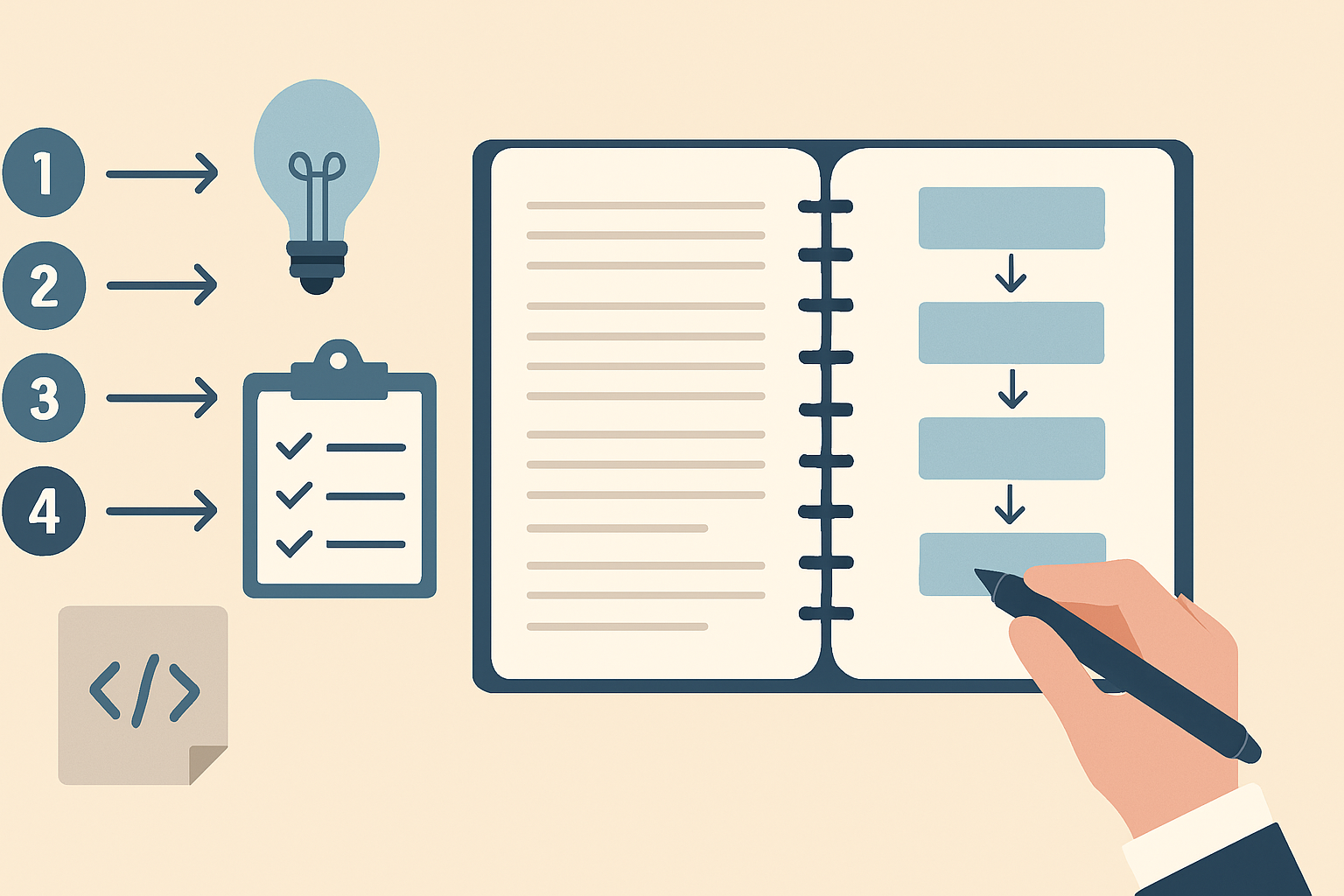
Effective step-by-step guides lead readers to a specific outcome by breaking a process into clear, sequential steps tailored to the reader's skill level. Use concise, plain language and logical sequencing so each step follows naturally from the last.
Key takeaways
- Start with a clear goal that defines what the reader will achieve by the end of the guide.
- Know your audience and tailor language and examples to their level of expertise.
- Use visuals such as diagrams, screenshots, and videos to enhance understanding.
- Add engagement features like quizzes, interactive checkpoints, feedback options, and real-world examples to reinforce learning.
- Keep formatting consistent, test each step to confirm it works, and update guides regularly to maintain relevance.
In today's digital age, creating effective content is paramount for engaging audiences and driving traffic. One of the most impactful content forms is the step-by-step guide. These guides are invaluable in helping readers understand complex topics through simple, digestible instructions. In this comprehensive article, we will delve into the nuances of step-by-step guide writing, exploring its importance, the framework for creating them, and how you can make your guides stand out. Whether you're new to how-to writing or looking to refine your skills, this guide is your roadmap to success. For more insights into content strategies, consider exploring Moz's Guide to SEO.
1. Understanding the Basics of Step-by-Step Guide Writing
At its core, step-by-step guide writing is about clarity and precision. A well-crafted guide should lead the reader through a process seamlessly, ensuring they can follow along without confusion. This requires a deep understanding of the topic and the ability to break it down into manageable steps.
- Practical point 1: Start with a clear goal. Define what you want the reader to achieve by the end of the guide.
- Practical point 2: Know your audience. Tailor your language and examples to suit their level of expertise.
- Practical point 3: Use visuals. Diagrams, screenshots, and videos can significantly enhance understanding.
For a deeper dive into creating visual guides, consider reading Creating Impactful Visual How-To Guides with Screenshots.
2. Crafting Effective Steps in Step-by-Step Guide Writing
The heart of any guide lies in its steps. They should be easy to follow and logically structured. This involves instructional design principles that ensure clarity and coherence.
- Clarity: Use simple language. Avoid jargon unless absolutely necessary, and always explain terms.
- Order: Sequence your steps logically. Each step should naturally lead to the next.
- Detail: Be specific but concise. Provide enough detail for understanding without overwhelming the reader.
For more on effective instructional design, check out Instructional Design Central. Additionally, our article on Achieving 10x Content Velocity: The AI-Powered Content Strategy offers insights into optimizing content creation processes.
3. Enhancing Engagement with Tutorial Writing Techniques
Engagement is crucial in tutorial writing. You need to capture and maintain the reader's interest throughout the guide. Incorporating interactive elements and encouraging active participation can significantly boost engagement.
- Interactive Elements: Use quizzes or interactive checkpoints to reinforce learning.
- Feedback Loops: Allow readers to comment or ask questions, fostering a community around your content.
- Real-World Examples: Include case studies or testimonials to show practical applications of the guide's content.
Explore the role of AI in enhancing content engagement in our AI and the Future of Content Marketing: A Dynamic Discussion.
4. Examples of Successful Step-by-Step Guide Writing
Learning from successful examples can provide valuable insights into effective guide writing. Let's explore a few real-world applications that have set the benchmark for guide creation.
- Example 1: The "Beginner's Guide to SEO" by Moz is a classic example of a step-by-step guide that breaks down complex SEO strategies into manageable steps.
- Example 2: HubSpot's "How to Create a Social Media Strategy" guide offers a comprehensive roadmap for businesses looking to enhance their social media presence.
For more on boosting visibility, consider our insights in Boosting Your Visibility with FAQ Page SEO.
5. Best Practices for Effective Step-by-Step Guide Writing
To excel in step-by-step guide writing, adhering to best practices is essential. These practices ensure your guides are not only informative but also engaging and actionable.
- Best Practice 1: Start with a strong introduction. Clearly state the purpose and what the reader will achieve.
- Best Practice 2: Use consistent formatting. Uniform headings, bullet points, and fonts aid readability.
- Best Practice 3: Regularly update your guides. Ensure the content remains relevant as industries and technologies evolve.
For more strategies on maintaining content relevance, visit ContentPod.
6. Common Mistakes and Challenges in Step-by-Step Guide Writing
Even seasoned writers can fall into common traps when creating guides. Being aware of these mistakes and learning how to overcome them is crucial for effective guide writing.
- Avoiding Overwhelm: Keep each step focused. Too much information can overwhelm the reader.
- Consistency: Ensure consistency in terminology and formatting throughout the guide.
- Testing: Always test your guides to ensure they work as intended, correcting any errors or ambiguities.
For further reading on common pitfalls in content creation, explore SEMrush's resources.
Conclusion: Making the Most of Step-by-Step Guide Writing
Step-by-step guide writing is a powerful tool for educating and engaging your audience. By following the frameworks and best practices outlined in this article, you can create guides that are not only informative but also enjoyable to read. Remember to continuously refine your skills and adapt to new trends in content creation. For more on enhancing content strategies, visit ContentPod and explore our diverse range of articles.
Frequently Asked Questions
What is step-by-step guide writing?
Step-by-step guide writing involves creating detailed instructions that lead the reader through a process in a clear and logical manner. It is designed to break down complex tasks into simple, manageable steps.
How can I improve my step-by-step guide writing?
Focus on clarity, structure, and engagement. Use visuals to enhance understanding, and continuously seek feedback to refine your guides. Regular updates ensure your content remains relevant.
Why are visual aids important in step-by-step guides?
Visual aids such as diagrams and screenshots help illustrate complex points, making the guide easier to understand and follow. They cater to visual learners and enhance overall engagement.
References & Further Reading
- Beginner's Guide to SEO - moz.com
- Marketing Statistics 2025 - hubspot.com
- Instructional Design Central - instructionaldesign.org
- SEMrush Resources - semrush.com
Put this into practice
Share this post
You Might Also Like
Discover more content tailored to your interests
 Highly Relevant
SEO Workflows Content SaaS: Practical 30-Day Plan Guide
A 30-day operational system turns AI-assisted drafts into search-performing SaaS content by creating a repeatable pipeline with weekly checkpoints. Focus the month on building a research spine, validating intent, and establishing measurement so you publish fewer low-performing posts and more useful articles.
Read More Highly Relevant
SEO Workflows for Content Consultants: Step-by-Step Playbook
Build a documented, repeatable workflow that combines human judgment and AI so you can research topics, write and brief reliably, review factual accuracy, optimize for search intent, and publish with clear acceptance criteria. That system makes content that ranks, connects to your services, and is easier to maintain week to week.
Read More Highly Relevant
SEO Workflows for Content Marketing: Mistakes to Avoid
Consistent SEO results from AI-assisted content require a documented editorial workflow that enforces research, subject-matter review, and a plan for ongoing updates. Treat AI as one input in that workflow, not a shortcut that replaces briefs, editing, and accountability.
Read MoreReady to create amazing podcast content?
Choose a plan and start generating professional podcast content with AI
View Pricing Plans