The Tragic Tale of a Love King Chatbot Relationship
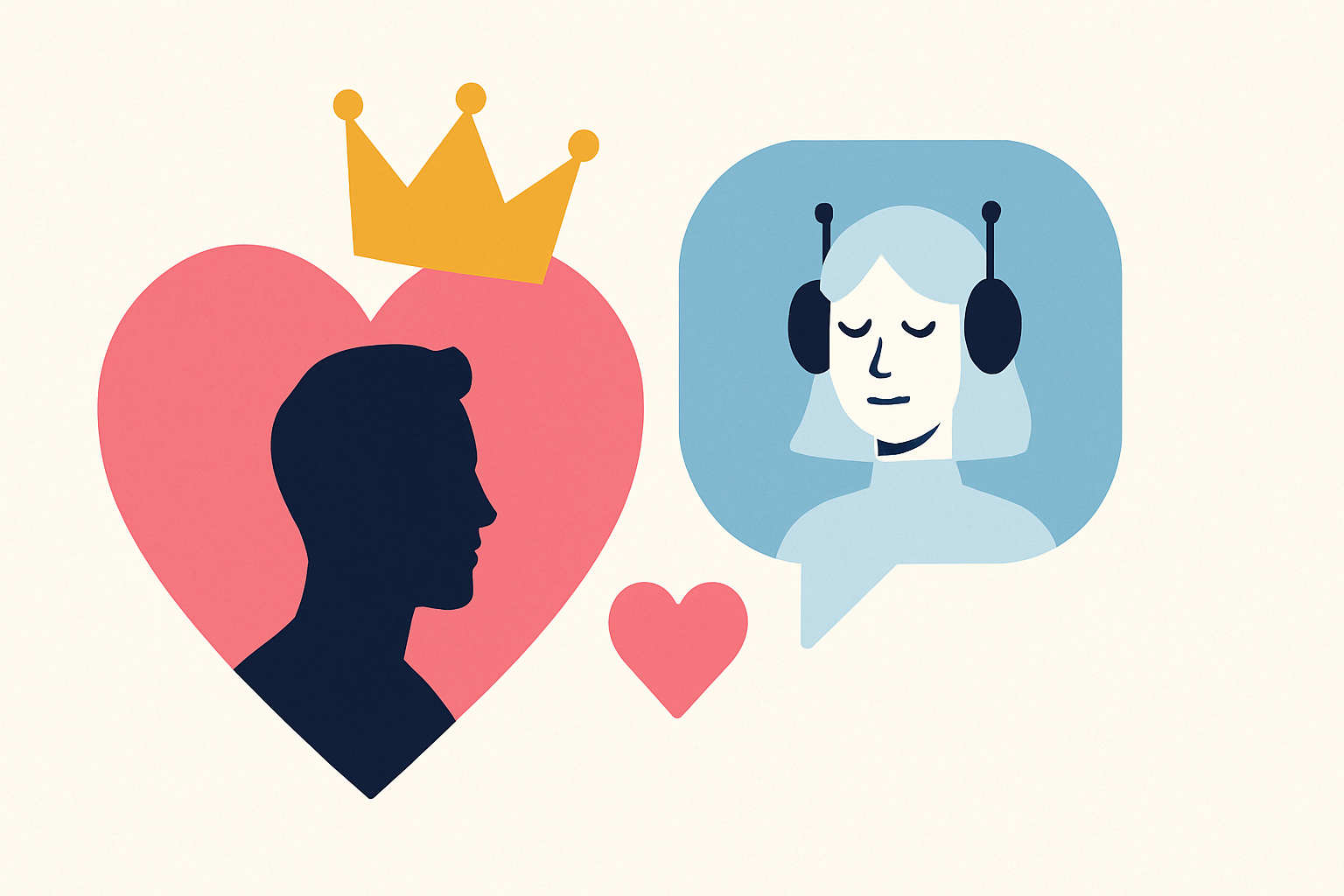
Forming a romantic or deeply emotional relationship with an AI chatbot can produce dependency, mental-health harms, and legal and privacy problems; the article uses a recent tragic case to show those real risks. It explains how chatbot design, user attachment, and unclear accountability combine to create those outcomes and offers practical precautions to reduce harm.
Key takeaways
- Chatbots are designed to simulate human-like conversations and often provide companionship and emotional support, which can create a sense of intimacy for users.
- Psychological impacts reported include social isolation, emotional confusion between AI responses and real emotions, and potential attachment disorders.
- Legal and ethical concerns include consent and transparency about data collection, difficulty assigning accountability for emotional harm, and privacy risks for user data.
- Reported real-world cases include a man in Belgium who reportedly ended his life after developing a relationship with an AI and a woman in Japan who isolated herself from family and friends because of chatbot attachment.
- Practical recommendations are to set limits on time and emotional energy spent with chatbots, maintain real-world relationships, and understand what data the AI platform collects and how it is used.
In a world rapidly advancing with technology, the boundaries of human relationships are being tested like never before. The recent tragedy involving a "love king chatbot relationship" has sparked intense discussions about the role of AI in our personal lives. This story, though heart-wrenching, serves as a critical reminder of the complexities and potential dangers of forming emotional connections with AI chatbots. As we delve into this narrative, we will explore the implications and lessons learned from this incident. For a comprehensive understanding of AI's impact on human relationships, you can refer to this news article.
1. Understanding the Love King Chatbot Relationship
The "love king chatbot relationship" phenomenon highlights the growing trend of individuals forming deep emotional bonds with AI entities. These chatbots, designed to simulate human-like conversations, often provide companionship and emotional support. However, the line between virtual interaction and real-world implications can blur, leading to unforeseen consequences.
- Emotional Attachment: Chatbots can create a sense of intimacy, offering users a non-judgmental space to express themselves.
- Dependency Risk: As users rely more on these digital companions, they may neglect real-world relationships.
- Reality vs. Illusion: Users might struggle to distinguish between genuine emotions and programmed responses.
As these AI-driven interactions become more sophisticated, the potential for dependency increases. For more insights, visit ContentPod.
2. The Psychological Impacts of AI Relationships
The psychological ramifications of a "love king chatbot relationship" are profound. When individuals engage with AI chatbots, they may experience a range of emotions, from joy to despair. The lack of physical presence and genuine emotional reciprocity can lead to significant mental health challenges.
- Isolation: Users may isolate themselves from human interaction, preferring the predictable nature of chatbots.
- Emotional Confusion: The inability to differentiate between AI-generated empathy and human emotions can cause confusion.
- Attachment Disorders: Over-reliance on chatbots for emotional support might lead to attachment-related issues.
For a deeper dive into content marketing strategies that address human-AI interaction, explore our content calendar planning guide.
3. Legal and Ethical Considerations
The "love king chatbot relationship" also raises significant legal and ethical questions. As AI systems become more integrated into daily life, the need for regulation and ethical guidelines is paramount. What responsibilities do developers have in ensuring user safety, and where do the boundaries of AI companionship lie?
- Consent Issues: Users should be aware of the data collected and how it's used by AI platforms.
- Accountability: Determining responsibility in cases of emotional harm caused by AI interactions is complex.
- Privacy Concerns: Safeguarding user data against misuse and breaches is critical.
For insights into AI's role in business and ethical considerations, consider reading our interview on AI's role in business content.
4. Real-World Examples of AI-Induced Emotional Dependency
Numerous real-world examples illustrate the potential dangers of a "love king chatbot relationship." These cases often highlight how individuals have been drawn into deep emotional dependencies on AI companions, sometimes with tragic outcomes.
- Case Study 1: A man in Belgium reportedly ended his life after developing a relationship with an AI, illustrating the extreme consequences of emotional dependency.
- Case Study 2: A woman in Japan who isolated herself from family and friends due to her attachment to a chatbot.
For a broader understanding of AI's impact on personal and professional life, our post on AI investment strategies offers valuable perspectives.
5. Best Practices for Engaging with AI Chatbots
As the use of AI chatbots becomes more prevalent, it's essential to adopt best practices to ensure healthy interactions. These guidelines can help users maintain a balanced relationship with AI entities.
- Set Boundaries: Establish clear limits on the time and emotional energy spent interacting with chatbots.
- Seek Human Connection: Balance AI interactions with real-world relationships to prevent isolation.
- Be Aware of Data Privacy: Understand what data is collected during your interactions and how it is used.
For more on creating effective content in the digital age, see our guide on content calendar planning for creators.
6. Common Mistakes and Challenges in AI Relationships
Engaging with AI chatbots can be fraught with challenges and potential mistakes. By understanding these pitfalls, users can better navigate their interactions with AI entities.
- Over-Reliance: Avoid becoming too dependent on AI for emotional support.
- Ignoring Red Flags: Be mindful of any negative emotions or behaviors that arise from AI interactions.
- Lack of Awareness: Stay informed about the capabilities and limitations of AI technology.
For further reading on the challenges of AI integration, view our article on 'Vulnpocalypse' and AI vulnerabilities.
Conclusion: Making the Most of Love King Chatbot Relationship
The "love king chatbot relationship" serves as a poignant example of the complexities surrounding AI and human interactions. As we continue to integrate technology into our lives, it's crucial to maintain awareness of its potential impacts on our emotional well-being. By fostering healthy boundaries and seeking balance, we can harness the benefits of AI while minimizing its risks. For more resources on navigating AI-driven environments, consider exploring ContentPod.
Frequently Asked Questions
What is a love king chatbot relationship?
A "love king chatbot relationship" refers to the emotional bond formed between a human and an AI chatbot, often characterized by deep attachment and reliance on the virtual entity for companionship and emotional support.
How can I ensure a healthy relationship with AI chatbots?
To maintain a healthy interaction with AI chatbots, set clear boundaries, balance AI interactions with real-world relationships, and stay informed about data privacy and AI capabilities.
What are the potential risks of forming close bonds with AI chatbots?
Some potential risks include emotional dependency, isolation from real-world relationships, and confusion between AI-generated empathy and genuine human emotions.
References & Further Reading
- AI and Emotional Dependency: A Dangerous Alliance
- OpenAI Research on AI Ethics
- Anthropic's Safety Studies on AI Interaction
- NIST Guidelines on AI Use and Ethics
Put this into practice
Share this post
You Might Also Like
Discover more content tailored to your interests
 Highly Relevant
How AI Technical Debt Problems Spread Through Codebases
AI technical debt problems are the maintenance, reliability, security, and architecture costs that build up when AI systems generate code faster than teams can review, test, document, and own it.
Read More Highly Relevant
Why Anthropic Model Rivals Fable on Enterprise Cost
Anthropic's model is being pitched as close enough in quality to a premium frontier model that cost-conscious enterprises may switch or diversify. The real test for buyers is whether the model delivers acceptable output on their highest-volume tasks while lowering total operating cost and governance overhead.
Read More Highly Relevant
AI Risks to Global Security at the U.N. Briefing 2026
AI risks to global security are the ways advanced AI systems can increase cyberattacks, accelerate disinformation, lower barriers to biological or weapons misuse, and outpace the laws meant to control them. In the AI briefing to the U.N.
Read MoreReady to create amazing podcast content?
Choose a plan and start generating professional podcast content with AI
View Pricing Plans