Build a repeatable LinkedIn content system to create consistent, engaging content that aligns with your business goals and attracts clients. That system should include a clear audience definition, measurable goals, regular posting, use of LinkedIn formats, and ongoing measurement with analytics.
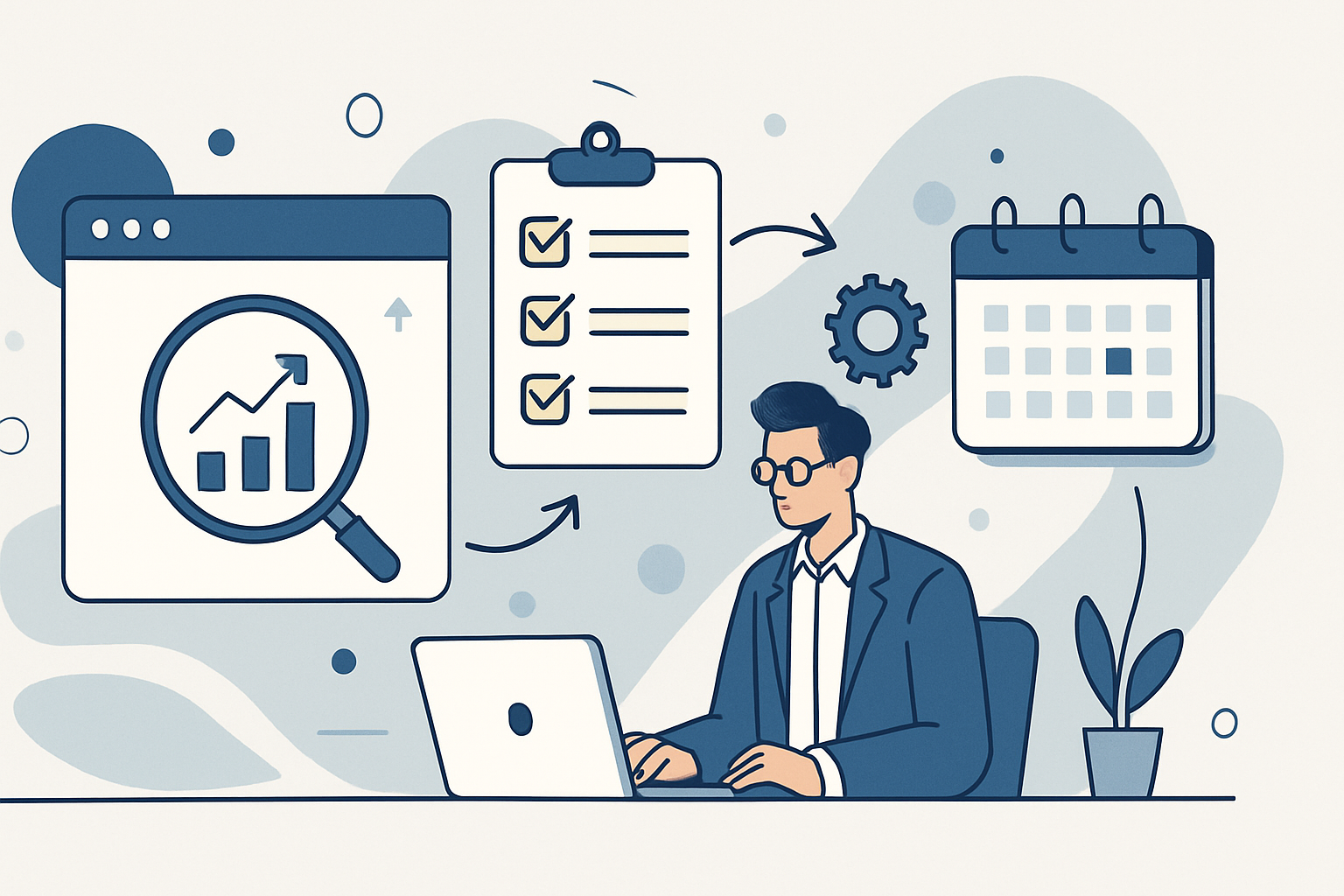
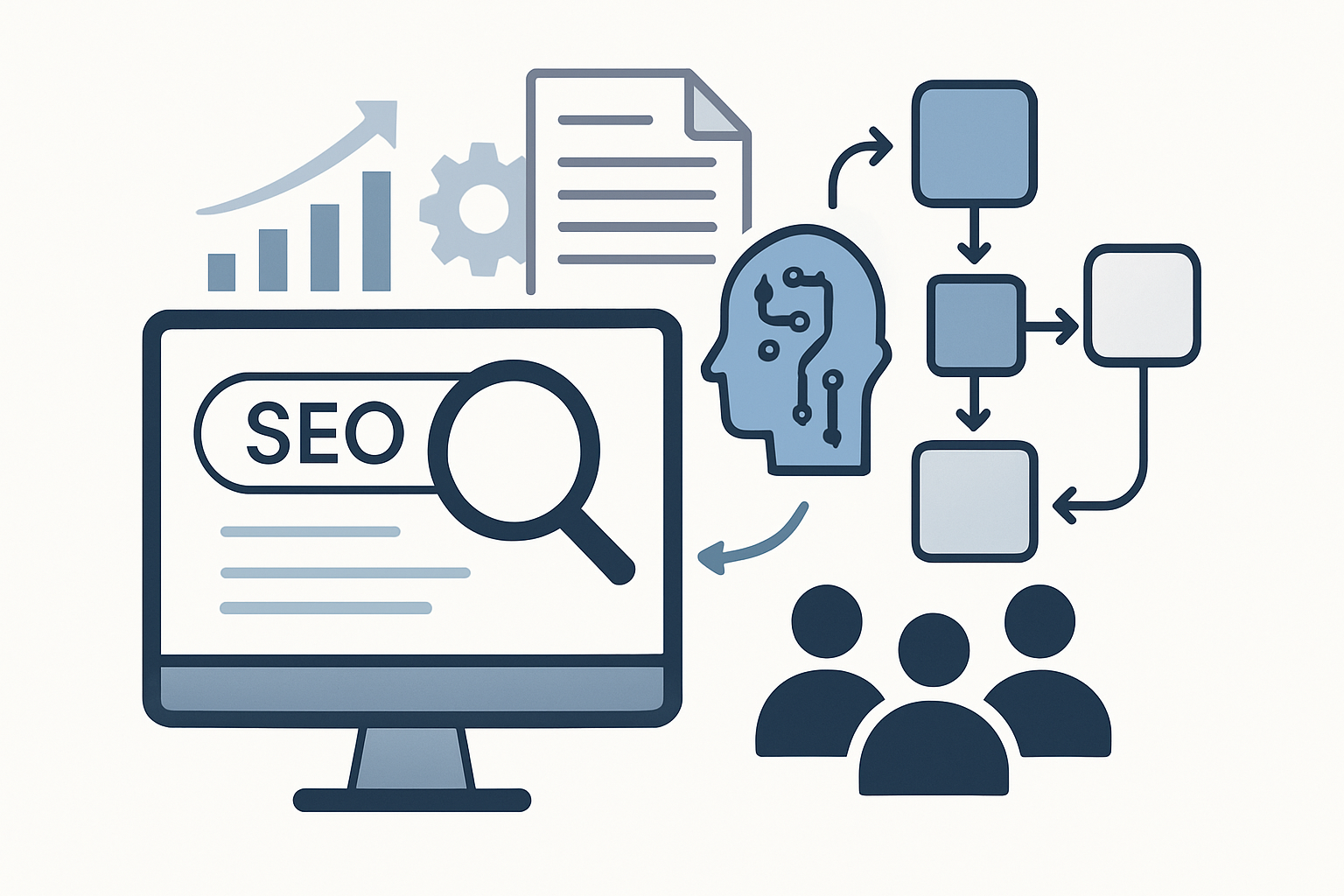
Follow a focused 30-day workflow that sequences keyword research, content creation, on-page optimization, and regular performance analysis to improve search visibility and make content production more efficient. The plan also shows how to use AI tools and a content calendar to speed production and keep content aligned with your audience and business goals.
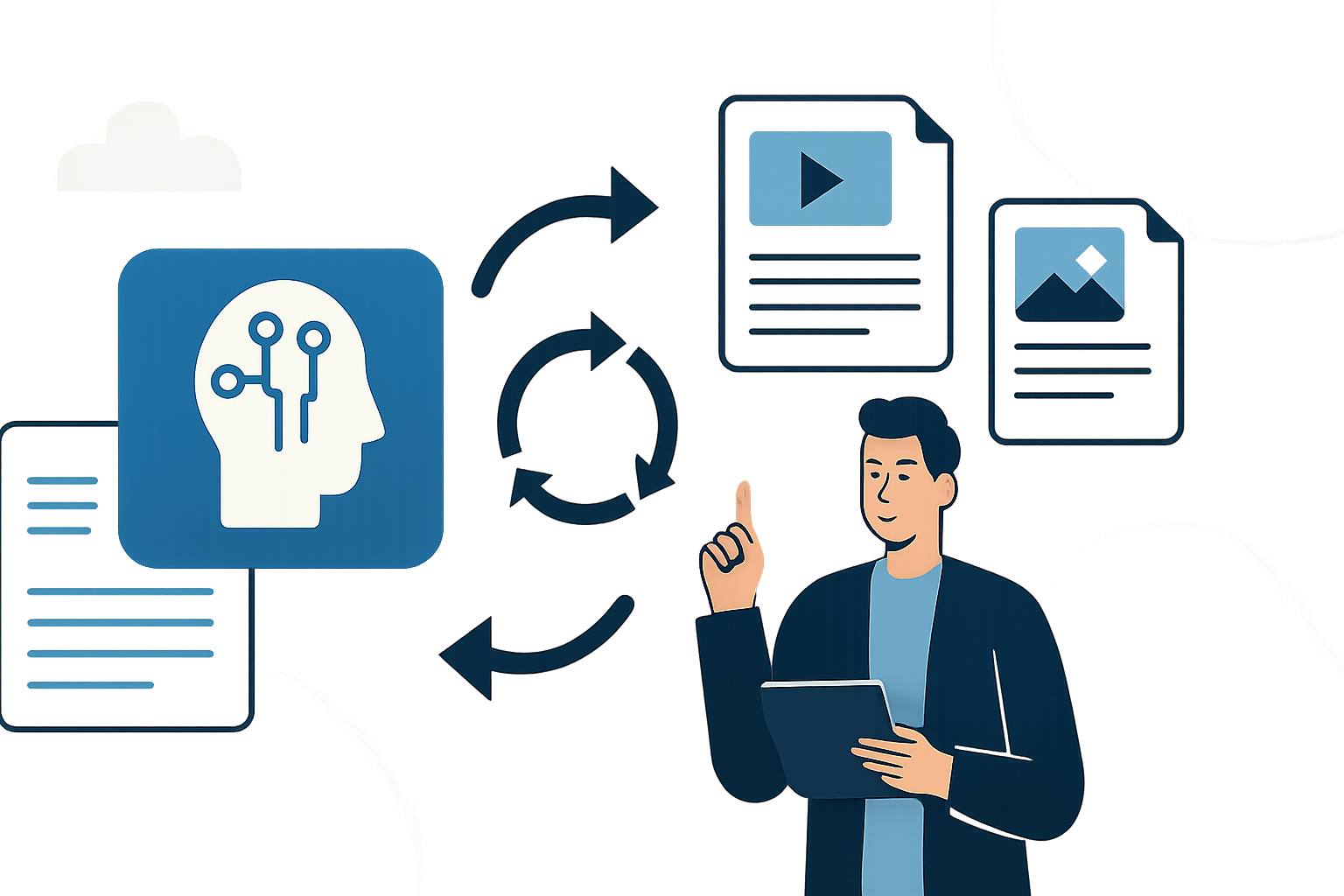
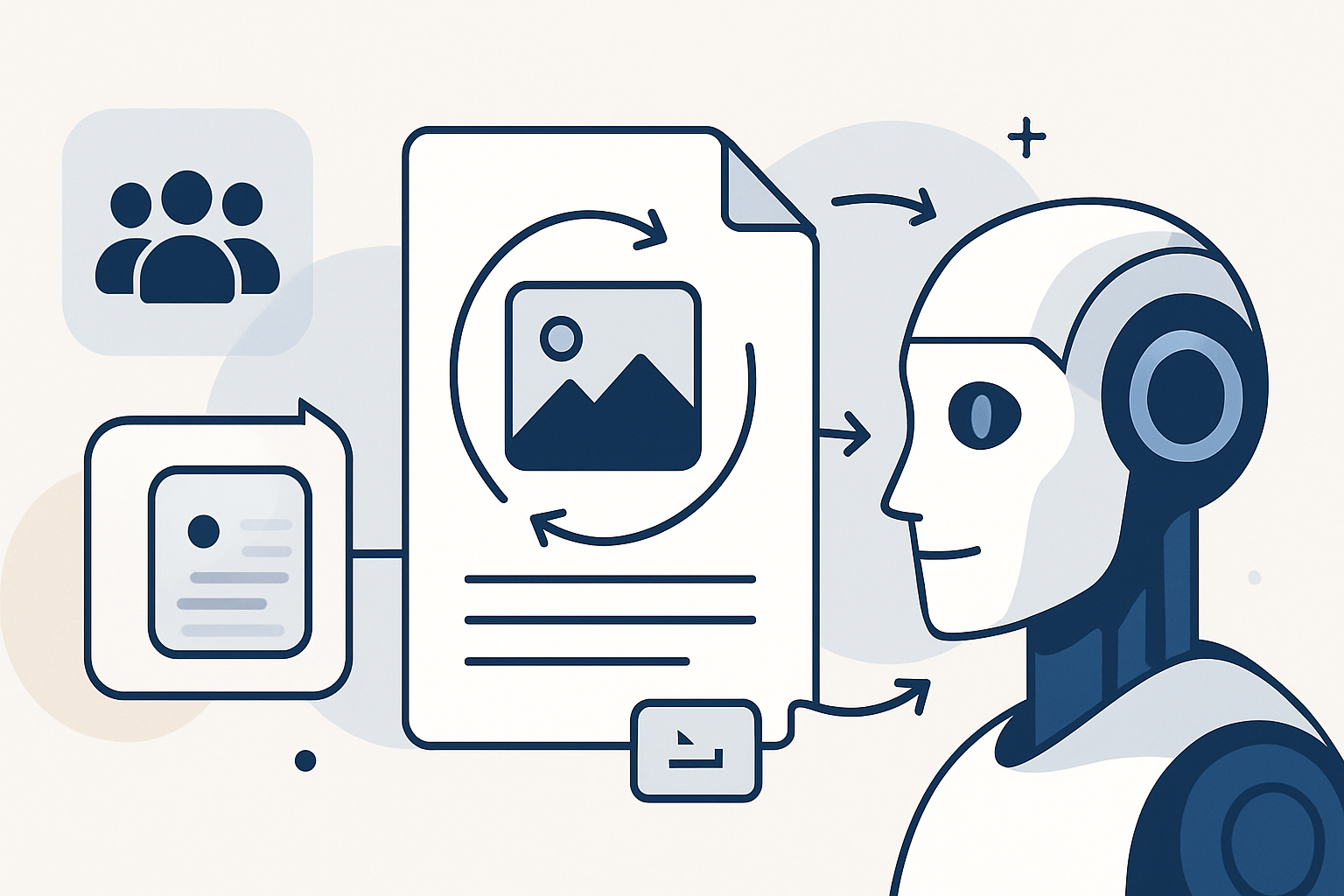
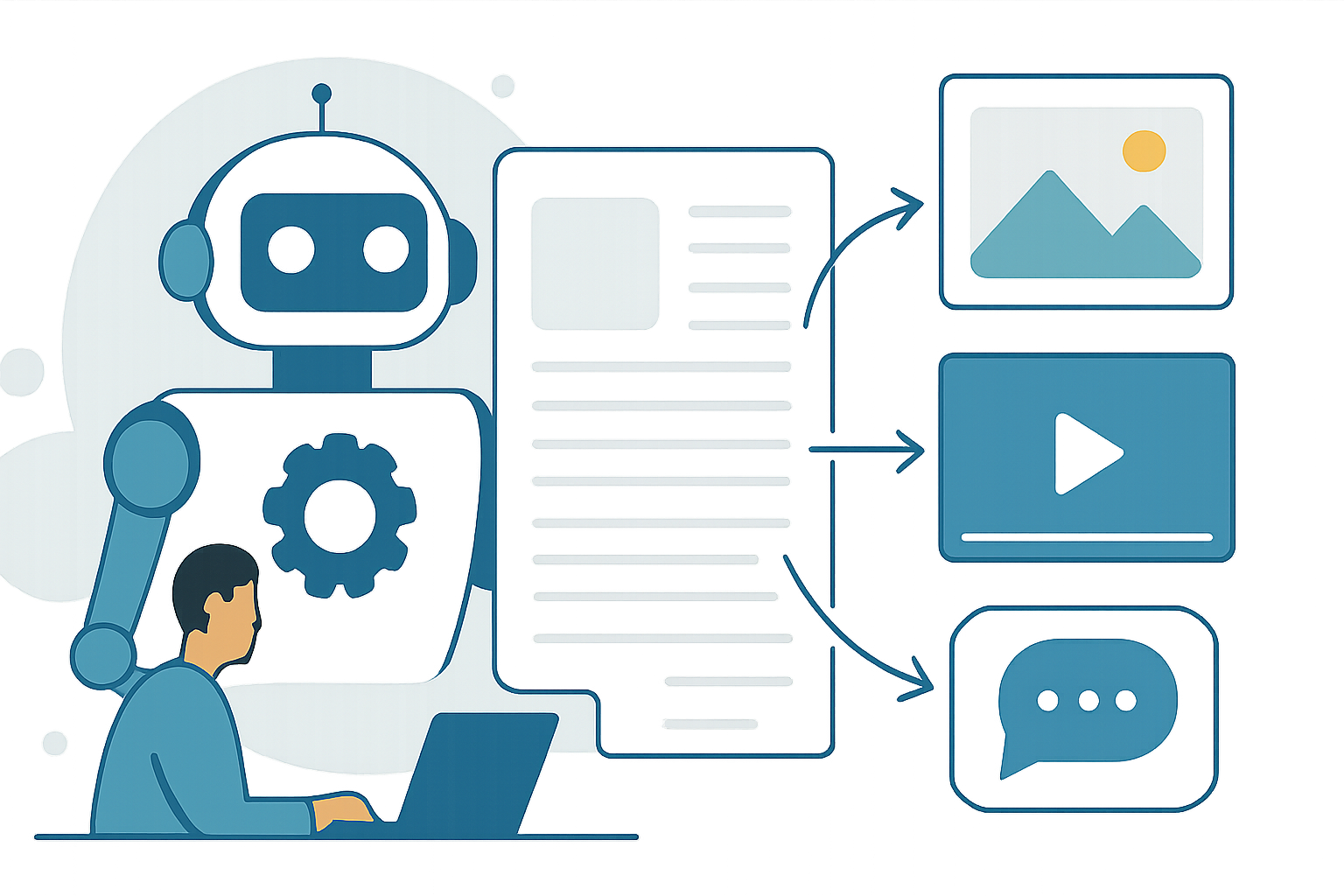
Use AI to identify high-performing B2B content and convert it into platform-specific formats such as videos, infographics, podcasts, and short-form posts to extend reach and lifespan. Pair automated transformations with human editing and clear quality rules so repurposed assets stay relevant and effective.
SaaS companies should adopt a structured, data-driven LinkedIn content system so posting stays consistent, content matches the target audience, and performance is measured to prevent low-value or erratic publishing. That system centers on a clear strategy, a routine content schedule, and active audience interaction.
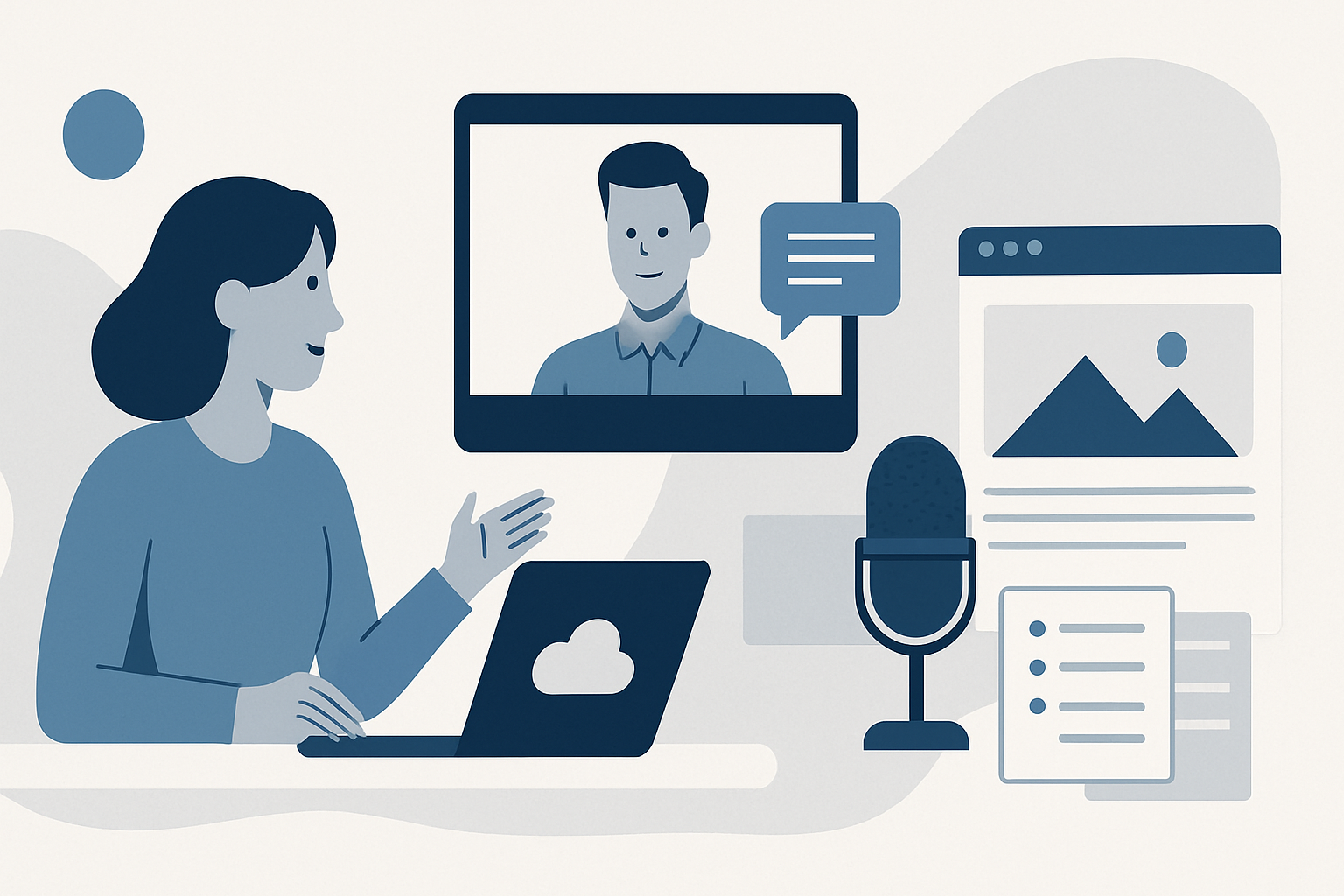
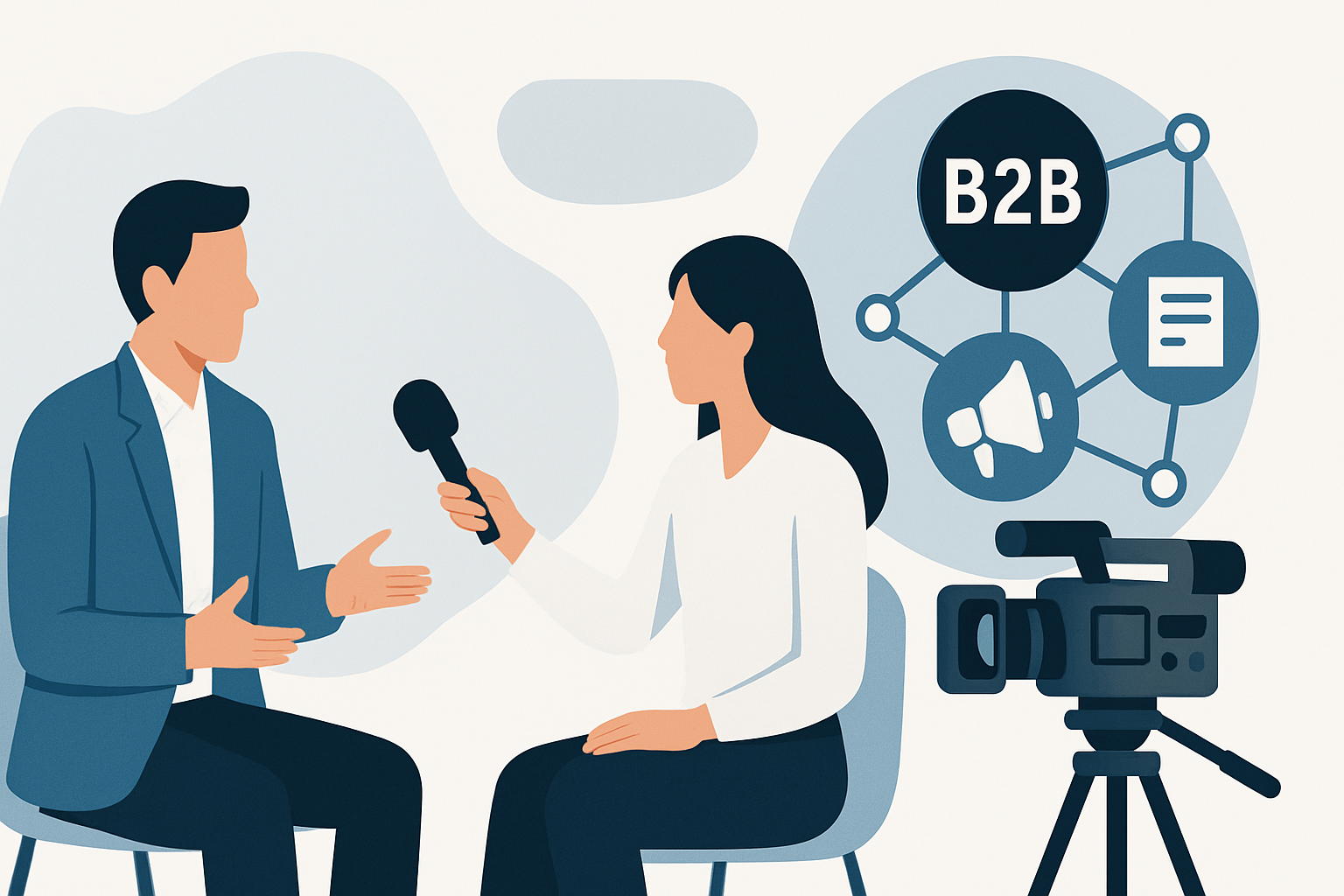
Interview-based content marketing turns conversations with industry experts, customers, or internal stakeholders into original content that helps SaaS companies connect with their audience and strengthen brand credibility. It succeeds when teams follow a clear process: choose the right people to interview, prepare purposeful questions, and publish the findings in formats the audience prefers.
Use AI-assisted content repurposing to adapt existing B2B content quickly for multiple platforms so you extend reach and reduce the time spent creating new assets. This article provides practical templates and examples to implement AI-driven repurposing in your content workflow.
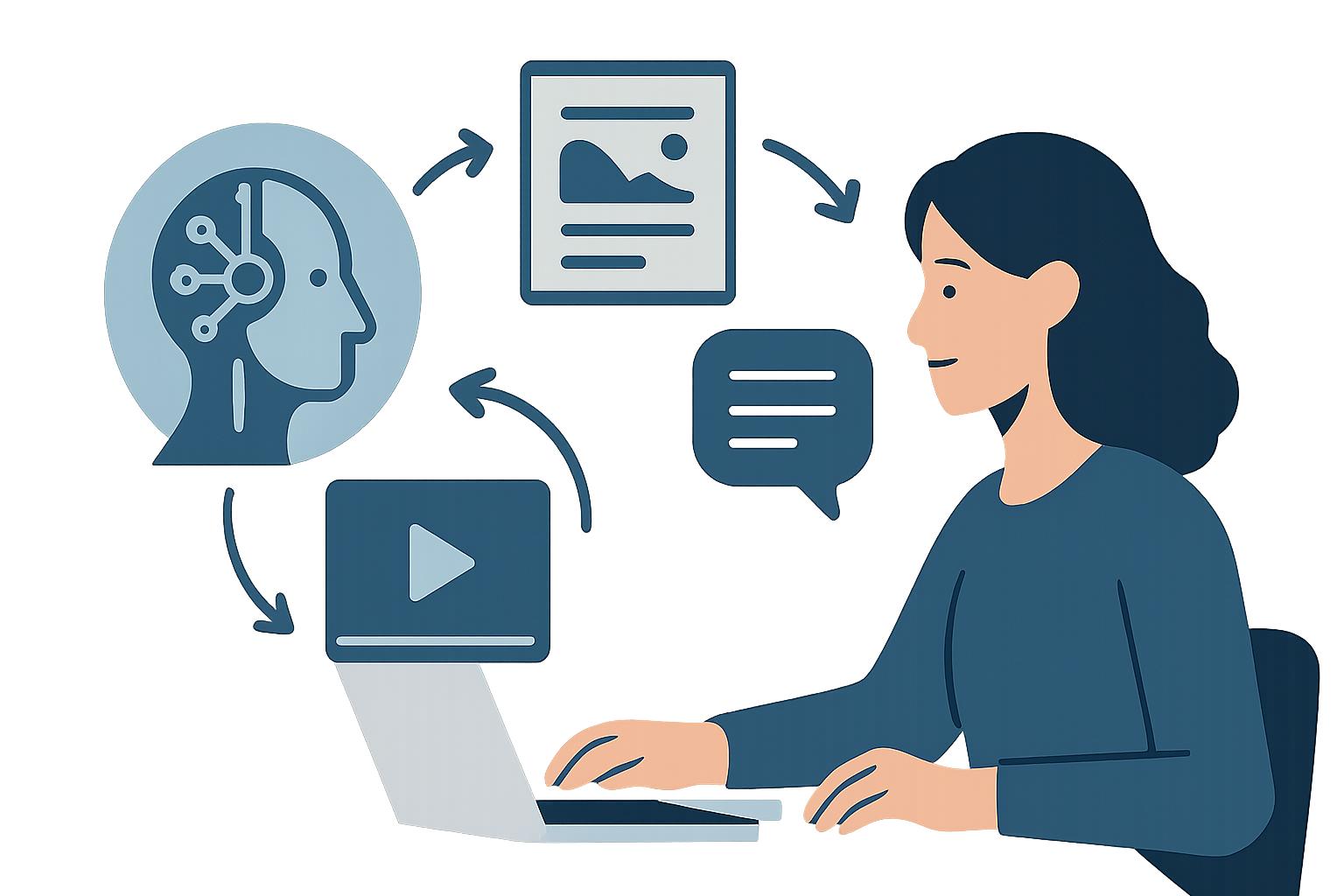
AI-assisted content repurposing uses artificial intelligence to convert and update existing content into new formats and to automate tasks like transcription, translation, and video editing so creators save time and broaden their audience. Combining AI-driven engagement analysis with human review helps pick the right formats for each platform while keeping quality and authenticity.
An effective SEO workflow combines clear team roles, focused keyword research, AI tools for analysis and automation, regular content audits, and a content calendar so AI-assisted content is both search-optimized and engaging. Following this framework reduces time on repetitive work, helps content stay aligned with analytics and algorithm updates, and improves visibility.
AI-assisted content repurposing converts existing content into new formats and distributions to increase reach and save creators time. It works best when you use performance data to choose what to repurpose and keep human review to ensure brand voice and quality.
AI-assisted content repurposing marketing uses AI tools to transform existing content into new formats quickly and at scale, extending content lifespan and widening audience reach. It frees marketing teams from repetitive tasks so they can focus on strategy and creativity while keeping messaging consistent across platforms.
Interview-based content marketing in B2B turns conversations with industry experts, customers, and stakeholders into authentic, expert-driven content you can publish and repurpose. That approach helps B2B teams build credibility with their audience and surface practical insights that inform product and marketing decisions.
A content calendar schedules and maps how content will be created, published, and promoted so teams meet deadlines, align content with marketing goals, and reduce last-minute work. Planning ahead supports consistent messaging and clearer handoffs across channels.