Mastering Content Calendar Planning for SaaS: A Step-by-Step Playbook
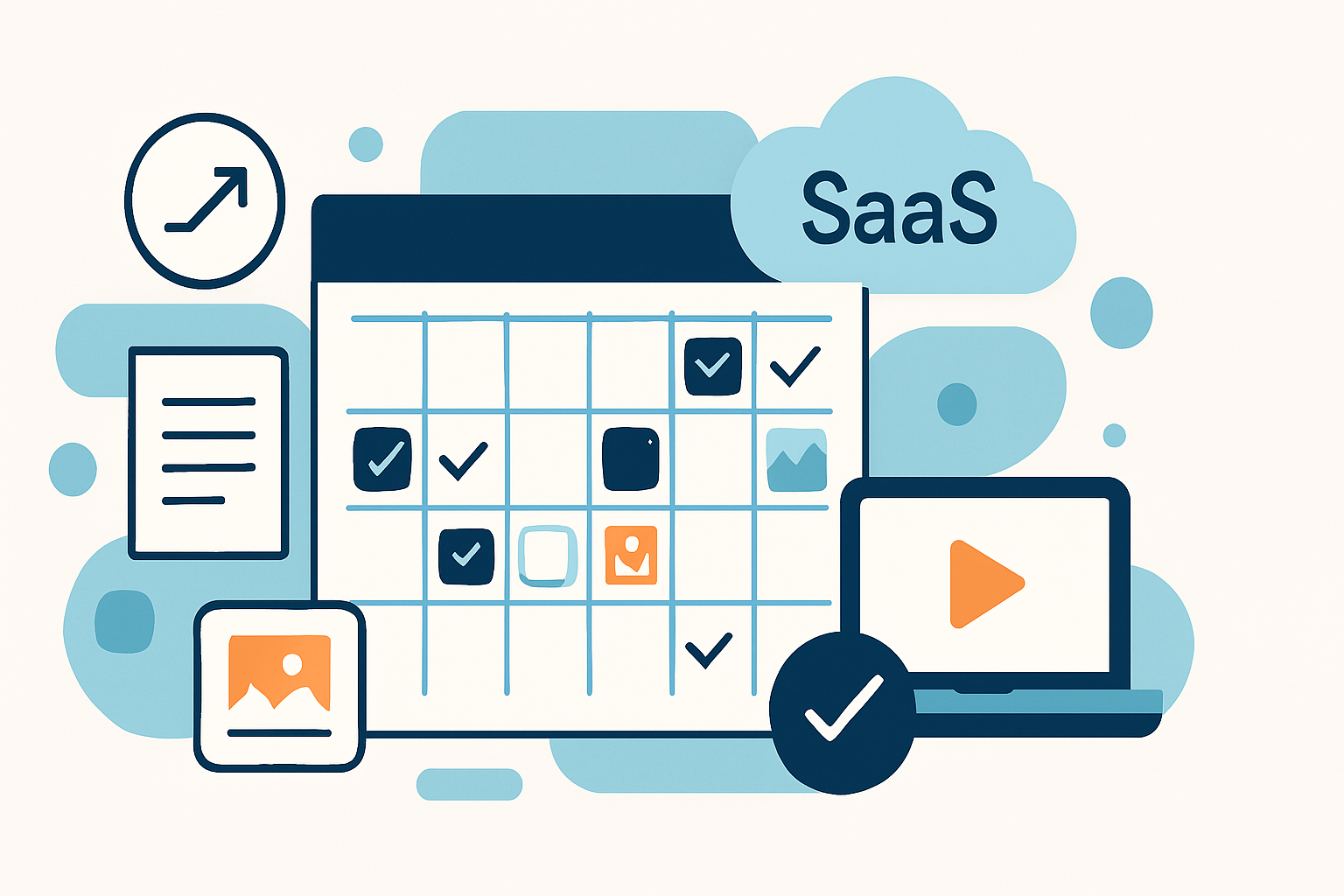
Align content objectives, audience needs, and product timelines into a single content calendar and run it as a repeatable process. The calendar should specify what you will publish, when, and why so your SaaS content stays consistent and tied to business goals.
Key takeaways
- A content calendar is a roadmap that specifies when and where to publish content; it helps organize creation, ensure consistency, and align content with marketing objectives, product launches, and customer expectations.
- A SaaS content strategy should be based on market research and include audience personas, content themes, and chosen content types such as blogs, videos, or webinars.
- To build the calendar framework, choose a tool that fits your workflow (examples given: Trello, Asana, Google Sheets), set up categories like content type and distribution channel, and assign clear roles and responsibilities.
- Real-world examples show practical uses: aligning blog posts with feature releases can increase user engagement, and scheduling educational webinars can improve customer retention and reduce churn.
- Best practices are to review and update the calendar regularly, use analytics to track content performance and adjust strategy, and avoid overloading the schedule or neglecting audience feedback.
In the fast-paced world of Software as a Service (SaaS), maintaining a steady stream of engaging content is critical. Effective content calendar planning for SaaS companies ensures that you consistently deliver value to your audience while aligning with your business goals. In this comprehensive guide, you'll learn how to create a robust content calendar that drives engagement and growth. We'll explore the essential steps and best practices to optimize your content strategy. Dive in and discover how to turn your content calendar into a powerful tool for your SaaS business.
1. Understanding the Essentials of Content Calendar Planning SaaS
To embark on content calendar planning for SaaS companies, it's essential to understand the fundamentals. A content calendar is a roadmap that outlines when and where you intend to publish upcoming content. It helps in organizing content creation efforts, ensuring consistency, and aligning with marketing objectives. By using a content calendar, SaaS companies can effectively manage their content marketing efforts, align with product launches, and meet customer expectations.
- Practical point 1: Define your content objectives clearly. Are you aiming to educate, engage, or convert your audience?
- Practical point 2: Identify the platforms that best reach your audience, such as blogs, social media, or newsletters.
- Practical point 3: Set realistic timelines for content production and publication to maintain consistency.
For a comprehensive understanding, check out our detailed guide on Mastering Content Calendar Planning for Creators.
2. Crafting a Content Strategy for SaaS
The success of your content calendar planning in SaaS hinges on a well-crafted content strategy. This involves a deep understanding of your target audience, the problems they face, and how your SaaS product offers solutions. Start by conducting thorough market research to gather insights into customer needs and preferences.
Your content strategy should include:
- Audience Personas: Create detailed profiles of your ideal customers to tailor content that resonates with them.
- Content Themes: Identify key topics and themes that align with your product offerings and audience interests.
- Content Types: Decide on the types of content that best convey your message, such as blogs, videos, or webinars.
Be sure to integrate insights from our article on Optimizing LinkedIn Content Systems for Marketing Success to enhance your strategy.
3. Building Your Content Calendar Framework
Once you have a clear content strategy, it's time to build the framework for your content calendar planning saas. This involves choosing the right tools and templates to streamline the process. Consider using digital tools such as Trello, Asana, or a simple Google Sheets document to track your content schedule.
- Choose a Tool: Select a content calendar tool that suits your team's workflow and collaboration needs.
- Set Up Categories: Organize your calendar by categories such as content type, target audience, and distribution channels.
- Assign Roles: Clearly define roles and responsibilities for each team member involved in content creation.
Explore how AI is transforming content management in our interview on AI's Role in Business Content.
4. Implementing Content Calendar Planning SaaS with Real-World Examples
To illustrate how content calendar planning for SaaS can be effectively implemented, let's explore some real-world examples. Many SaaS companies have successfully leveraged content calendars to enhance their marketing efforts and product launches.
- Example 1: A SaaS company focused on project management tools used a content calendar to align blog posts with new feature releases, increasing user engagement.
- Example 2: Another SaaS provider utilized a content calendar to schedule educational webinars, improving customer retention and reducing churn.
For more insights, visit Explained: What Should Your Company Sound Like to Customers?.
5. Best Practices for Content Calendar Planning SaaS
Implementing best practices ensures your content calendar is a powerful tool for growth. Here are some strategies to consider:
- Best Practice 1: Regularly review and update your content calendar to reflect changes in business objectives or market trends.
- Best Practice 2: Utilize analytics to track the performance of your content and adjust your strategy accordingly.
- Best Practice 3: Avoid common pitfalls such as overloading the calendar or neglecting audience feedback.
To further enhance your approach, explore our insights on ContentPod.
6. Common Mistakes and Challenges in Content Calendar Planning SaaS
While content calendar planning for SaaS offers numerous benefits, it's not without challenges. Common mistakes include failing to align content with business goals or neglecting to update the calendar regularly. To overcome these obstacles, it's crucial to maintain flexibility and adaptability in your planning.
- Challenge 1: Misalignment between content and business objectives can lead to wasted resources.
- Challenge 2: Inadequate communication within the team can result in missed deadlines or inconsistent messaging.
- Challenge 3: Overlooking audience feedback can hinder the effectiveness of your content strategy.
For additional resources, consider exploring the Content Marketing Institute's guide on successful content calendars.
Conclusion: Making the Most of Content Calendar Planning SaaS
In conclusion, mastering content calendar planning for SaaS companies is a strategic endeavor that requires careful consideration and execution. By aligning your content strategy with your business goals and using a structured calendar, you can effectively engage your audience and drive growth. For further guidance, explore the tools and resources available on ContentPod. Embrace this approach to transform your content marketing efforts and achieve sustainable success.
Frequently Asked Questions
What is content calendar planning saas?
Content calendar planning for SaaS involves creating a strategic schedule for producing and distributing content. It's a method that helps SaaS companies organize their marketing efforts, align with business objectives, and consistently engage their audience.
How can I start content calendar planning for my SaaS company?
Begin by defining your content strategy, understanding your audience, and selecting the right tools to manage your calendar. Regularly review and update your calendar to ensure it stays aligned with your business goals.
What are some tools for content calendar planning saas?
Popular tools include Trello, Asana, and Google Sheets, which offer flexibility and collaboration features to streamline content management for SaaS companies.
References & Further Reading
Put this into practice
Share this post
You Might Also Like
Discover more content tailored to your interests
 Highly Relevant
Content Repurposing Examples from One Source
Content repurposing examples are practical ways to turn one original asset, such as a webinar, interview, or blog post, into multiple formats like social posts, email copy, short videos, FAQs, and downloadable guides.
Read More Highly Relevant
AI-Assisted Content Repurposing Marketing in 30 Days
Use AI to turn one strong source into multiple channel-ready assets while your team edits and approves them. A practical 30-day plan starts with a content audit, moves into template-based drafting and clear ownership, and finishes with measurement so you know which formats to scale next month.
Read More Highly Relevant
Content Calendar Planning for B2B: Mistakes to Avoid
Align your calendar to recurring buyer questions and buying-stage needs so each asset helps prospects compare options, reduce implementation risk, or move closer to purchase. Pick a sustainable cadence of fewer, stronger pieces and make the calendar a repeatable operating system rather than a collection of urgent one-offs.
Read MoreReady to create amazing podcast content?
Choose a plan and start generating professional podcast content with AI
View Pricing Plans