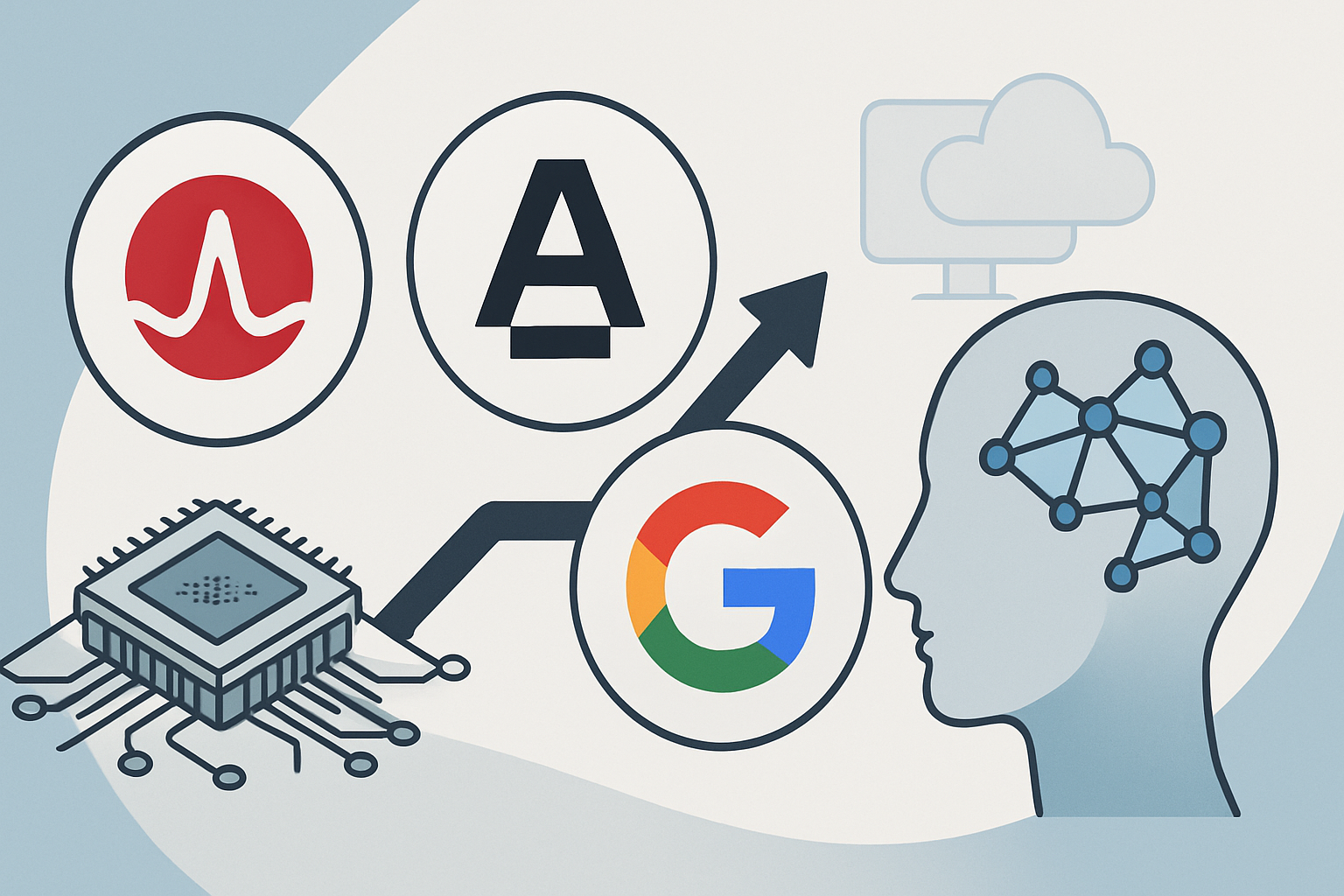
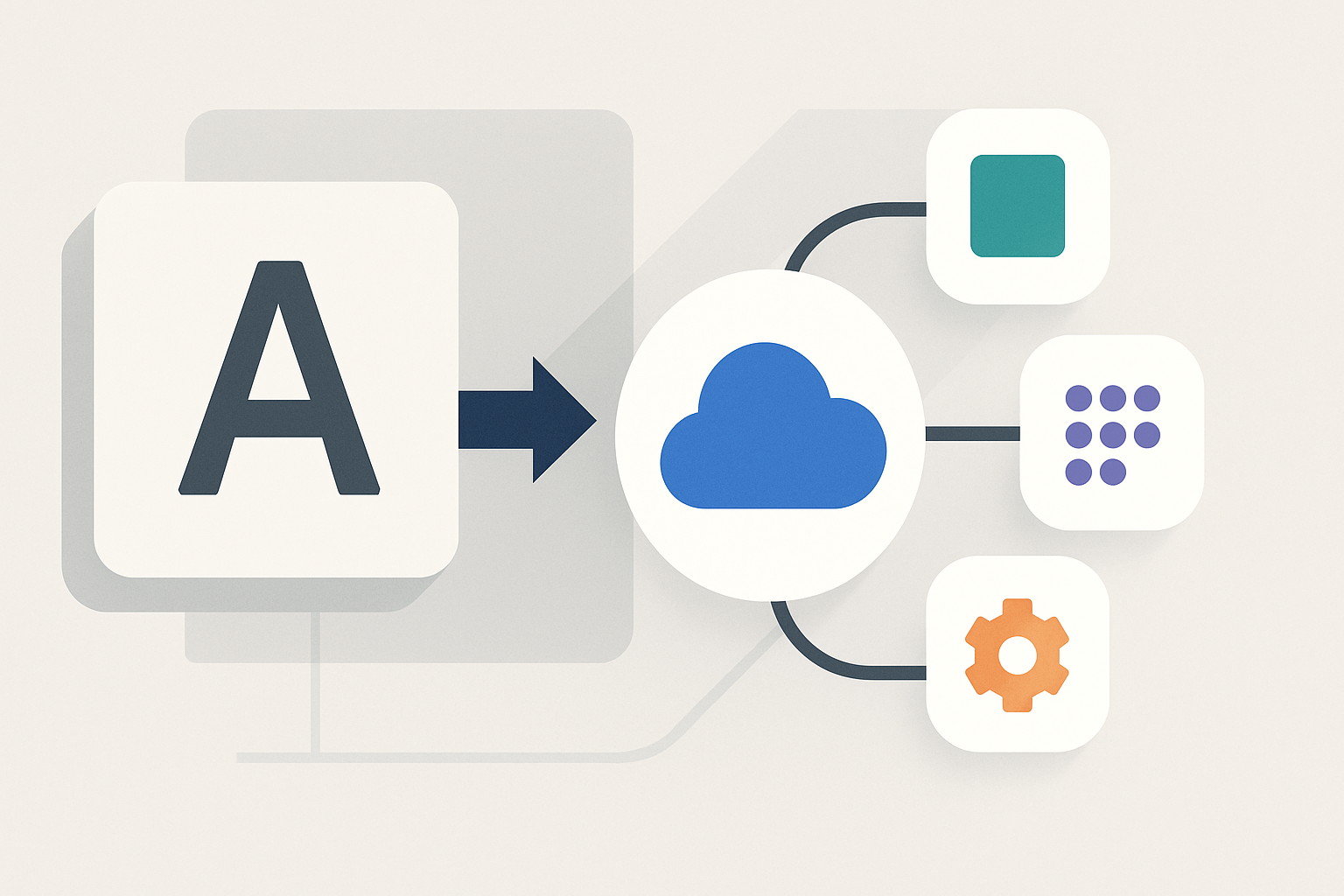
The Broadcom, Anthropic, and Google partnership combines Broadcom semiconductors, Anthropic research on safe and interpretable AI, and Google's cloud to expand AI compute capacity and speed deployment of large-scale, more interpretable AI systems. The collaboration targets better processing power, improved AI safety and interpretability, and the ability to run more complex models at cloud scale.
The UK is encouraging expansion of Anthropic-related AI activity to provide an alternative for companies that could be affected by potential U.S. blacklists. It is pursuing partnerships, targeted investment in AI research, and a more flexible regulatory environment to attract those firms.
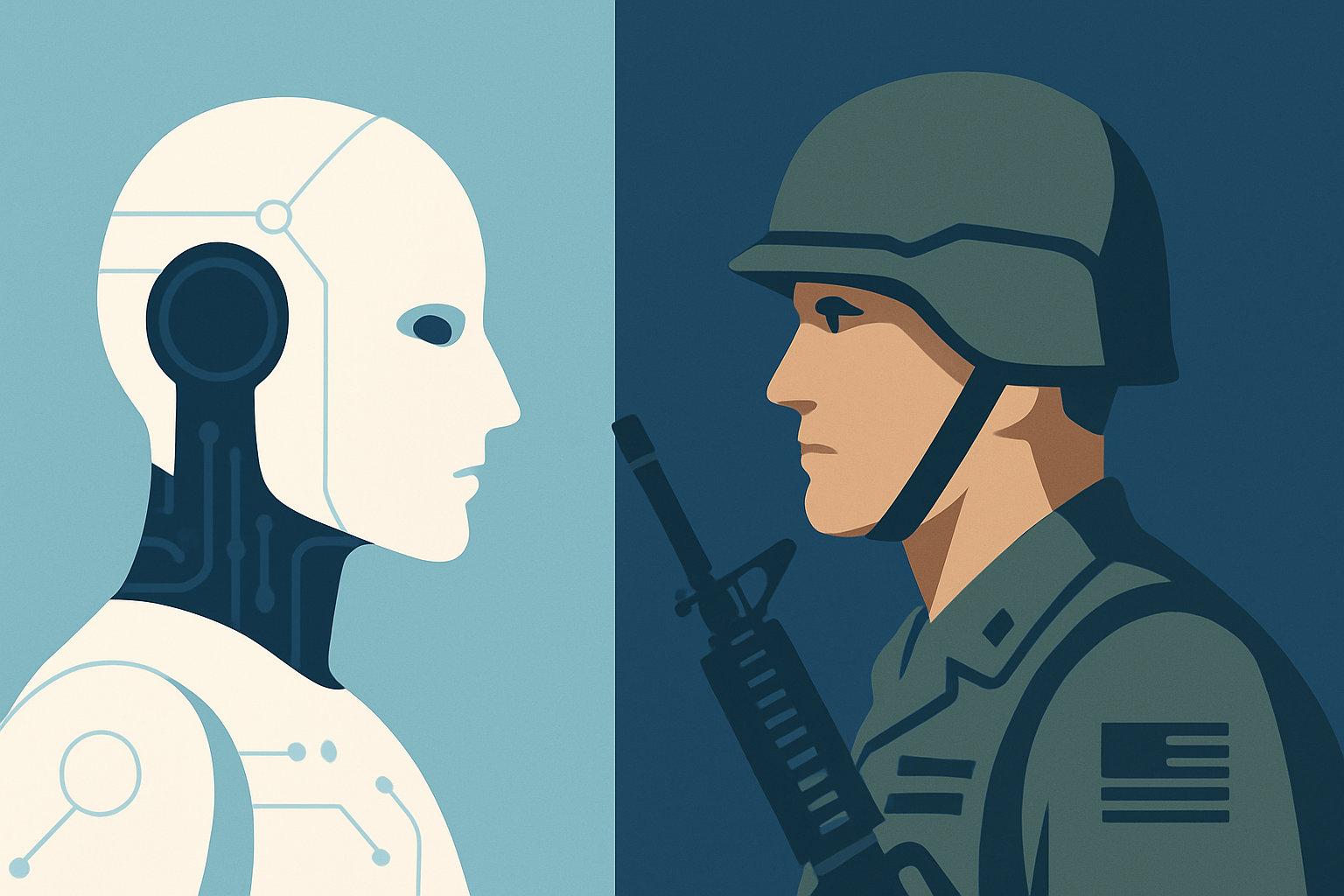
The Pentagon warns that Anthropic's strict safety protocols create an unacceptable wartime risk because those limits can stop AI from acting quickly when fast decisions are required. The article breaks down the Pentagon's reasoning, cites examples where tight safety controls hindered AI response, and outlines practical steps for balancing safety and operational effectiveness.
The US government expanded restrictions on Anthropic's AI technologies across multiple federal agencies to address national security, surveillance, privacy and ethical risks. The move limits Anthropic deployments inside agencies and signals that agencies will face tighter oversight of AI vendors.
They combine Anthropic's AI capabilities with Intuit's financial data and user base to build AI features aimed at speeding AI adoption in financial services and possibly affecting market valuations, while putting emphasis on ethics and data protection. The partnership targets improvements in financial planning, analytics, and customer support through AI-driven tools and models.
The Anthropic CEO says red lines are necessary boundaries that keep AI development aligned with safety, ethics, and recent U.S. restrictions. He frames those boundaries as a way for companies to comply with regulators while pursuing sustainable, long-term innovation.
The dispute between Anthropic and the U.S. military shows that using AI in warfare requires balancing ethical limits with operational effectiveness. That balance will depend on clear ethical rules, safety-focused research, thorough testing, and ongoing collaboration between AI developers and military planners.
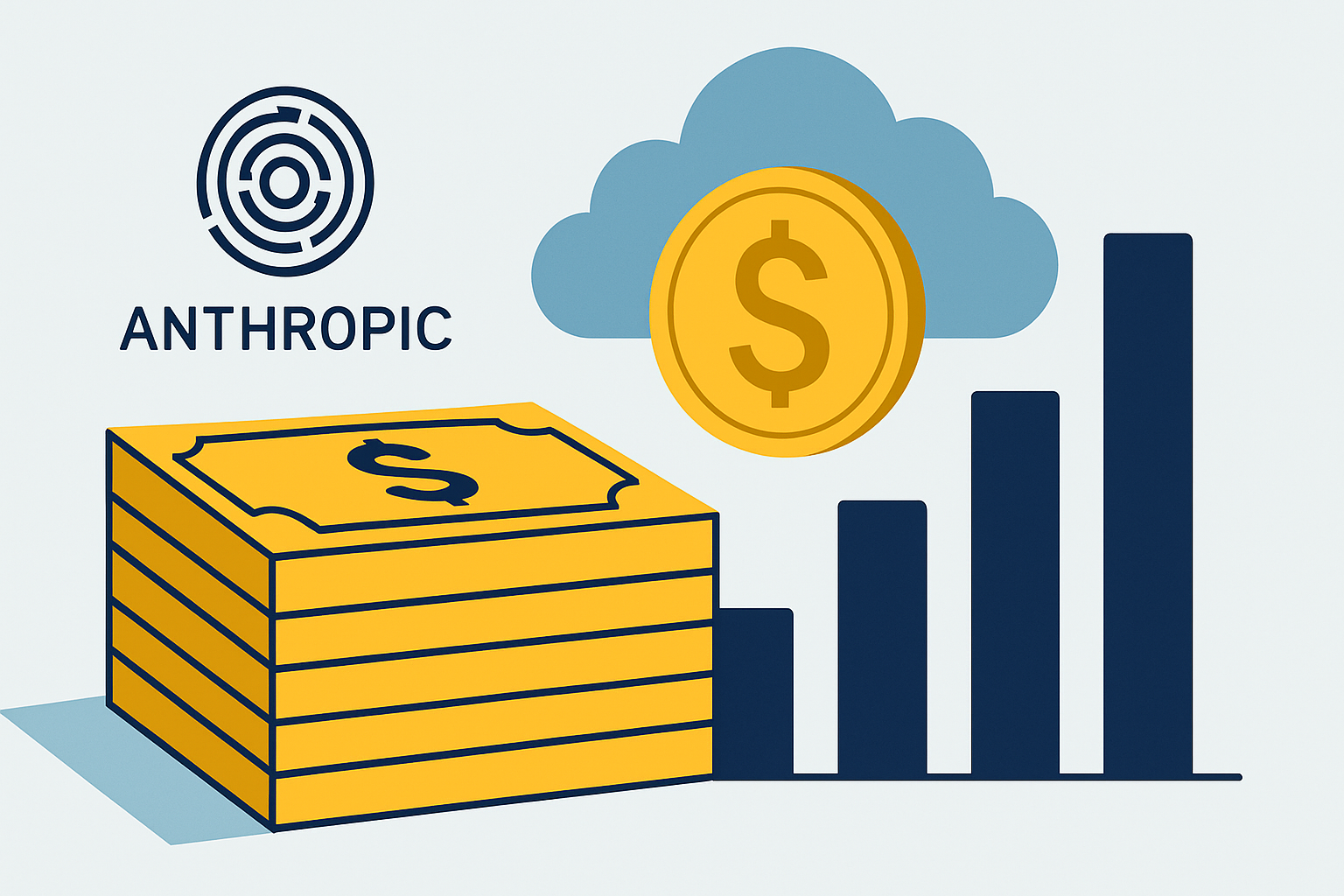
Anthropic plans to commit $80 billion to cloud partners through 2029 to secure long-term access to cloud infrastructure and accelerate its AI development. The funds are intended to boost partner capacity, support technology and security upgrades, and expand practical AI applications across industries.
The Pentagon deployed Anthropic's Claude to analyze intelligence in real time and provide decision-support recommendations used during planning and execution of the Maduro raid. Claude sped up processing of large datasets and generated actionable insights that informed mission timing and targeting.
Anthropic donated $20 million to a group that advocates for AI regulation, with the contribution timed in part for the 2026 elections. The funding is meant to influence policy development and add resources to regulatory efforts.
Anthropic now lets third-party apps connect with Claude so enterprises can extend the model with external tools, enable real-time data processing, and tailor Claude to specific workflows. The change is meant to give businesses more functional options inside Claude while keeping existing processes intact.