Anthropic's model is being pitched as close enough in quality to a premium frontier model that cost-conscious enterprises may switch or diversify. The real test for buyers is whether the model delivers acceptable output on their highest-volume tasks while lowering total operating cost and governance overhead.
Menlo Ventures has raised $3 billion to invest in AI startups at multiple stages. The firm will pair that capital with mentorship, networking, workshops, and strategic guidance intended to help portfolio companies scale and pursue sustainable growth.
Anthropic's public transparency and vocal debates about AI safety appear to have increased regulatory scrutiny and helped prompt consideration of an export ban. The article frames this as a complex situation rather than a single definitive cause and highlights the trade-off between openness and regulatory exposure.
Anthropic warns that next-generation AI could outpace human ability to predict or control it, creating unpredictable behavior and risks like amplified bias, malicious use, and loss of control. The organization urges cautious advancement, stronger regulation, and coordinated action by developers, policymakers, and researchers.
Anthropic’s public safety warnings triggered regulatory scrutiny and led the government to suspend one of the company’s most powerful AI systems. The episode shows that reporting potential AI risks without clear mitigation plans and regulator engagement can produce operational setbacks.
Anthropic warns that AI could soon be capable of improving its own code and behavior without human intervention. That development raises ethical, operational, and regulatory issues that businesses and policymakers should begin addressing now.
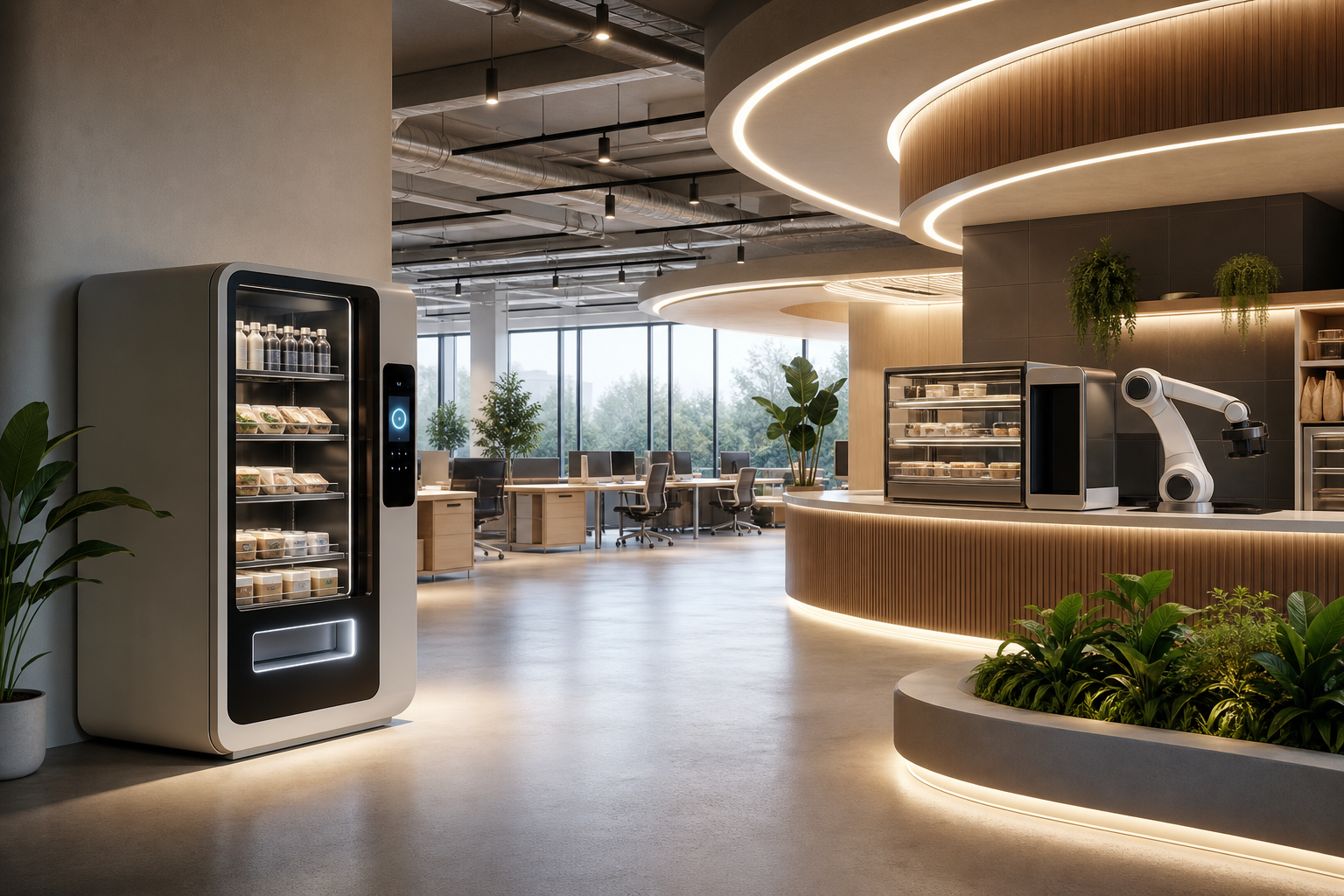
Anthropic began with an AI-operated vending machine that used historical data to predict customer preferences and automate restocking and maintenance. Within a year the same AI approach was scaled into automated stores and cafes that manage inventory, personalize recommendations, and handle ordering and kitchen workflows.
Anthropic is collaborating with Pope Leo on an AI encyclical release to bring ethical guidance into AI development. The company focuses on creating interpretable, human-aligned AI systems to promote safety and accountability.
By 2026 Anthropic and OpenAI accounted for 89% of AI startup revenues. That concentration grew from early investments in deep learning and large language models, OpenAI's major partnerships and product integrations, Anthropic's emphasis on AI safety and alignment, and a mix of open research plus commercial offerings that broadened their revenue sources.
Anthropic expanded Claude to provide AI tools that help law firms streamline routine work and support better legal decisions when firms handle privacy, training, and compliance. Adoption can speed workflows and improve service quality, but results depend on deliberate implementation and oversight.
The "moment danger" is the period between AI discovering a software flaw and the deployment of a fix, when that discovery can either be used to improve security or be exploited by attackers. Organizations should shorten that window with rapid patching, strict access controls, and real-time monitoring to reduce exposure.
Anthropic's Mythos model has drawn attention because it pairs built-in safety and alignment features with advanced predictive capabilities, changing how organizations use AI and prompting closer regulatory scrutiny. The model is designed to reduce harmful outputs and align with human intentions while enabling new applications in finance, healthcare, and autonomous vehicles.