Build a 30-day system that moves from goal setting to foundation building to execution and review. Start by defining clear objectives and audience, create a monthly content calendar and team roles, then publish consistently, engage with your audience, and use LinkedIn Analytics to refine the plan.
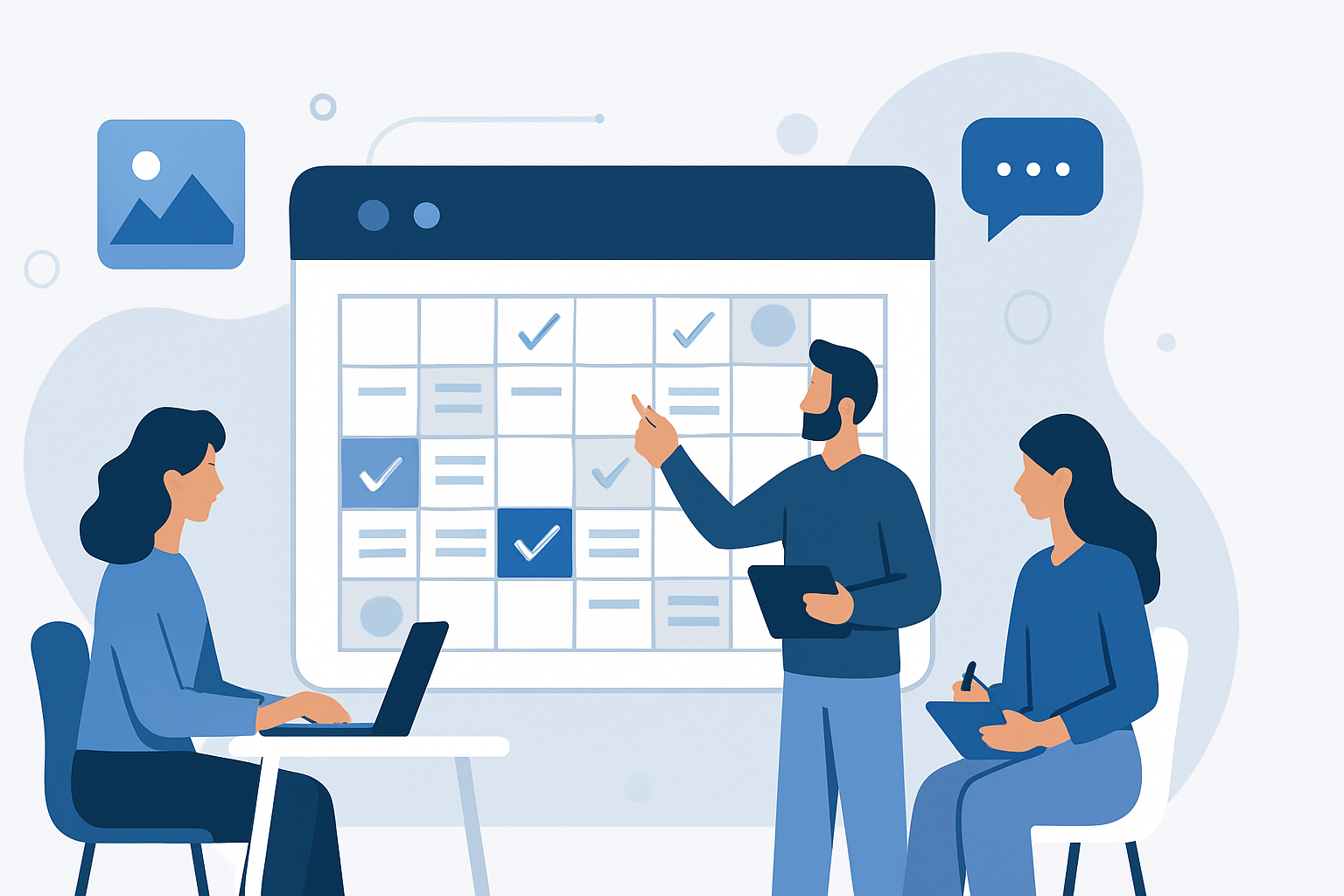
A content calendar organizes a team's publishing schedule and assigns ownership so work is visible, deadlines are met, and resources can be planned. Using the right components and tools, plus regular reviews and clear communication, helps teams execute their content strategy more reliably.
Grow a SaaS newsletter by delivering consistent, high-value content that is tailored to distinct subscriber groups and by using automation plus analytics to personalize and scale. That combination raises engagement, supports retention, and helps drive conversions.
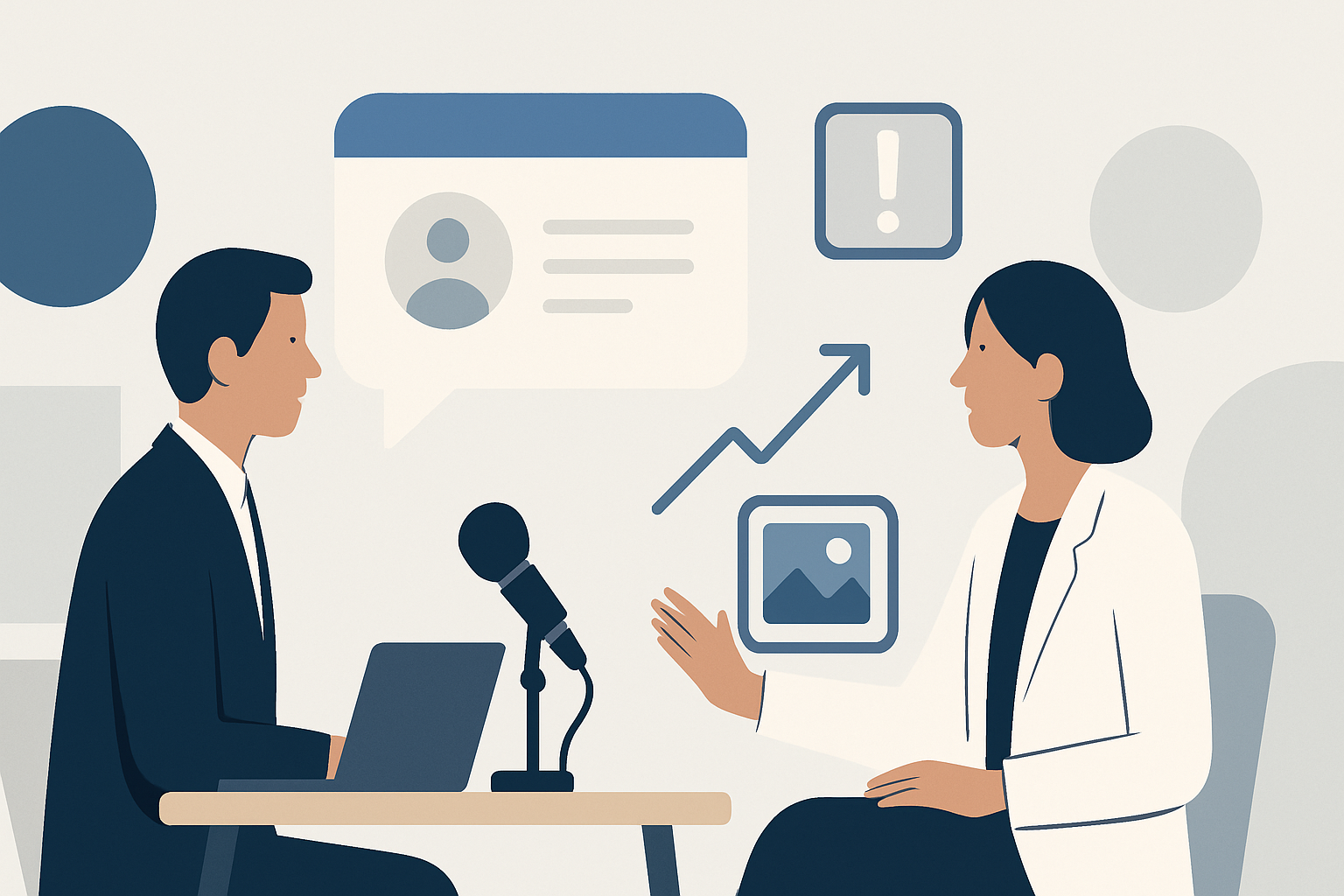
Interview-based content marketing for B2B works when you use interviews with relevant industry figures, prepare questions that elicit detailed answers, edit for clarity, and publish across formats to reach your audience. Avoid missteps like ignoring audience needs, skipping research on interviewees, and failing to edit; maintain a steady schedule and distribute content through multiple channels to sustain engagement.
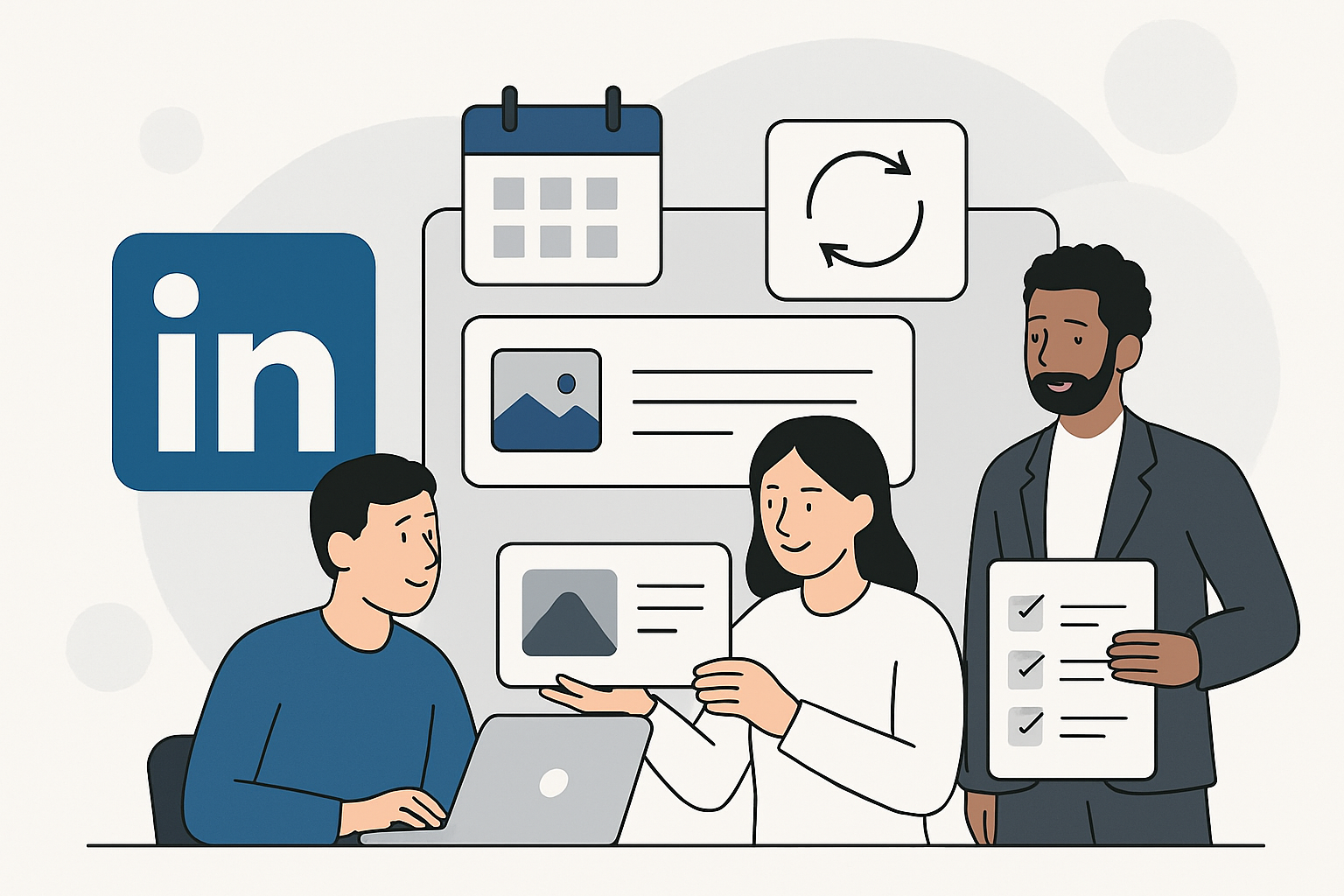
A strategic LinkedIn content system helps B2B founders increase brand visibility, generate leads, and build authority. Achieving those outcomes requires clear content objectives, audience targeting, regular use of LinkedIn features, and measurement with analytics.
A well-planned newsletter that delivers useful, regular content helps SaaS companies retain customers, guide prospects through the funnel, and reach more people without large ad spends. This article presents a framework that combines audience analysis, a consistent content schedule, practical technology choices, and measurable best practices to grow newsletter performance.
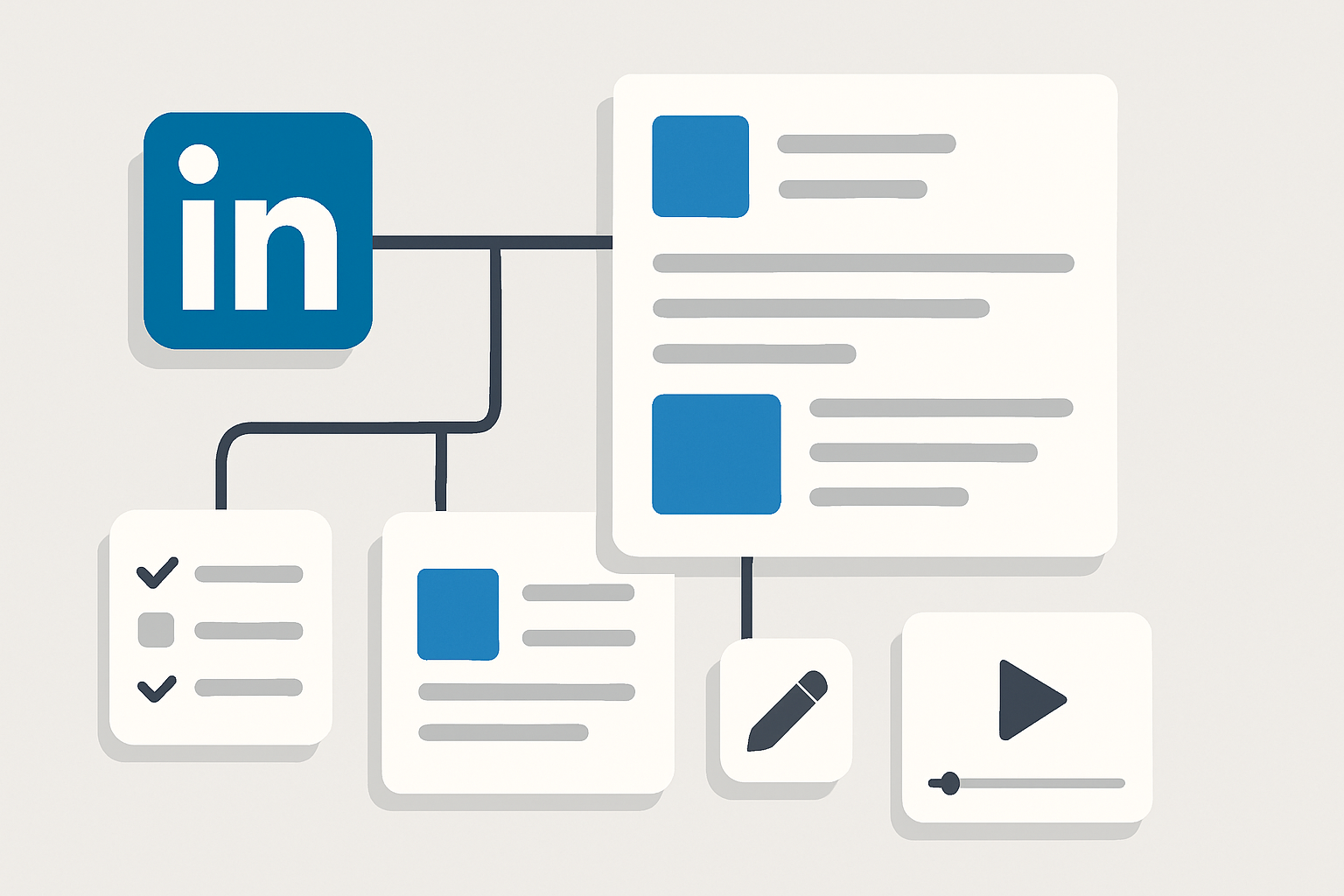
Create a repeatable LinkedIn content system that uses a content calendar, LinkedIn analytics, and mixed media to publish consistent, measurable content that increases engagement and strengthens your brand presence. The article provides templates, platform-specific tactics such as LinkedIn Pulse and native video, and practical best practices to streamline creation and track performance.
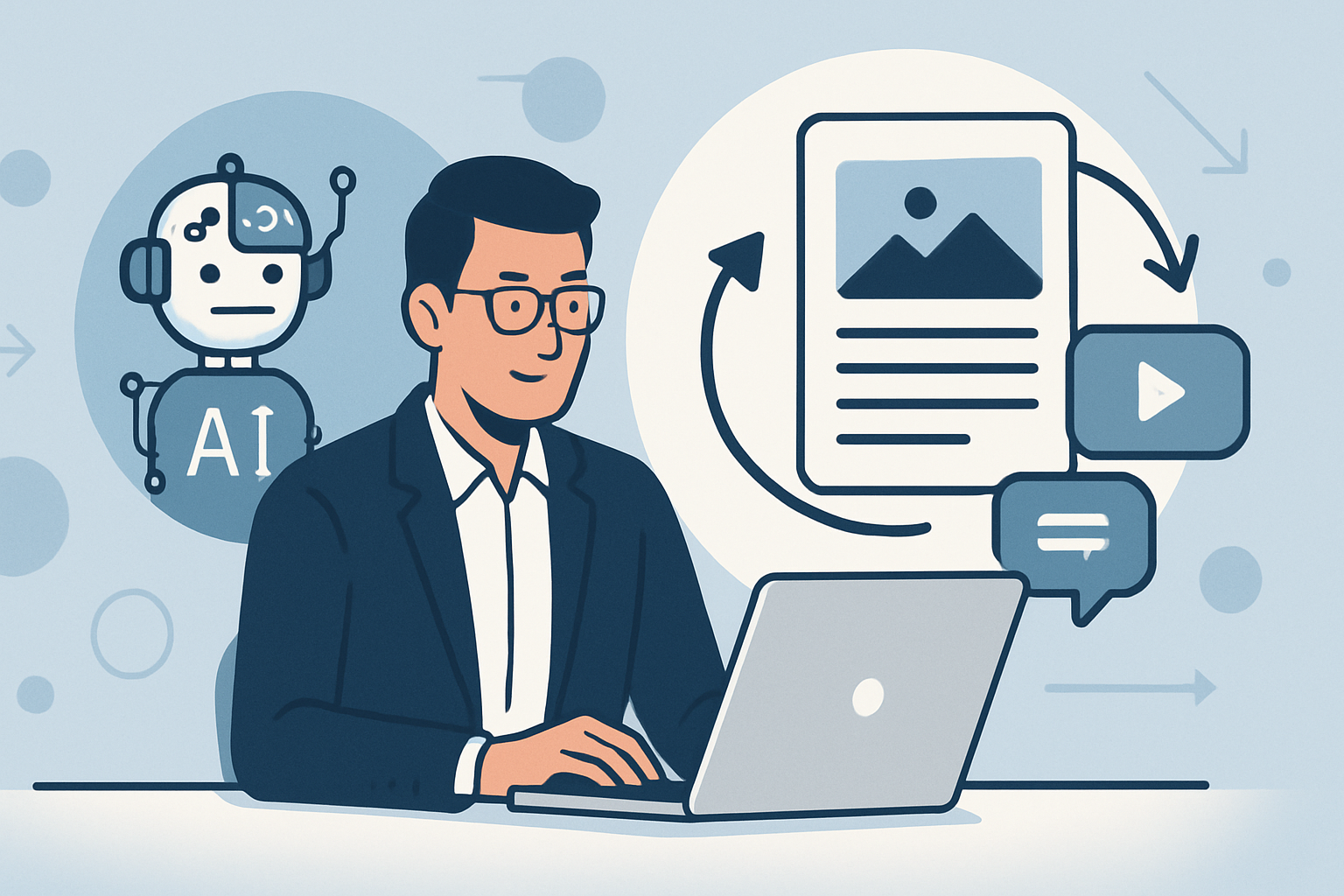
AI-assisted content repurposing consultants use AI tools to convert existing content into new formats so it reaches more channels, saves time, and keeps messaging consistent. The article outlines a practical framework with recommended tools, real-world examples, best practices, and common pitfalls to guide implementation.
Adopt a defined content system: set clear objectives, schedule posts with a content calendar, and use LinkedIn analytics to guide what your team publishes. Combine that system with consistent branding, prompt audience engagement, and relevant LinkedIn features to improve reach and consistency.
Consultants most often hurt newsletter performance by not matching content to audience needs, sending irregularly, skipping personalization, and omitting clear calls to action. Fixing those areas—through audience research and segmentation, a regular schedule with automation, tailored content, and explicit CTAs—improves engagement and lowers unsubscribe rates.
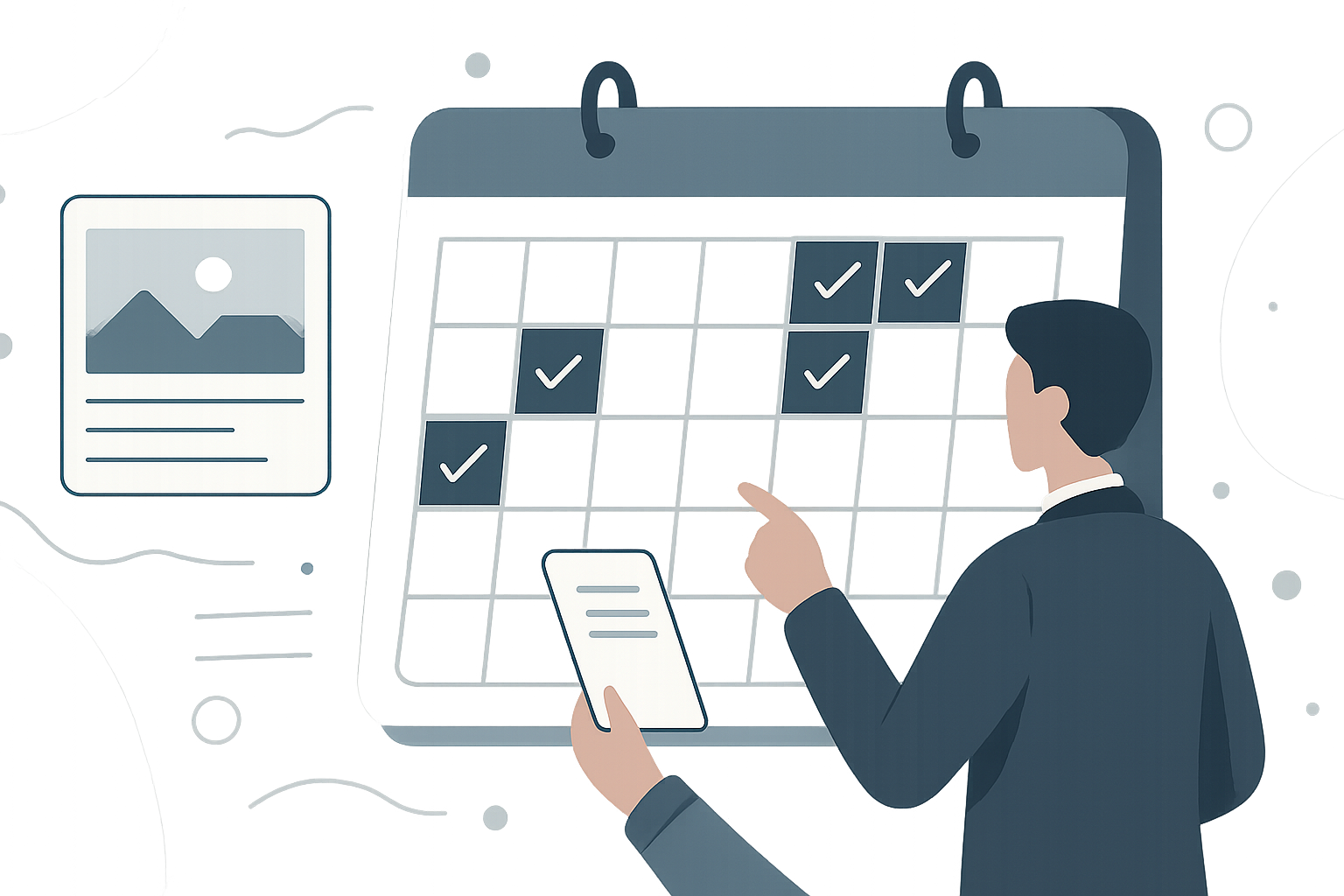
A 30-day content calendar helps consultants plan, prioritize, and measure content so each piece advances a specific business objective and serves a defined target audience. It creates a repeatable workflow for ideation, production, publication, and performance review so you can keep content consistent and improve it with data.
Optimizing LinkedIn content systems for teams means creating a repeatable process that aligns professional, value-driven content with team roles and measurable outcomes. Run that process consistently and use platform results to refine what the team produces.