Mastering Content Calendar Planning B2B: Templates and Examples
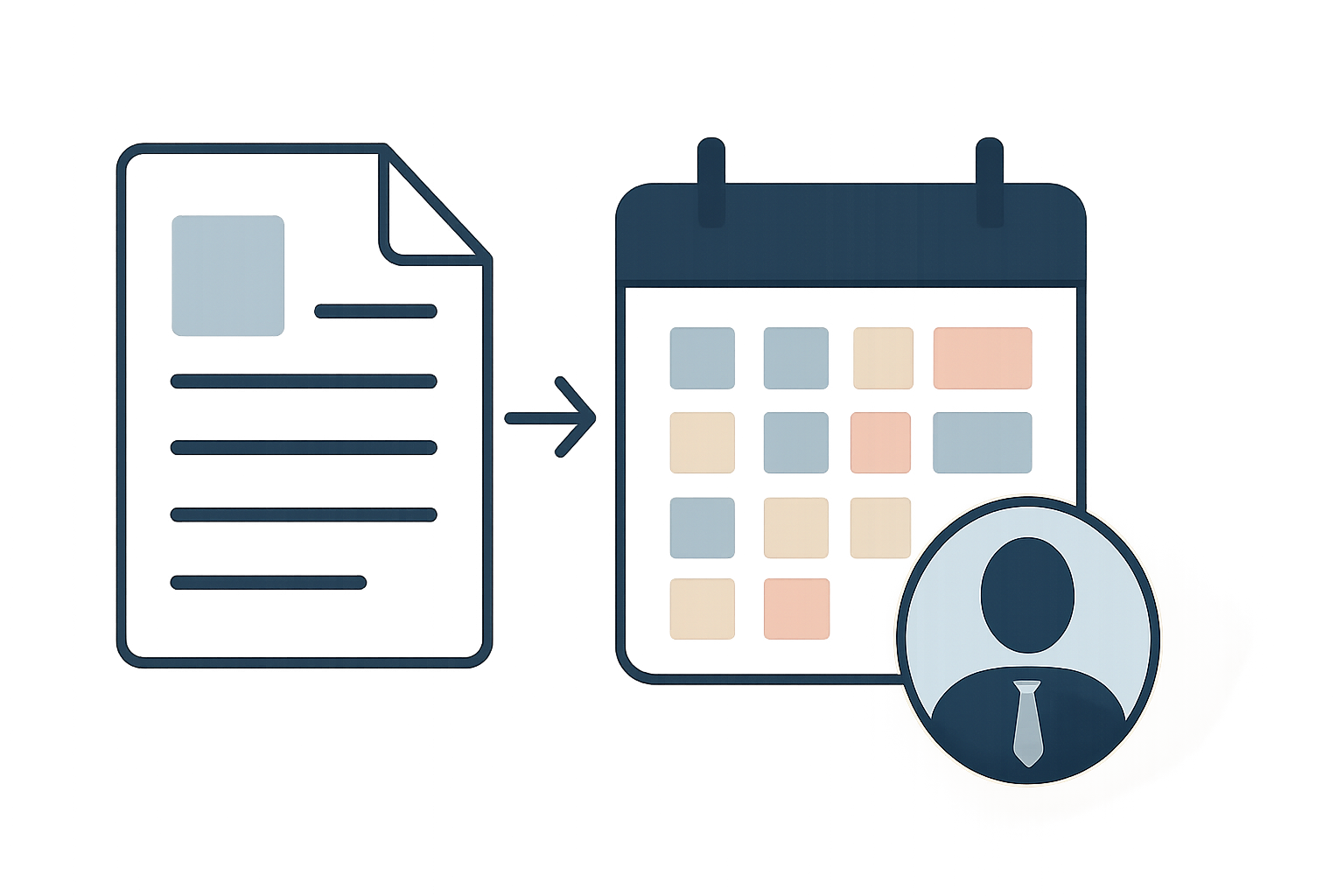
A well-organized content calendar makes B2B marketing strategic and consistent, helping teams keep a reliable publishing cadence, allocate limited resources, and align each piece of content with business goals. The article gives practical templates, case examples, and specific best practices you can use to build and maintain that calendar and measure content performance.
Key takeaways
- Publishing content on a regular schedule builds trust and authority with your audience.
- A content calendar should record content types, target audience segments, and clear goals for each asset.
- Useful templates include a monthly calendar for themes, a weekly planner for priorities, and a content inventory to track assets.
- Real-world examples: a SaaS company uses a quarterly calendar tied to product launches; an established B2B firm uses an annual calendar for industry events.
- Best practices are to review and update the calendar regularly, use analytics to measure performance, and avoid over-scheduling or neglecting content promotion.
In the fast-paced world of B2B marketing, a well-organized content calendar is essential for staying ahead of the competition. Effective content calendar planning b2b ensures that your marketing efforts are both strategic and consistent, helping you to engage your audience and drive business growth. In this guide, we will explore the benefits of content calendar planning, provide actionable templates and examples, and share best practices to optimize your B2B content strategy. By the end of this article, you'll have all the tools you need to excel in content calendar planning for your B2B business. For more on content strategies, check out this comprehensive guide by HubSpot.
1. Understanding the Importance of Content Calendar Planning B2B
Effective content calendar planning b2b is more than just scheduling posts; it involves a strategic approach to content creation and distribution. A well-planned content calendar helps B2B founders ensure consistency, optimize resources, and align content with business goals.
- Practical point 1: Consistency in publishing content builds trust and authority. By maintaining a regular posting schedule, you signal to your audience that your brand is reliable and engaged.
- Practical point 2: Resource optimization is crucial for small teams. A content calendar allows you to allocate time and resources efficiently, avoiding last-minute scrambles that can lead to errors.
- Practical point 3: Aligning content with business objectives ensures that every piece of content serves a purpose, whether it's brand awareness, lead generation, or customer retention.
For more insights on resource management, visit this guide on efficient content calendar planning for consultants.
2. Crafting Your Content Calendar: Essential Elements
When creating a content calendar, it's important to consider several key elements that make your calendar both functional and strategic. Here are the core components to include in your content calendar planning b2b:
- Content types: Different content types (blogs, videos, infographics) cater to various audience preferences. Diversifying your content ensures a broader reach.
- Target audience: Clearly define your audience segments and tailor content to meet their specific needs and interests.
- Content goals: Establish clear objectives for each piece of content, such as driving traffic, generating leads, or improving engagement.
Learn more about audience segmentation by checking out how AI can assist in content repurposing.
3. Utilizing Templates for Content Calendar Planning B2B
Templates can streamline the content calendar planning b2b process by providing a structured framework. Here are some popular templates that can help B2B founders get started:
- Monthly calendar template: This template offers a broad view of your content schedule, helping you plan monthly themes and campaigns.
- Weekly planner template: Focuses on the week's priorities, allowing for more detailed planning and adjustments as needed.
- Content inventory template: Keeps track of all content assets, ensuring you have a comprehensive view of what’s available and what's planned.
Explore more about content management in this interview on unlocking AI's role in business content.
4. Real-World Examples of Content Calendar Planning B2B
Examining real-world examples of content calendar planning b2b provides valuable insights into how successful companies manage their content strategies. Here are a couple of case studies:
- Example 1: A leading SaaS company uses a quarterly content calendar to align marketing efforts with product launches, ensuring timely and relevant content distribution.
- Example 2: An established B2B firm leverages an annual content calendar for major industry events, planning content around keynote speeches, webinars, and panel discussions.
For strategies on scaling a business, consider reading this guide on building and scaling an applied AI company.
5. Best Practices for Content Calendar Planning B2B
Implementing best practices in content calendar planning b2b ensures that your content strategy is effective and adaptable to changing market conditions. Here are some key practices to consider:
- Best Practice 1: Regularly review and update your content calendar to reflect changes in business priorities and market trends.
- Best Practice 2: Utilize analytics to measure content performance and adjust your strategy accordingly. Data-driven decisions lead to better outcomes.
- Best Practice 3: Avoid common pitfalls such as over-scheduling or neglecting content promotion. Balance your content creation with effective distribution strategies.
For additional resources, visit ContentPod for expert insights and tools.
6. Common Mistakes and Challenges in Content Calendar Planning B2B
Even with the best intentions, mistakes can occur in content calendar planning b2b. Here are some common challenges and how to overcome them:
- Overcomplicating the process: Keep your content calendar simple and flexible. Complex systems can lead to confusion and inefficiency.
- Ignoring audience feedback: Regularly solicit feedback from your audience to ensure your content remains relevant and valuable.
- Failing to adapt: The business environment is dynamic. Be prepared to pivot your content strategy in response to new developments and insights.
For more on adapting to changes, explore this discussion on the future of AI in business.
Conclusion: Making the Most of Content Calendar Planning B2B
In conclusion, mastering content calendar planning b2b is crucial for B2B founders looking to enhance their marketing strategies. By understanding the importance of a well-structured content calendar, utilizing effective templates, and adhering to best practices, you can ensure that your content strategy is both efficient and impactful. Whether you're a seasoned marketer or new to the field, the tools and insights shared in this guide will help you optimize your content efforts. For further guidance and resources, visit ContentPod.
Frequently Asked Questions
What is content calendar planning b2b?
Content calendar planning B2B involves strategically organizing and scheduling content creation and distribution to align with business goals. It helps ensure consistency, optimize resources, and effectively engage target audiences.
How can a content calendar improve B2B marketing efficiency?
A content calendar improves B2B marketing efficiency by providing a structured approach to content planning. It facilitates resource allocation, ensures alignment with business objectives, and helps maintain a consistent publishing schedule.
What tools are recommended for content calendar planning b2b?
Several tools can aid in content calendar planning B2B, including Trello, Asana, and Google Calendar. These tools offer features like task management, collaboration, and scheduling, which are essential for effective content planning.
References & Further Reading
- Marketing Statistics 2025
- Aligning Content Strategy with Business Goals
- Content Calendar Tips for Marketers
- Creating a Content Calendar That Works
Put this into practice
Share this post
You Might Also Like
Discover more content tailored to your interests
 Highly Relevant
Content Repurposing Examples from One Source
Content repurposing examples are practical ways to turn one original asset, such as a webinar, interview, or blog post, into multiple formats like social posts, email copy, short videos, FAQs, and downloadable guides.
Read More Highly Relevant
AI-Assisted Content Repurposing Marketing in 30 Days
Use AI to turn one strong source into multiple channel-ready assets while your team edits and approves them. A practical 30-day plan starts with a content audit, moves into template-based drafting and clear ownership, and finishes with measurement so you know which formats to scale next month.
Read More Highly Relevant
Content Calendar Planning for B2B: Mistakes to Avoid
Align your calendar to recurring buyer questions and buying-stage needs so each asset helps prospects compare options, reduce implementation risk, or move closer to purchase. Pick a sustainable cadence of fewer, stronger pieces and make the calendar a repeatable operating system rather than a collection of urgent one-offs.
Read MoreReady to create amazing podcast content?
Choose a plan and start generating professional podcast content with AI
View Pricing Plans