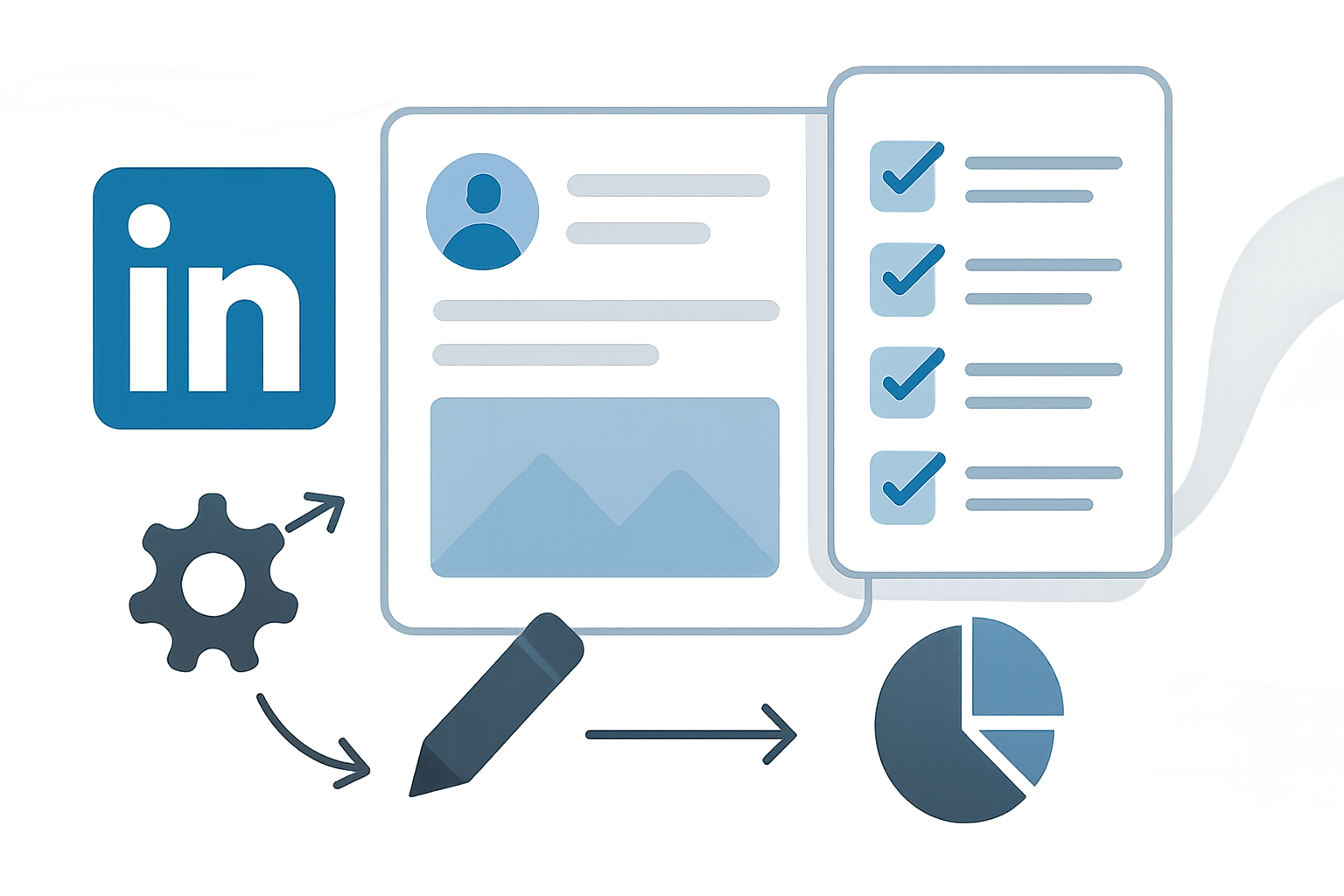
A well-designed LinkedIn content system sets goals, defines a B2B audience, keeps a content calendar, and uses LinkedIn features plus analytics to build authority and generate leads. Implementing it means creating a content mix, posting consistently, engaging with your network, and adjusting based on performance data.
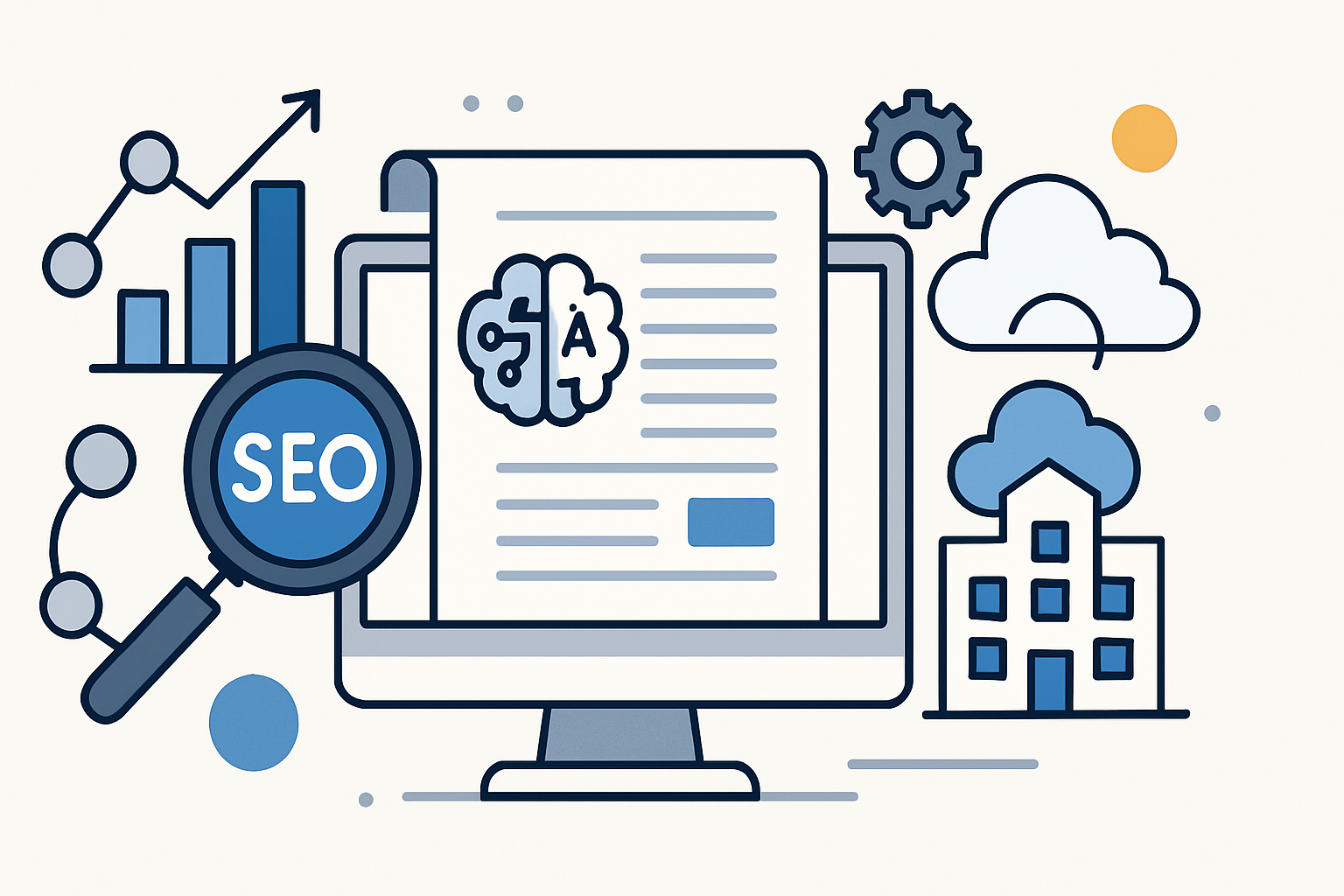
Use a structured, repeatable SEO workflow that starts with keyword research and content planning, continues through optimized content creation, and includes defined roles, tool integration, and ongoing training to improve efficiency, consistency, and search performance. The article outlines a 30-day plan with practical steps to help content teams build and adopt those workflows.
Create a structured LinkedIn content system that sets clear goals, defines a target audience, and publishes consistent, valuable posts. Use LinkedIn analytics to measure engagement and refine what you publish to grow reach and leads.
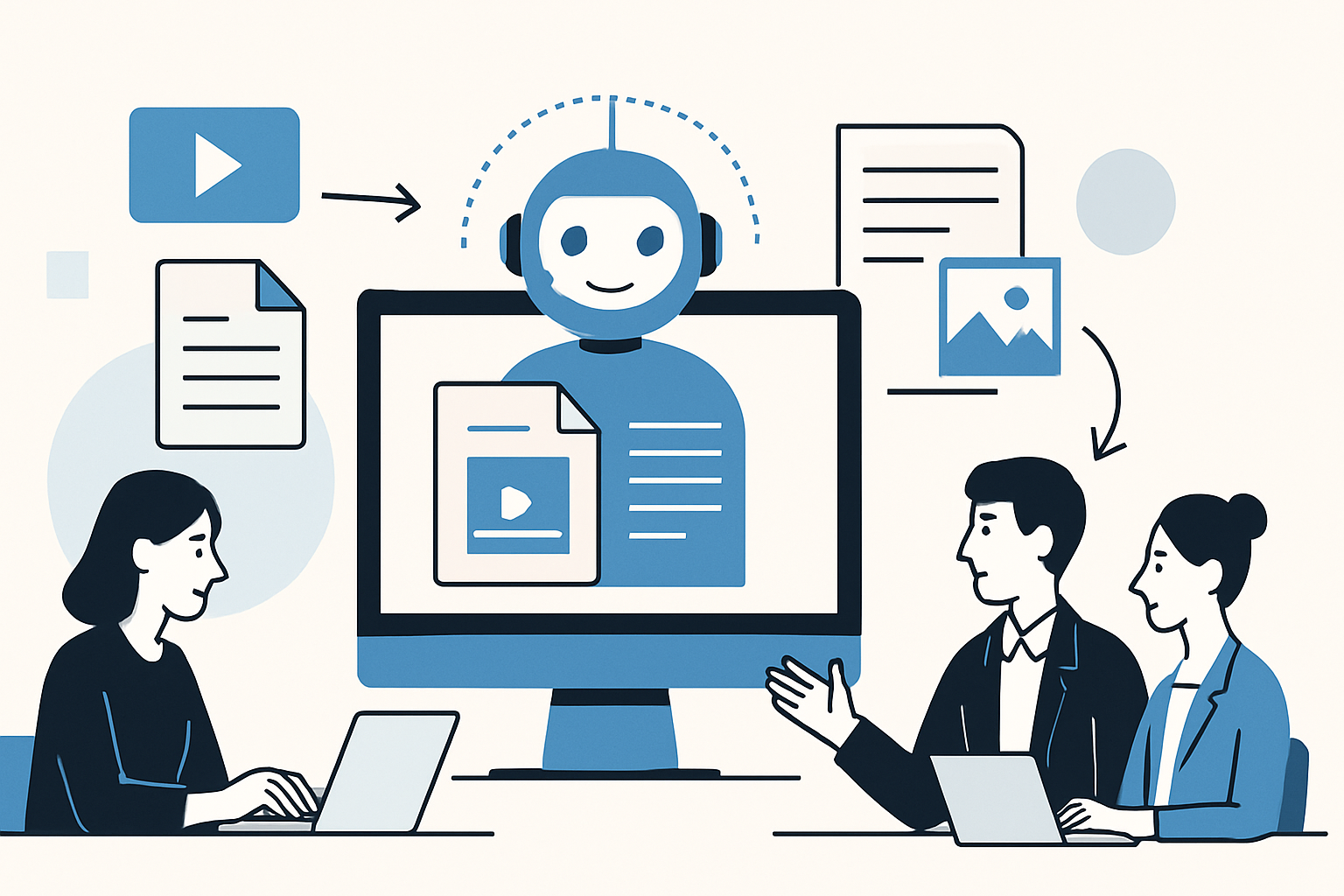
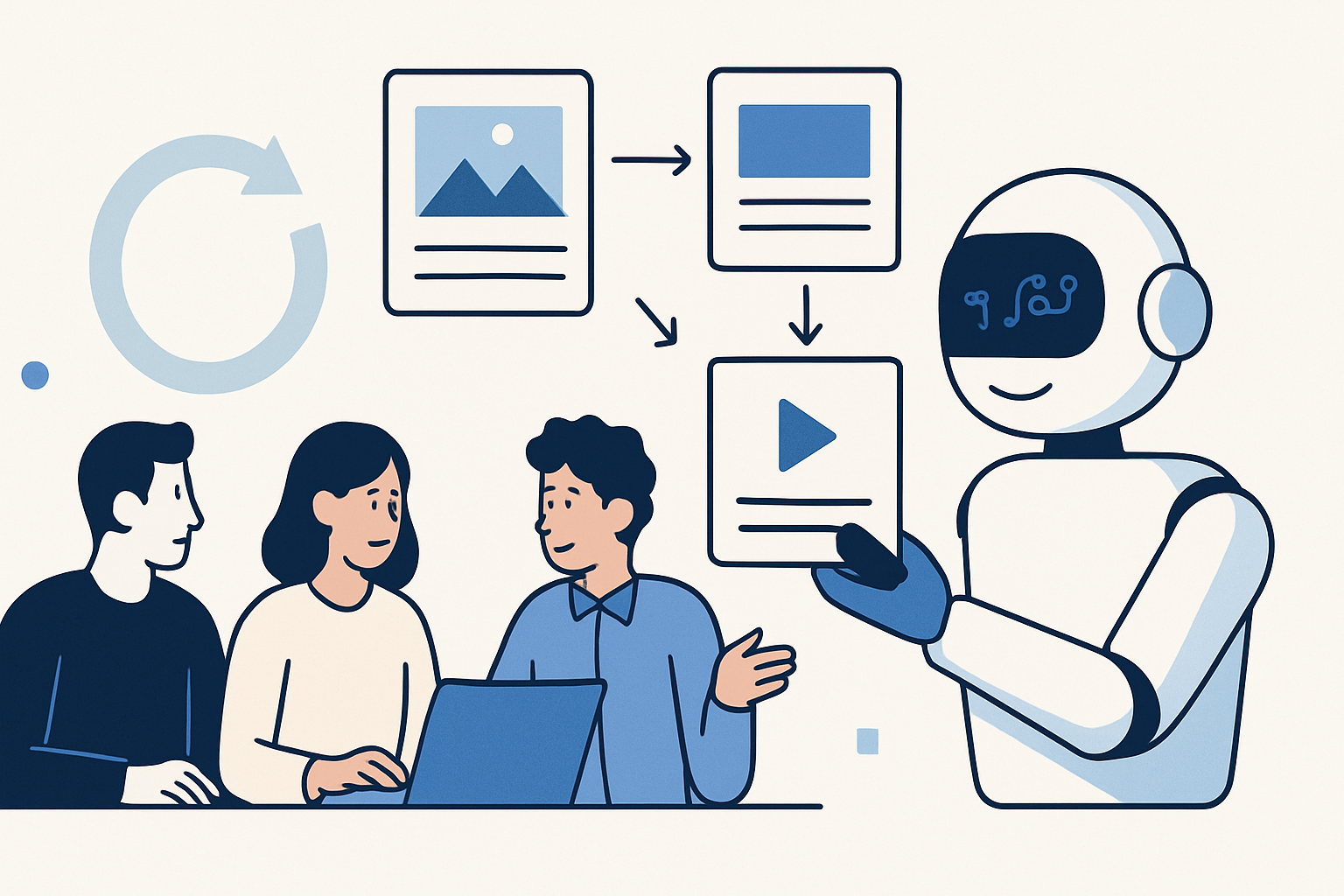
AI-assisted content repurposing turns existing content into new formats to save time and reach more audiences, provided the AI is fed good data and humans review the outputs. The article outlines benefits, common challenges, best practices and real-world examples to apply AI effectively in a repurposing workflow.
AI-assisted content repurposing teams use AI to convert existing content into new formats, which saves time, expands audience reach, and maintains consistent brand messaging across channels. They also use performance data to prioritize the pieces most likely to drive results.
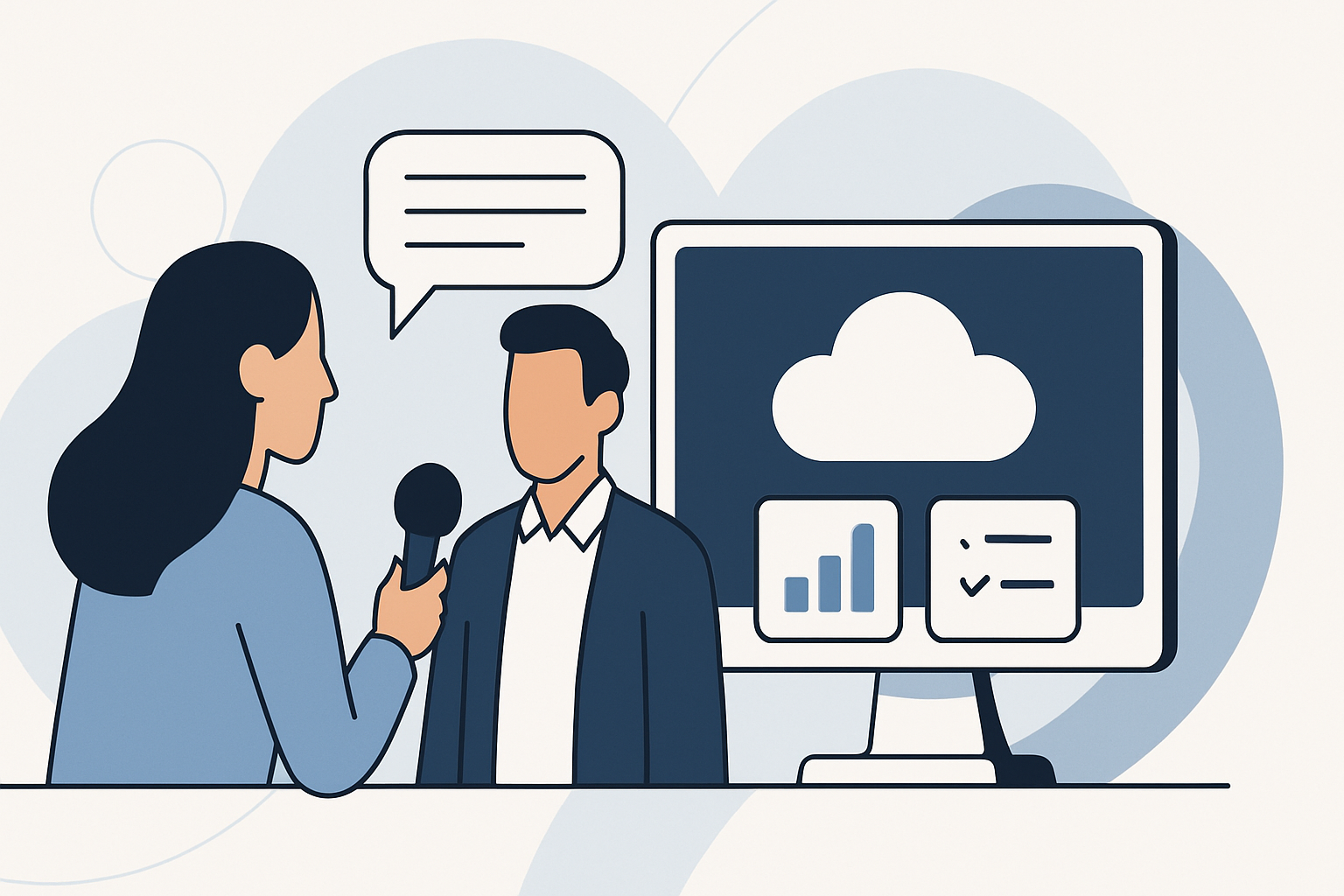
Interview-based content marketing uses recorded conversations with customers, employees, and industry experts to produce authentic, human-centered content that boosts engagement and organic search traffic for SaaS companies. This guide explains the benefits, a clear implementation process, best practices, and common pitfalls to help you add interview content to your marketing mix.
An effective LinkedIn content system aligns specific marketing objectives with a content calendar, audience-focused content types, and ongoing measurement so teams maintain consistent visibility and drive leads. It combines diverse formats and LinkedIn features with active engagement to improve reach and relationships.
Embed AI across your SEO workflow to automate keyword research, generate consistent SEO-ready content, personalize distribution, and apply NLP for voice search. These steps make SaaS content more relevant, easier to scale, and more likely to drive higher organic traffic and engagement.
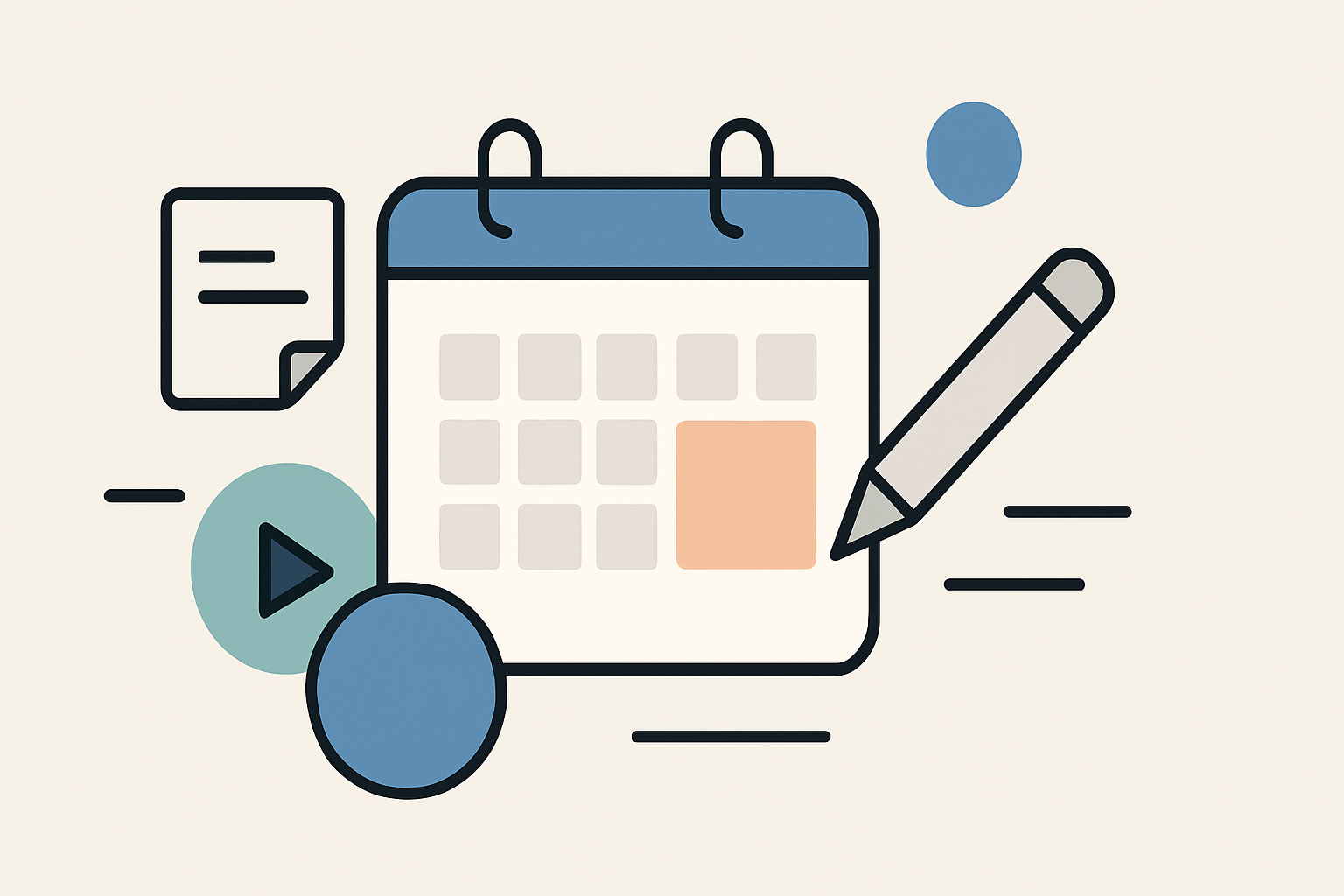
A content calendar is a roadmap that aligns your content with brand goals and audience needs, turning scheduling into strategic planning to keep publishing consistent and productive. This guide explains the tools, templates, theme-based planning, measurement methods, and habits that prevent last-minute rushes.
A well-defined LinkedIn content system that organizes how a team creates, manages, and distributes posts improves engagement and aligns content with business goals. Avoiding common errors such as ignoring audience signals, posting inconsistently, and underusing LinkedIn features leads to clearer results and better audience response.
A structured SEO workflow that starts with keyword research, then content planning, and on-page optimization improves a piece of content's chance to rank and attract the intended audience. Using tools and repeatable steps makes SEO work measurable and easier to apply across multiple pieces.
Use interviews with industry experts, influencers, or clients to create content that increases credibility, builds professional relationships, and produces reusable assets for blogs, podcasts, and video. The article shows how to plan interview subjects, set content goals and channels, apply simple templates, and follow preparation and storytelling practices to make those interviews effective.