Tencent has integrated the OpenClaw AI agent into its most popular app to add real-time language translation, personalized recommendations, and proactive responses that make interactions more intuitive. OpenClaw combines machine learning and natural language processing to adapt to user preferences and suggest solutions based on predicted needs.
OpenAI is changing ChatGPT to reduce awkward, smarmy replies so conversations feel more natural and less jarring. The goal is smoother, more acceptable responses that increase the model's usefulness in settings like customer support, healthcare, and education.
The Pentagon warns that Anthropic's strict safety protocols create an unacceptable wartime risk because those limits can stop AI from acting quickly when fast decisions are required. The article breaks down the Pentagon's reasoning, cites examples where tight safety controls hindered AI response, and outlines practical steps for balancing safety and operational effectiveness.
A flawed instruction given to a Meta AI agent caused sensitive data to be shared with employees who should not have had access. The article explains that imprecise access conditions and gaps in real-time monitoring allowed the AI to disclose data, and it outlines practical lessons and safeguards for organizations deploying AI.
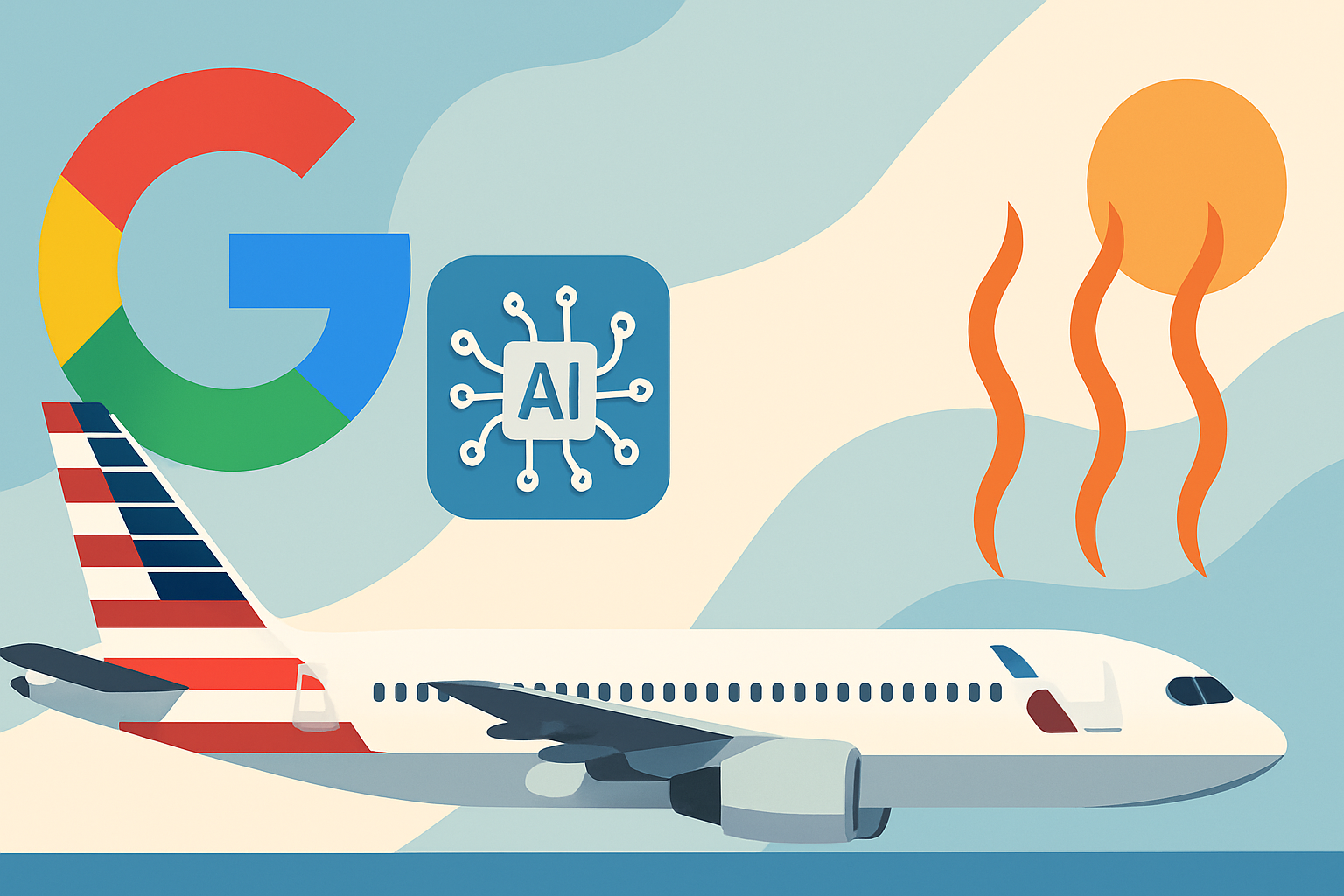
American Airlines and Google say AI reduced trap heat on aircraft, which lowered fuel consumption, cut emissions, and extended the lifespan of aircraft components. The companies report those gains came from applying AI across flight operations and maintenance.
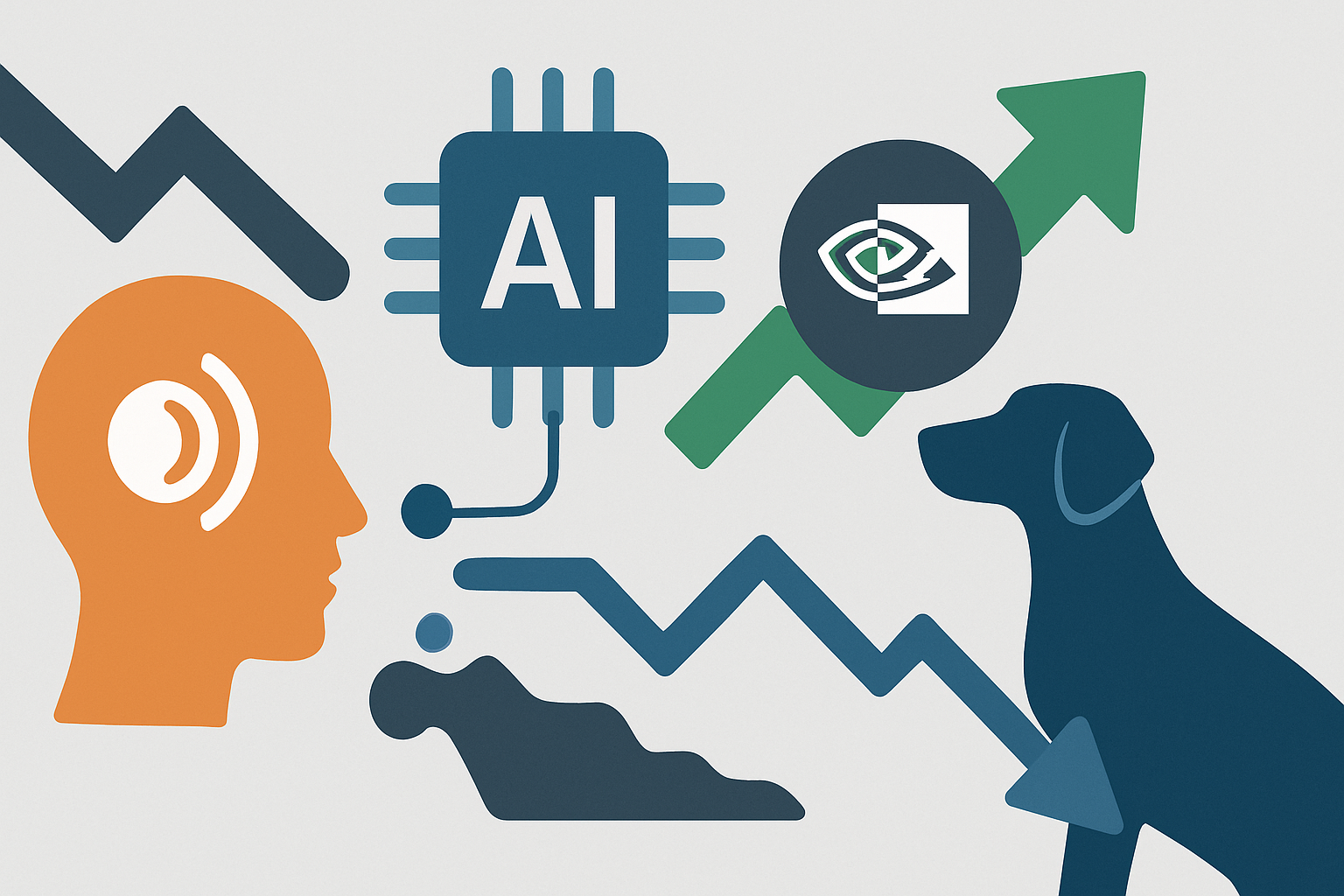
SoundHound AI's 6% stock decline reflects competitive pressure from larger tech firms and shifting investor confidence in the voice AI market. NVIDIA's substantial move into voice AI indicates growing industry focus and could change competitive dynamics for smaller voice AI companies.
Yahoo Scout shows that AI-driven search can support publishers by using machine learning to surface more relevant results, which increases targeted traffic and reader engagement. The tool adapts to user interactions and supplies analytics that help publishers make data-driven content choices.
Combining generative AI with OpenTelemetry produces real-time, predictive observability insights that improve system monitoring, reduce downtime, and inform operational and product decisions. The approach works by standardizing telemetry collection (metrics, logs, traces) and applying AI to detect patterns, anomalies, and likely failures.
Tech giants use private credit to fund large AI projects quickly and avoid diluting existing shares; private credit typically offers faster access and more flexible terms than public financing but increases borrowing and financial risk. Read this article to learn when private credit makes sense, practical best practices for using it, and common mistakes to avoid when financing AI initiatives.
AI adoption in life sciences R&D works when an organization combines a clear, measurable AI strategy with practical pilots and workforce training so teams can apply AI tools to real data and show value. That approach lets organizations improve prediction accuracy and shorten R&D timelines while managing risks like data privacy and skill gaps.
Yes. The article says ServiceNow can outperform general AI tools in specific enterprise tasks because it focuses on operational workflows and practical business applications rather than on general-purpose AI models. That practical focus lets organizations use the platform where embedded automation and business workflows matter most.
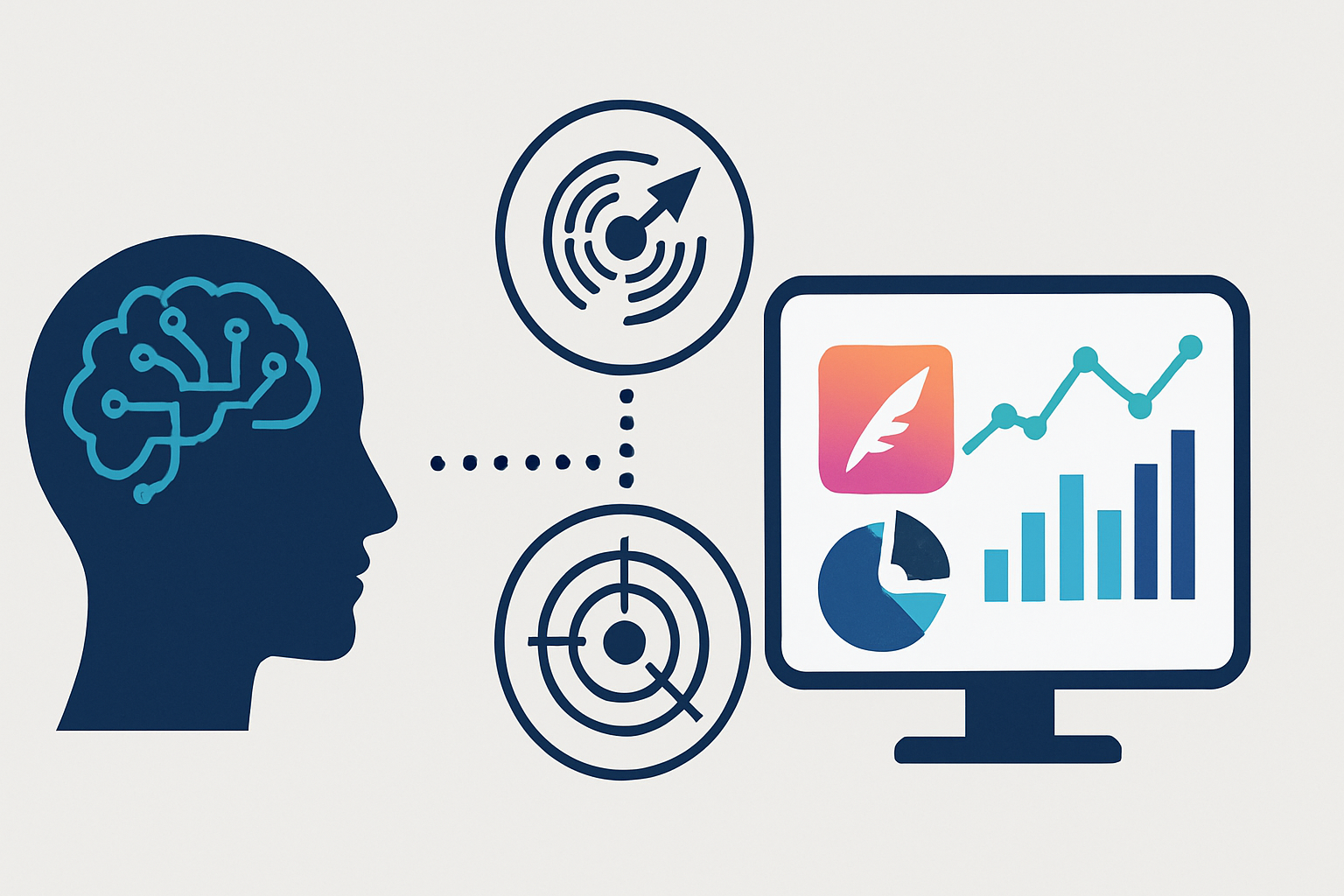
Vibe coding combines human intuition with AI algorithms to measure how exposed U.S. jobs and sectors are to automation. The OpenAI cofounder who applied this method found uneven exposure across the economy, with manufacturing and logistics more susceptible and creative fields less so.