Akasa's demo shows generative AI can assist revenue cycle teams by drafting summaries, retrieving relevant clinical and payer context, and organizing information to cut manual back-office work while leaving final billing and compliance decisions to human staff. The practical payoff is time compression on tasks like documentation review, coding support, and claim follow-up rather than fully autonomous reimbursement.
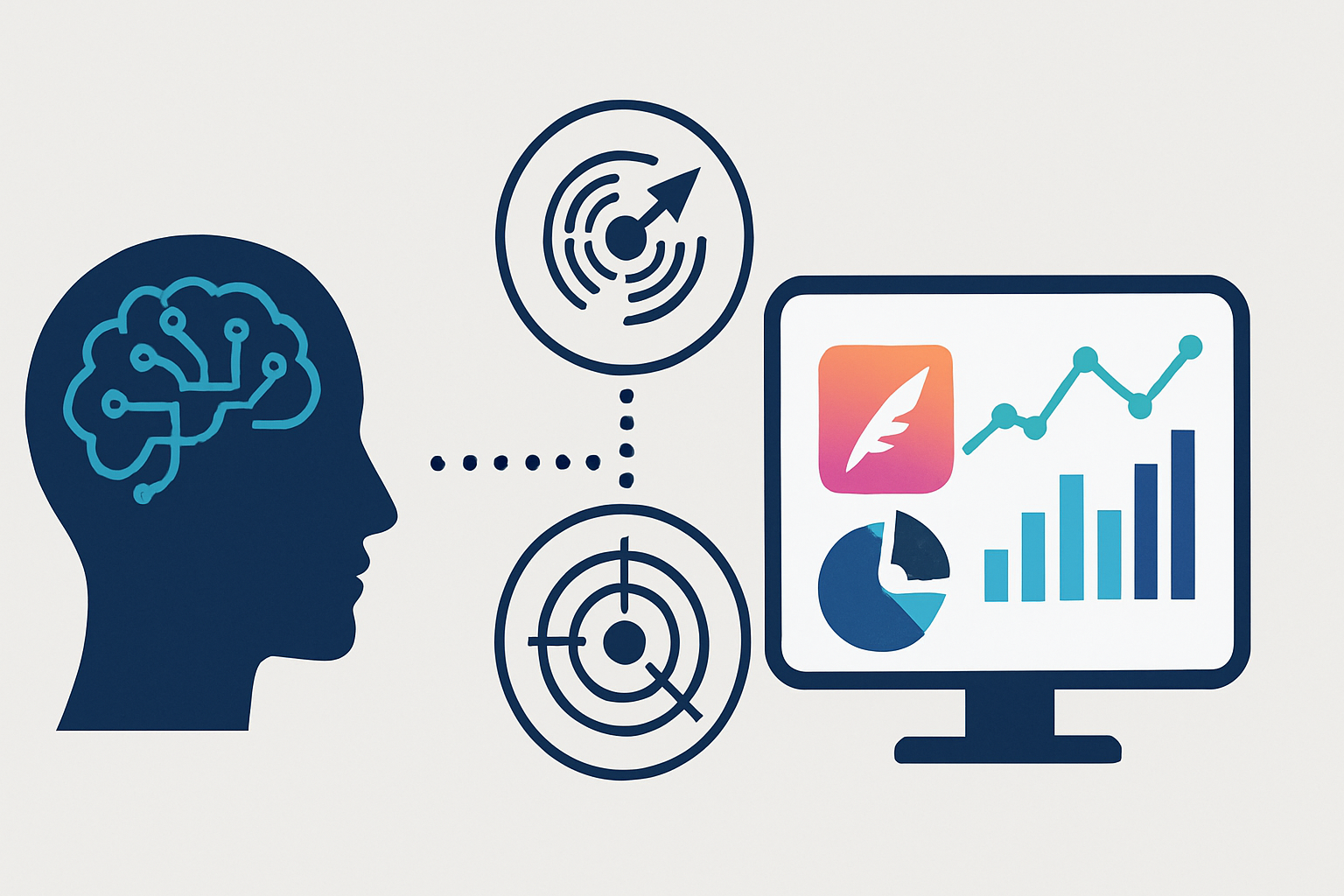
Flashy generative failing performance describes when attention-grabbing AI creative increases impressions or internal excitement but does not improve conversion, retention, or return on ad spend because the workflow optimizes for output volume or visual wow instead of audience relevance, offer clarity, testing discipline, and economic efficiency. The fix is to tie generative output to clear business metrics and testing hypotheses so AI supports measurable performance instead of distracting from it.
Enterprises should implement a systematic, scalable evaluation framework for generative AI that enforces data integrity, defines performance metrics, includes ethical rules and bias detection, and uses feedback loops to improve models over time. Building this framework requires scalable infrastructure, cross-functional teams, and regular updates to keep pace with technical and regulatory change.
Recognition for the best generative AI solutions in 2026 depends on measurable technical and market criteria and on evaluations by industry experts. Once a solution is recognized, it commonly attracts new investment, partnerships, and wider market adoption.
Generative AI is the primary focus for marketers in 2026 because it reduces content production time, enables personalized messaging, and makes it easier to scale campaigns. The metaverse has lost momentum for many marketers due to high development costs, limited user adoption, and unclear ROI.
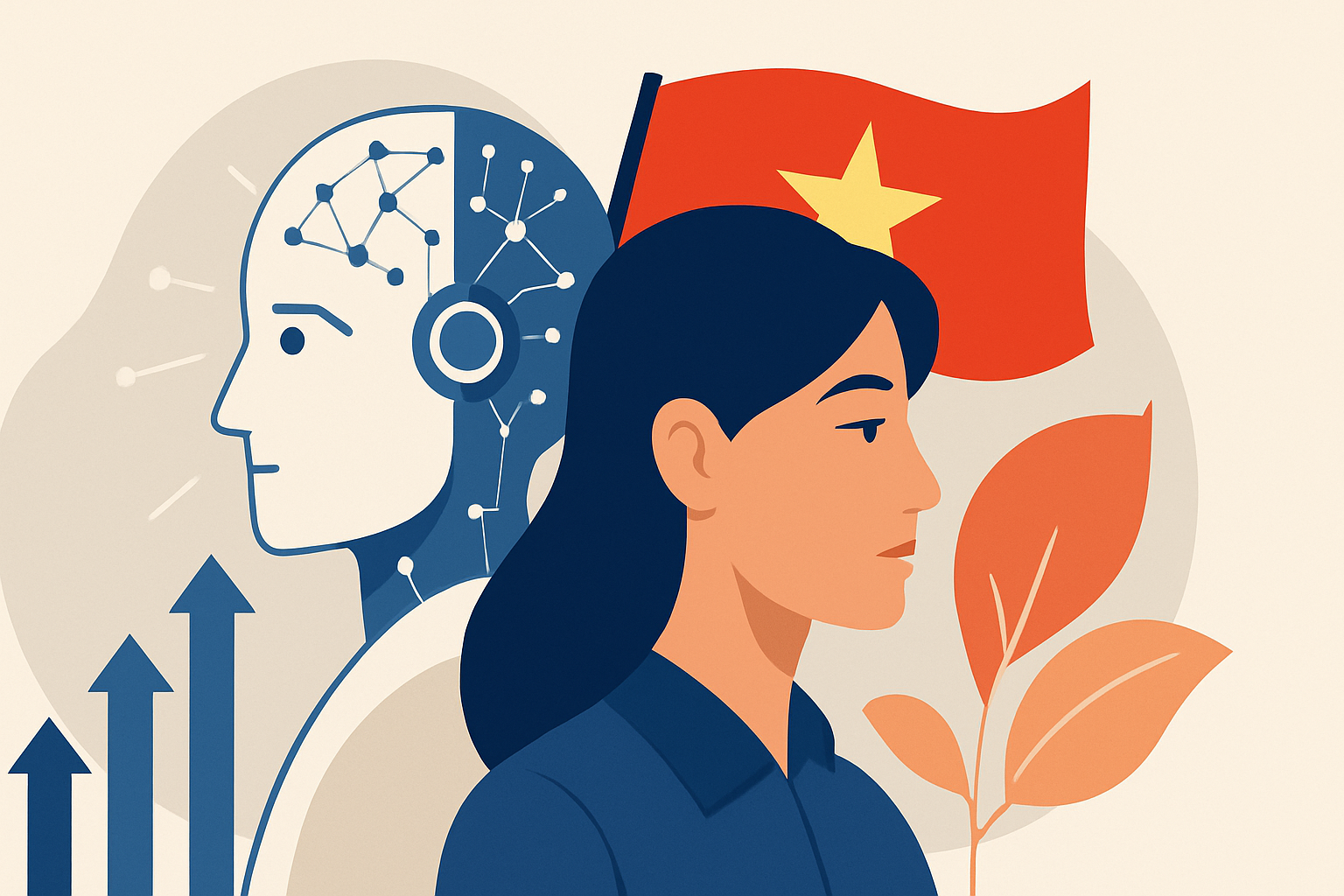
Generative AI is already entering Vietnamese workplaces and can both automate complex tasks and create new job categories, raising productivity across manufacturing, services, agriculture, healthcare and creative fields. The overall effect on employment will depend on policy choices, workforce adaptability and how businesses implement AI.
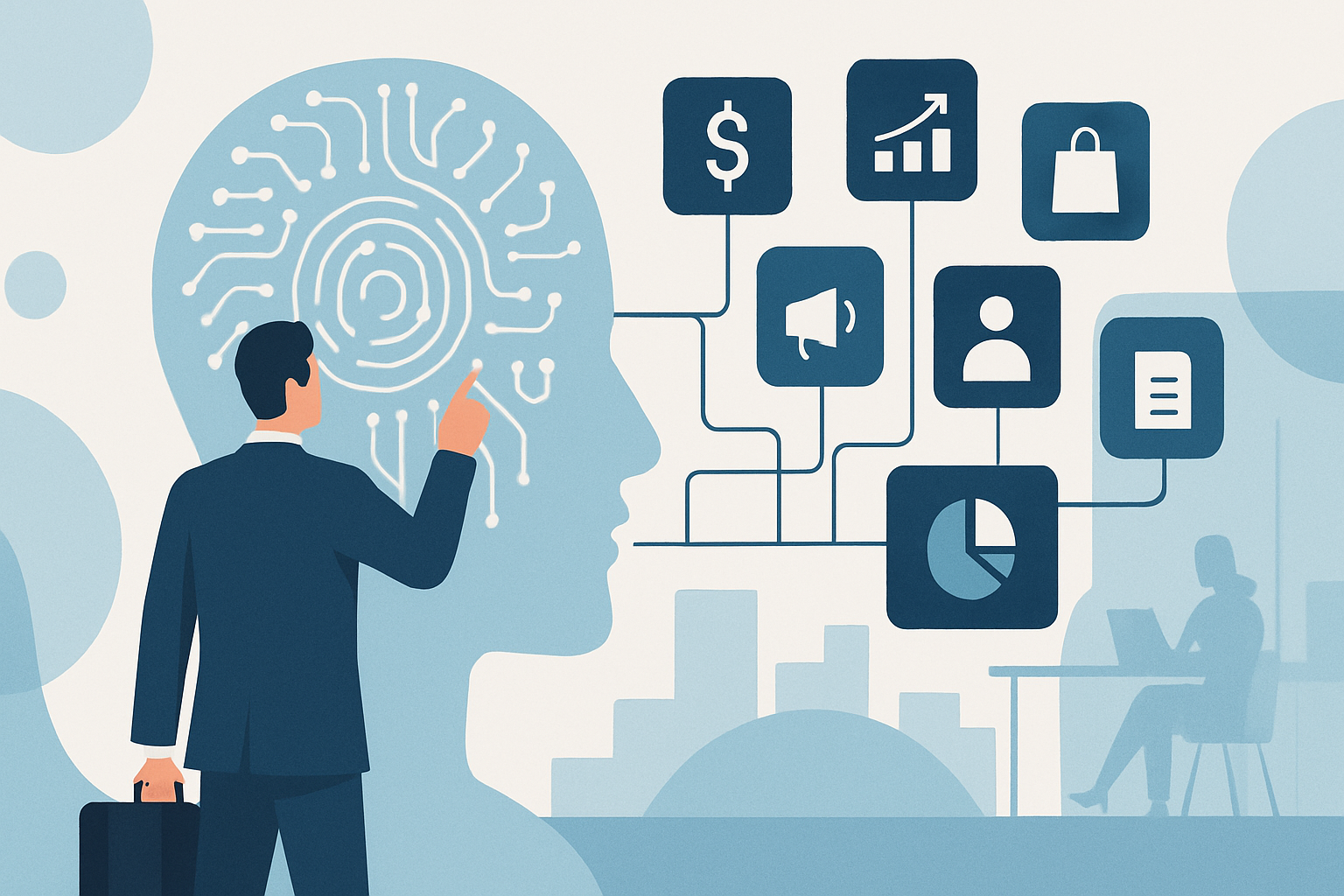
Generative AI is already delivering measurable ROI across functions such as content creation, customer support, product design, and supply chain optimization. This article lists the top 11 business applications for 2026 and gives practical steps and common mistakes to avoid when implementing them.
Generative AI project-tracking systems make project management more efficient by forecasting timelines, optimizing resource use, detecting bottlenecks, and delivering real-time, customizable dashboards that speed decision-making.
Combining generative AI with OpenTelemetry produces real-time, predictive observability insights that improve system monitoring, reduce downtime, and inform operational and product decisions. The approach works by standardizing telemetry collection (metrics, logs, traces) and applying AI to detect patterns, anomalies, and likely failures.
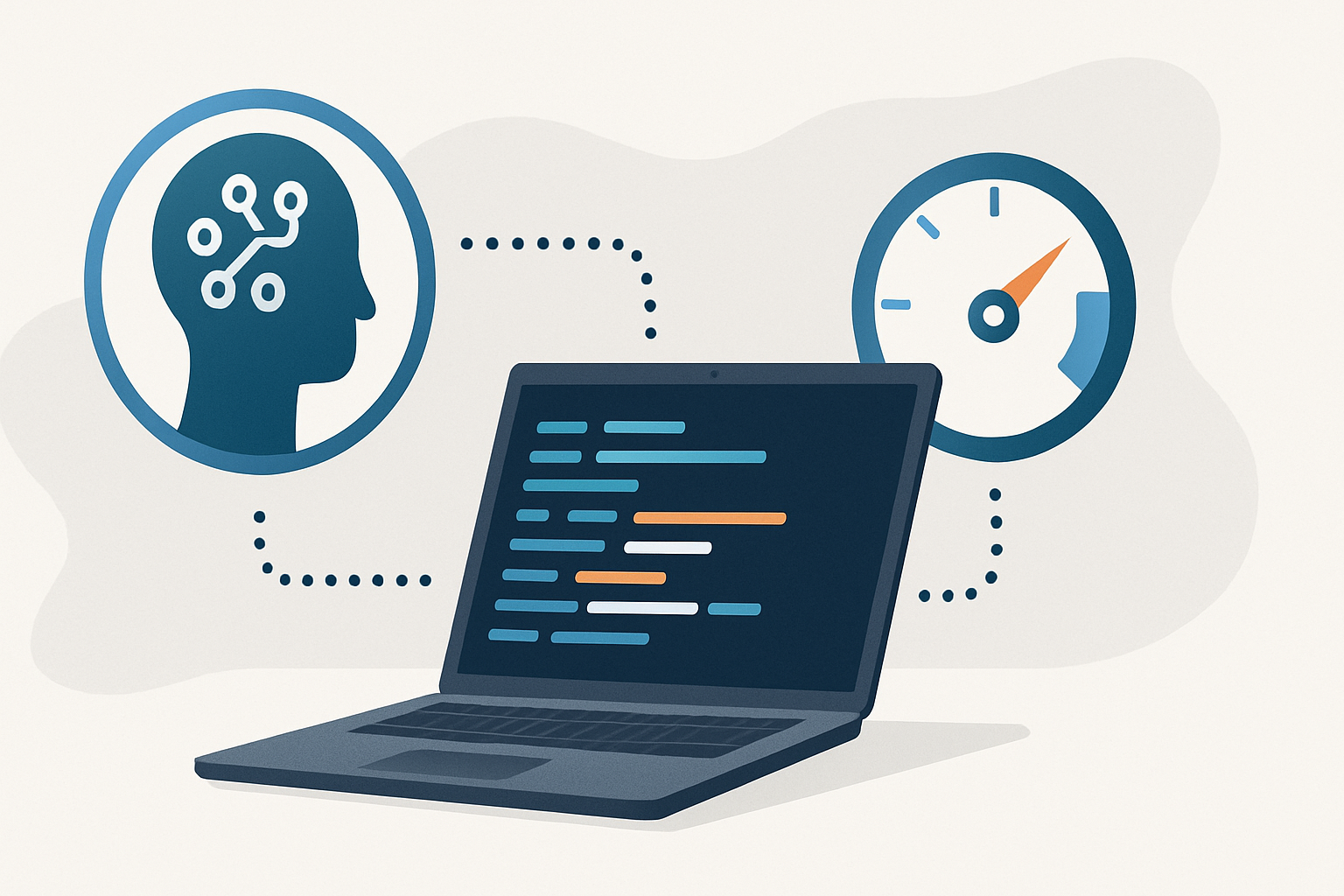
Generative AI speeds software development by automating repetitive, time-consuming tasks across the development lifecycle. It turns high-level descriptions into code, surfaces and fixes bugs more quickly, and produces prototypes so teams can iterate and deliver features faster.
Generative AI is being used in cyber security to predict, detect, and counter threats so organizations can move from reactive to proactive threat management. The market for these generative cyber security solutions is expected to grow significantly as cyber threats rise and more organizations adopt AI, though data privacy concerns and high costs are limiting factors.