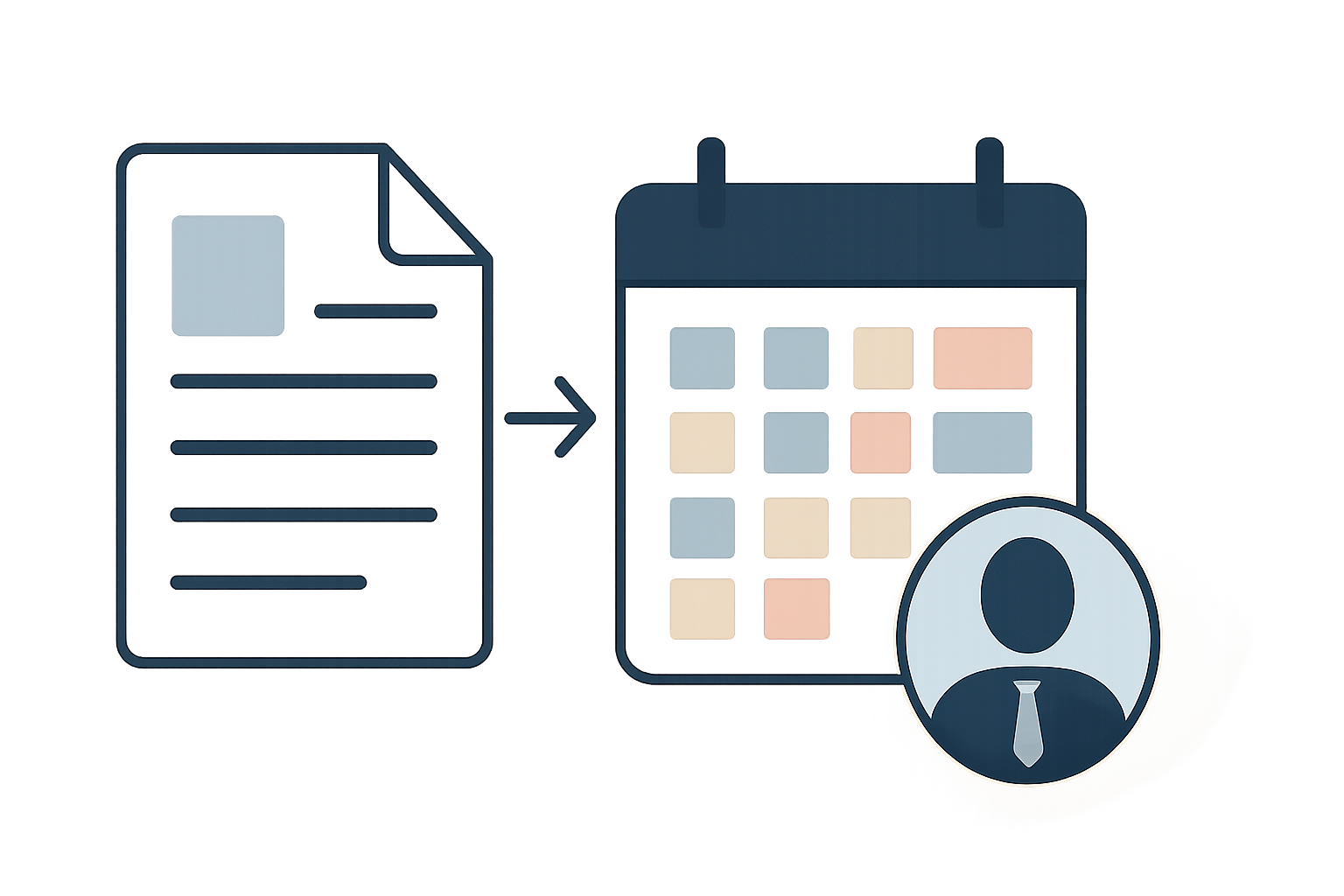
A well-organized content calendar makes B2B marketing strategic and consistent, helping teams keep a reliable publishing cadence, allocate limited resources, and align each piece of content with business goals. The article gives practical templates, case examples, and specific best practices you can use to build and maintain that calendar and measure content performance.
A content calendar is a strategic framework that organizes what to publish, when, and where so consultants can coordinate content across channels. Using simple templates and shared tools keeps the calendar accessible and actionable for teams.
A new group promotes judges' use of AI to speed case handling and support decision-making by supplying intuitive tools that analyze large datasets, produce predictive analytics, and optimize how judicial resources are allocated. The group presents these tools as aids that leave final rulings in the hands of human judges.
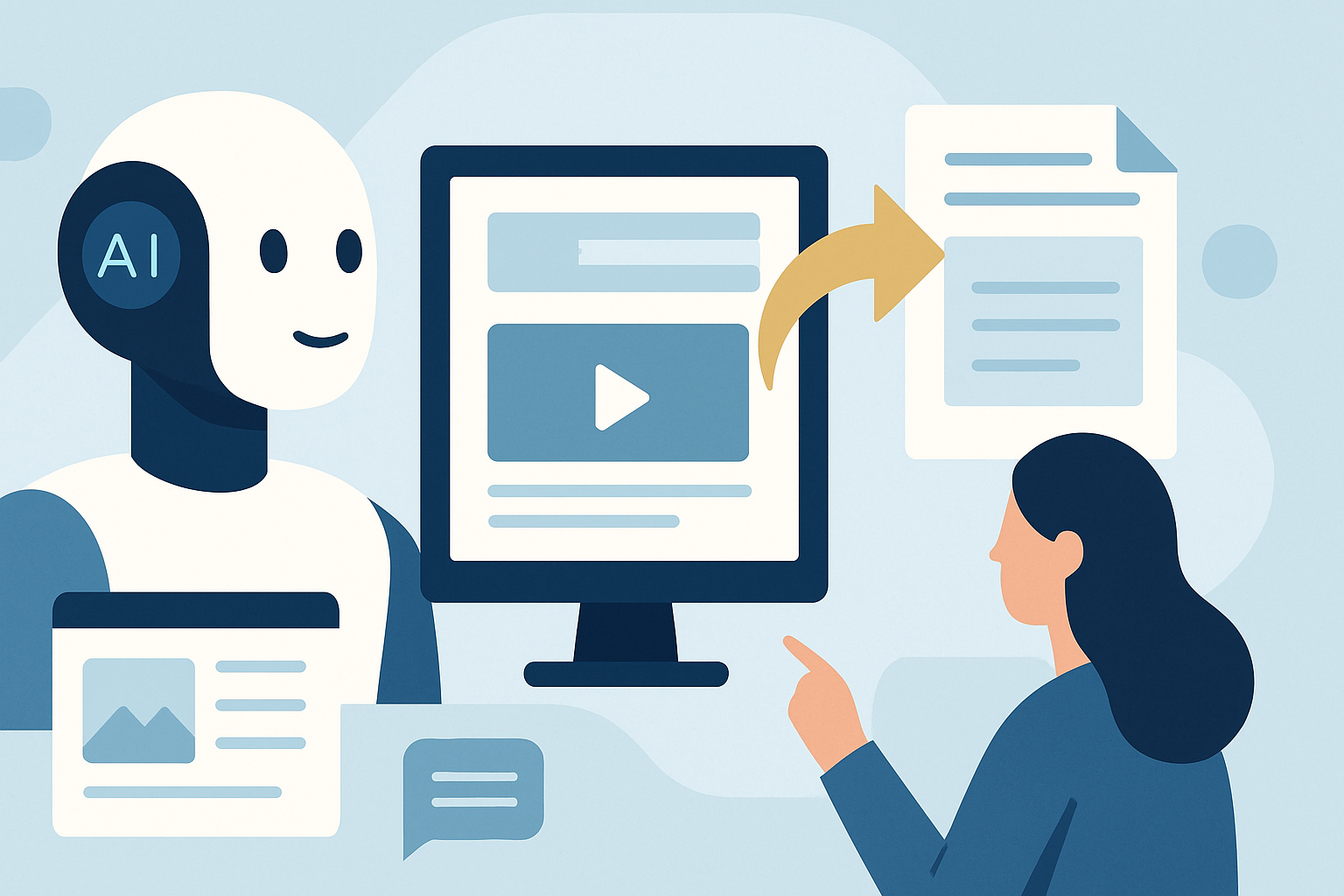
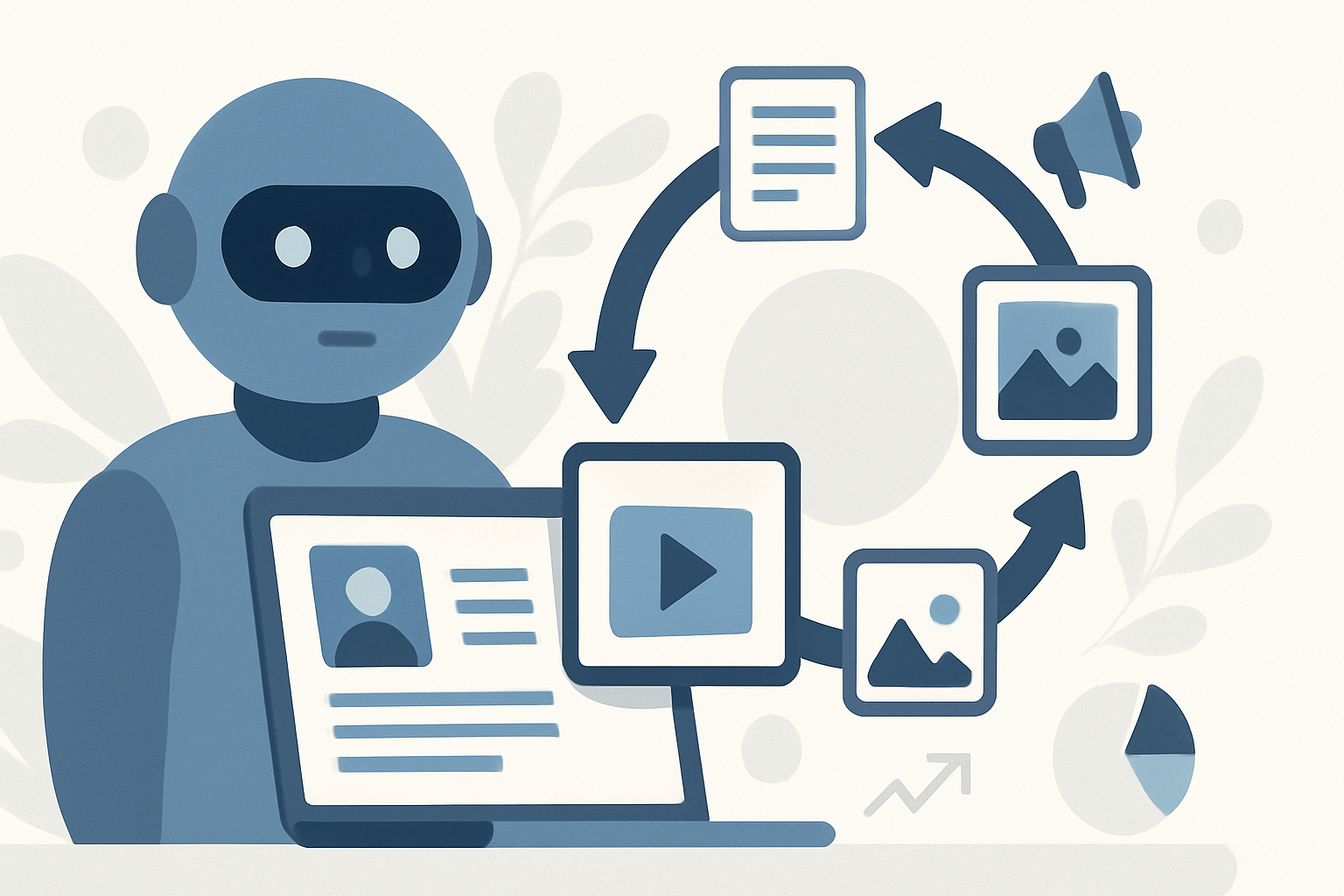
AI-assisted content repurposing marketing uses artificial intelligence to turn existing content into new formats and distribute it across channels to extend reach, raise engagement, and save time. It also automates routine tasks, analyzes audience signals to prioritize repurposing opportunities, and suggests edits and formats that fit each platform.
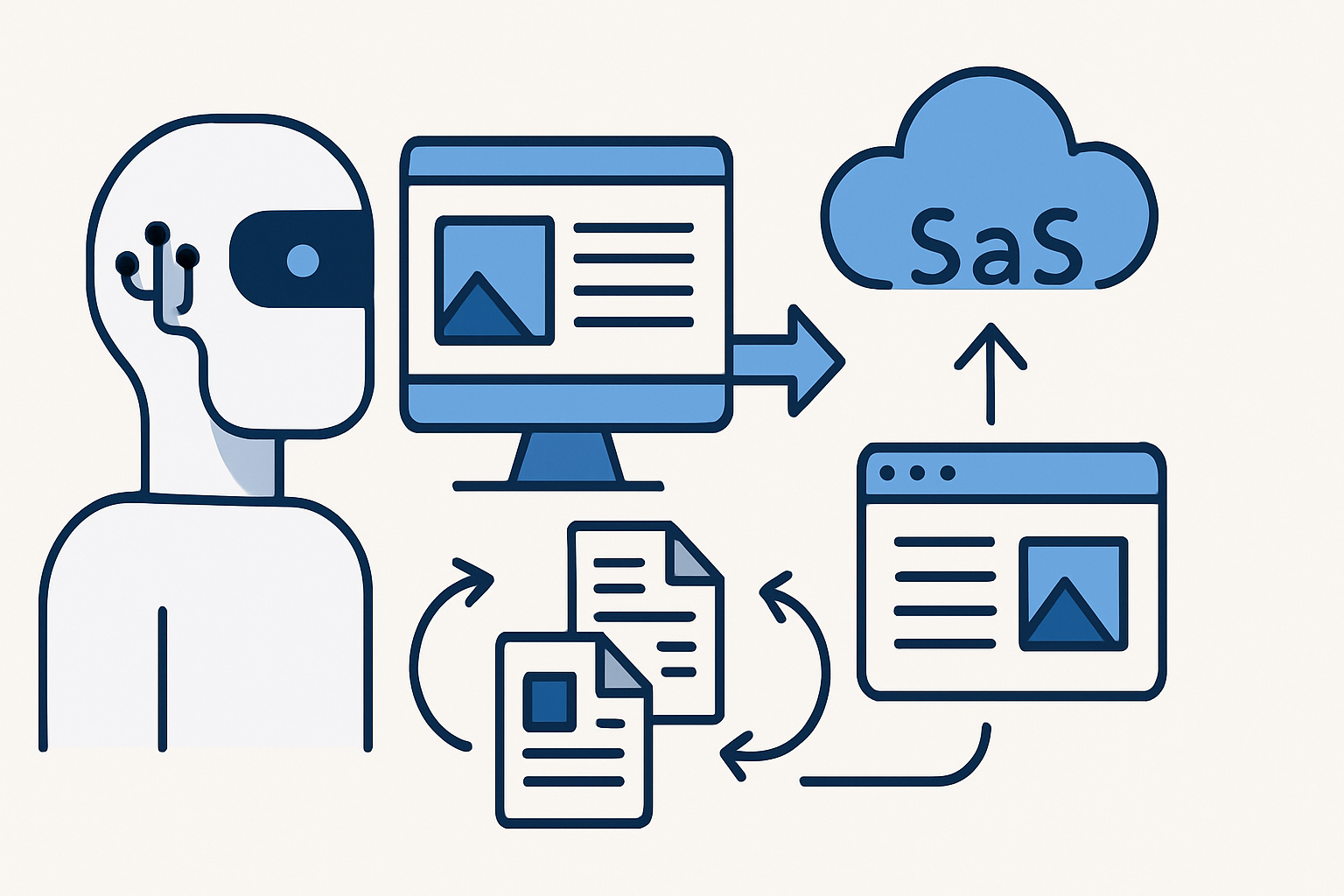
AI-assisted content repurposing SaaS lets companies transform existing content into new formats—videos, infographics, podcasts—to extend its lifespan, broaden reach, save time, and improve engagement and ROI. These platforms automate curation and use analytics and real-time data to identify which pieces to repurpose and which formats will perform best.
A chatbot entirely powered by humans routes user queries through a chatbot interface while human operators provide the responses, combining automated prompts with live human replies to deliver more empathetic and flexible support. Community examples in Chile show the model can raise customer satisfaction and handle sensitive queries in sectors like retail and healthcare.
AI tools transform existing content into new formats to extend its lifespan and improve efficiency, consistency, and personalization across channels. They automate repetitive repurposing tasks and surface high-impact pieces so teams can focus on creative strategy.
Vibe coding is the practice of embedding cultural nuances into digital content so it connects emotionally and feels relatable to audiences. Brands apply it to make messaging feel authentic, and it is especially effective with younger audiences who value authenticity.
Use interviews with industry experts, clients, and internal stakeholders to create content that builds credibility, surfaces insights not found elsewhere, and expands reach through interviewees' networks. Run those interviews on a planned 30-day workflow that covers planning, execution, content creation, distribution, and measurement to keep output consistent and effective.
The fastest path to sustainable newsletter growth is to prioritize high-value content tailored to clearly defined audience segments and to use engagement analytics to iterate on what works. Avoid heavy sales pitches and poor design to keep readers engaged.
Lakewood Ranch Club has embedded artificial intelligence into member engagement and core operations to improve member experience and reduce manual work. The club uses AI in decision-making and routine processes so it can anticipate member needs and run services more efficiently.
Interview-based content marketing teams use expert interviews to produce authentic, credible content that increases engagement and helps position a brand as a thought leader. This guide lays out how to form those teams, run interviews effectively, plan distribution, and address common obstacles.