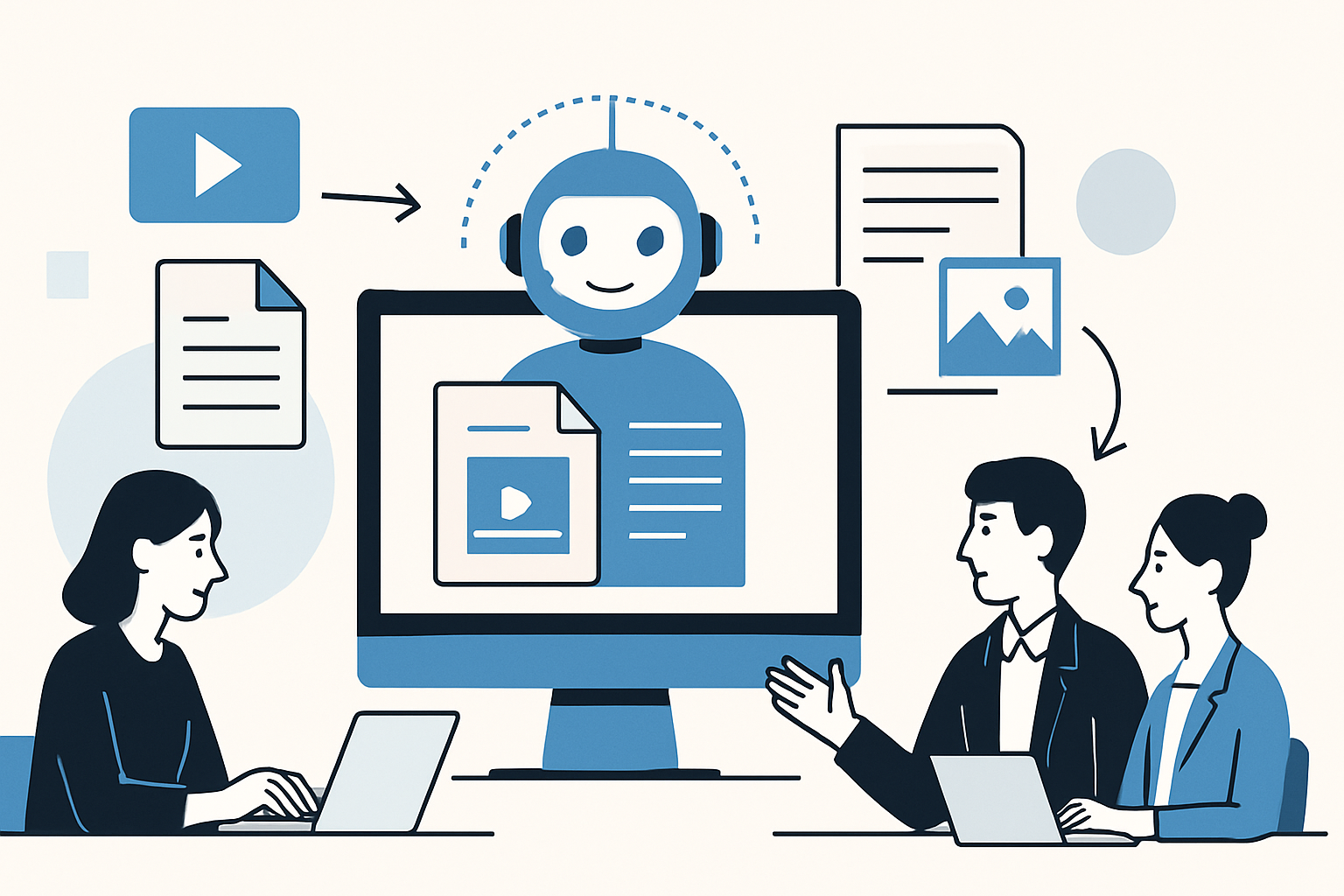
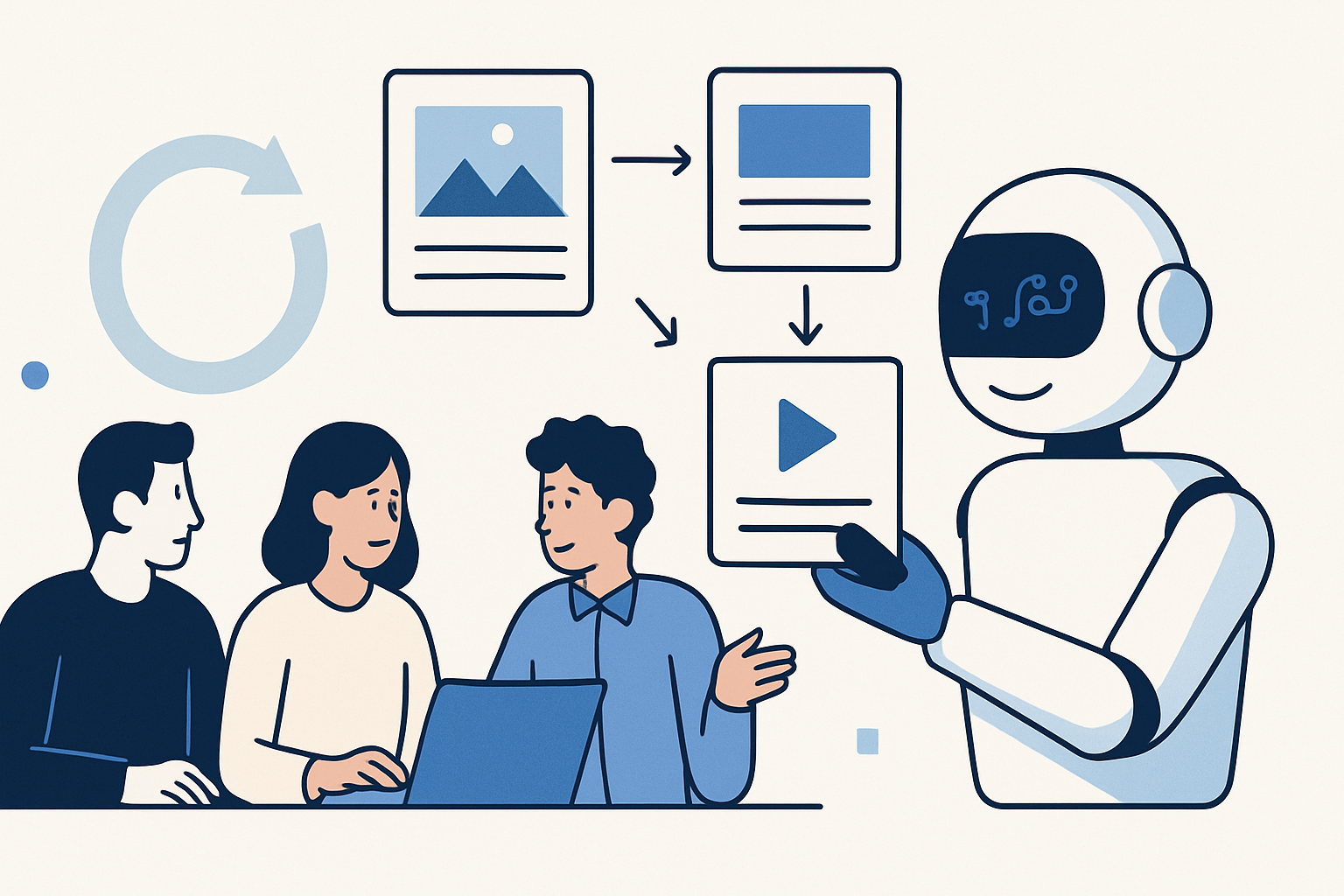
AI-assisted content repurposing consultants use AI tools to convert existing content into new formats so it reaches more channels, saves time, and keeps messaging consistent. The article outlines a practical framework with recommended tools, real-world examples, best practices, and common pitfalls to guide implementation.
Adopt a defined content system: set clear objectives, schedule posts with a content calendar, and use LinkedIn analytics to guide what your team publishes. Combine that system with consistent branding, prompt audience engagement, and relevant LinkedIn features to improve reach and consistency.
Consultants most often hurt newsletter performance by not matching content to audience needs, sending irregularly, skipping personalization, and omitting clear calls to action. Fixing those areas—through audience research and segmentation, a regular schedule with automation, tailored content, and explicit CTAs—improves engagement and lowers unsubscribe rates.
A 30-day content calendar helps consultants plan, prioritize, and measure content so each piece advances a specific business objective and serves a defined target audience. It creates a repeatable workflow for ideation, production, publication, and performance review so you can keep content consistent and improve it with data.
Optimizing LinkedIn content systems for teams means creating a repeatable process that aligns professional, value-driven content with team roles and measurable outcomes. Run that process consistently and use platform results to refine what the team produces.
AI designs candidate drugs that bind and inhibit CDK9 by training machine learning models on biological and clinical data, then running virtual simulations to predict molecular interactions and efficacy. Reported examples include an AI-designed molecule with 30% higher efficacy against CDK9 and another that reduced tumor size in preclinical trials.
A well-designed LinkedIn content system sets goals, defines a B2B audience, keeps a content calendar, and uses LinkedIn features plus analytics to build authority and generate leads. Implementing it means creating a content mix, posting consistently, engaging with your network, and adjusting based on performance data.
The Patreon report finds many creators are leaving algorithm-driven social platforms and using Patreon to take direct control of how they reach and engage their audience. On Patreon creators build closer relationships with fans and reduce reliance on fluctuating platform visibility.
Create a structured LinkedIn content system that sets clear goals, defines a target audience, and publishes consistent, valuable posts. Use LinkedIn analytics to measure engagement and refine what you publish to grow reach and leads.
Data center projects benefit the public by creating local jobs and business activity, cutting environmental impact through renewable energy and efficiency measures, and improving data processing, storage, and scalability for businesses and users. Following site selection, technology integration, and compliance best practices helps ensure those benefits reach local communities and stakeholders.
AI-assisted content repurposing turns existing content into new formats to save time and reach more audiences, provided the AI is fed good data and humans review the outputs. The article outlines benefits, common challenges, best practices and real-world examples to apply AI effectively in a repurposing workflow.
AI-assisted content repurposing teams use AI to convert existing content into new formats, which saves time, expands audience reach, and maintains consistent brand messaging across channels. They also use performance data to prioritize the pieces most likely to drive results.