Artificial intelligence hype dangers are the gap between what AI is marketed to do and what it can responsibly, reliably, and fairly do; exaggerated claims push organizations, workers, and policymakers into rushed decisions with legal, ethical, operational, and social costs. A practical way to evaluate those dangers is to test tools against specific tasks, data quality, human oversight, and clear risk thresholds rather than assume general competence.
AI-led scouting does not point to a single star. It produces five realistic replacement routes that match Barcelona’s budget, tactical needs, chance-creation patterns, and age profile so the club can narrow the market by profile rather than by headline name.
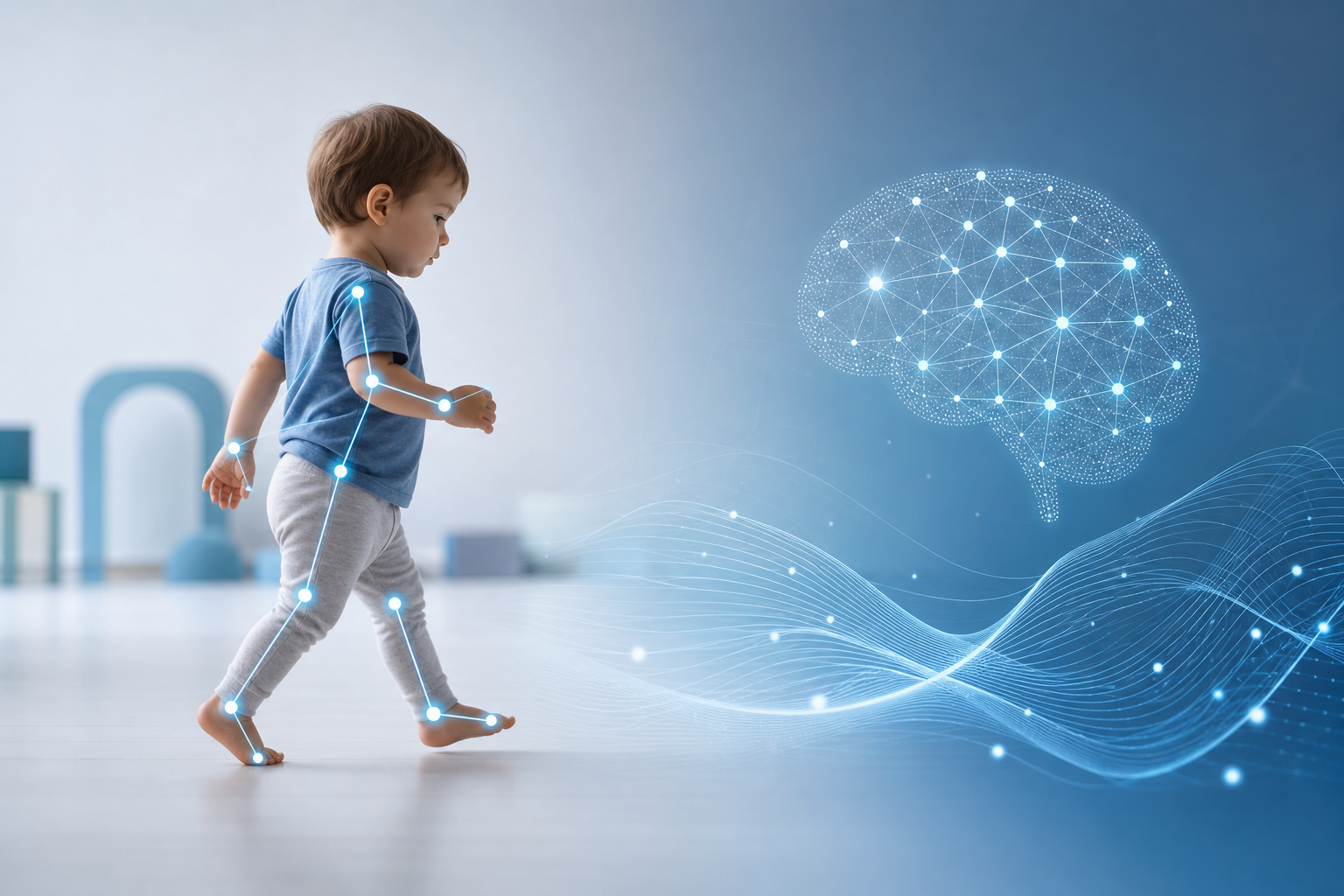
AI detects tiny, frame-by-frame differences in toddler movement—posture, gait, timing, and body coordination—by turning video or sensor data into measurable motion features. Those measurable signals can help flag patterns for clinician review and enrich early screening, but they do not replace a professional diagnosis.
China is building a World Artificial Intelligence Cooperation Organization to create an alternative multilateral venue for AI rules, standards, development cooperation, and diplomatic influence outside institutions shaped by the United States and its allies. Because an organization creates routine processes such as meetings, working groups, and technical exchanges, it can change procurement choices, regulatory language, and which countries get a voice in the next global digital order.
AI cardiology applications apply machine learning and related methods to ECGs, echocardiograms, CT scans, lab values, and electronic health records to support diagnosis, risk prediction, triage, and treatment planning. They improve detection of subtle patterns across large, scattered datasets but deliver value only when models are validated, provide interpretable outputs, and are embedded into actual clinical workflows.
Asia-pacific artificial intelligence optimised means data centers and operating models built for GPU-heavy AI training, inference, and high-density compute across Asia-Pacific markets. These facilities combine higher rack density, specialized cooling and power, fast east-west networking, and governance controls to meet regional latency, energy, and compliance constraints.
AI will augment bankers by processing large datasets and automating routine tasks. It cannot replicate the trust, empathy, personalized service or the nuanced ethical and regulatory judgment that bankers provide.
The artificial intelligence market is set for rapid growth in 2026 because automation, generative AI, and AI-driven decision-making are driving wider adoption across multiple sectors. Businesses in manufacturing, healthcare, finance, retail, agriculture, and transportation are applying AI, while privacy, ethics, and algorithm transparency remain key concerns.
Airbus aims to use artificial intelligence to make air travel safer, more efficient, and more personalized by applying AI across maintenance, navigation, passenger services, and fuel management. The article highlights predictive maintenance, autonomous navigation, personalized services and boarding, and route and engine optimization to cut fuel use.
AI is changing drug discovery, clinical trials, and personalized medicine by improving efficiency, reducing R&D costs, and shortening time to market. Companies that adopt AI can gain competitive advantages, but they must address data privacy, legacy system integration, and skill gaps.
The best artificial intelligence stocks are shares in companies that lead AI development and put AI into their core operations; the article highlights NVIDIA, Alphabet, and Microsoft as primary examples. Investing in these stocks can be rewarding if you research each company’s market position, R&D strength, and partnerships, diversify your holdings, and keep an eye on regulatory and ethical developments.
Bowman Artificial Intelligence Financial systems are AI-powered platforms banks and insurers use to improve decision-making and operational efficiency by analyzing large datasets for fraud detection, personalization, and real-time analysis. Deploying these systems requires attention to data privacy and regulatory compliance plus investment in infrastructure and staff training.