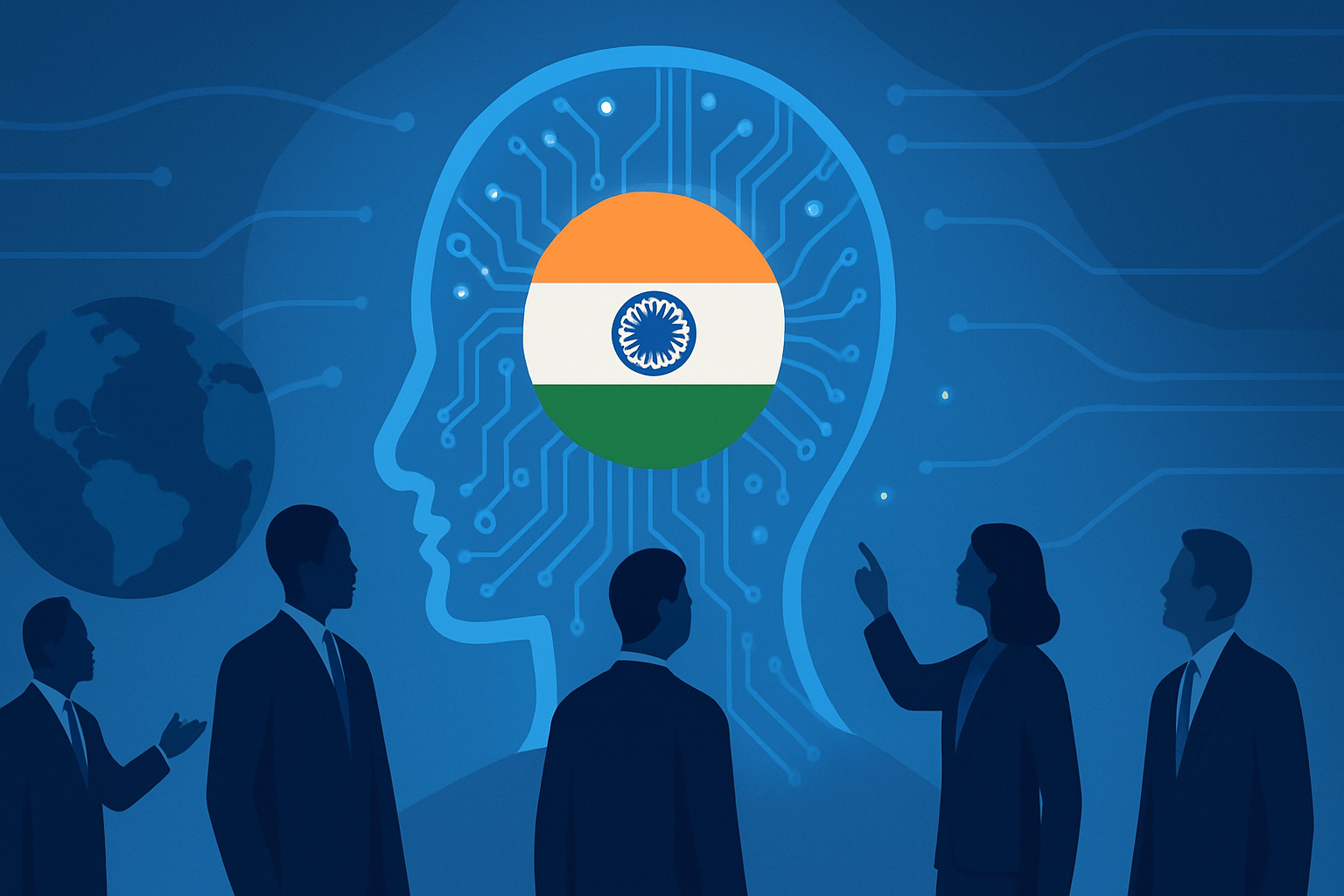
India is emerging as a leading AI adopter because coordinated investments in digital infrastructure, STEM education, and public and private partnerships have enabled rapid development and real-world AI deployments across sectors. Those efforts are producing practical applications and startups that apply AI in healthcare, agriculture, and e-commerce.
AI is reshaping developer choice by embedding AI tools into everyday workflows so decisions about frameworks, languages, tools, and practices are increasingly guided by automation and model-driven insights. That integration reduces repetitive work, frees developers to focus on harder problems, and makes tool selection more data-driven.
Mistral bought Koyeb to integrate Koyeb's cloud-native platform and increase its compute capabilities for data processing and microservices deployment. The acquisition is meant to strengthen Mistral's cloud infrastructure, enable it to handle more complex workloads, and expand its competitive product offering.
A US appeals court fined a lawyer $2,500 after an AI tool produced multiple plausible-sounding but incorrect facts in a submitted legal brief, and the court held the lawyer responsible for those errors. The decision signals that using AI in legal work carries professional and legal risk.
Google runs AI mode on Flash to speed up AI processing and enable real-time data analysis while improving scalability, energy use, and hardware reliability. That setup supports latency-sensitive services such as language translation and image recognition but brings trade-offs around cost, system compatibility, and data security.
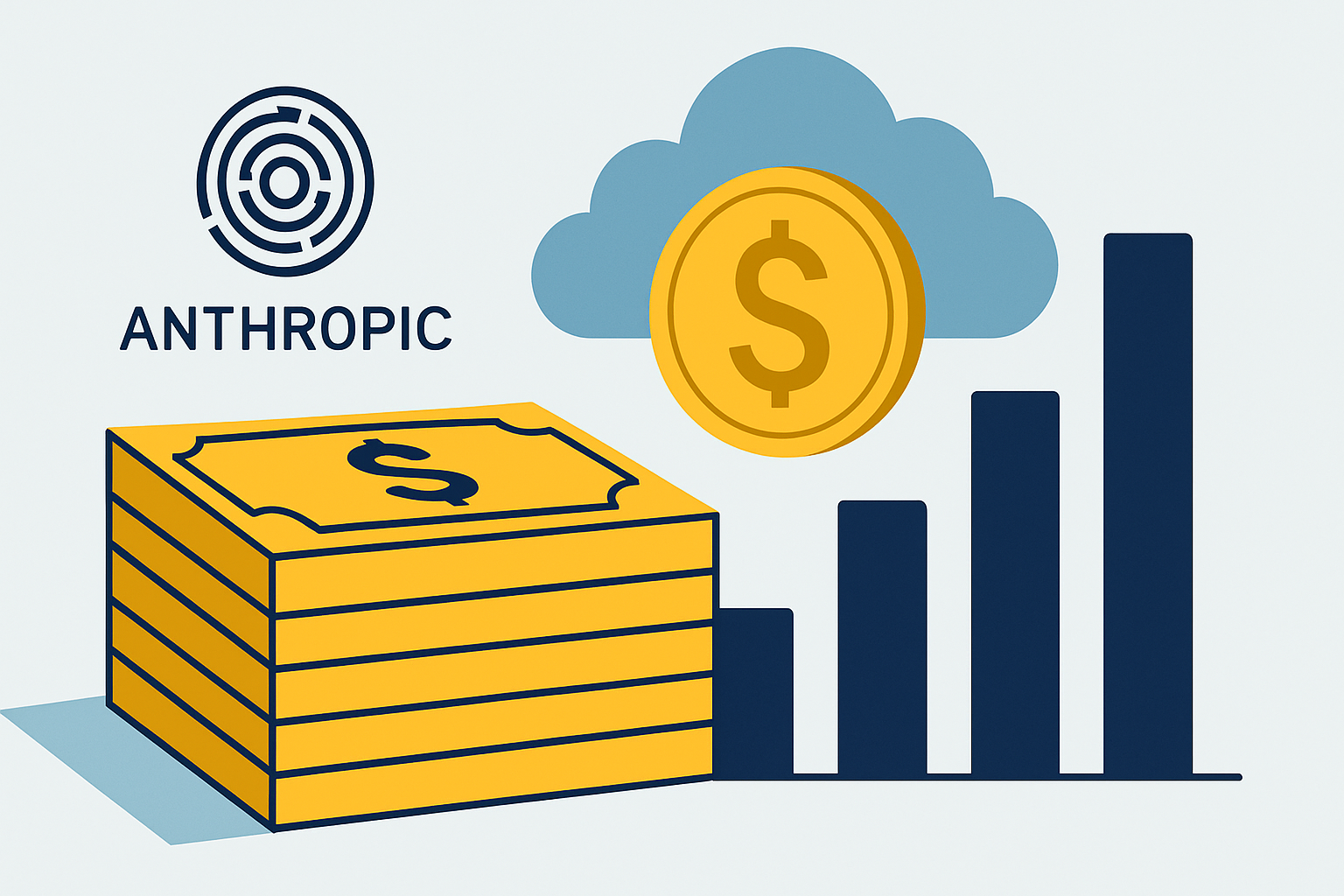
Anthropic plans to commit $80 billion to cloud partners through 2029 to secure long-term access to cloud infrastructure and accelerate its AI development. The funds are intended to boost partner capacity, support technology and security upgrades, and expand practical AI applications across industries.
AI platforms such as MLQ.ai let investors use large-scale data analysis, predictive models, and automation to improve decision-making and portfolio efficiency. By analyzing historical data, simulating scenarios, and automating routine tasks, these tools help investors identify patterns, assess risk, and act faster on market signals.
Meta is integrating facial recognition into its smart glasses to identify people in real time by matching live camera captures to a face database. That capability supports use cases such as networking, retail personalization, and security while also raising privacy and surveillance concerns that depend on transparency, consent, and strong data protection.
The Pentagon deployed Anthropic's Claude to analyze intelligence in real time and provide decision-support recommendations used during planning and execution of the Maduro raid. Claude sped up processing of large datasets and generated actionable insights that informed mission timing and targeting.
Anthropic donated $20 million to a group that advocates for AI regulation, with the contribution timed in part for the 2026 elections. The funding is meant to influence policy development and add resources to regulatory efforts.
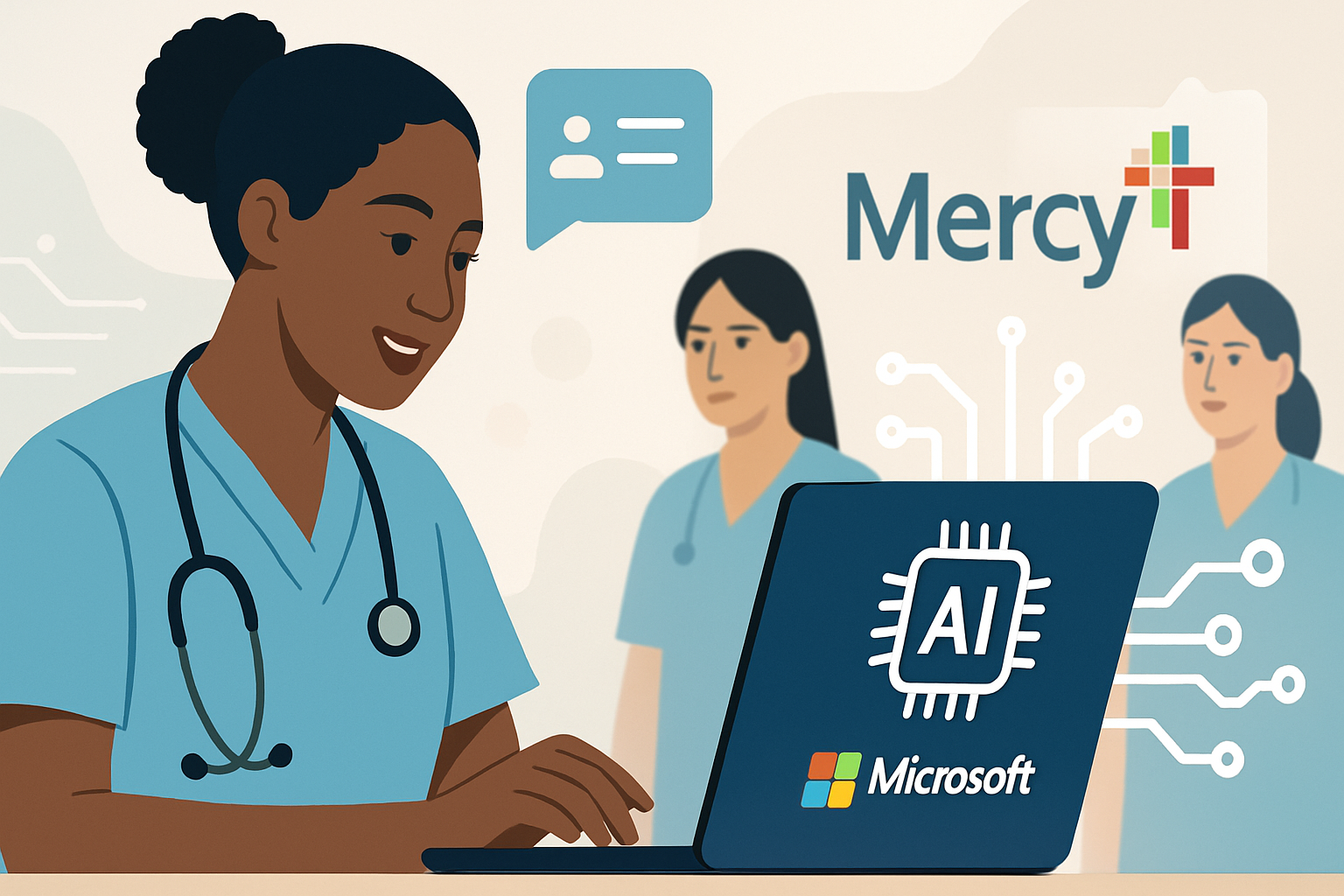
Mercy nurses are piloting an AI tool developed with Microsoft that automates and structures patient documentation so nurses spend less time on manual data entry and have more accurate, accessible records. The pilot is intended to reduce administrative burden and allow nurses to focus more on direct patient care.
AI transforms back-office operations by automating routine tasks, improving accuracy, and generating analytics that speed processing and support better decisions. Applied across administrative and financial workflows, AI can reduce manual work, shorten cycle times, and improve customer response.