Data center projects benefit the public by creating local jobs and business activity, cutting environmental impact through renewable energy and efficiency measures, and improving data processing, storage, and scalability for businesses and users. Following site selection, technology integration, and compliance best practices helps ensure those benefits reach local communities and stakeholders.
The Omaha FBI warns that criminals are increasingly using AI to commit identity theft, create deepfakes, and automate cyberattacks that can target people and critical infrastructure. To respond, individuals and organizations should strengthen security controls, train staff to recognize AI-enabled scams, and adopt detection tools and updated data-protection policies.
Google and Character.ai reached a settlement in a lawsuit that alleged their chatbot contributed to a teenager's suicide. The agreement makes clear that companies can be held responsible for harms linked to their AI and raises expectations for stronger safety, transparency, and regulatory oversight.
On-demand webinars that teach DataOps give teams practical, reusable training and case-based guidance so organizations can prepare their data pipelines and processes to support generative AI projects.
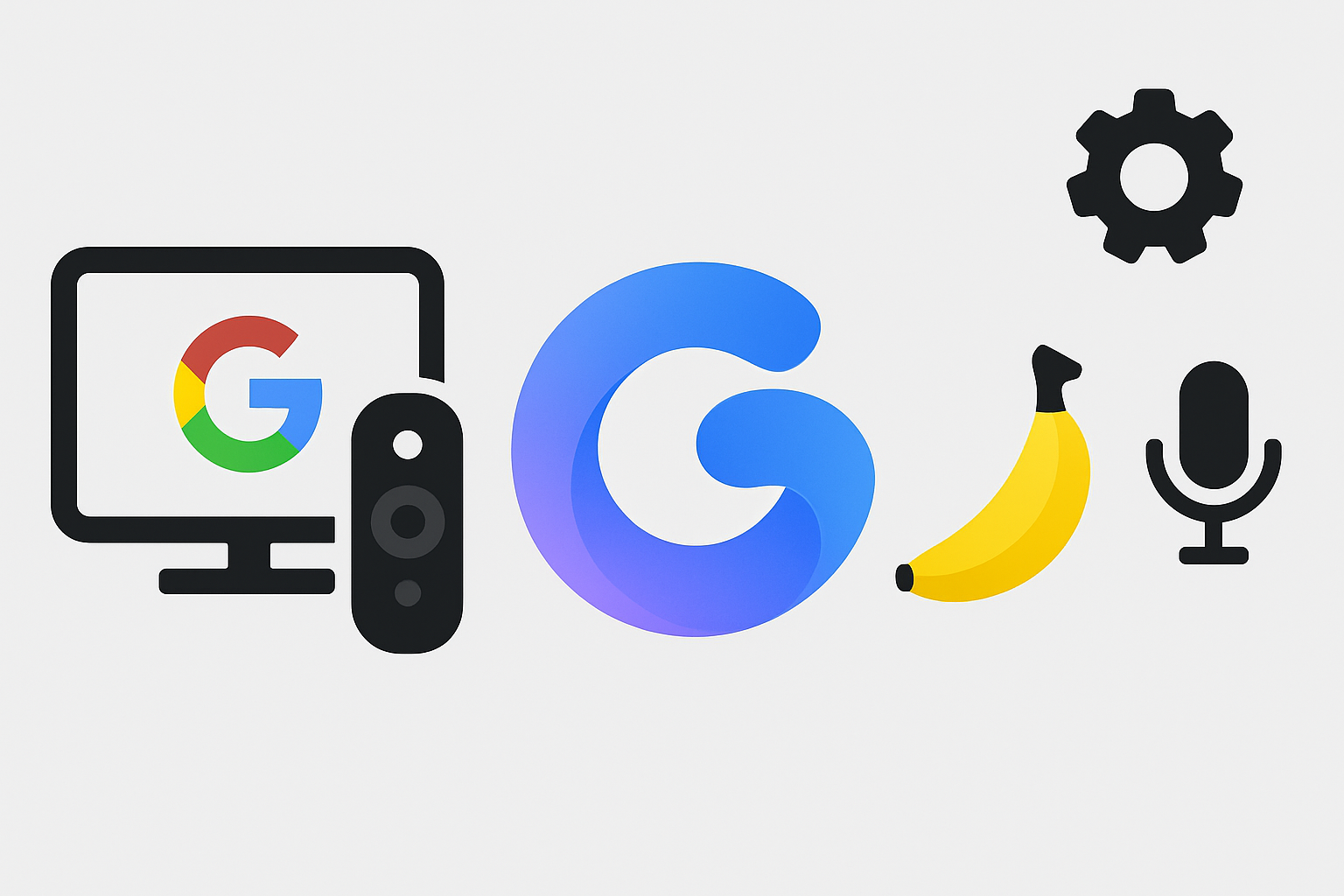
Gemini on Google TV is being updated with Nano Banana and new voice-controlled settings so users can control playback and navigation hands-free while getting AI-driven content recommendations. The update is designed to improve accessibility and make content discovery and parental controls easier through voice interaction.
AI has moved from early experiments to practical tools in real estate, powering market analytics, virtual property tours, chatbots, and personalized customer experiences that help agents forecast trends, automate routine tasks, and match clients with properties. Successful adoption requires a clear implementation strategy, staff training, and ongoing system updates while managing data privacy and integration issues.
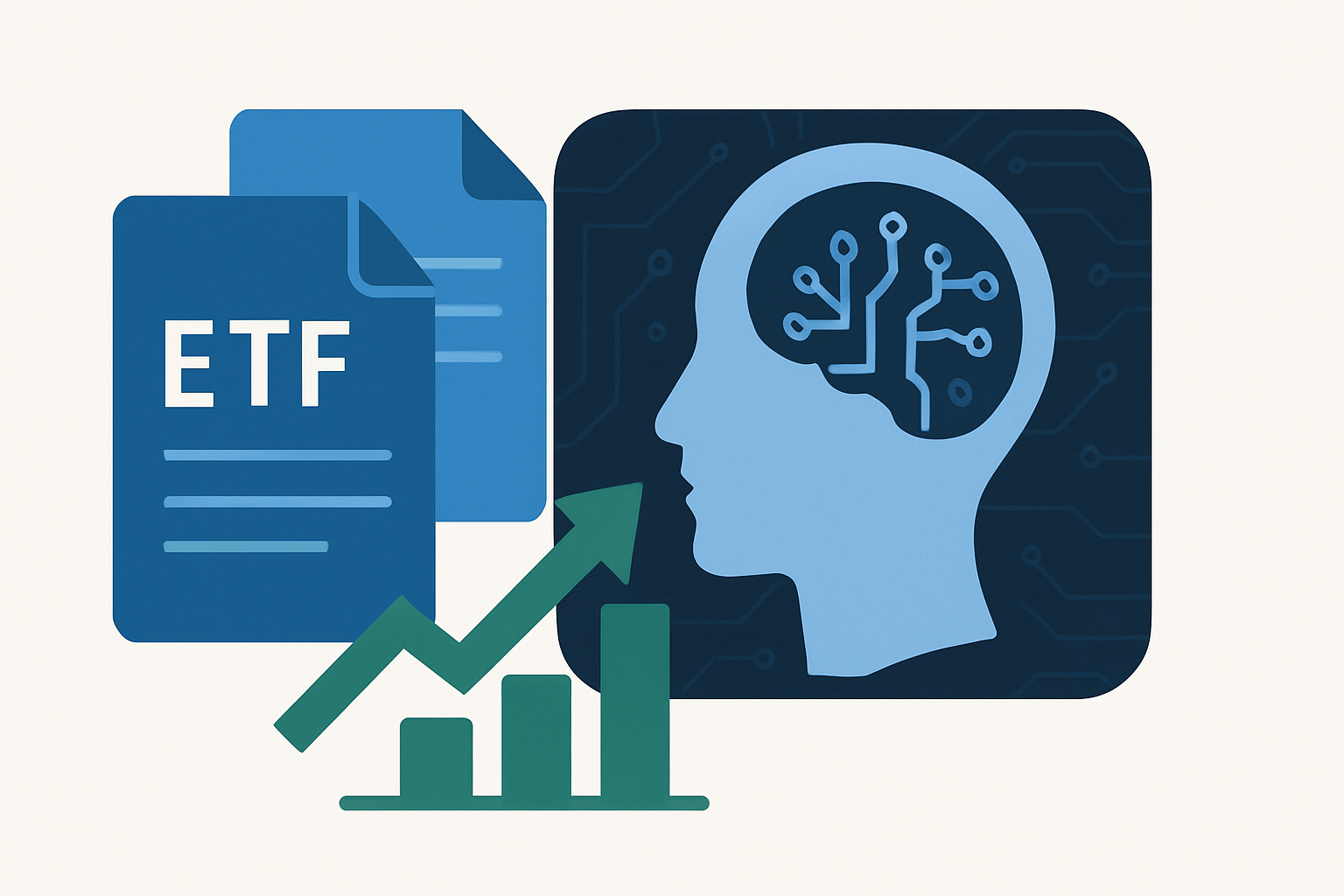
Choose tech ETFs that combine established tech giants with emerging AI companies to gain diversified, cost-efficient exposure to AI-driven growth. Prioritize funds with clear holdings in AI-related areas such as semiconductors, cloud services, and cybersecurity, and compare historical performance and expense ratios before buying.
Reports say OpenAI and designer Jony Ive may be working together on an AI-powered smart pen that combines OpenAI’s artificial intelligence with Ive’s design approach to create an intuitive, personalized input device.
Nvidia's Fugatto is a generative audio system that uses deep learning and Nvidia GPUs to generate and manipulate audio in real time. It is built to produce adaptable, high-quality sound for uses such as gaming, virtual reality, film, and advertising.
Sam Altman led a 2025 infrastructure push at OpenAI that increased the company’s capacity to run larger models and made it feasible to deploy AI in practical, production contexts across industries.
In 2026 Switzerland is a leading centre for AI because government funding, public-private partnerships, and top university research (notably ETH Zurich and EPFL) have driven adoption across healthcare, finance, transportation and energy. Regulators are developing ethical and privacy-focused rules while organizations concentrate on data strategy, algorithm transparency and ongoing staff learning to address privacy and integration challenges.
Meta bought the Chinese-founded AI startup for $2 billion to speed up product-level AI improvements by integrating the startup's models and team and to gain direct market insight and presence in China. The deal is meant to help Meta build more advanced features across its platforms and expand its reach in Asia.