A structured content calendar aligns B2B content with business goals and makes planning, publishing, and measurement manageable. Use a repeatable framework that sets clear objectives, targets your audience, schedules themes and pillars, uses tools for workflow and analytics, and reviews performance regularly.
Content calendar planning for creators is organizing upcoming content on a timeline so you publish consistently and align each piece with your goals, seasonal themes, and audience interest. Use clear goals, channel-specific content types, and scheduling tools to keep deadlines, prevent gaps, and coordinate work.
A well-structured B2B content calendar organizes and schedules content production to align with marketing goals, keep publication consistent, and improve team collaboration. It provides a timeline for creation, publication, and promotion across formats and channels.
A structured content calendar lets B2B teams schedule and manage content so every piece supports business objectives and keeps a consistent flow to the target audience. It creates a single plan teams can follow and update based on performance and market changes.
A content calendar makes your marketing output consistent, aligns content with campaigns and key dates, and gives teams shared visibility into plans and deadlines. This article shows templates and tools, lists the calendar elements to include, gives real examples with measured results, and outlines best practices and common challenges.
A structured content calendar lets creators plan and publish consistently across platforms while reducing overwhelm in production. It provides a single visual schedule that shows what will be published, when, and on which platform.
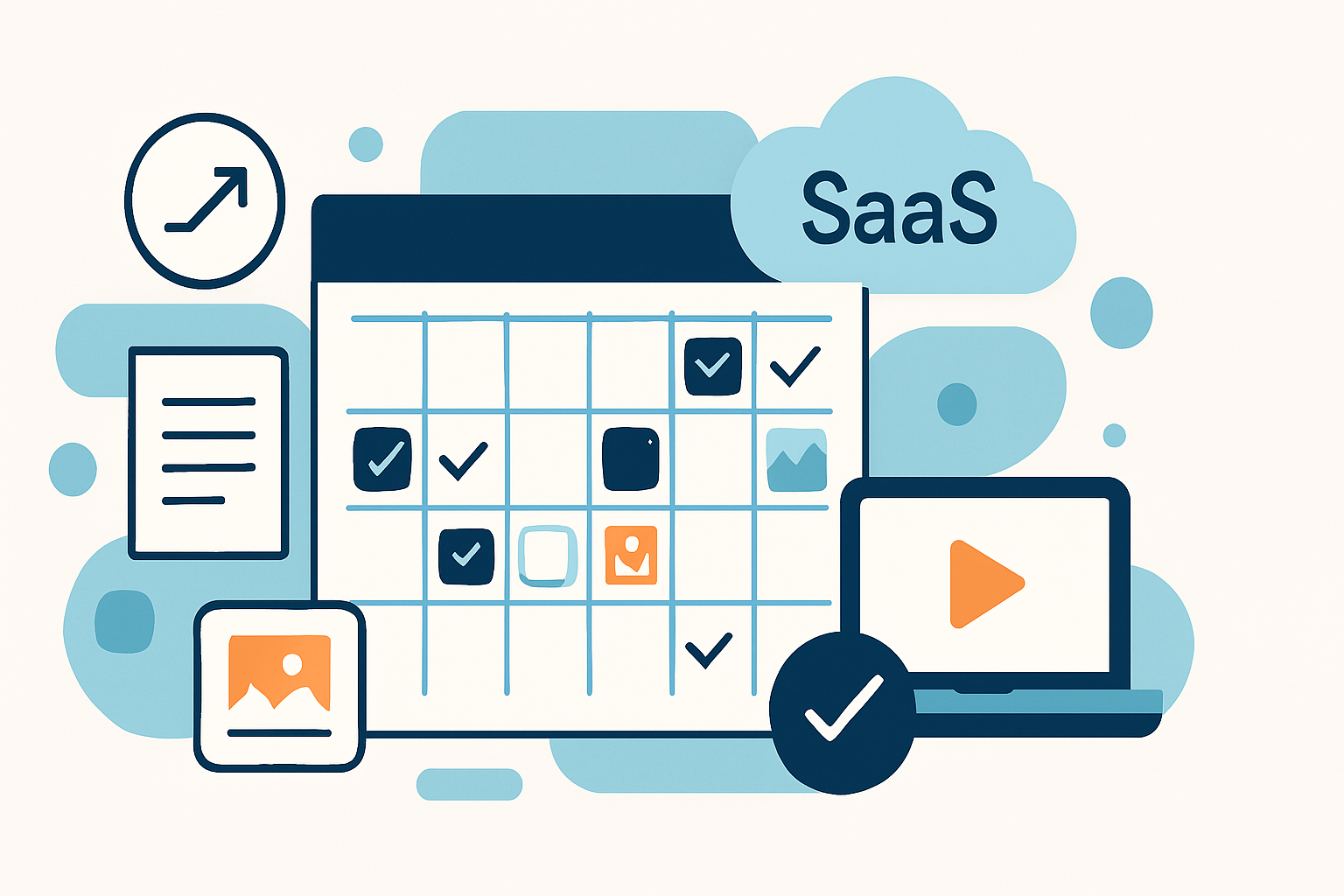
A structured content calendar aligned with product timelines and business goals produces consistent, data-driven content that raises engagement and supports customer retention. This guide shows how to build that calendar, pick appropriate tools, and avoid the common planning mistakes SaaS teams make.
A content calendar aligns your marketing objectives and target audience with a scheduled, balanced mix of content so your team publishes consistently across channels. Build it from a content audit, plan content types that match the audience's journey, assign responsibilities with collaborative tools, and review results regularly.
Align content objectives, audience needs, and product timelines into a single content calendar and run it as a repeatable process. The calendar should specify what you will publish, when, and why so your SaaS content stays consistent and tied to business goals.
Content calendar planning organizes a creator's ideas, production tasks, and publishing dates so you publish consistently and align content with your marketing goals. Using templates, simple scheduling tools, deadlines, reminders, and regular reviews makes the process manageable and improves productivity and audience retention.
A content calendar gives consultants a single framework to schedule production, assign tasks, and align every piece of content with client goals. Turning that framework into results requires a tailored strategy, collaboration tools, and regular reviews to keep content timely and on target.
A content calendar is a strategic schedule that specifies what content will be published, when, and where to keep marketing consistent and aligned with business goals. Planning content in advance improves team efficiency and audience engagement across channels.