AI in college admissions is mainly used as decision support: it automates repetitive administrative work and surfaces signals for human reviewers instead of making final admit or deny calls. Because models can shape what reviewers see when they rank or summarize files, colleges need policy controls, audits, and clear ownership before those systems affect outcomes they cannot easily explain later.
AI in sports marketing is enabling rights holders, networks, streaming platforms, and brands to sell more relevant inventory, adjust creative in real time, and tie ad performance to audience behavior across linear TV, streaming, social clips, and second-screen engagement. Those capabilities let teams coordinate campaigns across fragmented viewing paths and react to moment-level attention during live games.
OpenAI and Anthropic are cutting and restructuring model prices and packaging because lower-cost rivals are changing buyer expectations. That will make many routine language tasks cheaper but force explicit tradeoffs among performance, latency, safety, and data governance, so teams should plan which workloads use premium models and which use lower-cost options.
Kinetik has introduced an AI team agent that centralizes campaign coordination for social and influencer marketing, keeping briefs, tasks, approvals, creator communication, and reporting in one operational layer. The goal is to cut coordination costs and speed handoffs so teams spend less time on administrative work and more on executing strategy.
Yes. Hyundai says 8 out of 10 employees use generative AI, and that level of adoption indicates AI is moving from isolated pilots to a standard productivity layer in everyday work. That implies the company has shifted from experimentation to operational change across workflows and tools.
The creator pulled generative AI-made assets from a public demo because demos function as public evidence of a studio’s standards, and undisclosed AI assets raise immediate questions about authorship, licensing, and transparency. Removing the assets reduces the chance of prolonged legal and reputational disputes while teams sort provenance and set clearer approval rules.
Zhong Kui Studio is reportedly avoiding generative AI for final design and asset production and instead using a human-led pipeline to keep authorship, style consistency, and asset provenance under direct human control. That choice is presented as a production decision that also affects brand trust and how the project signals its artistic identity.
AI anxiety intensified in 2026 because the technology began affecting everyday work and public information in visible, personal ways. That visible impact is changing regulation, product adoption, hiring, and how audiences react to anything labeled AI.
Adults must build practical AI literacy now so they can guide, protect, and prepare young people who already treat AI as an everyday tool for learning, creativity, and communication. Without that literacy, adult guidance will be out of step with how young people actually use AI and will miss key risks and opportunities.
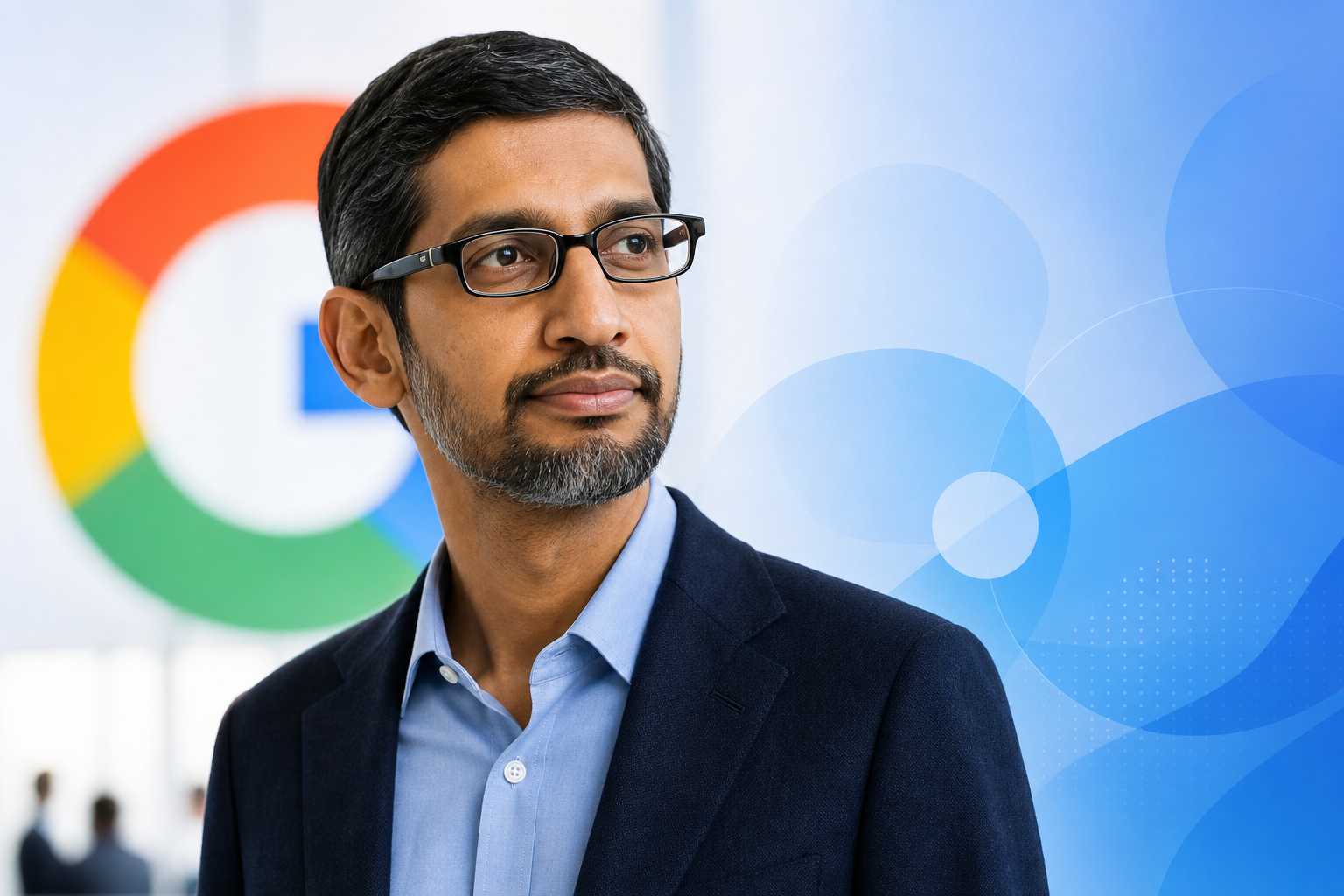
Sundar Pichai announced that Jeff Dean is leaving after 27 years and that Demis Hassabis will take on new responsibilities, and he framed the change as a managed transition meant to reassure employees and identify who will lead Google’s AI efforts. The message functions as a signal about how Google plans to organize AI leadership rather than a routine personnel note.
Treat creators as contracted specialists with a defined job, clear deliverables, usage rights, timelines, and success metrics so teams can brief, compare, and repurpose creator work instead of buying audience size. That approach shifts the decision from who has the biggest following to who can explain product use, match the target community, and drive a measurable behavior or purchase.
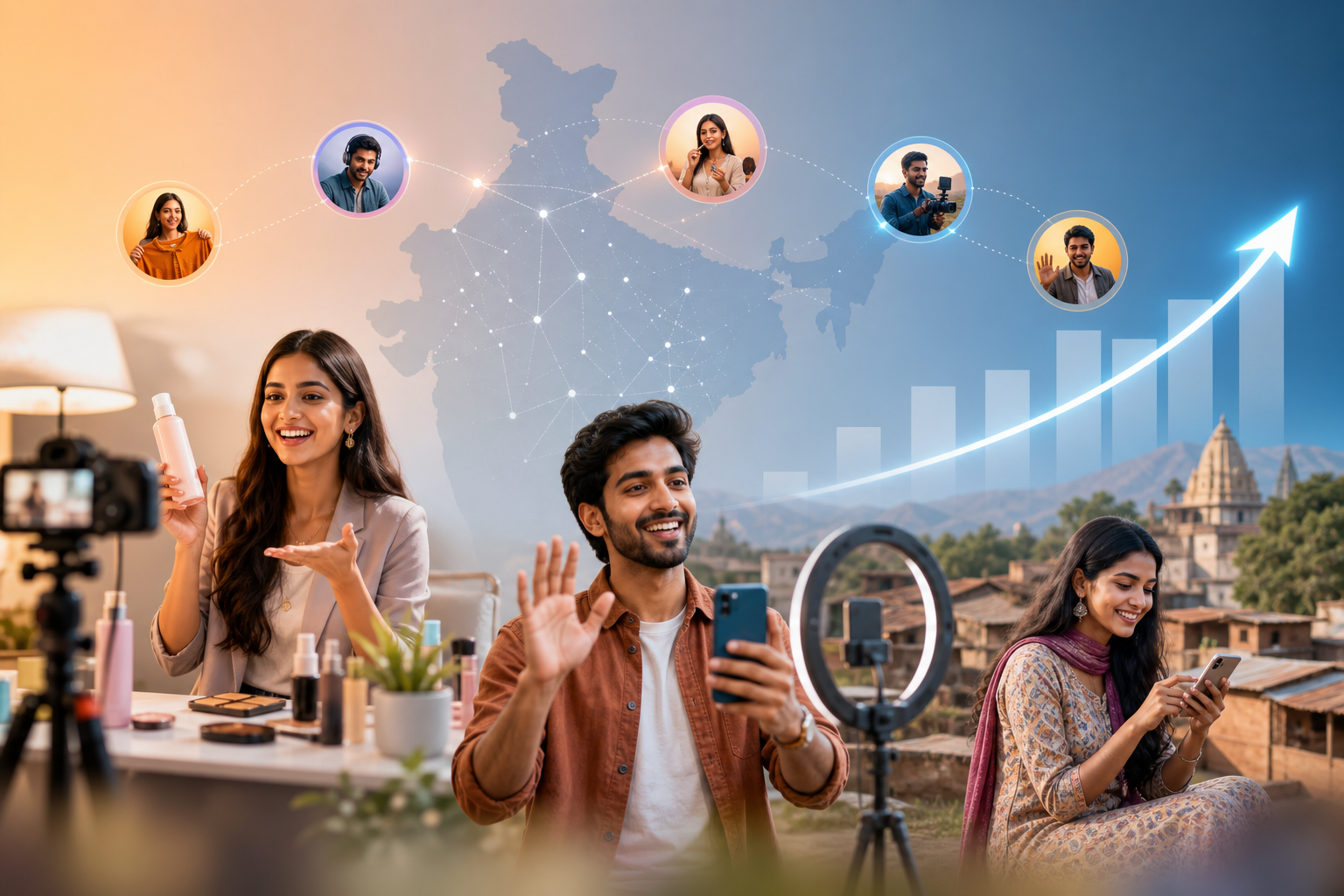
Creator-led marketing in India has become a mainstream growth and performance channel, and the scale of regional, niche, and commerce-oriented creators pushed commercial creator spend past ₹5,000 crore. As a result, brands now treat creator activity as a budgeted, measurable part of media planning rather than an experimental line item.