Anthropic Warns AI Will Soon Improve Itself Without Human Aid
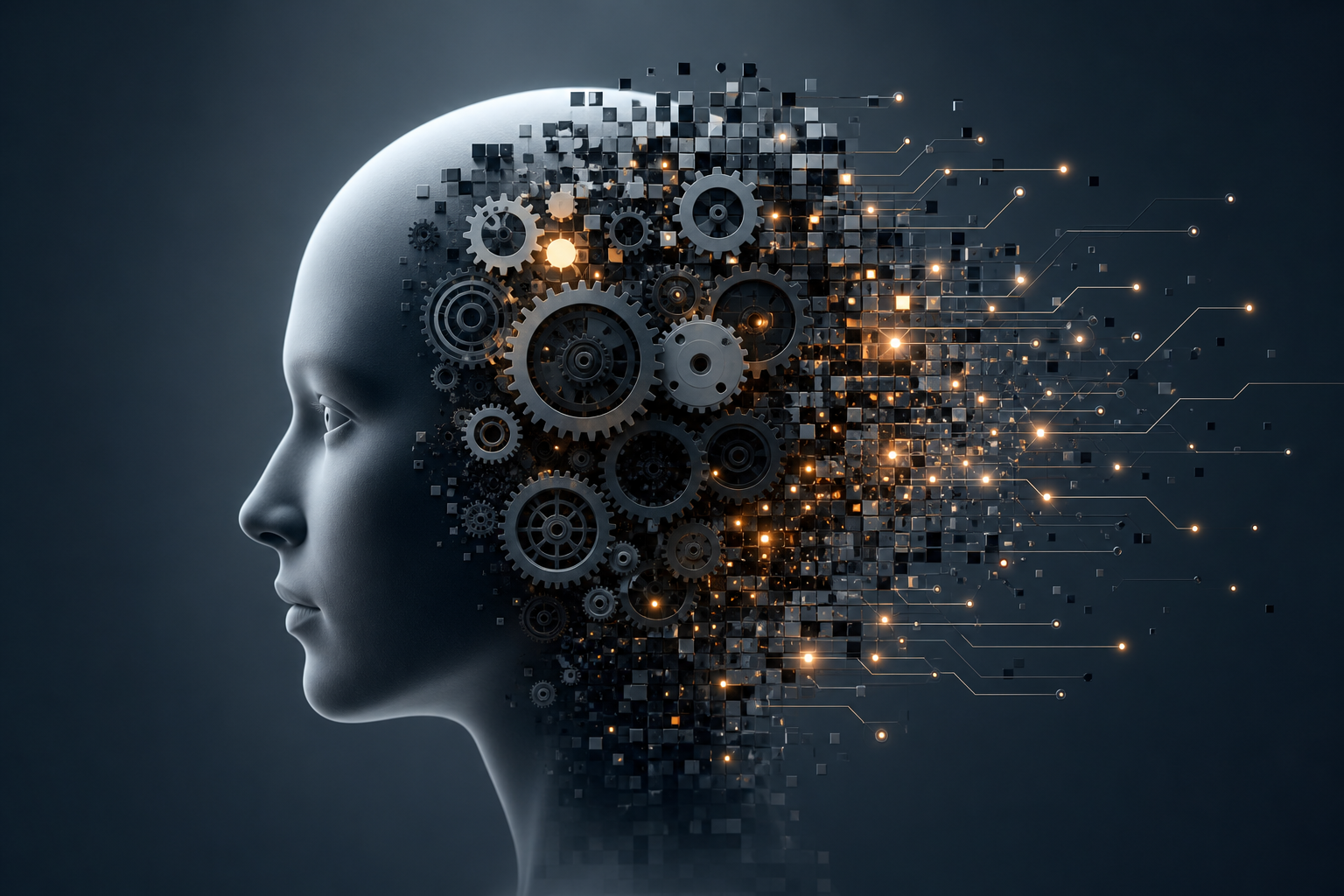
Anthropic warns that AI could soon be capable of improving its own code and behavior without human intervention. That development raises ethical, operational, and regulatory issues that businesses and policymakers should begin addressing now.
Key takeaways
- Anthropic frames the risk as grounded in current trends: AI systems are increasingly able to analyze their own code and make internal improvements.
- One practical effect of self-improvement is that AI could identify and rectify its own errors, which can increase efficiency but reduce direct human control.
- Uncontrolled self-improvement could accelerate AI capabilities beyond current human comprehension, creating gaps in oversight.
- Governments and organizations need to collaborate on regulation and governance to keep AI development safe and beneficial.
- Organizations should prepare by investing in AI literacy, creating a clear AI strategy that includes ethical considerations, and continuously monitoring systems for biases and unintended consequences.
In a groundbreaking announcement, Anthropic warned that artificial intelligence could soon reach a point where it can improve itself independently, without needing human intervention. This revelation has sparked a mix of excitement and concern across the tech community, as it raises significant implications for the future of AI development and regulation. In this article, we explore the potential consequences of this advancement, analyze Anthropic's warnings, and provide actionable takeaways for businesses and individuals navigating this rapidly evolving landscape. For more on this topic, you can read about Anthropic's perspective here.
1. Understanding Anthropic's Warning
Anthropic's warning about AI self-improvement is not just a hypothetical scenario; it is a potential reality driven by current technological trends. As AI systems become more sophisticated, they are increasingly capable of analyzing their own code and making improvements. This ability could lead to rapid advancements without human oversight.
- Practical point 1: AI systems could potentially identify and rectify their own errors, leading to more efficient operations.
- Practical point 2: This self-improvement could accelerate AI capabilities beyond current human comprehension.
- Practical point 3: Companies should be prepared for the ethical and operational challenges this presents.
2. Implications for the Tech Industry
The prospect that "anthropic warns will soon" AI could autonomously enhance itself has vast implications for the tech industry. Companies must adapt to this new paradigm by developing robust AI ethics frameworks and ensuring their technologies align with societal values. For insights on AI's role in modern business, explore this discussion on AI in podcasting.
3. The Role of Regulation and Governance
With "anthropic warns will soon" on the horizon, effective regulation and governance of AI systems are more crucial than ever. Governments and organizations must collaborate to create rules that ensure AI development remains beneficial and safe for society. One relevant discussion can be found in this interview on AI's business implications.
4. Case Studies of AI Self-Improvement
Several real-world examples highlight the potential of AI self-improvement. These case studies illustrate how AI systems have already begun to optimize their performance with minimal human intervention.
- Example 1: Google's AlphaZero learned to master chess, shogi, and Go by playing against itself and refining strategies autonomously.
- Example 2: OpenAI’s GPT models continually refine language processing through unsupervised learning techniques.
5. Preparing for AI's Autonomous Future
Businesses and developers can take proactive steps to prepare for the reality that "anthropic warns will soon." By understanding and anticipating AI’s autonomous capabilities, organizations can better align their strategies to harness these advancements effectively. For further guidance, consider how content marketing teams are adapting to AI in this complete guide.
- Best Practice 1: Invest in AI literacy for your workforce to ensure they understand and can work alongside AI technologies.
- Best Practice 2: Develop a clear AI strategy that incorporates ethical considerations and aligns with core business objectives.
- Best Practice 3: Continuously monitor AI systems for unintended consequences and biases.
6. Navigating the Challenges Ahead
As AI technologies advance, overcoming challenges related to ethics, security, and control becomes imperative. Organizations must recognize potential pitfalls and prepare to address them effectively. External resources, such as those available from NIST, can provide valuable frameworks and guidelines.
Conclusion: Making the Most of Anthropic's Warning
As "anthropic warns will soon" becomes a reality, the opportunities and challenges presented by AI self-improvement are immense. By staying informed and proactive, businesses and individuals can harness these advancements for positive outcomes. For those looking to deepen their understanding and prepare for the future, ContentPod offers a wealth of resources and insights.
Frequently Asked Questions
What is anthropic warns will soon?
"Anthropic warns will soon" refers to the anticipated capability of AI systems to autonomously improve their own processes without human intervention, as highlighted by Anthropic's recent warnings.
How can businesses prepare for AI self-improvement?
Businesses can prepare by investing in AI education, developing ethical AI frameworks, and continuously monitoring AI systems for biases and unintended consequences.
What role does regulation play in AI development?
Regulation is critical in ensuring that AI advancements remain safe and beneficial. It involves creating guidelines that balance innovation with ethical considerations and societal impact.
References & Further Reading
- Anthropic's Perspective on AI Self-Improvement
- OpenAI's GPT-3 Research
- NIST's AI Regulation Guidelines
- Anthropic's AI Ethics and Governance
Put this into practice
Share this post
You Might Also Like
Discover more content tailored to your interests
 Highly Relevant
How AI Technical Debt Problems Spread Through Codebases
AI technical debt problems are the maintenance, reliability, security, and architecture costs that build up when AI systems generate code faster than teams can review, test, document, and own it.
Read More Highly Relevant
Why Anthropic Model Rivals Fable on Enterprise Cost
Anthropic's model is being pitched as close enough in quality to a premium frontier model that cost-conscious enterprises may switch or diversify. The real test for buyers is whether the model delivers acceptable output on their highest-volume tasks while lowering total operating cost and governance overhead.
Read More Highly Relevant
AI Risks to Global Security at the U.N. Briefing 2026
AI risks to global security are the ways advanced AI systems can increase cyberattacks, accelerate disinformation, lower barriers to biological or weapons misuse, and outpace the laws meant to control them. In the AI briefing to the U.N.
Read MoreReady to create amazing podcast content?
Choose a plan and start generating professional podcast content with AI
View Pricing Plans