Explained: Florida Sues OpenAI, Sam Altman in Groundbreaking Lawsuit
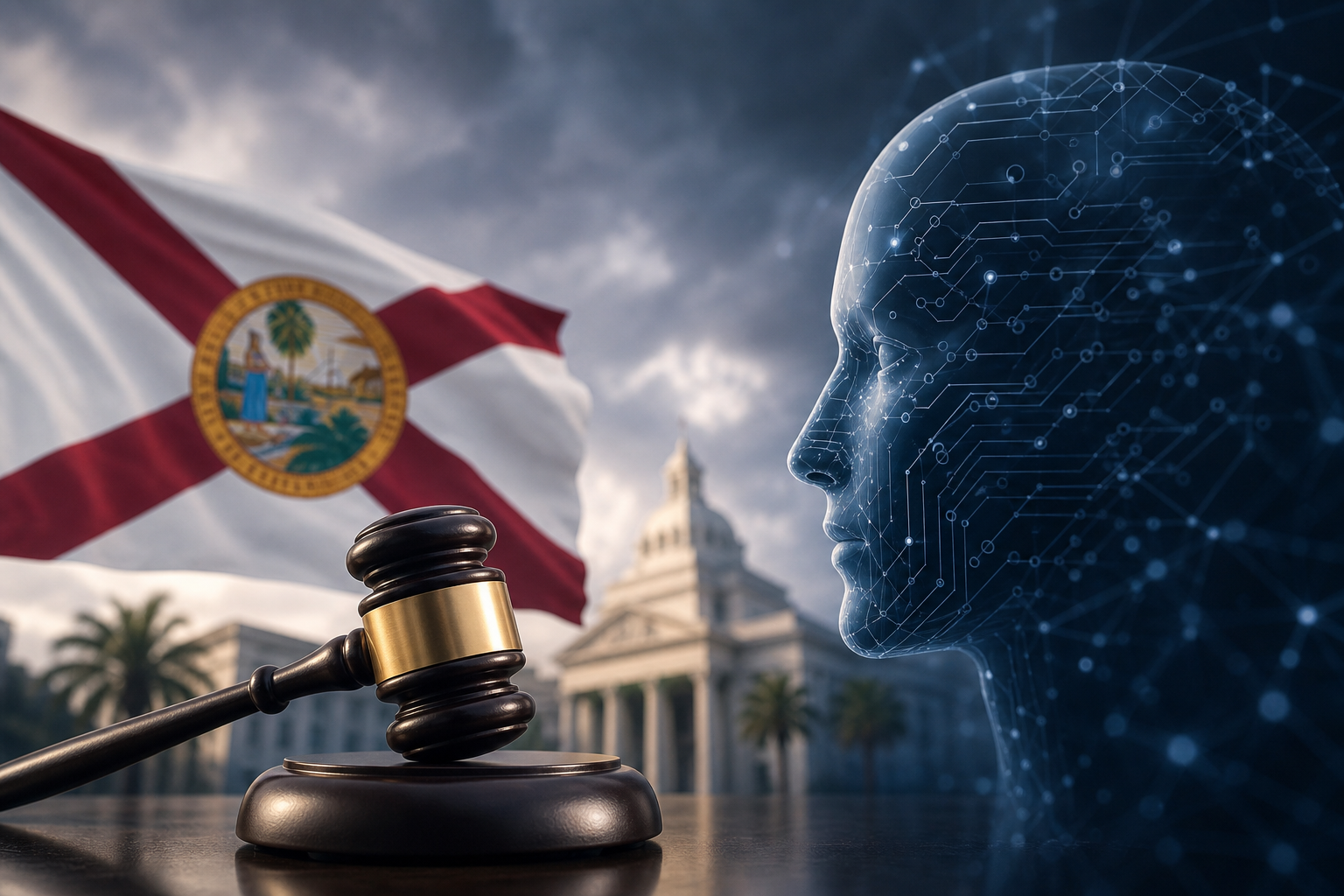
Florida has sued OpenAI and CEO Sam Altman, alleging the company negligently distributed AI that was linked to violent incidents. The suit raises legal questions about whether developers can be held responsible for users' harmful actions.
Key takeaways
- The state alleges OpenAI's technology was negligently distributed, leading to misuse that resulted in harm.
- This is the first time a state has directly sued an AI company and its CEO over AI-related incidents, according to the article.
- OpenAI and similar developers argue responsibility for misuse should lie with users; Florida's lawsuit argues developers must bear some responsibility as well.
- A ruling in Florida's favor could lead to stricter regulations, increased oversight, and new compliance requirements for AI technologies.
- To reduce legal risk, the article recommends developers test systems thoroughly, create clear user guidelines and training, and engage with regulators and compliance standards.
A recent legal action has captured the attention of both legal and technological communities: Florida sues OpenAI and Sam Altman over alleged violent incidents linked to AI misuse. This lawsuit marks a pivotal moment in the realm of artificial intelligence, raising significant questions about accountability and the ethical deployment of AI technologies. As AI systems become more embedded in daily life, the implications of this legal case extend far beyond state lines, potentially setting precedents for future governance and liability. For more details, explore the original news source.
1. The Core Allegations: Why Florida Sues OpenAI, Sam Altman
The lawsuit filed by Florida targets OpenAI and its CEO, Sam Altman, over incidents where AI was reportedly linked to violent events. The state alleges that OpenAI's technology was negligently distributed, leading to misuse that resulted in harm. This legal action shines a spotlight on the responsibilities of AI developers and the potential consequences of AI deployment without adequate safeguards.
- Practical point 1: The lawsuit could redefine how AI companies are held accountable for their technology's impact.
- Practical point 2: It raises the question of whether AI developers should be responsible for how their systems are used post-deployment.
- Practical point 3: This case may influence future AI regulation and compliance requirements.
2. Historical Context and Implications of the Florida Sues OpenAI, Sam Altman Case
This lawsuit is unprecedented in the AI industry, marking the first time a state has directly sued an AI company and its CEO over AI-related incidents. Previously, AI-related legal cases have primarily focused on intellectual property and data privacy issues. The Florida case could set a new legal standard for how AI technologies are governed and who is held liable.
- Historical Precedence: While earlier cases have touched on AI, none have directly addressed violent outcomes linked to AI use.
- Potential Outcomes: A ruling in Florida's favor could lead to stricter regulations and oversight for AI technologies.
For more insights into AI's role in business, visit The Future of AI in Business: From Hype to Reality.
3. The Technical Debate: AI Accountability and the Role of Developers
The question of accountability in AI development is complex. Developers of AI systems like those at OpenAI argue that while they create the tools, the responsibility for misuse should lie with the users. However, Florida's lawsuit suggests that developers must also bear some responsibility for ensuring their technologies are not used harmfully.
This debate taps into broader discussions about ethical AI. Organizations like the National Institute of Standards and Technology (NIST) are working on frameworks to guide responsible AI development. These frameworks emphasize transparency, fairness, and accountability as key principles.
4. Examples of AI Misuse and Legal Consequences
The lawsuit's focus on violent incidents linked to AI highlights real-world applications and misuses of AI technologies. For instance, AI-powered systems have been implicated in surveillance abuses and misinformation campaigns, leading to calls for stricter legal frameworks.
- Example 1: In 2024, an AI-driven security system malfunctioned, leading to a breach of privacy in a major city.
- Example 2: AI algorithms have been used to manipulate social media platforms, affecting public opinion and elections.
For a deeper dive into AI-related risks, read Explained: OpenAI Hit with Lawsuit by Florida AG Over AI Risks.
5. Best Practices for AI Development to Avoid Legal Issues
To mitigate legal risks, AI developers should adhere to best practices that prioritize ethical and responsible development. These include:
- Best Practice 1: Implement comprehensive testing to ensure AI systems perform as intended and do not cause harm.
- Best Practice 2: Develop robust user guidelines and training programs to minimize misuse of AI technologies.
- Best Practice 3: Engage with regulatory bodies and adhere to compliance standards to avoid legal pitfalls.
ContentPod offers resources for AI-driven content marketing strategies, which can be found here.
6. Common Challenges in AI Deployment and How to Overcome Them
Deploying AI systems comes with several challenges, especially regarding ethical considerations and potential misuse. Developers must navigate these complexities to prevent legal issues similar to the Florida case.
- Challenge 1: Ensuring AI systems are free from biases that could lead to discriminatory outcomes.
- Challenge 2: Balancing innovation with regulatory compliance to avoid stifling technological advancement.
- Challenge 3: Maintaining transparency with stakeholders about AI capabilities and limitations.
Conclusion: Making the Most of Florida Sues OpenAI, Sam Altman
The lawsuit where Florida sues OpenAI, Sam Altman presents a critical juncture in AI law and governance. As AI continues to evolve, both developers and regulators must work collaboratively to ensure that these powerful technologies are used responsibly and ethically. For businesses and developers, staying informed and compliant with emerging standards will be crucial. ContentPod can be a valuable partner in navigating these complexities, offering insights into harnessing AI for effective content strategies.
Frequently Asked Questions
What is florida sues openai sam?
This refers to the groundbreaking lawsuit filed by the state of Florida against OpenAI and its CEO, Sam Altman, over violent incidents allegedly linked to AI misuse. The legal action aims to address accountability in the deployment and use of AI technologies.
How could the Florida lawsuit impact AI regulation?
If the court rules in Florida's favor, it could lead to stricter regulations and oversight in the AI industry, potentially reshaping how AI technologies are developed and deployed worldwide.
What steps can AI developers take to avoid similar lawsuits?
Developers should focus on ethical AI development, implement comprehensive testing, provide clear usage guidelines, and engage with regulatory bodies to ensure compliance with legal standards.
References & Further Reading
Put this into practice
Share this post
You Might Also Like
Discover more content tailored to your interests
 Highly Relevant
How AI Technical Debt Problems Spread Through Codebases
AI technical debt problems are the maintenance, reliability, security, and architecture costs that build up when AI systems generate code faster than teams can review, test, document, and own it.
Read More Highly Relevant
Why Anthropic Model Rivals Fable on Enterprise Cost
Anthropic's model is being pitched as close enough in quality to a premium frontier model that cost-conscious enterprises may switch or diversify. The real test for buyers is whether the model delivers acceptable output on their highest-volume tasks while lowering total operating cost and governance overhead.
Read More Highly Relevant
AI Risks to Global Security at the U.N. Briefing 2026
AI risks to global security are the ways advanced AI systems can increase cyberattacks, accelerate disinformation, lower barriers to biological or weapons misuse, and outpace the laws meant to control them. In the AI briefing to the U.N.
Read MoreReady to create amazing podcast content?
Choose a plan and start generating professional podcast content with AI
View Pricing Plans