Dan Robyn Ives Innovation Day Highlights AI as Core Business Skill
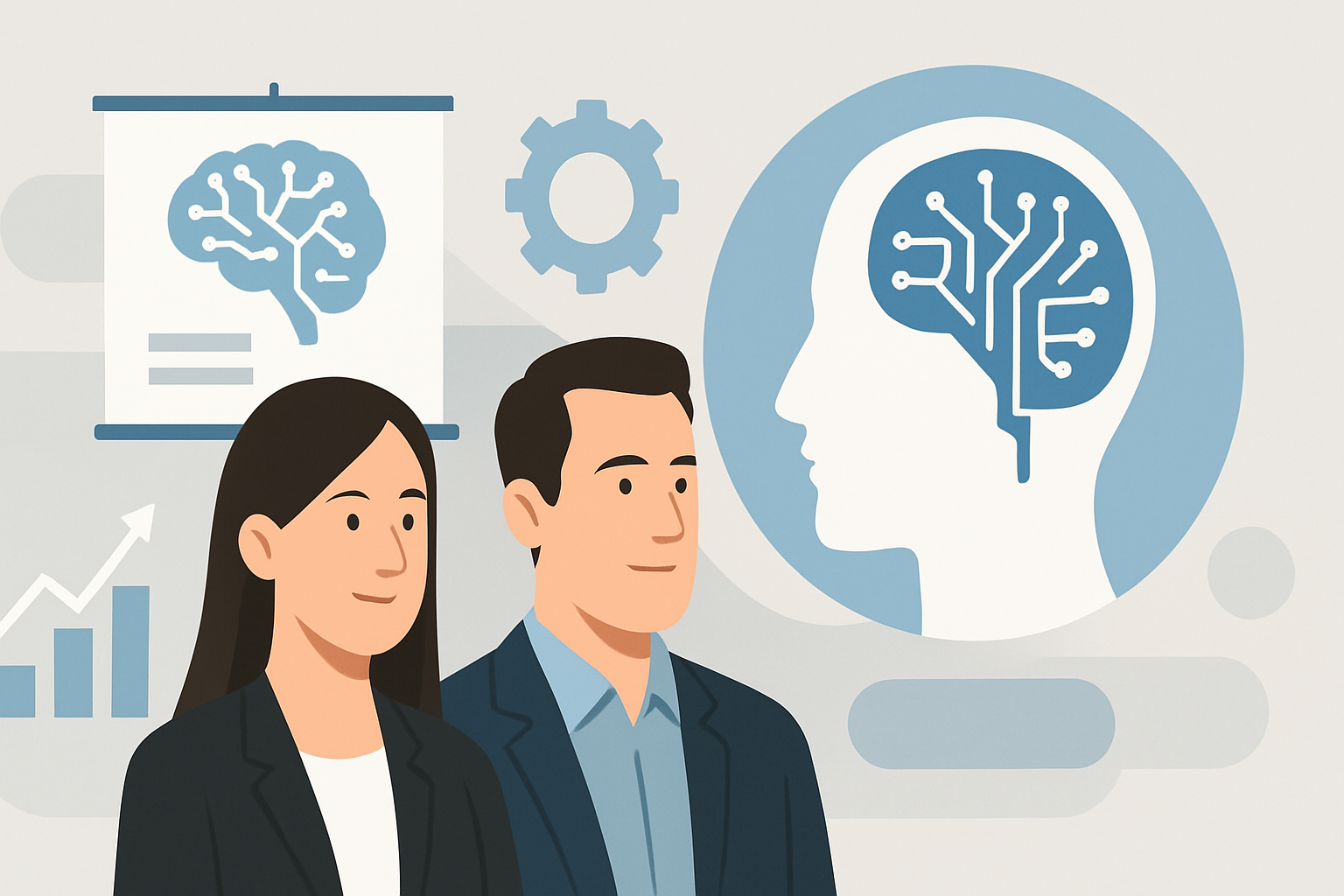
The Dan Robyn Ives Innovation Day brought together thought leaders and business professionals to explore AI's role in transforming industries. The event emphasized AI as a catalyst for change, featuring keynote sessions on AI trends, hands-on workshops for practical implementation skills, and networking opportunities for collaboration and partnership formation.
Key takeaways
- AI automates routine tasks and provides analytical insights that help businesses make informed decisions while enabling personalized customer interactions
- A retail company used AI to optimize its supply chain and reduced delivery times by 20%, while a financial institution implemented AI for fraud detection and saved millions in potential losses
- Successful AI implementation requires continuous learning, cross-functional collaboration across business units, and careful attention to ethical considerations
- Common AI adoption challenges include lack of clear objectives and data quality issues that can hinder effective implementation
In the rapidly evolving landscape of artificial intelligence, the Dan Robyn Ives Innovation Day has emerged as a pivotal event, highlighting AI as a core business skill. As AI continues to integrate into various sectors, understanding its role and potential becomes crucial for businesses aiming to stay competitive. This article delves into the insights and takeaways from the event, exploring how AI is reshaping industries and driving innovation. For further information on the event, you can visit the original article.
1. Understanding Dan Robyn Ives Innovation Day
The Dan Robyn Ives Innovation Day is not just another tech event; it is a confluence of thought leaders, innovators, and business professionals who are keen on leveraging AI to transform their industries. The event emphasizes AI’s potential to act as a catalyst for change. By bringing together experts and enthusiasts, it fosters a collaborative environment for innovation.
- Keynote Sessions: Industry leaders discussed AI trends and future directions.
- Workshops: Hands-on sessions provided practical skills in AI implementations.
- Networking Opportunities: Attendees connected with peers to exchange ideas and form partnerships.
2. The Role of AI in Business Innovation
AI is increasingly seen as a critical component in driving business innovation. Companies like OpenAI and Anthropic are pioneering new technologies that redefine how businesses operate. The Dan Robyn Ives Innovation event highlighted how AI can streamline operations, enhance customer experiences, and foster data-driven decision-making.
- Efficiency Gains: AI automates routine tasks, freeing up human resources for more strategic roles.
- Enhanced Decision-Making: AI provides analytical insights that help businesses make informed decisions.
- Customer Personalization: AI enables personalized interactions, improving customer satisfaction.
For more on AI's impact on content marketing, explore our blog on Streamlining Success: SEO Workflows Content Teams Can Implement.
3. Key Takeaways from Dan Robyn Ives Innovation Day
One of the significant takeaways from the Dan Robyn Ives Innovation Day is the profound impact of AI on various sectors. Attendees learned about the latest AI technologies and how they can be applied in real-world scenarios. The event emphasized the importance of adopting AI as a continuous learning journey rather than a one-time implementation.
- Continuous Learning: AI technologies are rapidly evolving, necessitating ongoing education and adaptation.
- Cross-Functional Collaboration: Successful AI implementation requires collaboration across different business units.
- Ethical Considerations: As AI becomes more prevalent, ethical considerations in AI deployment are paramount.
For a deeper dive into AI's future in business, check out the AI and the Future of Content Marketing: A Dynamic Discussion.
4. Real-World Applications of AI in Business
The Dan Robyn Ives Innovation event showcased numerous case studies where AI has been successfully integrated into business processes. These examples serve as a blueprint for organizations looking to harness AI's power effectively.
- Example 1: A retail company used AI to optimize its supply chain, reducing delivery times by 20%.
- Example 2: A financial institution implemented AI to detect fraudulent activities, saving millions in potential losses.
To explore more about the strategic use of AI, read our blog on How Automation Can Help Organizations Anticipate Disruptions.
5. Best Practices for Implementing AI
Implementing AI in a business setting requires careful planning and execution. Here are some best practices shared during the Dan Robyn Ives Innovation event:
- Best Practice 1: Start with a clear strategy and objectives for AI integration.
- Best Practice 2: Invest in training and development to build AI literacy within your organization.
- Best Practice 3: Avoid common pitfalls such as over-reliance on AI without human oversight.
For more insights, visit ContentPod for resources and tools to integrate AI successfully.
6. Common Mistakes and Challenges in AI Adoption
Despite its potential, AI adoption comes with challenges. The Dan Robyn Ives Innovation event addressed common mistakes and how to overcome them. Understanding these challenges can help businesses navigate the complexities of AI implementation more effectively.
- Lack of Clear Objectives: Organizations often struggle with defining clear AI goals.
- Data Quality Issues: Poor data quality can hinder AI performance and outputs.
- Cultural Resistance: Resistance to change within the organization can impede AI adoption.
For additional resources on AI challenges, consider exploring NIST publications for guidelines and standards.
Conclusion: Making the Most of Dan Robyn Ives Innovation
The insights from the Dan Robyn Ives Innovation event underscore the transformative power of AI in business. By embracing AI as a core business skill, organizations can unlock new opportunities for growth and efficiency. As you consider implementing AI strategies, remember to leverage resources like ContentPod to guide your journey. The key is to stay informed, be adaptable, and foster a culture that embraces innovation.
Frequently Asked Questions
What is Dan Robyn Ives Innovation?
The Dan Robyn Ives Innovation Day is an event that focuses on the integration of AI as a fundamental business skill. It brings together industry experts to discuss AI trends, applications, and best practices.
How can businesses benefit from AI according to Dan Robyn Ives Innovation Day?
Businesses can benefit from AI by improving efficiency, enhancing decision-making, and providing personalized customer experiences. The event highlights practical applications and strategies for successful AI integration.
What are the challenges of AI adoption mentioned during Dan Robyn Ives Innovation Day?
Challenges include defining clear objectives, ensuring data quality, and overcoming cultural resistance within organizations. Addressing these issues is crucial for successful AI implementation.
References & Further Reading
- Dan Robyn Ives Innovation Day Explores AI
- AI Research at OpenAI
- Building Safer AI Systems
- NIST Publications
Put this into practice
Share this post
You Might Also Like
Discover more content tailored to your interests
 Highly Relevant
How AI Technical Debt Problems Spread Through Codebases
AI technical debt problems are the maintenance, reliability, security, and architecture costs that build up when AI systems generate code faster than teams can review, test, document, and own it.
Read More Highly Relevant
Why Anthropic Model Rivals Fable on Enterprise Cost
Anthropic's model is being pitched as close enough in quality to a premium frontier model that cost-conscious enterprises may switch or diversify. The real test for buyers is whether the model delivers acceptable output on their highest-volume tasks while lowering total operating cost and governance overhead.
Read More Highly Relevant
AI Risks to Global Security at the U.N. Briefing 2026
AI risks to global security are the ways advanced AI systems can increase cyberattacks, accelerate disinformation, lower barriers to biological or weapons misuse, and outpace the laws meant to control them. In the AI briefing to the U.N.
Read MoreReady to create amazing podcast content?
Choose a plan and start generating professional podcast content with AI
View Pricing Plans