Gas Supply in the Age of Artificial Intelligence: Can AI Power Africa’s Future?
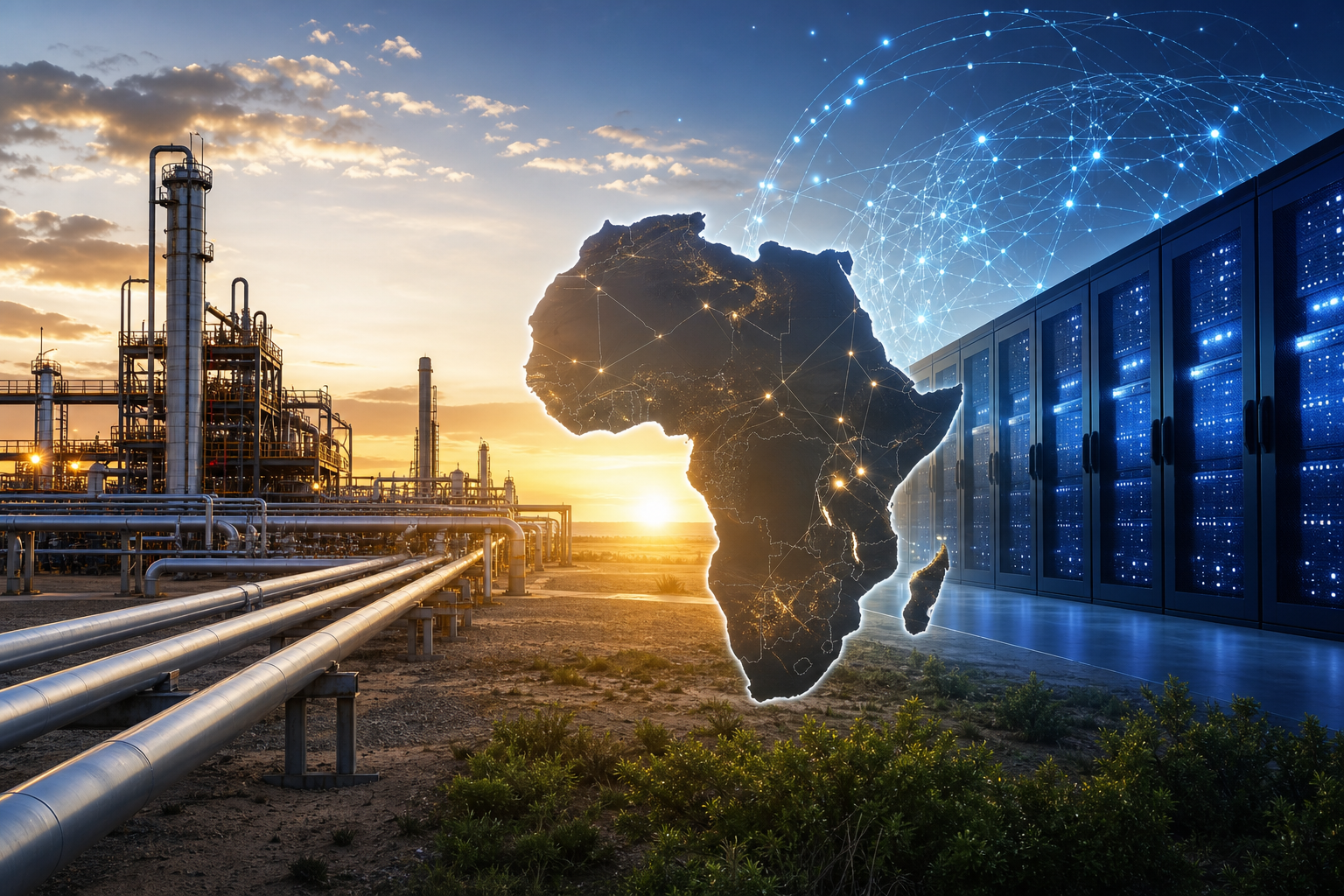
Africa can use its natural gas reserves together with AI to improve forecasting, extraction, distribution, and safety, and to support digital growth—provided countries address infrastructure gaps, regulatory and political risks, environmental concerns, and technology security. Success will depend on implementing AI tools alongside workforce training, clear policies, and targeted investments.
Key takeaways
- AI adds concrete capabilities for gas operations: predictive analytics for demand forecasting, automated real-time equipment monitoring to predict failures, and supply chain optimization to cut costs and emissions.
- The continent holds significant natural gas reserves and countries such as Nigeria, Algeria, and Mozambique are investing in infrastructure and technology to tap those resources.
- Nigeria has deployed AI to monitor gas pipelines and reduce leakages and safety incidents; Algeria uses AI to optimize production processes and increase output.
- Practical steps for implementation include training the workforce to run AI systems, partnering with experienced AI developers, and choosing solutions that prioritize environmental protection and resource conservation.
- Major hurdles are infrastructure deficits, regulatory and political instability, data privacy and cybersecurity concerns, and upfront investment costs; AI can help mitigate some operational risks through predictive maintenance and risk assessment tools.
Gas Supply in the Age of Artificial Intelligence: Can AI Power Africa’s Future?
As we stand on the brink of a technological revolution, the intersection of energy and technology presents both challenges and opportunities. Africa’s abundant natural gas resources could play a pivotal role in powering its digital future, but how do we effectively manage gas supply in the age of artificial intelligence? This article explores the potential of Africa’s gas reserves to fuel AI-driven advancements, while addressing the critical question: Can Africa leverage its natural gas to support a sustainable and technologically advanced future?
1. How AI is Transforming Gas Supply Management
The integration of AI into the energy sector has revolutionized how we manage gas supply. The age of artificial intelligence allows for more precise forecasting, efficient distribution, and enhanced safety protocols. AI-driven analytics can predict supply and demand trends, enabling more effective resource allocation. Additionally, AI can help identify maintenance needs before they become critical, reducing downtime and ensuring a more stable supply.
- Predictive Analytics: AI systems analyze historical data to forecast demand, optimizing supply chain management.
- Automated Monitoring: Sensors and AI algorithms monitor equipment in real-time, predicting failures before they occur.
- Supply Chain Optimization: AI enhances logistics by optimizing routes and schedules, reducing costs and emissions.
For more insights on AI's role in business, explore AI's Role in Business Content.
2. Africa’s Natural Gas: A Catalyst for Digital Transformation
Africa holds a significant portion of the world’s natural gas reserves, making it a strategic player in the global energy market. In the gas supply age artificial, leveraging these resources effectively could be transformative for the continent. Countries like Nigeria, Algeria, and Mozambique are at the forefront, with substantial investments in infrastructure and technology aimed at harnessing these reserves for economic growth and digital innovation.
AI can enhance the efficiency of gas extraction and processing, increasing yield and reducing environmental impact. Moreover, the revenues generated from natural gas can be reinvested into digital infrastructure, supporting initiatives like broadband expansion and tech startups.
3. Challenges in the Gas Supply Age Artificial
Despite the potential benefits, Africa faces several challenges in utilizing its natural gas resources. Infrastructure deficits, regulatory hurdles, and political instability can impede progress. Additionally, the continent must balance the need for energy development with environmental sustainability. AI offers solutions here too, by optimizing resource use and minimizing waste.
Political and economic stability are crucial for attracting investment. AI-driven risk assessment tools can identify potential threats and enable proactive measures. Also, partnerships with international tech firms can bring the necessary expertise and technology to accelerate development.
For a deeper understanding of AI's impact on industry, check out Exploring the Impact of Artificial Intelligence on the Biopharmaceutical Market.
4. Case Studies: AI and Gas Supply in Africa
Various African countries have undertaken initiatives to integrate AI into their gas sectors, showcasing promising results.
- Nigeria: The Nigerian government has partnered with tech companies to deploy AI in monitoring gas pipelines, reducing leakages and enhancing safety.
- Algeria: AI systems have been implemented to optimize gas production processes, increasing efficiency and output.
These examples demonstrate the practical benefits of AI in enhancing gas supply management, paving the way for a sustainable energy future.
5. Best Practices for Implementing AI in Gas Supply
To successfully integrate AI into the gas supply chain, organizations should consider the following best practices:
- Invest in Training: Equip the workforce with the necessary skills to operate and maintain AI systems effectively.
- Collaborate with Tech Firms: Partnering with experienced AI developers ensures access to cutting-edge technology and expertise.
- Focus on Sustainability: Implement AI solutions that prioritize environmental protection and resource conservation.
Visit ContentPod for resources on leveraging AI in business practices.
6. Overcoming Common Challenges in the Gas Supply Age Artificial
Implementing AI in gas supply is not without its hurdles. Issues such as data privacy, cybersecurity, and initial investment costs must be addressed. Establishing clear policies and frameworks can mitigate these risks. Moreover, leveraging AI for predictive maintenance and real-time monitoring can help companies overcome operational challenges, ensuring a reliable supply chain.
For additional resources, consider exploring authoritative sources such as NIST for guidelines on technology implementation.
Conclusion: Making the Most of Gas Supply in the Age of Artificial Intelligence
The intersection of gas supply and artificial intelligence offers Africa a unique opportunity to leapfrog into a digitally empowered future. By strategically leveraging AI, Africa can optimize its natural gas resources, drive economic growth, and enhance its technological infrastructure. As the continent navigates the challenges and opportunities of this new era, embracing AI will be crucial to ensuring a sustainable and prosperous future. For more insights, explore ContentPod.
Frequently Asked Questions
What is gas supply age artificial?
The gas supply age artificial refers to the integration of artificial intelligence into the natural gas supply chain, enhancing operational efficiency, safety, and sustainability through advanced analytics and automation.
How can AI improve gas supply chains in Africa?
AI can optimize gas supply chains by predicting demand trends, automating monitoring processes, and improving logistics through data-driven decision-making, ultimately increasing efficiency and reducing costs.
What challenges does Africa face in leveraging its natural gas resources?
Africa faces challenges such as infrastructure deficits, regulatory hurdles, and political instability. However, AI-driven solutions can help mitigate these issues by improving efficiency and attracting investment through enhanced risk management.
References & Further Reading
- Gas Industry in Africa: Current Trends and Future Outlook
- OpenAI Research on Energy and AI
- NIST Technology Development
- Anthropic's Approach to AI in Energy
Share this post
You Might Also Like
Discover more content tailored to your interests
 Highly Relevant
How AI technical debt problems spread through codebases
AI technical debt problems are the maintenance, reliability, security, and architecture costs that build up when AI systems generate code faster than teams can review, test, document, and own it.
Read More Highly Relevant
Why anthropic model rivals fable on enterprise cost
Anthropic's model is being pitched as close enough in quality to a premium frontier model that cost-conscious enterprises may switch or diversify. The real test for buyers is whether the model delivers acceptable output on their highest-volume tasks while lowering total operating cost and governance overhead.
Read More Highly Relevant
How AI in sports marketing is changing broadcast ads
AI in sports marketing is enabling rights holders, networks, streaming platforms, and brands to sell more relevant inventory, adjust creative in real time, and tie ad performance to audience behavior across linear TV, streaming, social clips, and second-screen engagement. Those capabilities let teams coordinate campaigns across fragmented viewing paths and react to moment-level attention during live games.
Read MoreReady to create amazing podcast content?
Choose a plan and start generating professional podcast content with AI
View Pricing Plans