How Airbus and Artificial Intelligence Could Transform Future Air Travel
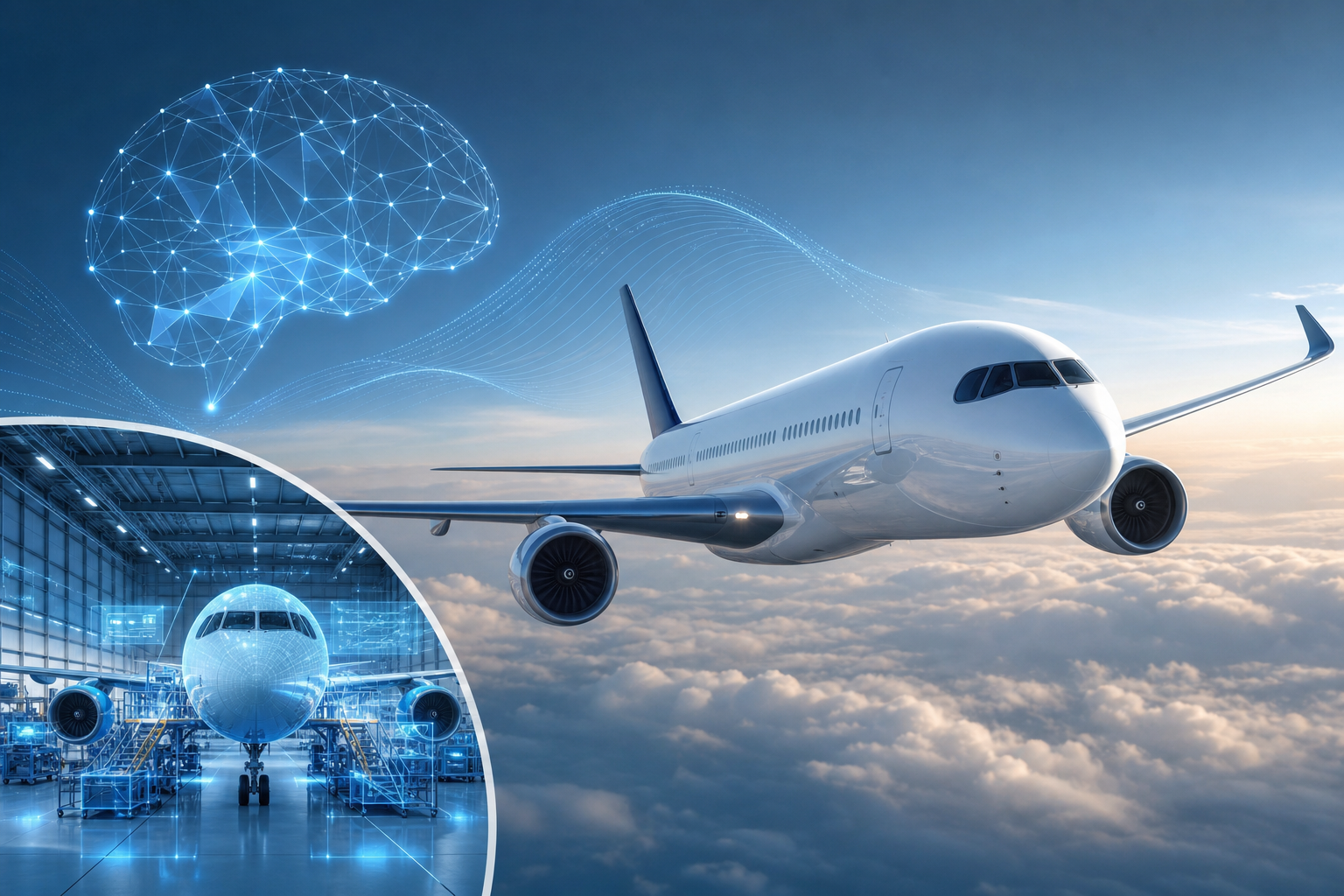
Airbus aims to use artificial intelligence to make air travel safer, more efficient, and more personalized by applying AI across maintenance, navigation, passenger services, and fuel management. The article highlights predictive maintenance, autonomous navigation, personalized services and boarding, and route and engine optimization to cut fuel use.
Key takeaways
- AI can reduce human error by forecasting mechanical failures, enabling real-time monitoring of flight systems, and providing decision support to pilots.
- AI-driven navigation and autonomous systems can optimize flight paths, reduce fuel consumption, help avoid adverse weather, and reduce pilot workload.
- AI can personalize the passenger experience through customized meals and entertainment, more efficient boarding procedures, and real-time feedback analysis.
- AI can lower aviation's environmental impact by calculating more fuel-efficient routes and suggesting engine adjustments based on real-time performance.
- Implementing AI in aviation requires good data management, regular updates to AI systems, compliance with aviation regulations, attention to data privacy, continued research and development, and actions to address resistance to change.
As air travel continues to evolve, the integration of technology becomes more critical. The prospect of how Airbus and artificial intelligence could reshape the aviation industry is not just a futuristic dream but an emerging reality. By leveraging AI, Airbus aims to create safer, more efficient, and smarter air travel. This article explores the potential impacts of AI in aviation, focusing on its application in Airbus, and how it could revolutionize the way we fly. From predictive maintenance to autonomous flight systems, the possibilities are vast and promising.
1. The Role of AI in Enhancing Safety Standards
Safety is paramount in aviation, and the integration of AI technologies promises to elevate these standards. Airbus artificial intelligence could significantly reduce human error, which is a leading cause of aviation incidents. By analyzing vast amounts of data from various flight operations, AI systems can predict and mitigate risks before they become critical.
- Predictive Maintenance: AI algorithms can forecast mechanical failures, allowing for timely maintenance and reducing the chances of in-flight issues.
- Real-time Monitoring: Continuous data analysis helps in monitoring flight health, ensuring that all systems are functioning optimally.
- Enhanced Decision Support: AI can assist pilots by providing real-time data and predictive analytics, aiding in decision-making during critical situations.
For more insights on how technology is impacting various sectors, you can explore this article on AI and creativity.
2. Smart Navigation and Autonomous Systems
The concept of autonomous aircraft is no longer a mere fantasy. With advancements in AI, Airbus artificial intelligence could pave the way for semi-autonomous and fully autonomous flight systems. This innovation promises to transform how aircraft are navigated.
AI-driven navigation systems can optimize flight paths, reduce fuel consumption, and enhance safety by avoiding adverse weather conditions. These systems also promise to reduce the workload on pilots, allowing them to focus more on strategic decision-making rather than routine tasks. For a broader understanding of AI's role in transforming industries, consider reading this interview that discusses AI in content marketing.
3. Improving Passenger Experience with AI
Enhancing passenger experience is another area where Airbus artificial intelligence could make significant contributions. AI can personalize the travel experience, from check-in to landing, ensuring a seamless journey for passengers.
- Personalized Services: AI can analyze passenger data to provide customized services, such as personalized meal options and in-flight entertainment.
- Efficient Boarding Processes: AI can optimize boarding procedures, reducing wait times and improving overall efficiency.
- Real-time Feedback: AI systems can gather and analyze passenger feedback to continuously improve service quality.
For more on optimizing workflows using AI, visit our detailed guide on SEO workflows.
4. Fuel Efficiency and Environmental Impact
With growing concerns about the environmental impact of air travel, AI offers solutions to enhance fuel efficiency and reduce carbon emissions. By optimizing flight routes and improving aerodynamics, Airbus artificial intelligence could significantly lower the environmental footprint of aviation.
- Route Optimization: AI can calculate the most fuel-efficient routes, reducing fuel consumption and emissions.
- Engine Performance: AI systems monitor engine performance in real-time, suggesting adjustments to improve efficiency.
For more strategies on leveraging technology for business growth, check out this article.
5. Implementing AI: Best Practices in Aviation
Successfully integrating AI into aviation requires adherence to best practices. Here are some strategies to ensure a smooth implementation.
- Data Management: Ensure robust data management systems are in place to support AI algorithms.
- Continuous Training: Regularly update AI systems with new data and insights to maintain accuracy and relevance.
- Regulatory Compliance: Stay informed about aviation regulations to ensure AI applications meet all safety and legal standards.
For more on avoiding common pitfalls in AI implementation, visit ContentPod.
6. Overcoming Challenges in AI Integration
Integrating AI into aviation is not without challenges. Here are some common obstacles and how to overcome them.
- Data Privacy: Ensure that AI applications comply with data privacy regulations to protect passenger information.
- Technical Limitations: Address technical challenges by investing in research and development to enhance AI capabilities.
- Resistance to Change: Foster a culture of innovation and adaptability within organizations to ease the transition to AI technologies.
Conclusion: Making the Most of Airbus Artificial Intelligence Could
The integration of AI within Airbus represents a pivotal shift toward a safer, smarter, and more efficient future in aviation. As Airbus artificial intelligence could transform air travel, embracing these technologies will be crucial for staying competitive in the industry. By focusing on safety, efficiency, and passenger experience, AI has the potential to revolutionize how we fly. For businesses looking to harness the power of AI, ContentPod offers valuable insights and resources.
Frequently Asked Questions
What is airbus artificial intelligence could?
Airbus artificial intelligence could refer to the potential applications and benefits of AI technologies within Airbus aircraft and systems, aiming to enhance safety, efficiency, and passenger experience.
How can AI improve flight safety?
AI can improve flight safety by providing predictive maintenance, real-time monitoring, and enhanced decision support, thus reducing the risk of human error and mechanical failures.
What challenges exist in implementing AI in aviation?
Challenges include data privacy concerns, technical limitations, and resistance to change. Overcoming these requires robust data management, investment in R&D, and fostering a culture of innovation.
References & Further Reading
- Airbus and AI: A New Era of Aviation
- How AI is Transforming Business
- The Future of AI in Aviation
- AI Benefits in Aviation
Put this into practice
Share this post
You Might Also Like
Discover more content tailored to your interests
 Highly Relevant
Newsletter Growth Marketing Teams: Practical Playbook
A newsletter growth marketing team is a repeatable operating model that combines audience targeting, signup conversion, editorial planning, and performance review into one shared workflow to attract qualified subscribers, retain attention, and produce measurable business results. For the model to work, teams must define a clear audience and a primary growth outcome before deploying tactics.
Read More Highly Relevant
Content Calendar Planning for B2B: Mistakes to Avoid
Align your calendar to recurring buyer questions and buying-stage needs so each asset helps prospects compare options, reduce implementation risk, or move closer to purchase. Pick a sustainable cadence of fewer, stronger pieces and make the calendar a repeatable operating system rather than a collection of urgent one-offs.
Read More Highly Relevant
Newsletter Growth SaaS Companies Complete Guide 2026
Newsletter growth for SaaS means growing qualified email subscribers who support activation, retention, pipeline, and revenue rather than chasing list size alone. The most effective approach pairs a clear subscriber promise with targeted signup paths, useful content and segmentation, and measurement that links to business outcomes.
Read MoreReady to create amazing podcast content?
Choose a plan and start generating professional podcast content with AI
View Pricing Plans