Understanding How Law May Prevent Science from Becoming Science Fiction
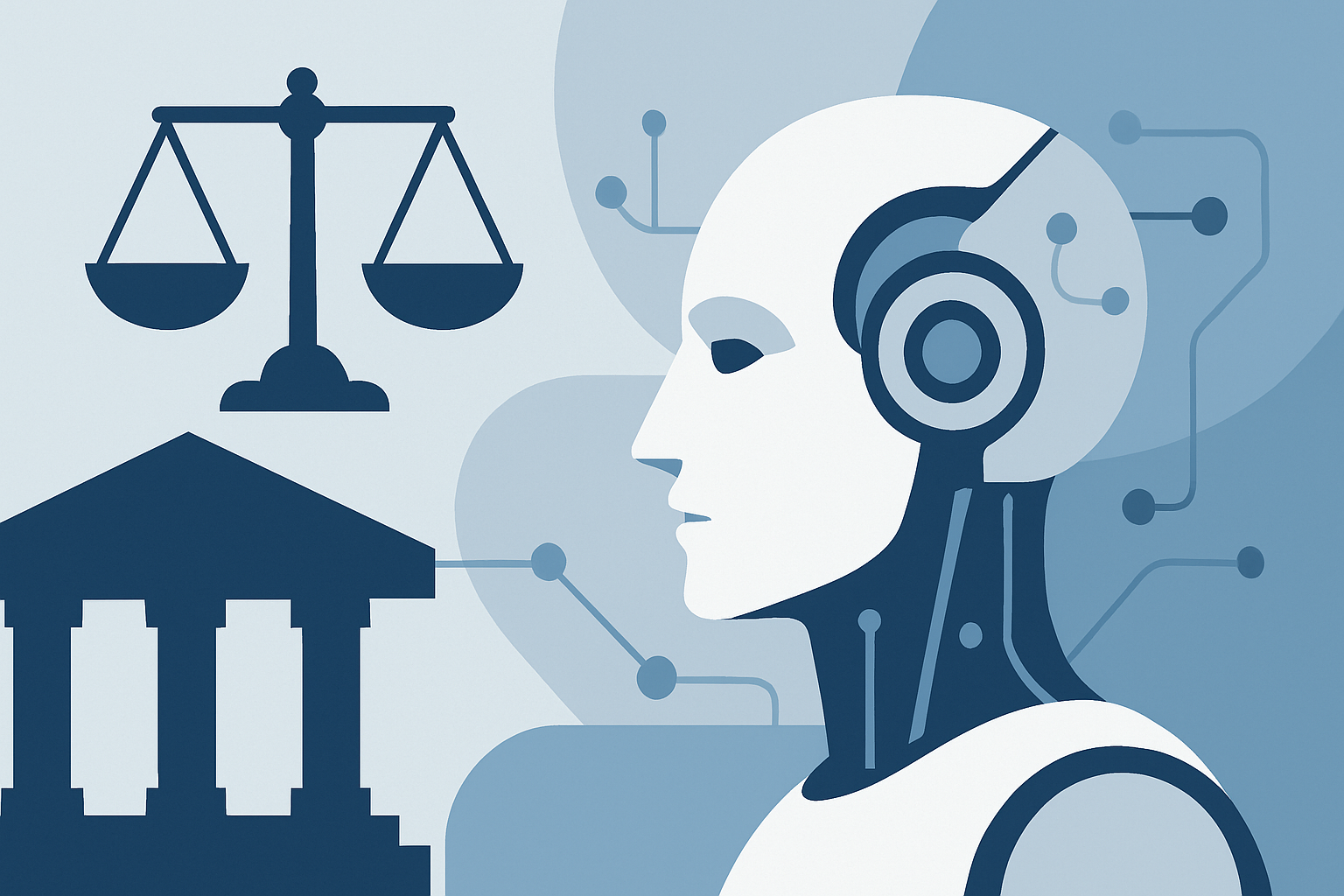
Law can both limit and guide scientific progress: regulations may slow or block technologies to protect public safety, privacy, and ethics, while well‑crafted rules give clear boundaries that enable responsible innovation. Balancing those effects requires legal frameworks that evolve with technology and include input from scientists and ethicists.
Key takeaways
- The European Union's AI Act is cited as an example of law acting to prevent unchecked AI development by setting regulatory limits.
- GDPR initially appeared restrictive but has driven innovations in data management and security by setting a global data protection standard.
- Debates over CRISPR show how legal and ethical oversight can delay scientific progress while aiming to ensure safety and moral standards.
- Regulatory hurdles for autonomous vehicles slow deployment but are intended to protect public safety and build trust in the technology.
- Recommended practices include collaborative policy development with scientists and ethicists, adaptive regulations that evolve with technology, and proactive risk assessments before introducing new technologies.
The interplay between law and science has always been a delicate balance. As advancements in technology propel us toward a future once only imagined in science fiction, the role of law becomes increasingly crucial. The phrase "law may prevent science" captures this tension, suggesting that legal frameworks can both inhibit and guide scientific exploration. This article explores how regulation might restrict scientific progress and innovation, while also examining how law can serve as a guiding force in ensuring ethical and safe advancements. For a deeper understanding of this dynamic, you can explore resources from NIST.
1. Law May Prevent Science in Emerging Technologies
Emerging technologies such as artificial intelligence (AI), biotechnology, and quantum computing have the potential to transform our world. However, without appropriate legal frameworks, these technologies could lead to unintended consequences. The concept of "law may prevent science" is particularly relevant here, as regulatory bodies strive to balance innovation with public safety and ethical standards.
- AI Regulation: As AI becomes more integrated into daily life, laws are evolving to address issues like data privacy, accountability, and bias. The European Union's AI Act is a prime example of how law may prevent science from proceeding unchecked.
- Biotechnology and Ethics: In fields like gene editing, ethical considerations are paramount. Regulatory oversight ensures that scientific advancements do not outpace moral and ethical standards.
- Quantum Computing Concerns: The potential for quantum computing to break current encryption standards poses a challenge that law must address to protect data security.
For more insights into the intersection of AI and regulations, you might find the Explained: An Integrated Artificial Intelligence Internet Framework article insightful.
2. Regulatory Frameworks: A Double-Edged Sword
While laws are designed to protect and guide, they can sometimes stifle innovation if not carefully crafted. The phrase "law may prevent science" underscores this potential downside, where overly stringent regulations might hinder scientific breakthroughs. However, a well-structured legal framework can also foster innovation by providing clear guidelines and stability.
For instance, the General Data Protection Regulation (GDPR) has set a global standard for data protection, influencing how companies worldwide approach privacy. Though initially seen as restrictive, GDPR has ultimately encouraged innovations in data management and security technologies. To learn more about the impact of GDPR on innovation, visit this article.
3. Ethical Implications of Scientific Advancements
The ethical implications of scientific advancements cannot be overstated. "Law may prevent science" by enforcing ethical standards that ensure scientific progress does not come at the cost of human rights or dignity. For instance, AI technologies must be developed with a focus on fairness and transparency to avoid perpetuating existing biases.
The Unlocking Local Visibility: AI's Role in Business Content interview discusses how AI can be ethically integrated into business practices. It highlights the importance of ethical guidelines in shaping the future of AI in business.
4. Case Studies: When Law May Prevent Science
Examining real-world scenarios where "law may prevent science" illuminates the complex relationship between innovation and regulation. These case studies reveal both the challenges and opportunities presented by legal frameworks.
- Example 1: CRISPR Technology: The legal and ethical debates surrounding CRISPR gene-editing technology highlight how laws can delay scientific progress while ensuring safety and ethical standards.
- Example 2: Autonomous Vehicles: The development of self-driving cars faces regulatory hurdles aimed at ensuring public safety. While this slows deployment, it also helps build public trust in the technology.
For further exploration, consider reading about how AI is shaping content strategies in the Maximizing Impact with AI-Assisted Content Repurposing SaaS post.
5. Best Practices for Balancing Law and Science
Striking a balance between law and science requires careful consideration and strategic planning. Here are some best practices for navigating this complex landscape:
- Best Practice 1: Collaborative Policy Development: Engaging scientists, policymakers, and ethicists in the regulatory process ensures that laws are well-informed and balanced.
- Best Practice 2: Adaptive Regulations: Implementing flexible regulatory frameworks that can evolve with technological advancements helps avoid stifling innovation.
- Best Practice 3: Proactive Risk Assessment: Conducting thorough risk assessments before introducing new technologies can mitigate potential negative impacts and inform regulatory decisions.
For additional insights into effective strategies, visit ContentPod.
6. Common Mistakes and Challenges in Regulation
Navigating the regulatory landscape is fraught with challenges. Common mistakes include over-regulation, lack of foresight, and insufficient stakeholder engagement. Addressing these issues is vital to ensuring that "law may prevent science" does not become a barrier to innovation.
External links such as OpenAI's blog provide valuable perspectives on tackling these challenges and fostering innovation responsibly.
Conclusion: Making the Most of Law May Prevent Science
In conclusion, while the notion that "law may prevent science" highlights potential obstacles, it also serves as a reminder of the essential role law plays in guiding ethical and safe scientific progress. By embracing best practices and engaging in open dialogue, stakeholders can ensure that legal frameworks support rather than hinder innovation. For businesses and researchers navigating this landscape, platforms like ContentPod offer invaluable resources and insights.
Frequently Asked Questions
What is law may prevent science?
This phrase refers to the potential of legal frameworks to restrict or guide scientific and technological advancements. It underscores the balance needed between innovation and regulation to ensure ethical and safe progress.
How can law both hinder and support scientific progress?
While overly stringent laws can stifle innovation, well-crafted regulations provide stability and clear guidelines, fostering an environment where science can thrive responsibly.
What role do ethics play in science and law?
Ethics ensure that scientific advancements respect human rights and dignity. Legal frameworks incorporating ethical considerations guide research and innovation, preventing harm and promoting societal benefit.
References & Further Reading
- Understanding the Impact of GDPR - news.google.com — This article explores how GDPR has influenced innovation in data security and privacy.
- The OpenAI Blog - openai.com — Offers insights on the intersection of AI, ethics, and regulation.
- Scientific Integrity and Ethics - nist.gov — Provides guidelines and standards for maintaining scientific integrity in research.
- Anthropic's Perspectives on AI - anthropic.com — Discusses ethical considerations and regulatory challenges in AI development.
Put this into practice
Share this post
You Might Also Like
Discover more content tailored to your interests
 Highly Relevant
How AI Technical Debt Problems Spread Through Codebases
AI technical debt problems are the maintenance, reliability, security, and architecture costs that build up when AI systems generate code faster than teams can review, test, document, and own it.
Read More Highly Relevant
Why Anthropic Model Rivals Fable on Enterprise Cost
Anthropic's model is being pitched as close enough in quality to a premium frontier model that cost-conscious enterprises may switch or diversify. The real test for buyers is whether the model delivers acceptable output on their highest-volume tasks while lowering total operating cost and governance overhead.
Read More Highly Relevant
AI Risks to Global Security at the U.N. Briefing 2026
AI risks to global security are the ways advanced AI systems can increase cyberattacks, accelerate disinformation, lower barriers to biological or weapons misuse, and outpace the laws meant to control them. In the AI briefing to the U.N.
Read MoreReady to create amazing podcast content?
Choose a plan and start generating professional podcast content with AI
View Pricing Plans