Understanding the DOJ Appeal Court Order on Trump's AI Ban
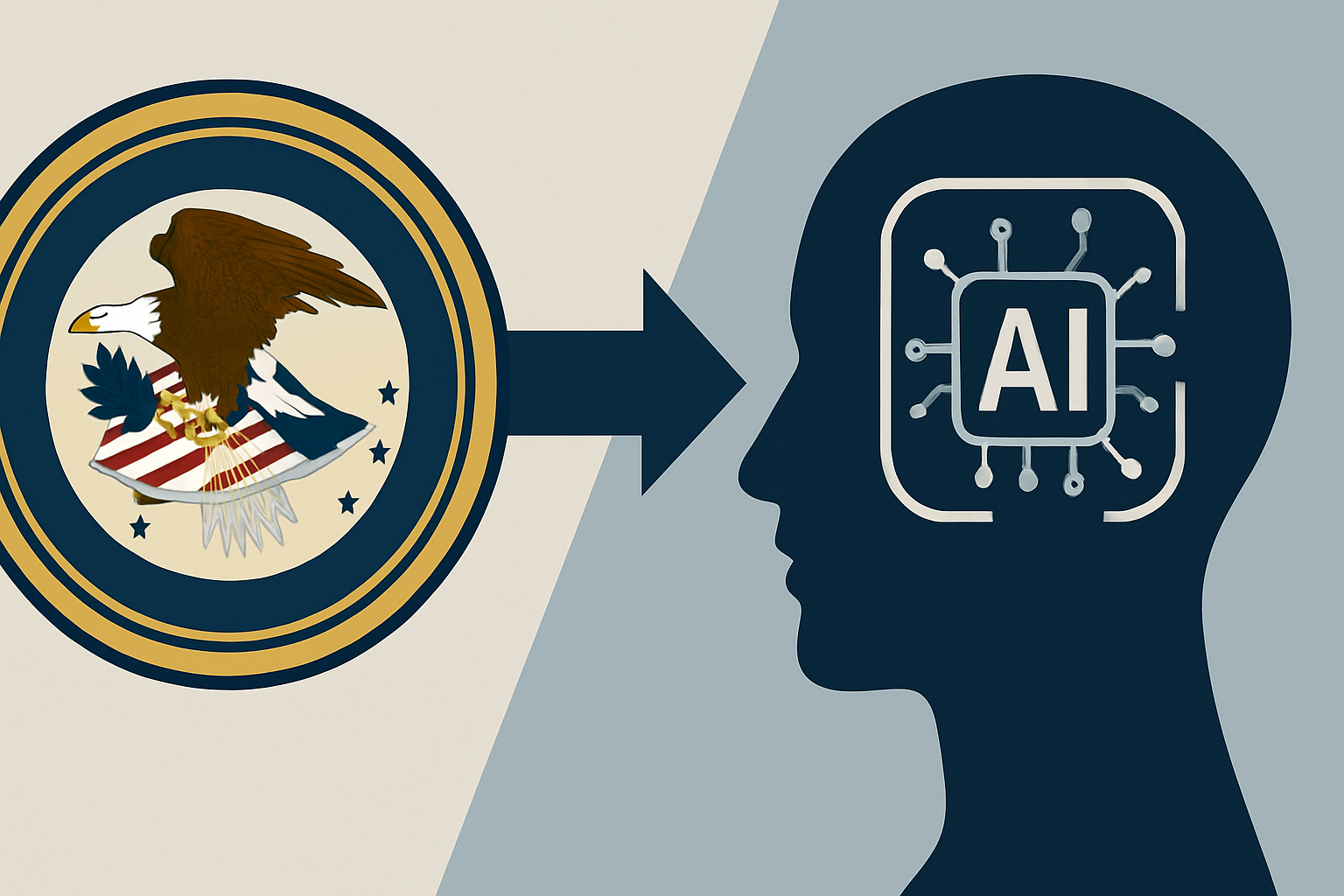
The DOJ has appealed the court order that halted the Trump administration's ban on Anthropic AI, arguing national security concerns justify further review. That appeal increases the tension between security measures and innovation and may influence how future tech rules are made.
Key takeaways
- The original ban targeted Anthropic AI and was driven by fears that AI advancements could potentially fall into adversarial hands.
- The court halted the ban on the basis that it would stifle innovation and harm the competitive advantage of the AI industry.
- The main parties in the dispute are the DOJ, the federal courts, Anthropic AI, and advocacy groups, each with different priorities in the outcome.
- Restrictive AI policies like the proposed ban could slow progress in practical areas such as financial risk assessment and fraud detection, and healthcare predictive analytics and personalized medicine.
- Recommended company practices include staying informed via sources like NIST, building adaptable compliance programs, and engaging with policymakers and industry groups.
The recent decision by the Department of Justice (DOJ) to appeal a court order halting Trump's ban on Anthropic AI has stirred significant interest and concern among tech and policy enthusiasts. This doj appeal court order not only affects the future of AI development but also raises questions about the balance between national security and technological advancement. In this article, we'll delve into the implications of this appeal, the motivations behind the DOJ's decision, and what it means for the future of AI regulation.
1. Background of the DOJ Appeal Court Order
The DOJ's decision to appeal the court order comes in the wake of an increasing reliance on AI technologies across various sectors. The original ban, proposed during the Trump administration, aimed to restrict the activities of Anthropic AI, citing national security concerns. However, the court's decision to halt this ban was based on arguments that it stifled innovation and competitive advantage in the AI industry.
- National Security Concerns: The ban was driven by fears that AI advancements could potentially fall into adversarial hands.
- Innovation vs. Security: Critics argued the ban could hinder technological progress.
- Legal Justifications: The court's decision emphasized the need for a balanced approach to regulation.
2. The Implications of the DOJ Appeal
The DOJ's appeal of the court order has several far-reaching implications. Firstly, it showcases the ongoing tension between regulatory bodies and tech companies. By appealing, the DOJ is asserting its stance on prioritizing national security, which could set a precedent for future tech-related policies. Additionally, it could influence international perceptions of the U.S. as a leader in tech innovation.
This move aligns with broader governmental efforts to regulate technology more stringently, as seen in recent policies covered in our analysis of automation's impact. Such efforts often spark debates over the fine line between regulation and innovation.
3. Key Players and Their Roles
The main players in this situation include the DOJ, the federal courts, Anthropic AI, and various advocacy groups. Each has a vested interest in the outcome of the appeal. The DOJ is tasked with ensuring national security, while federal courts play a crucial role in interpreting the law as it applies to new technologies.
Anthropic AI, a company known for its advanced AI research, is at the center of the controversy. Its role is to advocate for the freedom to innovate while addressing any legitimate security concerns raised. Advocacy groups, such as those focused on digital rights, are also vocal participants, emphasizing the importance of maintaining an open and competitive tech environment.
For more insights on how AI influences business, you can refer to our interview on AI's role in business content.
4. Real-World Applications and Examples
The debate surrounding the DOJ appeal court order has real-world implications for AI development and use. Case studies from various industries highlight how similar regulatory decisions can impact technological progress.
- Example 1: In the financial sector, AI is used for risk assessment and fraud detection. Restrictive policies could slow innovation in these critical areas.
- Example 2: Healthcare relies on AI for predictive analytics and personalized medicine. A ban could limit advancements in patient care and treatment options.
For further reading, explore how content marketing strategies can adapt to such regulatory environments in our article on optimizing LinkedIn content systems.
5. Best Practices for Navigating AI Regulations
As the landscape of AI regulation evolves, companies must adopt best practices to navigate these changes effectively.
- Best Practice 1: Stay informed about regulatory changes by subscribing to updates from authoritative sources like NIST.
- Best Practice 2: Implement robust compliance programs that can adapt to new regulations swiftly.
- Best Practice 3: Engage with policymakers and industry groups to stay ahead of potential regulatory shifts.
For more tips on strategic content marketing, consider our insights on interview-based content marketing.
6. Common Mistakes and Challenges in AI Regulation
Implementing AI regulation presents several challenges. Common mistakes include over-regulation, which can stifle innovation, and under-regulation, which may expose industries to security risks. Companies often struggle to find the right balance between compliance and innovation.
External resources, such as those provided by OpenAI, offer valuable guidance on navigating these challenges. By leveraging insights from industry leaders, organizations can better prepare for regulatory impacts and align their strategies with emerging legal frameworks.
Conclusion: Making the Most of DOJ Appeal Court Order
In conclusion, the DOJ appeal court order represents a pivotal moment in the intersection of technology and regulation. By understanding the implications, key players, and real-world applications, organizations can better navigate the evolving landscape. As the debate continues, businesses must stay informed and proactive to leverage AI advancements effectively. For more insights into the implications of tech policy, visit ContentPod.
Frequently Asked Questions
What is DOJ appeal court order?
The DOJ appeal court order refers to the Department of Justice's decision to challenge a court ruling that halted Trump's ban on Anthropic AI. This appeal is based on concerns over national security and the regulation of AI technologies.
Why is the DOJ appealing the court order?
The DOJ is appealing the court order to prioritize national security concerns over the unrestricted development of AI technologies. The department aims to ensure that advancements do not compromise national safety.
How does this affect AI development?
The appeal could lead to increased regulatory scrutiny on AI technologies, potentially slowing innovation but strengthening security measures. Companies must adapt to these changes to continue thriving in the AI industry.
References & Further Reading
- DOJ to Appeal Court Order Halting Trump's Ban on Anthropic AI
- AI Research and Development
- NIST's AI Initiatives
- Anthropic AI
Put this into practice
Share this post
You Might Also Like
Discover more content tailored to your interests
 Highly Relevant
How AI Technical Debt Problems Spread Through Codebases
AI technical debt problems are the maintenance, reliability, security, and architecture costs that build up when AI systems generate code faster than teams can review, test, document, and own it.
Read More Highly Relevant
Why Anthropic Model Rivals Fable on Enterprise Cost
Anthropic's model is being pitched as close enough in quality to a premium frontier model that cost-conscious enterprises may switch or diversify. The real test for buyers is whether the model delivers acceptable output on their highest-volume tasks while lowering total operating cost and governance overhead.
Read More Highly Relevant
AI Risks to Global Security at the U.N. Briefing 2026
AI risks to global security are the ways advanced AI systems can increase cyberattacks, accelerate disinformation, lower barriers to biological or weapons misuse, and outpace the laws meant to control them. In the AI briefing to the U.N.
Read MoreReady to create amazing podcast content?
Choose a plan and start generating professional podcast content with AI
View Pricing Plans