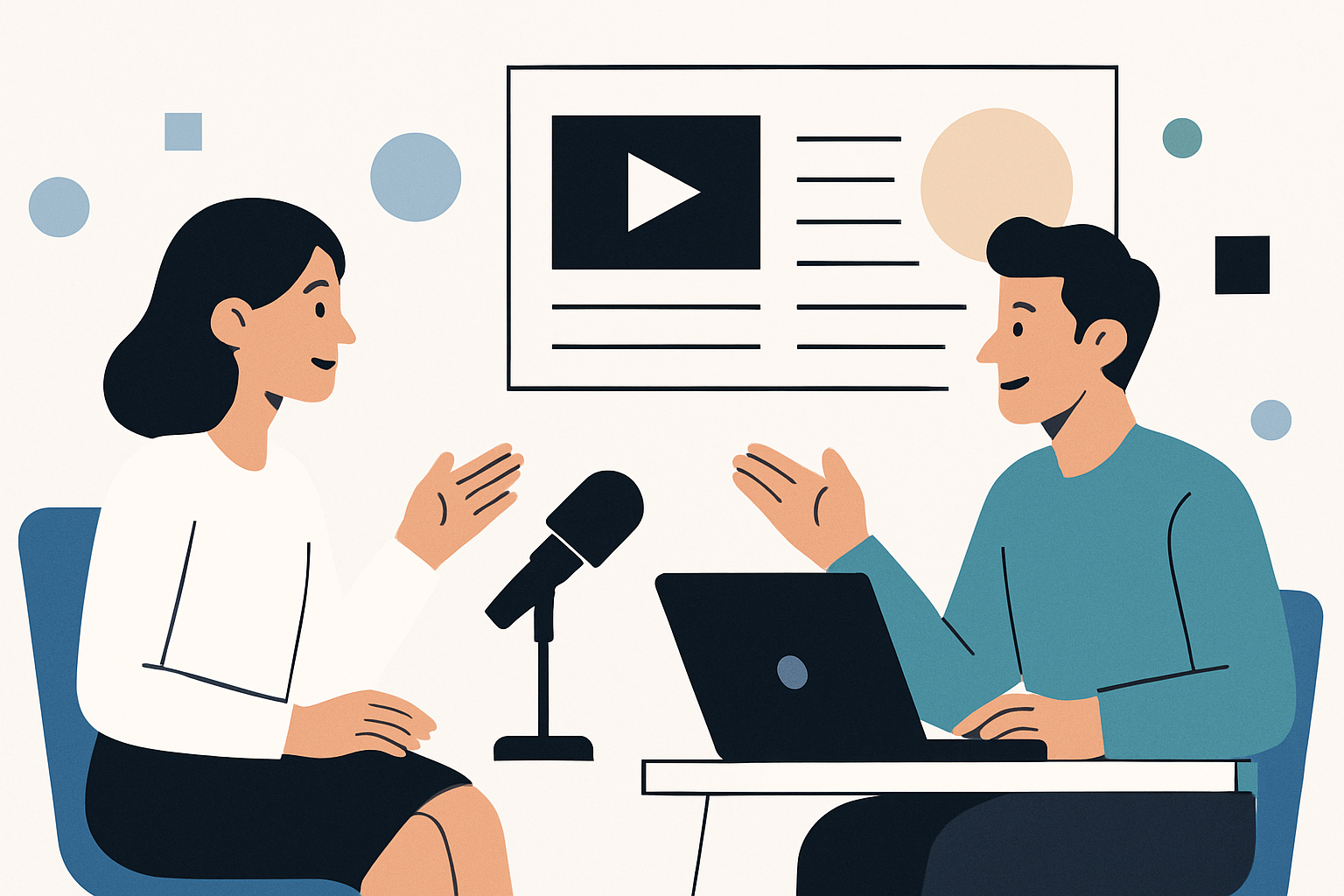
Interview-based content marketing helps creators enrich their content, expand reach, and build credibility by publishing conversations with industry experts, influencers, or customers. Interviews bring fresh perspectives and authoritative answers that resonate with an audience.
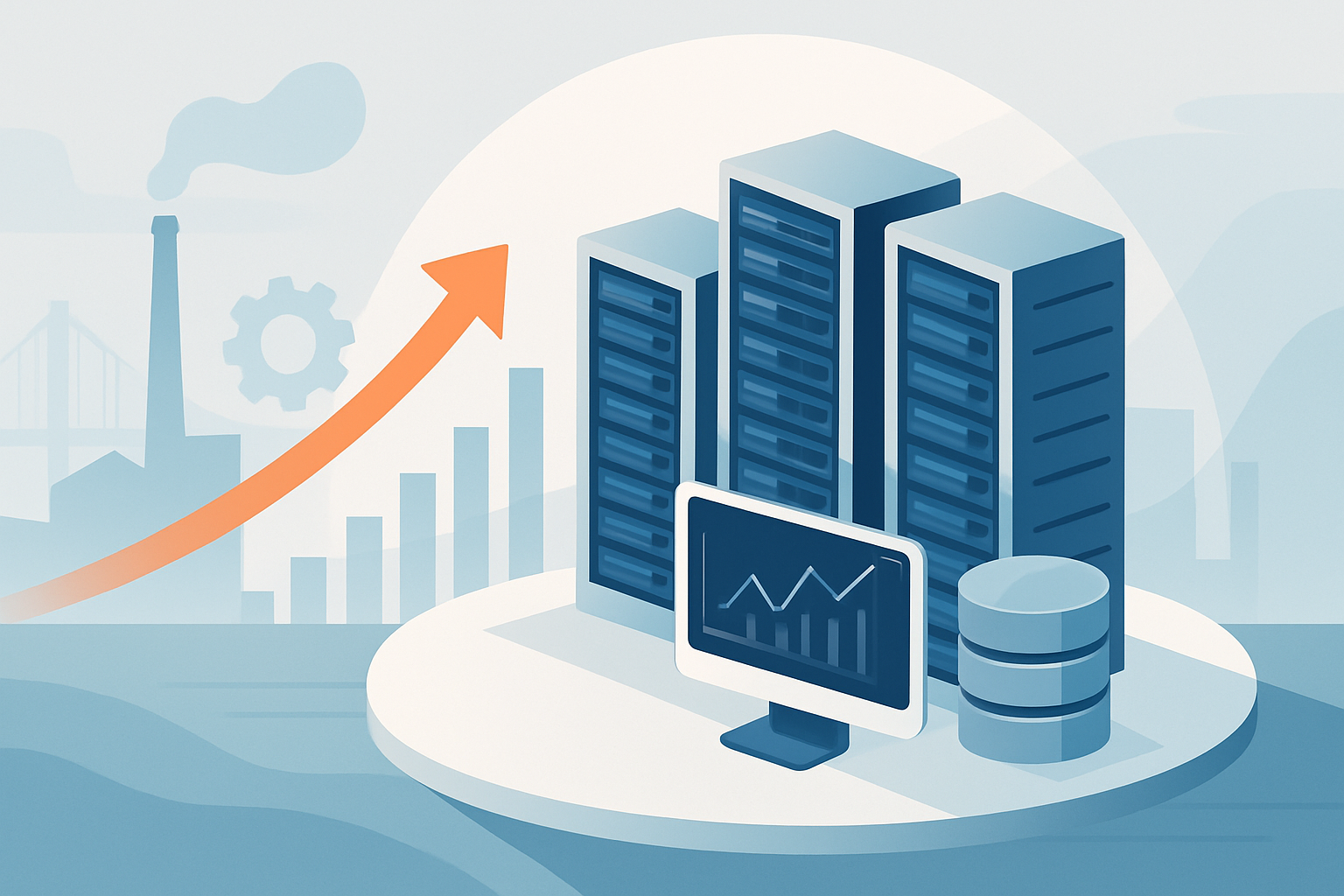
The era of data center development is a shift in how organizations store, manage and access data driven by cloud computing, AI and IoT. Businesses are changing infrastructure and operations to meet rising demand for performance, security and sustainability.
A well-structured LinkedIn content system that combines targeted content, a regular posting schedule, active audience engagement, and analytics tracking increases brand visibility and lead generation for SaaS companies. Use LinkedIn Articles, SlideShare, and LinkedIn Live while tailoring content to the platform’s professional audience to improve engagement.
You grow a newsletter by defining a clear audience, publishing high-quality content on a schedule you can maintain, and using email automation plus analytics to measure and iterate. Apply those elements together: plan topics, test subject lines and formats, and use data to refine what keeps subscribers opening and reading.
Tazewell County is using artificial intelligence to index, analyze, and retrieve decades of public records so residents and staff can find information faster and with fewer errors. The county aims to streamline access, increase transparency, and speed responses to public inquiries by automating sorting and retrieval tasks.
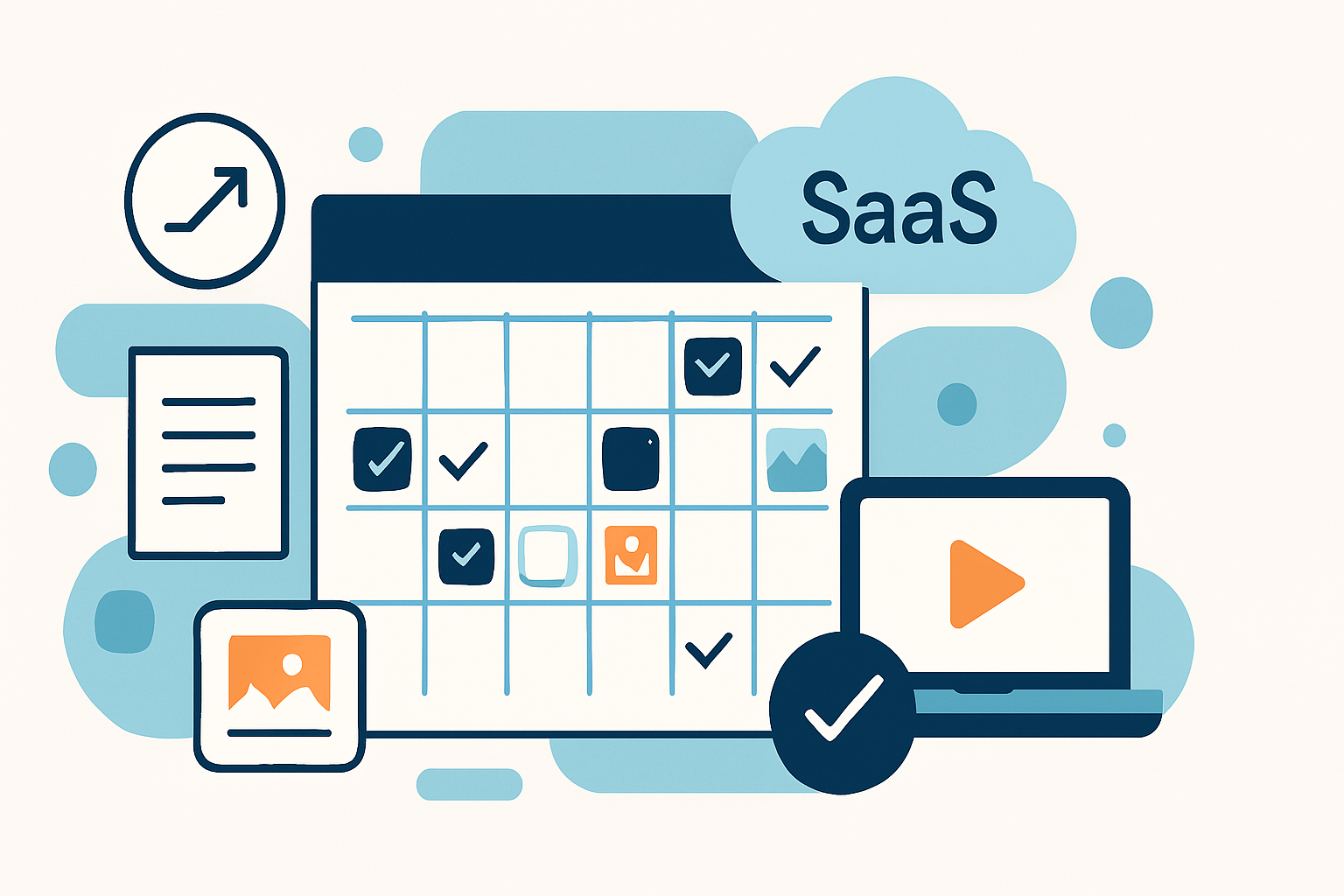
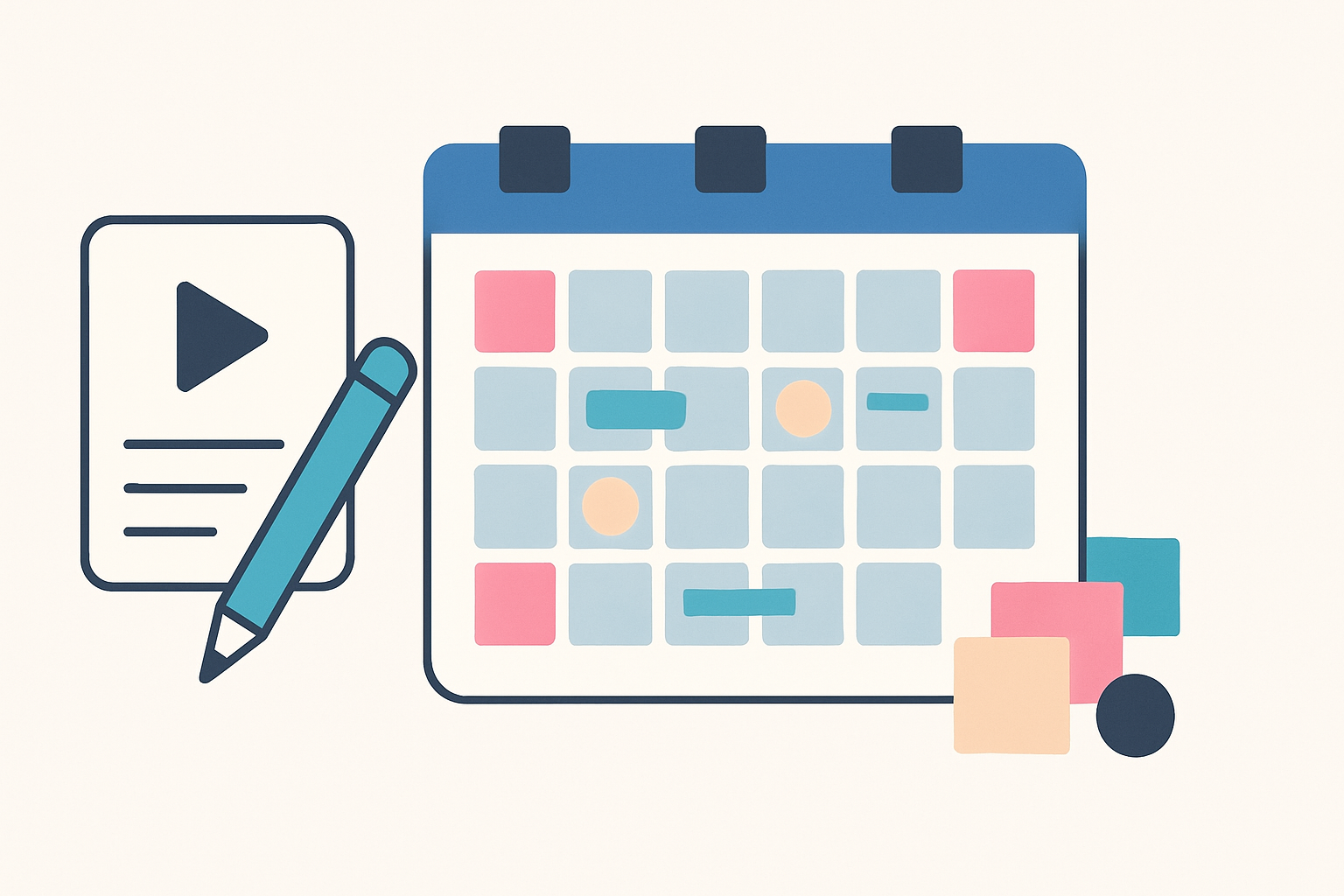
Align content objectives, audience needs, and product timelines into a single content calendar and run it as a repeatable process. The calendar should specify what you will publish, when, and why so your SaaS content stays consistent and tied to business goals.
Align a clear content strategy to measurable marketing goals, use LinkedIn analytics to test and refine what works, and keep a steady cadence of high-quality posts while actively responding to your audience. These three practices together improve visibility, engagement, and lead generation on LinkedIn.
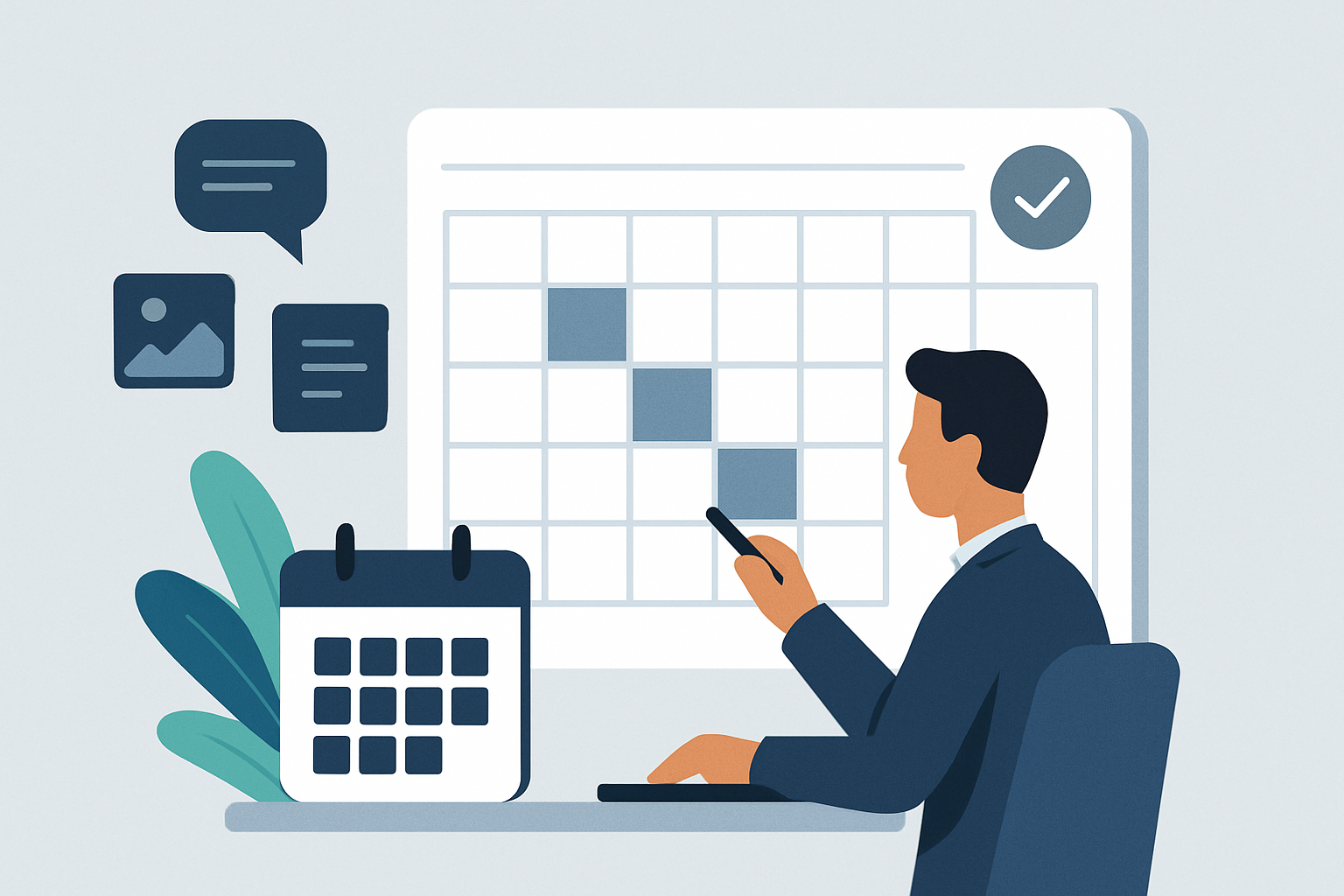
Content calendar planning organizes a creator's ideas, production tasks, and publishing dates so you publish consistently and align content with your marketing goals. Using templates, simple scheduling tools, deadlines, reminders, and regular reviews makes the process manageable and improves productivity and audience retention.
A content calendar gives consultants a single framework to schedule production, assign tasks, and align every piece of content with client goals. Turning that framework into results requires a tailored strategy, collaboration tools, and regular reviews to keep content timely and on target.
Newsletters are a primary growth channel for B2B founders: they build brand awareness, nurture leads, and create community when supported by a clear content plan, audience segmentation, and the right tools. This guide explains practical tactics—value-driven content, personalization, interactive elements, email automation, analytics, and A/B testing—to increase subscribers and engagement.
To grow a B2B newsletter in 30 days, define a clear value proposition, publish consistent, segmented content informed by analytics, and mobilize partnerships and referral incentives to drive subscriptions. Pair a content calendar and storytelling with regular measurement and subscriber feedback to refine topics and improve engagement.
A content calendar is a strategic schedule that specifies what content will be published, when, and where to keep marketing consistent and aligned with business goals. Planning content in advance improves team efficiency and audience engagement across channels.