Apple is integrating a Google AI model into Siri to improve the assistant's accuracy and to speed feature rollout by avoiding extensive in-house model development. The change shifts work away from building the core model so Apple can focus engineering effort on product-level features and user-facing improvements.
Bandcamp now bans music that relies heavily on generative AI so the platform keeps human-created work and artists' voices central. The policy is meant to protect independent creators' ownership of their music and to push artists toward original, personally produced material.
The project uses AI and machine learning to predict material properties from large datasets so researchers can shorten the discovery cycle and target promising compounds more quickly. It aims to produce practical materials for energy storage, improved thermal performance, lighter aerospace alloys, and more durable consumer electronics.
AI designs candidate drugs that bind and inhibit CDK9 by training machine learning models on biological and clinical data, then running virtual simulations to predict molecular interactions and efficacy. Reported examples include an AI-designed molecule with 30% higher efficacy against CDK9 and another that reduced tumor size in preclinical trials.
Home Depot is using Google Cloud’s AI and cloud infrastructure to improve customer and associate experiences by delivering AI-driven tools such as virtual project assistants and analytics that streamline operations and help customers complete DIY projects more efficiently. The collaboration also aims to personalize shopping and scale both backend and customer-facing services.
The Patreon report finds many creators are leaving algorithm-driven social platforms and using Patreon to take direct control of how they reach and engage their audience. On Patreon creators build closer relationships with fans and reduce reliance on fluctuating platform visibility.
Data center projects benefit the public by creating local jobs and business activity, cutting environmental impact through renewable energy and efficiency measures, and improving data processing, storage, and scalability for businesses and users. Following site selection, technology integration, and compliance best practices helps ensure those benefits reach local communities and stakeholders.
The Omaha FBI warns that criminals are increasingly using AI to commit identity theft, create deepfakes, and automate cyberattacks that can target people and critical infrastructure. To respond, individuals and organizations should strengthen security controls, train staff to recognize AI-enabled scams, and adopt detection tools and updated data-protection policies.
Google and Character.ai reached a settlement in a lawsuit that alleged their chatbot contributed to a teenager's suicide. The agreement makes clear that companies can be held responsible for harms linked to their AI and raises expectations for stronger safety, transparency, and regulatory oversight.
On-demand webinars that teach DataOps give teams practical, reusable training and case-based guidance so organizations can prepare their data pipelines and processes to support generative AI projects.
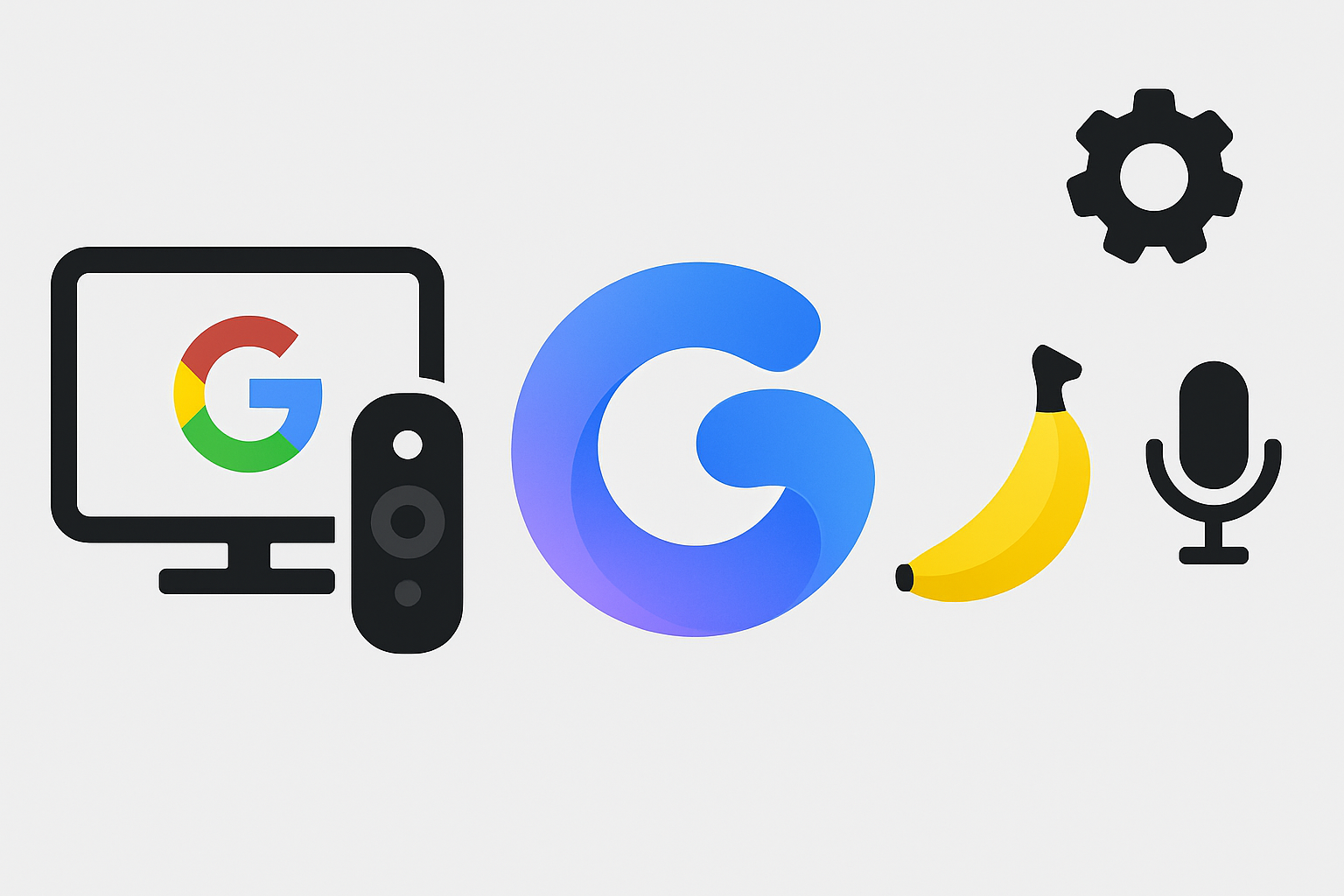
Gemini on Google TV is being updated with Nano Banana and new voice-controlled settings so users can control playback and navigation hands-free while getting AI-driven content recommendations. The update is designed to improve accessibility and make content discovery and parental controls easier through voice interaction.
AI has moved from early experiments to practical tools in real estate, powering market analytics, virtual property tours, chatbots, and personalized customer experiences that help agents forecast trends, automate routine tasks, and match clients with properties. Successful adoption requires a clear implementation strategy, staff training, and ongoing system updates while managing data privacy and integration issues.