Artificial Intelligence Proves Fingerprints Are Not Unique
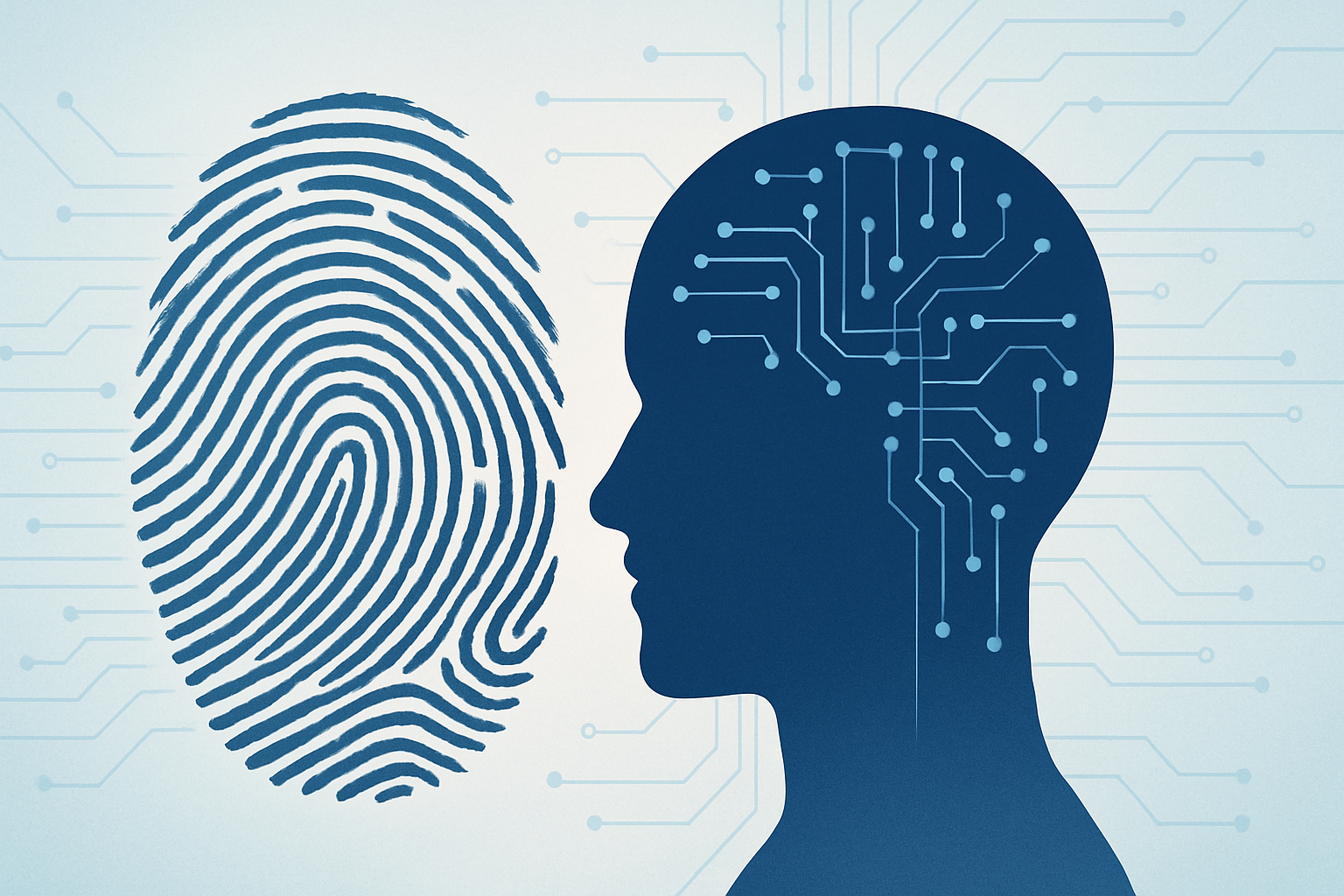
Artificial intelligence analysis shows some fingerprint features repeat across different people, so fingerprint identification is not absolutely unique. This finding requires a re-evaluation of how fingerprint evidence is used in legal settings and in forensic practice.
Key takeaways
- AI can analyze millions of fingerprints at once and has revealed overlapping characteristics among different individuals that human analysts missed.
- Advanced algorithms detect subtle patterns and use large computational resources to identify features beyond human capability, improving speed and scale of analysis.
- If fingerprints are not infallible, defendants may challenge fingerprint evidence, which could lead to retrials, appeals, and new admissibility standards in courts.
- Published case examples report that AI helped law enforcement find shared patterns that led to an arrest and that in at least one study AI matched prints with higher accuracy than human experts, lowering false positives and negatives.
- Recommended steps for integrating AI into forensic work include investing in training for forensic professionals, partnering with AI specialists, and standardizing procedures for consistent application.
For over a century, fingerprints have been considered an infallible method of personal identification in forensic science. However, recent developments in technology are challenging this long-held belief. Artificial intelligence proves fingerprints may not be as unique as previously thought, shaking the foundations of forensic reliability. This article explores how AI is reshaping the understanding of fingerprints, the implications for forensic science, and what this means for the future of personal identification.
1. How Artificial Intelligence Proves Fingerprints Are Not Unique
The notion that no two fingerprints are alike has been a cornerstone of forensic science for over a century. However, as artificial intelligence proves fingerprints can have similarities, this assumption is being questioned. AI's ability to process vast amounts of data has revealed patterns that challenge the uniqueness of fingerprints.
- Data Analysis: AI's capacity to analyze millions of prints simultaneously has shown overlapping characteristics among different individuals.
- Pattern Recognition: Advanced algorithms identify patterns previously unnoticed by human analysts.
- Computational Power: AI utilizes massive computational resources to detect subtleties beyond human capabilities.
By leveraging AI, researchers have discovered that certain fingerprint features can repeat among different people, suggesting that the uniqueness of fingerprints may not be absolute. This revelation prompts a re-evaluation of fingerprint reliability in legal contexts.
2. Implications for Forensic Science and Legal Systems
The implications of artificial intelligence proving fingerprints are not unique are profound, particularly for forensic science and the legal system. If fingerprints are not infallible, the reliability of fingerprint evidence in court proceedings could be compromised. This realization necessitates a reformation in how forensic evidence is utilized.
- Legal Challenges: Defendants could challenge the validity of fingerprint evidence, leading to potential retrials or appeals.
- Forensic Reforms: The need for updated forensic methodologies and the integration of AI in other areas of forensic science becomes crucial.
- Policy Changes: Legal systems may need to establish new standards for the admissibility of fingerprint evidence.
These changes underscore the importance of integrating AI into forensic analysis, ensuring more accurate and reliable results. For further insights into technological impacts on legal frameworks, explore John Carreyrou and Other Authors: New Lawsuit Against AI Companies.
3. The Role of AI in Fingerprint Analysis
Artificial intelligence proves fingerprints can be analyzed with unprecedented accuracy and speed. AI enhances traditional methods by offering new techniques in pattern recognition and data processing, transforming the field of fingerprint analysis.
- Automated Processing: AI systems can process thousands of prints in seconds, far surpassing human capabilities.
- Enhanced Accuracy: Machine learning algorithms improve the precision of fingerprint matching by minimizing human error.
- Scalability: AI enables the handling of larger datasets, accommodating the growing demands of forensic databases.
These advancements highlight AI's pivotal role in modernizing forensic techniques. For a deeper understanding of AI's broader impact on business, read The Future of AI in Business: From Hype to Reality.
4. Case Studies: AI in Action
Several case studies illustrate how artificial intelligence proves fingerprints can be analyzed more effectively. These examples demonstrate AI's potential in real-world forensic applications.
- Example 1: A law enforcement agency successfully used AI to identify shared patterns in a series of crime scenes, leading to the arrest of a suspect who had previously eluded capture using traditional methods.
- Example 2: In a study, AI was able to match fingerprints with a higher accuracy rate than human experts, significantly reducing the rate of false positives and negatives.
These case studies emphasize the transformative power of AI in forensic science, offering new solutions to old challenges. Explore more about technological advancements in forensic analysis by visiting Mastering SEO Workflows for Content Marketing: A Complete Guide.
5. Best Practices for Integrating AI in Forensic Analysis
As AI continues to demonstrate its value, adopting best practices for its integration into forensic analysis is essential. Here are some strategies to ensure effective implementation:
- Invest in Training: Equip forensic professionals with the skills to use AI tools effectively.
- Collaborate with AI Experts: Foster partnerships between forensic scientists and AI specialists to develop robust analytical models.
- Standardize Procedures: Establish uniform procedures for AI application to maintain consistency and reliability.
These best practices will help maximize the benefits of AI in forensic science. For additional insights, visit ContentPod.
6. Overcoming Challenges in AI-Driven Fingerprint Analysis
Despite its advantages, integrating AI in fingerprint analysis poses challenges that must be addressed. These include technical, ethical, and practical obstacles.
- Technical Challenges: Ensuring AI systems are robust and resilient to errors.
- Ethical Concerns: Addressing issues related to privacy and data security in AI applications.
- Practical Limitations: Balancing AI's capabilities with human oversight to prevent over-reliance on technology.
By acknowledging and addressing these challenges, the forensic community can harness AI's full potential while mitigating risks. For more on overcoming technological hurdles, refer to Harvard Business Review.
Conclusion: Making the Most of Artificial Intelligence Proves Fingerprints
In conclusion, the revelation that artificial intelligence proves fingerprints are not unique challenges long-standing forensic practices. By integrating AI, forensic science can enhance accuracy and reliability, although it must navigate challenges to ensure ethical and effective implementation. Organizations like ContentPod offer valuable resources to help professionals stay informed about the latest developments in AI and forensic science.
Frequently Asked Questions
What is artificial intelligence proves fingerprints?
Artificial intelligence proves fingerprints refers to the use of AI technologies to analyze and identify fingerprints, challenging the notion of their uniqueness by highlighting similarities across different prints.
How does AI improve fingerprint analysis?
AI enhances fingerprint analysis by providing faster processing, greater accuracy, and the ability to identify patterns undetectable by human analysts, thus improving the reliability of forensic evidence.
What are the implications of AI in forensic science?
The implications include potential reforms in legal standards for fingerprint evidence, the introduction of new forensic methodologies, and challenges related to the ethical use of AI technologies.
References & Further Reading
- Artificial Intelligence Proves Fingerprints Are Not Unique - news.google.com — This article explores how AI has challenged the uniqueness of fingerprints, impacting forensic science.
- AI and Fingerprint Analysis: A New Era - contentmarketinginstitute.com — Discusses the advancements AI has made in fingerprint analysis and its implications for the forensic field.
- AI in Forensic Science: Challenges and Opportunities - hbr.org — Analyzes the benefits and challenges of integrating AI into forensic science.
- The Impact of AI on Forensic Methods - marketingprofs.com — Provides insights into how AI is transforming traditional forensic methods and the future outlook.
Put this into practice
Share this post
You Might Also Like
Discover more content tailored to your interests
 Highly Relevant
Newsletter Growth Marketing Teams: Practical Playbook
A newsletter growth marketing team is a repeatable operating model that combines audience targeting, signup conversion, editorial planning, and performance review into one shared workflow to attract qualified subscribers, retain attention, and produce measurable business results. For the model to work, teams must define a clear audience and a primary growth outcome before deploying tactics.
Read More Highly Relevant
Content Calendar Planning for B2B: Mistakes to Avoid
Align your calendar to recurring buyer questions and buying-stage needs so each asset helps prospects compare options, reduce implementation risk, or move closer to purchase. Pick a sustainable cadence of fewer, stronger pieces and make the calendar a repeatable operating system rather than a collection of urgent one-offs.
Read More Highly Relevant
Newsletter Growth SaaS Companies Complete Guide 2026
Newsletter growth for SaaS means growing qualified email subscribers who support activation, retention, pipeline, and revenue rather than chasing list size alone. The most effective approach pairs a clear subscriber promise with targeted signup paths, useful content and segmentation, and measurement that links to business outcomes.
Read MoreReady to create amazing podcast content?
Choose a plan and start generating professional podcast content with AI
View Pricing Plans