Explained: Building AI-Ready Cultures in Life Sciences R&D
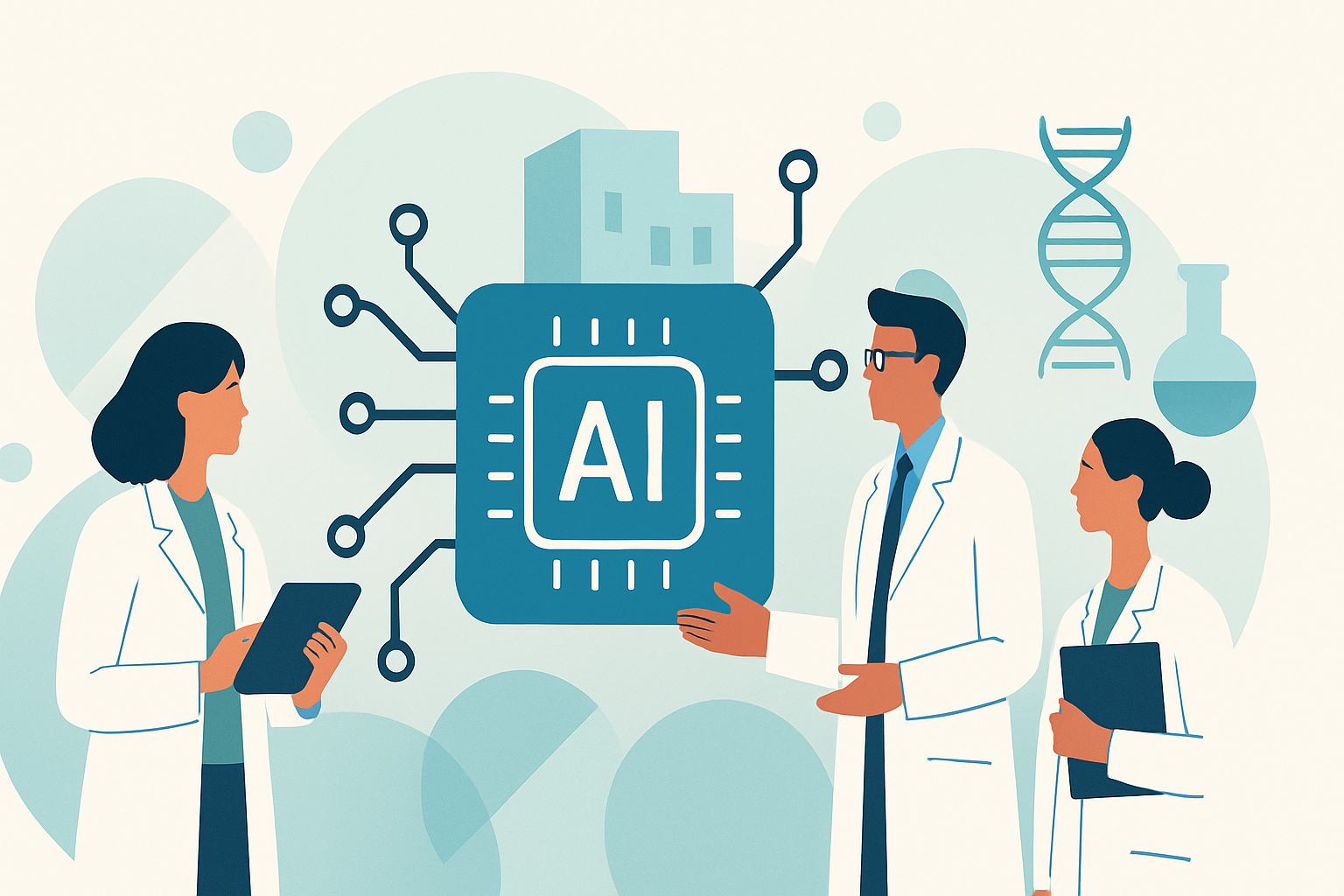
AI adoption in life sciences R&D works when an organization combines a clear, measurable AI strategy with practical pilots and workforce training so teams can apply AI tools to real data and show value. That approach lets organizations improve prediction accuracy and shorten R&D timelines while managing risks like data privacy and skill gaps.
Key takeaways
- The National Institute of Standards and Technology (NIST) says integrating AI in R&D can lead to more accurate predictions and faster innovation cycles.
- One pharmaceutical company used AI to reduce the time from initial screening to clinical trials by half.
- AI-driven analysis has been used to identify biomarkers for a rare disease, enabling earlier diagnosis and more targeted treatment.
- Platforms such as OpenAI can be adapted for life sciences work, but implementations require integrating data from multiple sources and repurposing existing content.
- Common obstacles to building AI-ready cultures include resistance to change, lack of expertise, and data privacy concerns; training, workshops, cross-functional collaboration, and partnerships with AI experts are recommended responses.
Explained: Building AI-Ready Cultures in Life Sciences R&D
In the fast-evolving arena of life sciences research and development (R&D), the integration of artificial intelligence (AI) is no longer a futuristic concept but a present necessity. Building AI-ready cultures life in this field is crucial for driving innovation, enhancing data analysis, and accelerating the discovery of novel therapeutics. This article delves into the strategies and benefits of fostering an AI-ready culture within life sciences R&D, providing actionable insights and examples of successful implementations. By the end, you'll understand the steps necessary to transform your organization's culture to embrace AI fully and leverage its potential for scientific advancement.
1. Understanding the Importance of Building AI-Ready Cultures Life
The integration of AI in life sciences R&D is transformative, yet it requires a cultural shift within organizations. This shift involves adopting new technologies, training staff, and reimagining workflows to accommodate AI tools. Such a transformation does not happen overnight but involves a strategic approach to change management.
- Practical point 1: Organizations must assess their current technological capabilities and identify gaps that AI can fill.
- Practical point 2: Training programs should be developed to enhance the AI literacy of employees across all levels.
- Practical point 3: Real-world application of AI should be encouraged through pilot projects that demonstrate value and ROI.
For instance, AI can significantly improve the efficiency of drug discovery processes by analyzing vast datasets to identify potential drug candidates more quickly than traditional methods. According to NIST, integrating AI in R&D processes can lead to more accurate predictions and faster innovation cycles.
2. Implementing AI Technology in Life Sciences
Once an organization understands the need for building AI-ready cultures life, the next step is the practical implementation of AI technologies. This involves selecting the right tools and platforms that align with the organization's goals and capabilities.
Platforms like OpenAI offer state-of-the-art tools that can be adapted to the specific needs of life sciences research. Moreover, many companies are leveraging AI to streamline their R&D processes, such as using machine learning algorithms to predict molecular properties, which is a crucial aspect of drug development.
AI implementation should also focus on data integration from various sources to ensure comprehensive analysis. For example, incorporating AI can help in the repurposing of existing content and data, making it accessible and actionable across different departments.
3. Addressing Challenges in Building AI-Ready Cultures Life
Despite the benefits, several challenges can hinder the successful integration of AI. These include resistance to change, lack of expertise, and potential data privacy issues.
To overcome these challenges, organizations should foster a culture of innovation and continuous learning. Engaging employees through workshops and training sessions can mitigate resistance. Additionally, partnerships with AI experts and consultants can provide the necessary guidance and support.
An insightful discussion on overcoming these challenges can be found in the interview about AI's role in business content, which highlights the importance of cross-functional collaboration and strategic planning.
4. Real-World Applications of AI in Life Sciences
The practical application of AI in life sciences is already yielding impressive results. Several case studies highlight how AI is revolutionizing various R&D processes.
- Example 1: A pharmaceutical company utilized AI to optimize its drug discovery process, reducing the time taken from initial screening to clinical trials by half.
- Example 2: Another organization used AI-driven data analysis to identify biomarkers for a rare disease, facilitating early diagnosis and targeted treatment.
These examples underscore the transformative power of AI when integrated into life sciences R&D. For more insights into AI applications, check out our blog post on AI-driven innovations.
5. Best Practices for Building AI-Ready Cultures Life
To successfully build AI-ready cultures life, organizations should adhere to best practices that encourage innovation and continuous improvement.
- Best Practice 1: Establish a clear AI strategy that aligns with organizational goals and includes measurable objectives.
- Best Practice 2: Foster a collaborative environment where cross-disciplinary teams can work together to solve complex problems using AI.
- Best Practice 3: Avoid common pitfalls such as underestimating the importance of data quality and over-reliance on AI without human oversight.
These practices not only support the integration of AI but also ensure that its adoption leads to sustainable improvements in R&D outcomes. For further guidance, visit ContentPod for resources on AI implementation strategies.
6. Common Mistakes and Challenges in Building AI-Ready Cultures Life
While building AI-ready cultures life presents numerous opportunities, it also comes with certain pitfalls that organizations must avoid. One common mistake is neglecting the need for robust data governance frameworks, which are essential for maintaining data integrity and security.
Additionally, organizations often face challenges in scaling AI solutions. A phased approach, starting with small-scale pilots, can help in managing these challenges effectively. External resources such as Anthropic offer valuable insights into ethical AI use and scalability.
Conclusion: Making the Most of Building AI-Ready Cultures Life
In conclusion, building AI-ready cultures life is not just about adopting new technologies; it's about fostering a mindset that embraces change and innovation. By following the strategies and best practices outlined in this article, organizations can effectively integrate AI into their R&D processes, leading to enhanced productivity and groundbreaking discoveries.
As you embark on this journey, consider leveraging resources from ContentPod to support your initiatives. Embrace the potential of AI to transform life sciences R&D and drive your organization towards a future of endless possibilities.
Frequently Asked Questions
What is building AI-ready cultures life?
Building AI-ready cultures life refers to the process of creating an organizational environment that supports the integration and effective use of AI technologies in life sciences R&D. This includes fostering a culture of innovation, providing training, and implementing AI tools in research processes.
How can organizations start building AI-ready cultures life?
Organizations can start by assessing their current technological capabilities, identifying gaps where AI can add value, and developing a comprehensive strategy that includes staff training and pilot projects to demonstrate AI's benefits.
What are common challenges in building AI-ready cultures life?
Common challenges include resistance to change, lack of expertise, and data privacy concerns. Overcoming these challenges requires clear communication, ongoing training, and a commitment to ethical AI practices.
References & Further Reading
- Building AI-Ready Cultures in Life Sciences R&D
- OpenAI: AI Tools for Research
- NIST: AI in R&D
- Anthropic: Ethical AI Practices
Share this post
You Might Also Like
Discover more content tailored to your interests
 Highly Relevant
How AI technical debt problems spread through codebases
AI technical debt problems are the maintenance, reliability, security, and architecture costs that build up when AI systems generate code faster than teams can review, test, document, and own it.
Read More Highly Relevant
Why anthropic model rivals fable on enterprise cost
Anthropic's model is being pitched as close enough in quality to a premium frontier model that cost-conscious enterprises may switch or diversify. The real test for buyers is whether the model delivers acceptable output on their highest-volume tasks while lowering total operating cost and governance overhead.
Read More Highly Relevant
How AI in sports marketing is changing broadcast ads
AI in sports marketing is enabling rights holders, networks, streaming platforms, and brands to sell more relevant inventory, adjust creative in real time, and tie ad performance to audience behavior across linear TV, streaming, social clips, and second-screen engagement. Those capabilities let teams coordinate campaigns across fragmented viewing paths and react to moment-level attention during live games.
Read MoreReady to create amazing podcast content?
Choose a plan and start generating professional podcast content with AI
View Pricing Plans