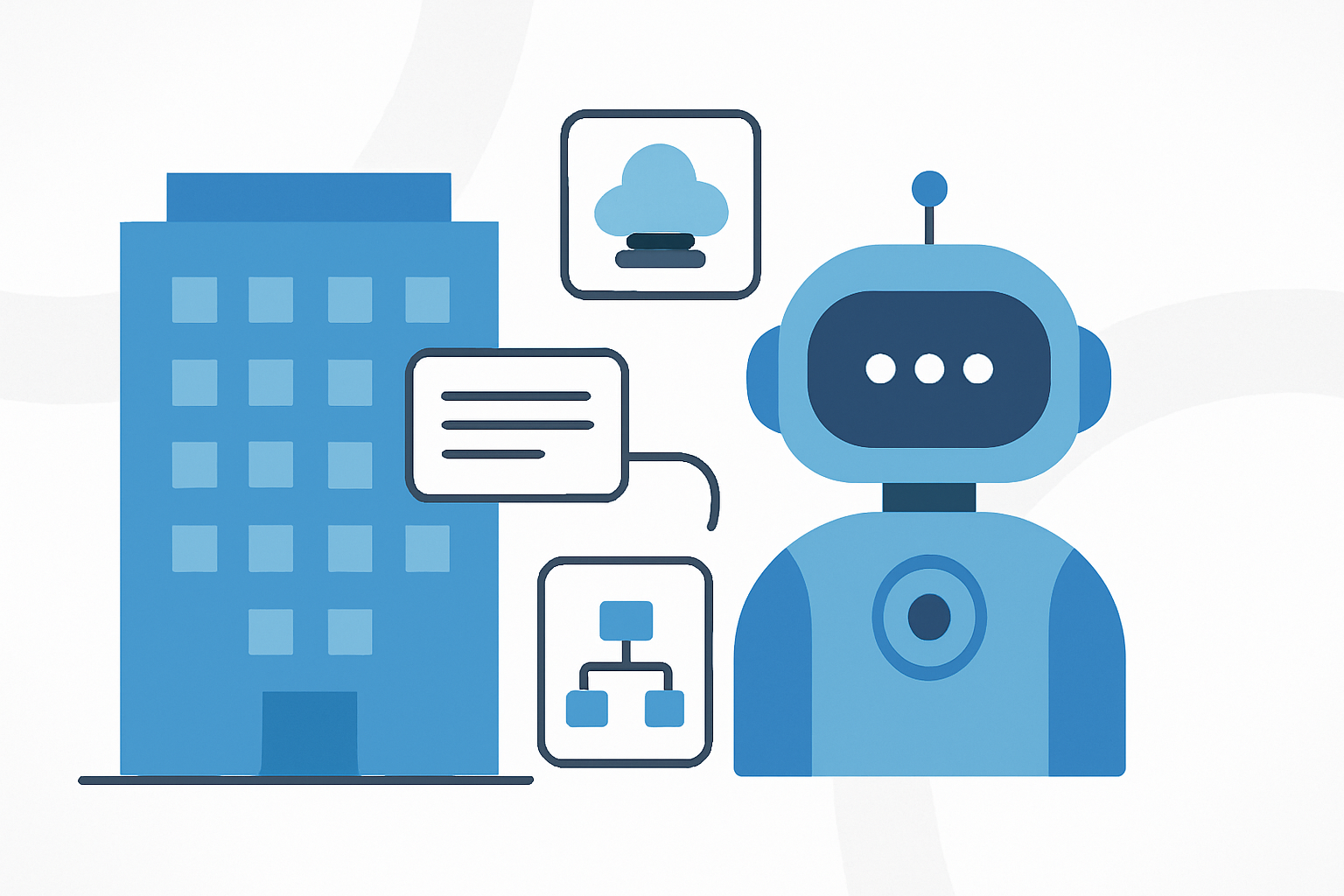
Enterprises should implement a systematic, scalable evaluation framework for generative AI that enforces data integrity, defines performance metrics, includes ethical rules and bias detection, and uses feedback loops to improve models over time. Building this framework requires scalable infrastructure, cross-functional teams, and regular updates to keep pace with technical and regulatory change.
AI adoption in life sciences R&D works when an organization combines a clear, measurable AI strategy with practical pilots and workforce training so teams can apply AI tools to real data and show value. That approach lets organizations improve prediction accuracy and shorten R&D timelines while managing risks like data privacy and skill gaps.
Amazon Bedrock enables building intelligent event agents by combining AgentCore models with Bedrock Knowledge Bases so agents can be trained, deployed, and kept up to date. The platform includes a console and AWS integrations to manage deployments, monitor performance, and connect agents to real-time data.
A well-structured, searchable self-service FAQ reduces support tickets by letting users find and resolve common problems without contacting support, which lowers ticket volume and frees your team to handle more complex issues. To work, the FAQ must be designed, written, and optimized around real customer questions and tied to analytics so you can measure and iterate its impact.
Use AI generators to convert support tickets, chat logs, and product documentation into a structured, human-reviewed FAQ that reduces support tickets and scales across products and languages. Plan categories and anchor links before you generate content, and review AI drafts for tone, accuracy, and legal compliance so the FAQ stays useful and aligned with your product.
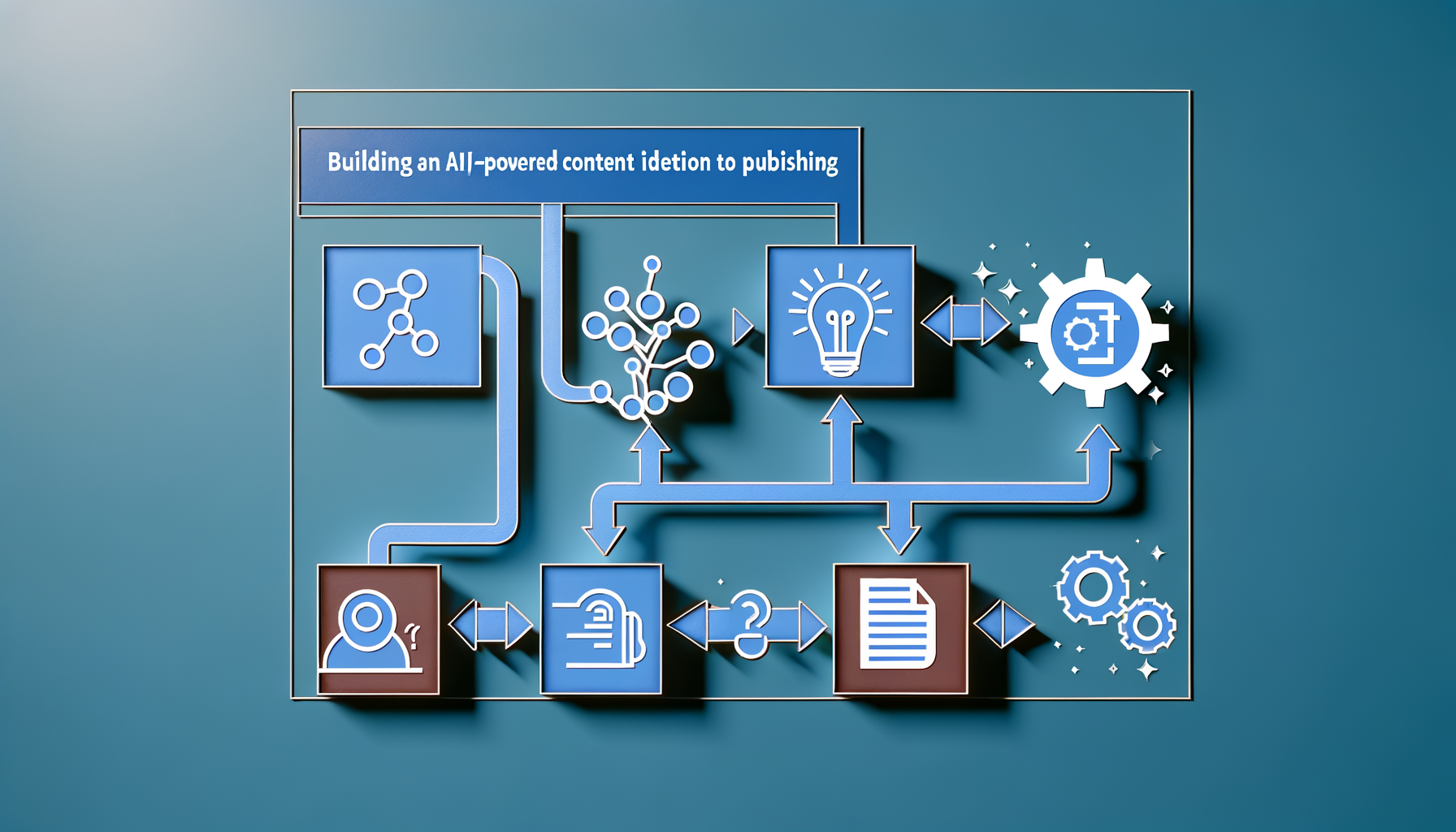
Connect strategy, creation, optimization, and distribution into a repeatable AI-assisted workflow so raw ideas become high-performing content that drives traffic, leads, and revenue. The article explains how to define goals, pick tools like ContentPod and analytics from Moz and Semrush, and insert AI into each stage from ideation through publishing while avoiding common mistakes.