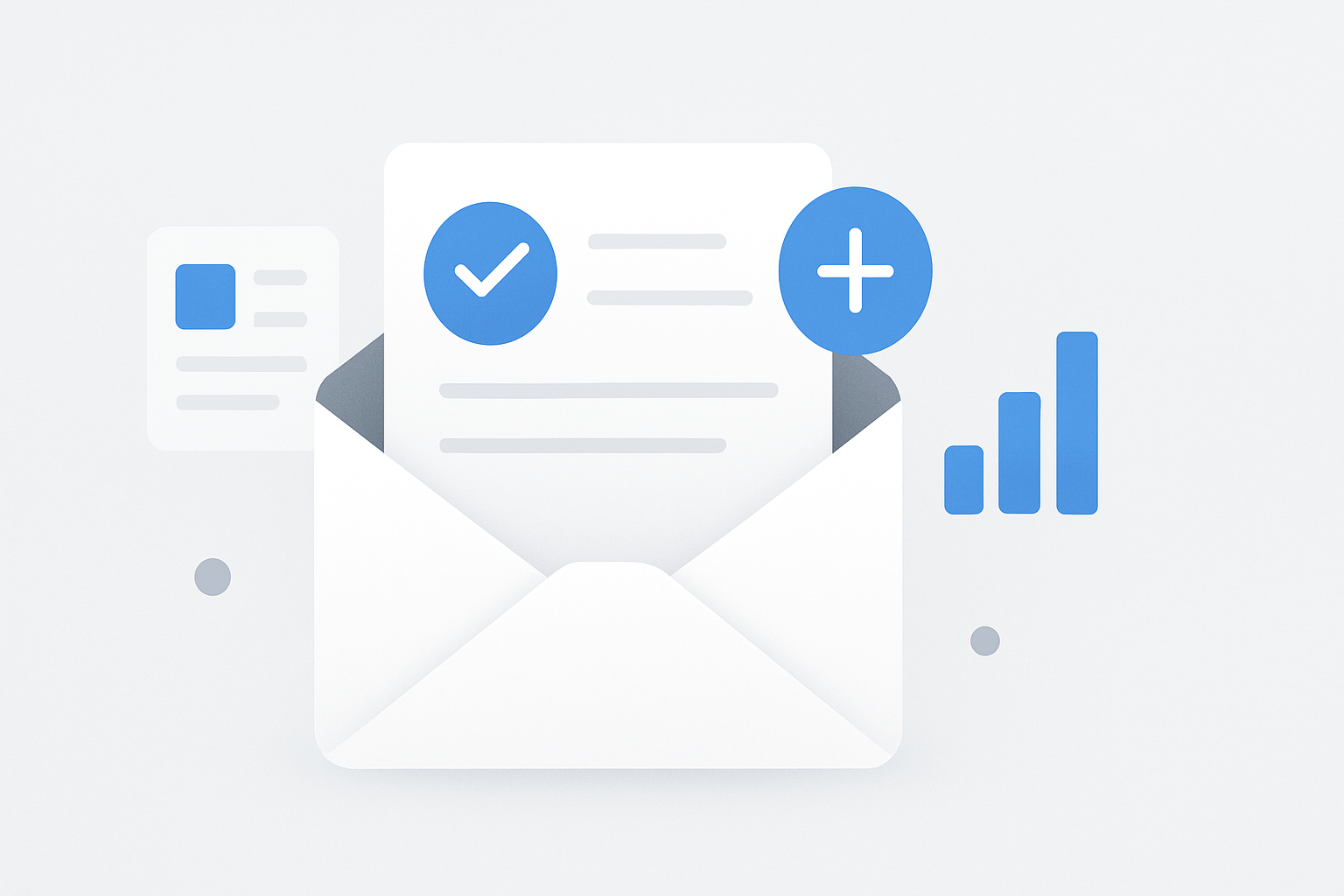
Product update emails keep users informed and increase engagement and feature adoption when they use concise messaging, personalization, visuals, and a clear call to action. They should highlight the most important updates and explain why each change was made so users understand its impact on their experience.
Key takeaways
- A product update email is a direct line of communication to inform users about new features, improvements, and changes.
- Regular product update emails help keep users engaged, reduce churn, and build trust through transparency.
- A SaaS example used a personalized video to announce a major update and saw a 40% increase in feature adoption.
- An e-commerce example used a countdown timer in an update email and boosted interaction rates by 25%.
- Best practices for changelog emails include keeping language simple, organizing updates by priority, and providing context for each change; common mistakes include overloading information, ignoring feedback, and failing to personalize.
Keeping your users engaged with new features and updates is crucial in today's fast-paced digital world. One effective method to achieve this is through a well-crafted product update email. These emails are not just about informing your users; they are a strategic tool to keep them engaged and excited about your product. In this article, we will explore how to create compelling product update emails, the best practices to follow, and common mistakes to avoid. Let's dive in!
1. Understanding the Importance of a Product Update Email
A product update email serves as a direct line of communication between you and your users. It is essential for keeping your audience informed about new features, improvements, and changes that enhance their overall experience. This type of email not only updates users but also reinforces your brand's value by showcasing continuous improvements.
- Engagement: Regular updates keep users engaged, reducing churn rates.
- Trust Building: Transparency about updates builds trust with your audience.
- Feature Adoption: Highlighting new features encourages users to explore and adopt them.
For more insights on content strategies, you might find our interview on The Burnout Epidemic: Why High Achievers Struggle valuable as it discusses user engagement at various levels.
2. Elements of an Effective Product Update Email
To craft an effective product update email, certain elements must be included to ensure clarity and engagement. Here are the key components:
- Clear Subject Line: Make it concise and informative to capture attention.
- Personalization: Use the recipient's name and tailor content to their usage.
- Visuals: Incorporate images or GIFs to make the email visually appealing.
- CTA: Include a clear call-to-action to encourage further interaction.
For additional tips on enhancing email engagement, check out The Psychology of Interview Formats: What Makes Listeners Engage on our blog.
3. Crafting a Compelling Feature Announcement Email
A feature announcement email focuses on introducing new features to users. It should be informative yet engaging to ensure users understand and are excited about the updates. For instance, using storytelling techniques can make the email more relatable and memorable.
Consider linking this strategy to a broader content approach by reading our article on Mastering Your Long-Form Content Strategy in 2025.
4. Case Studies: Successful Product Release Emails
Learning from successful product release emails can provide valuable insights. Here are some examples:
- Example 1: A SaaS company used a personalized video message to announce a major update, resulting in a 40% increase in feature adoption.
- Example 2: An e-commerce platform utilized a countdown timer in their email to create urgency, boosting interaction rates by 25%.
For more on effective communication strategies, explore our interview on AI and the Future of Content Marketing: A Dynamic Discussion.
5. Best Practices for Writing a Changelog Email
A changelog email informs users of all the changes and updates made to a product. Here are some best practices:
- Keep It Simple: Use clear and straightforward language.
- Organize by Priority: Highlight the most important updates first.
- Provide Context: Explain the reason behind each change for better understanding.
Visit ContentPod for more content strategies and insights.
6. Common Mistakes to Avoid in SaaS Update Emails
While crafting a SaaS update email, it's crucial to avoid these common pitfalls:
- Overloading Information: Avoid overwhelming users with too much data at once.
- Ignoring Feedback: Not addressing user feedback can lead to dissatisfaction.
- Lack of Personalization: Generic emails can reduce engagement levels.
For a deeper understanding of content measurement and strategies, check out our guide on Understanding Content ROI Measurement in 2025.
Conclusion: Making the Most of Product Update Emails
In conclusion, a well-crafted product update email is a powerful tool for maintaining user engagement and promoting new features. By focusing on clear communication, personalization, and user feedback, you can ensure your updates are not only read but also appreciated. Consider leveraging resources like ContentPod for further content marketing insights and strategies.
Frequently Asked Questions
What is a product update email?
A product update email is a communication tool used to inform users about new features, improvements, and changes to a product. It helps keep users engaged and encourages them to explore new functionalities.
How often should you send a product update email?
The frequency of sending product update emails depends on the nature of your product and the frequency of updates. However, it's generally recommended to send them quarterly or whenever significant changes occur to maintain engagement without overwhelming users.
What makes a great feature announcement email?
A great feature announcement email is clear, engaging, and visually appealing. It should focus on the benefits of the new feature, use personalized content, and include a call-to-action encouraging users to try the new feature.
References & Further Reading
- Marketing Statistics 2025 - hubspot.com
- Beginner's Guide to SEO - moz.com
- Email Marketing Guide - buffer.com
- Email Marketing Best Practices - semrush.com
Put this into practice
Share this post
You Might Also Like
Discover more content tailored to your interests
 Highly Relevant
Newsletter Growth Marketing Teams: Practical Playbook
A newsletter growth marketing team is a repeatable operating model that combines audience targeting, signup conversion, editorial planning, and performance review into one shared workflow to attract qualified subscribers, retain attention, and produce measurable business results. For the model to work, teams must define a clear audience and a primary growth outcome before deploying tactics.
Read More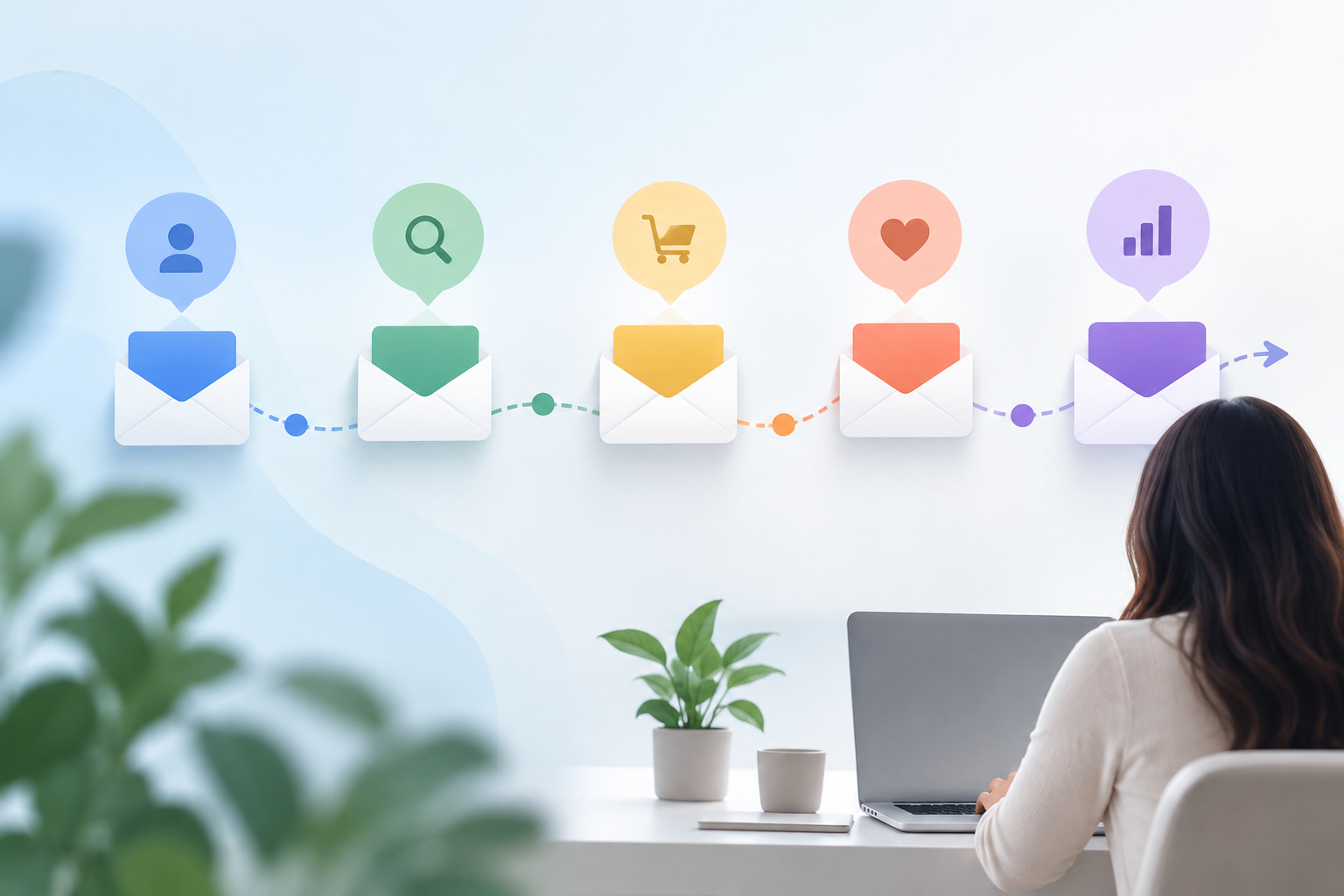 Highly Relevant
Email Sequence Examples for Every Customer Stage
Email sequence examples are sample sets of timed, automated emails that guide a person from first signup through purchase, ongoing retention, or re-engagement.
Read More Highly Relevant
Explained: Google CEO Sundar Pichai on AI Shake-Up
Sundar Pichai announced that Jeff Dean is leaving after 27 years and that Demis Hassabis will take on new responsibilities, and he framed the change as a managed transition meant to reassure employees and identify who will lead Google’s AI efforts. The message functions as a signal about how Google plans to organize AI leadership rather than a routine personnel note.
Read MoreReady to create amazing podcast content?
Choose a plan and start generating professional podcast content with AI
View Pricing Plans