Crafting the Perfect Welcome Email Series: A 7-Email Framework
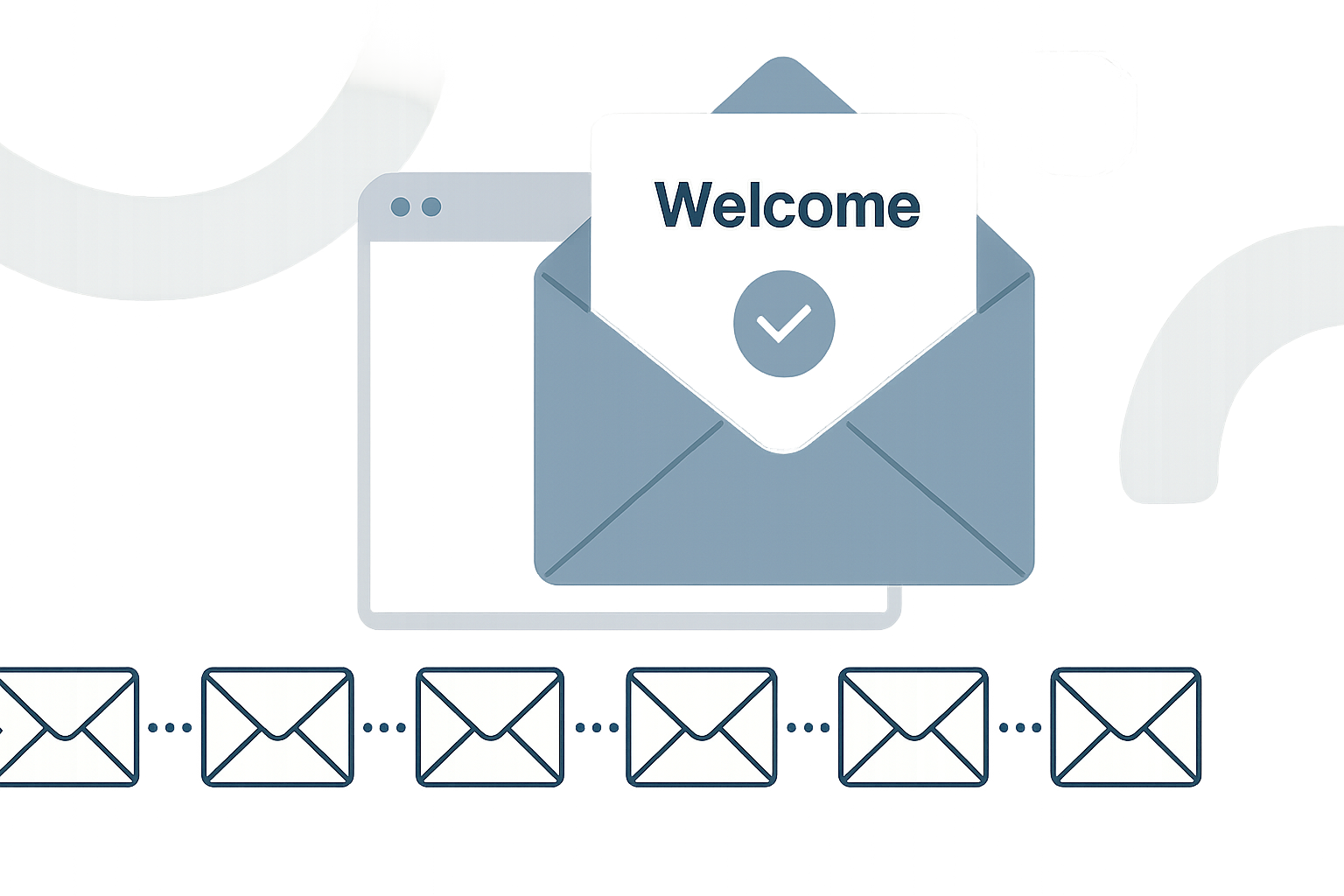
A seven-email welcome series works by sending an immediate thank-you message then a planned sequence of targeted, goal-driven emails that introduce your brand, deliver value, and push specific calls to action. Each message should build on the previous one to guide subscribers through onboarding toward measurable next steps.
Key takeaways
- A welcome email series is part of email automation and typically runs over several days or weeks with each email designed to achieve a specific goal, such as brand introduction, education, or driving action.
- Use storytelling to explain your brand ethos and values so messages resonate on a personal level.
- Mix educational content and promotional offers to keep subscribers engaged without overwhelming them.
- Best practices include segmenting your audience, A/B testing subject lines and CTAs, and spacing content to avoid information overload.
- Common mistakes are cramming too much information into emails, failing to personalize messages, and ignoring mobile optimization; addressing these improves engagement and retention.
In the digital age, the first impression your brand makes can significantly impact customer engagement and retention. A well-crafted welcome email series is a powerful tool that can turn curious subscribers into loyal customers. This series serves as the backbone of your onboarding strategy, guiding new subscribers through your brand's offerings and cultures. In this comprehensive guide, we will delve into the art of crafting a welcome email series that captivates, educates, and converts. From understanding the importance of each email to practical tips on how to optimize them, you're about to learn everything you need to create a winning sequence. For a deeper dive into effective email strategies, check out this resource on marketing statistics.
1. Understanding the Welcome Email Series
A welcome email series is more than just a polite greeting. It's an essential component of your email automation strategy that nurtures new subscriber relationships. This series typically involves multiple emails sent over several days or weeks, each designed to achieve specific goals such as introducing your brand, showcasing your products, or encouraging user action. The key is to create a seamless flow that guides your subscribers naturally from one email to the next.
- Practical point 1: Start with a warm welcome and express gratitude for subscribing. This sets a positive tone.
- Practical point 2: Use storytelling to introduce your brand ethos and values, making your message resonate on a personal level.
- Practical point 3: Include a mix of educational content and promotional offers to keep your audience engaged.
To further explore the psychological impact of content strategy, refer to this insightful interview on engagement strategies.
2. Setting the Stage: The First Email
The first email in your welcome email series is crucial as it establishes the initial connection with your subscriber. This email should be sent immediately after subscription to capitalize on the user's interest. It's your opportunity to make a lasting impression by delivering a memorable and valuable message. For effective subject line strategies, consider insights from Moz's SEO guide.
3. Deepening the Connection: Subsequent Emails
Once you've sent your initial welcome email, the subsequent emails should build on that foundation. This is where you can dive deeper into your brand story, introduce key products or services, and provide valuable content that aligns with your subscriber's interests. Each email should have a clear call-to-action (CTA) that guides the subscriber further down the sales funnel.
Consider linking to an interview where experts discuss the future of content marketing, such as this dynamic discussion on AI's role in the future of content.
4. Real-World Examples of Effective Welcome Email Series
Understanding theory is one thing, but seeing how successful brands implement their welcome email series offers invaluable insights. Here are some real-world examples of brands that have mastered their welcome sequences:
- Example 1: A leading e-commerce brand uses personalized product recommendations based on initial user preferences to increase engagement.
- Example 2: A SaaS company effectively uses their welcome sequence to guide new users through product tutorials, significantly reducing churn.
For more tips on crafting engaging emails, check out this guide on product update emails.
5. Best Practices for Crafting Your Welcome Email Series
Creating an effective welcome email series requires more than just good writing. It involves strategic planning and consistent execution. Here are some best practices to ensure your series is impactful:
- Best Practice 1: Segment your audience based on their interests and demographics to deliver personalized content.
- Best Practice 2: A/B test different elements of your emails, such as subject lines and CTAs, to optimize performance.
- Best Practice 3: Avoid information overload. Spread out your content to keep emails concise and engaging.
For more insights on content creation, visit ContentPod.
6. Common Mistakes and How to Avoid Them
While crafting a welcome email series, it's easy to make mistakes that can hinder your campaign's success. Here are some pitfalls to watch out for:
- Overloading Content: Cramming too much information into your emails can overwhelm subscribers. Keep messages clear and concise.
- Lack of Personalization: Failing to personalize your emails can result in lower engagement rates. Use data to tailor messages to individual subscribers.
- Ignoring Mobile Optimization: With a significant portion of emails being opened on mobile devices, ensure your emails are mobile-friendly.
For further reading on optimizing your email campaigns, check out this comprehensive guide on email marketing strategies.
Conclusion: Making the Most of Your Welcome Email Series
In conclusion, a well-structured welcome email series is a vital part of any successful email marketing strategy. By focusing on personalization, engagement, and strategic content delivery, you can transform new subscribers into loyal customers. Remember, the key is to be consistent and to measure your results to continually refine your approach. For more resources and expert insights on crafting effective email strategies, explore ContentPod.
Frequently Asked Questions
What is a welcome email series?
A welcome email series is a sequence of automated emails sent to new subscribers to introduce them to your brand, engage them with valuable content, and guide them through your offerings.
How many emails should be in a welcome email series?
Typically, a welcome email series includes 5-7 emails. The exact number depends on your goals and the complexity of your offerings.
What should be included in a welcome email series?
Your welcome email series should include a warm welcome, brand introduction, key product/service highlights, customer success stories, and clear calls-to-action to encourage further engagement.
References & Further Reading
- Marketing Statistics 2025 - hubspot.com
- Beginner's Guide to SEO - moz.com
- Email Marketing: A Comprehensive Guide - semrush.com
- Crafting the Perfect Product Update Email to Engage Users - contentpod.co
Put this into practice
Share this post
You Might Also Like
Discover more content tailored to your interests
 Highly Relevant
Newsletter Growth Marketing Teams: Practical Playbook
A newsletter growth marketing team is a repeatable operating model that combines audience targeting, signup conversion, editorial planning, and performance review into one shared workflow to attract qualified subscribers, retain attention, and produce measurable business results. For the model to work, teams must define a clear audience and a primary growth outcome before deploying tactics.
Read More Highly Relevant
Explained: Google CEO Sundar Pichai on AI Shake-Up
Sundar Pichai announced that Jeff Dean is leaving after 27 years and that Demis Hassabis will take on new responsibilities, and he framed the change as a managed transition meant to reassure employees and identify who will lead Google’s AI efforts. The message functions as a signal about how Google plans to organize AI leadership rather than a routine personnel note.
Read More
Welcome Email Examples and How to Write Your Own
Welcome email examples are sample first messages you send after someone subscribes, signs up, buys, or starts a trial, and they show the structure, tone, and call to action that help new contacts take the next step.
Read MoreReady to create amazing podcast content?
Choose a plan and start generating professional podcast content with AI
View Pricing Plans