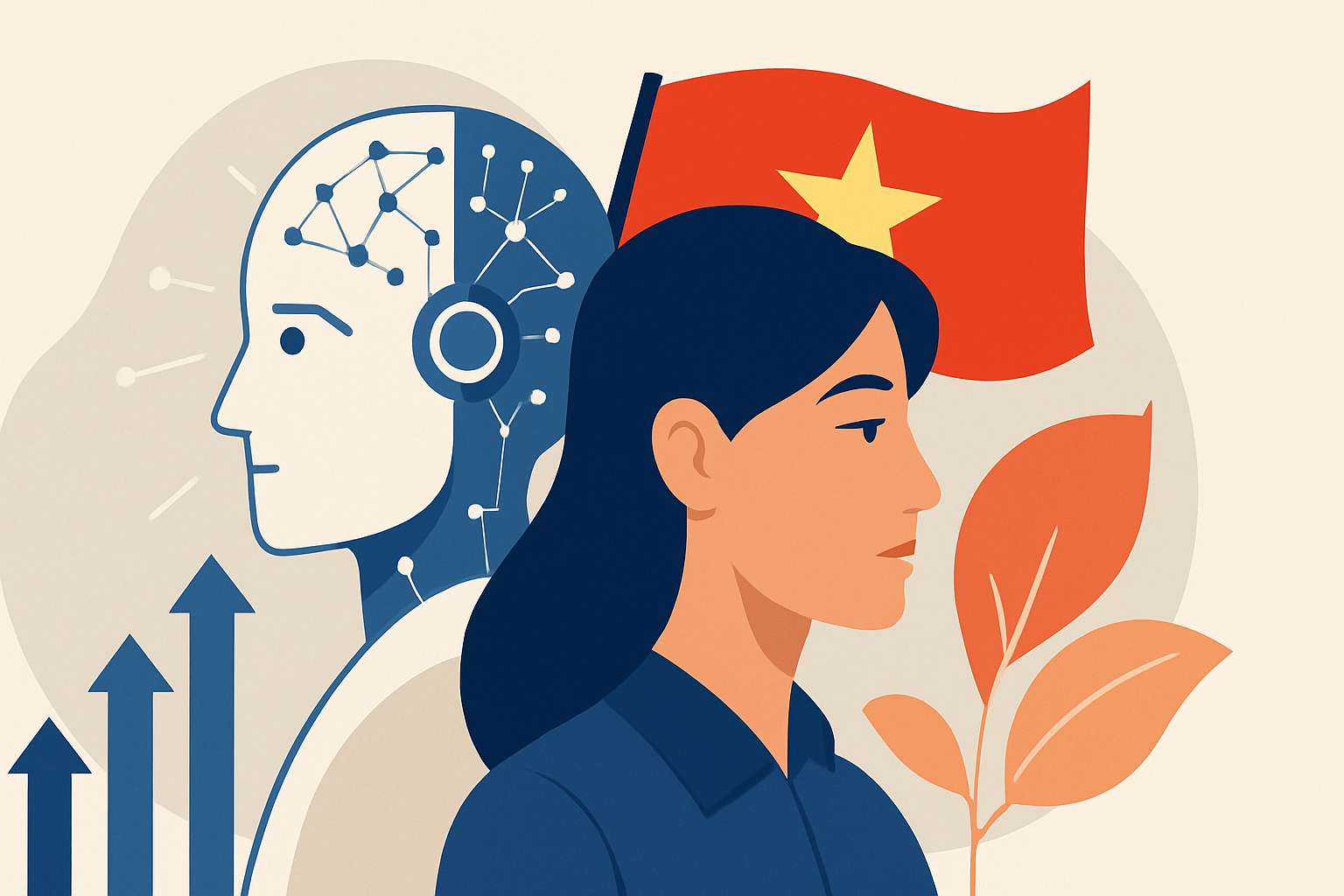
Generative AI is already entering Vietnamese workplaces and can both automate complex tasks and create new job categories, raising productivity across manufacturing, services, agriculture, healthcare and creative fields. The overall effect on employment will depend on policy choices, workforce adaptability and how businesses implement AI.
TrendAI expanded its security capabilities by integrating Anthropic's AI safety protocols and machine learning tools into its platform to strengthen data encryption, improve threat and anomaly detection, and automate threat response. The partnership is intended to improve TrendAI's ability to forecast and mitigate cyber threats and to influence industry practices.
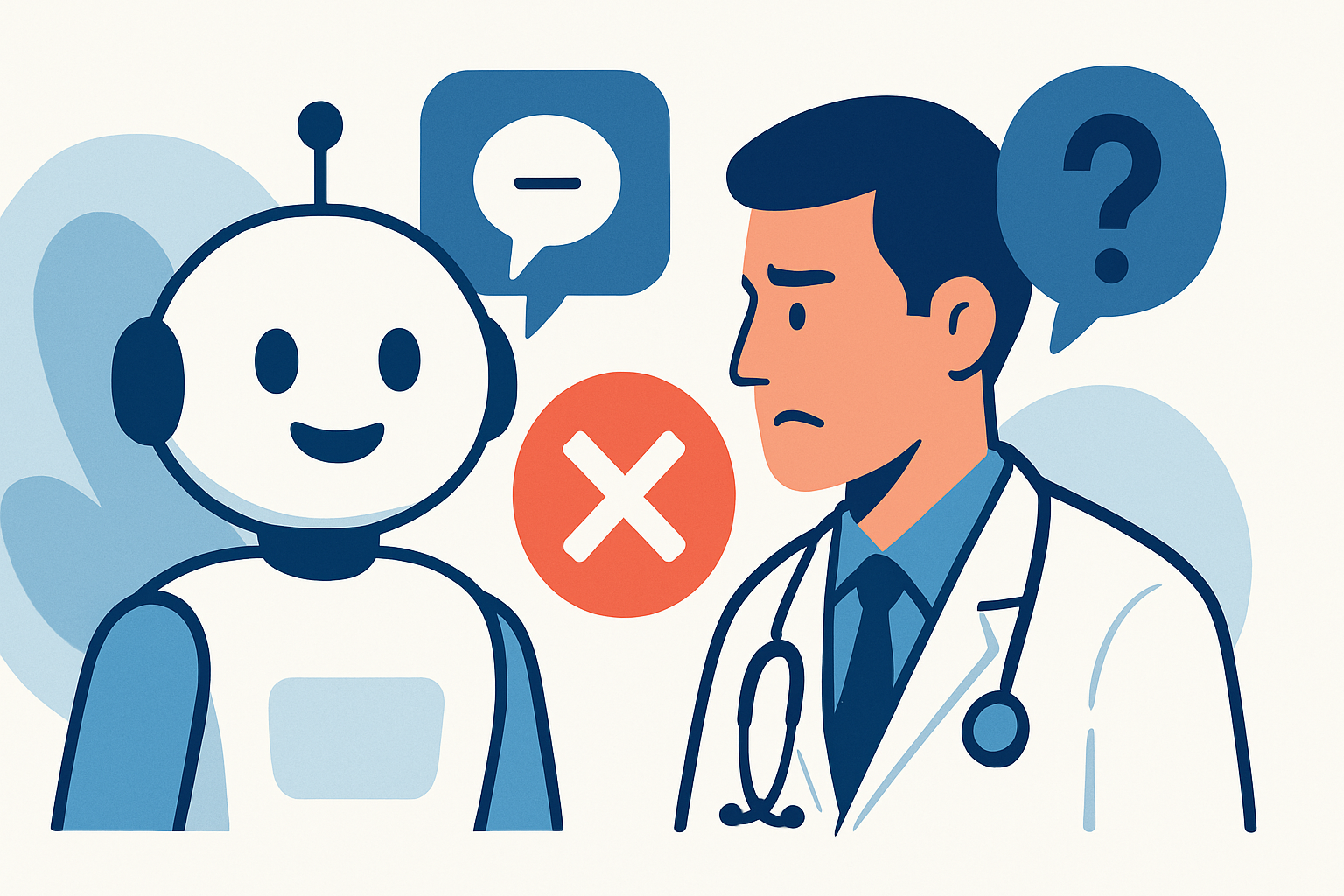
A recent study found chatbots provide misleading medical advice in roughly half of interactions. That error rate damages user trust, can delay or misdirect treatment, and creates legal and ethical risks that require technical and operational fixes.
Anthropic's Mythos model has drawn attention because it pairs built-in safety and alignment features with advanced predictive capabilities, changing how organizations use AI and prompting closer regulatory scrutiny. The model is designed to reduce harmful outputs and align with human intentions while enabling new applications in finance, healthcare, and autonomous vehicles.
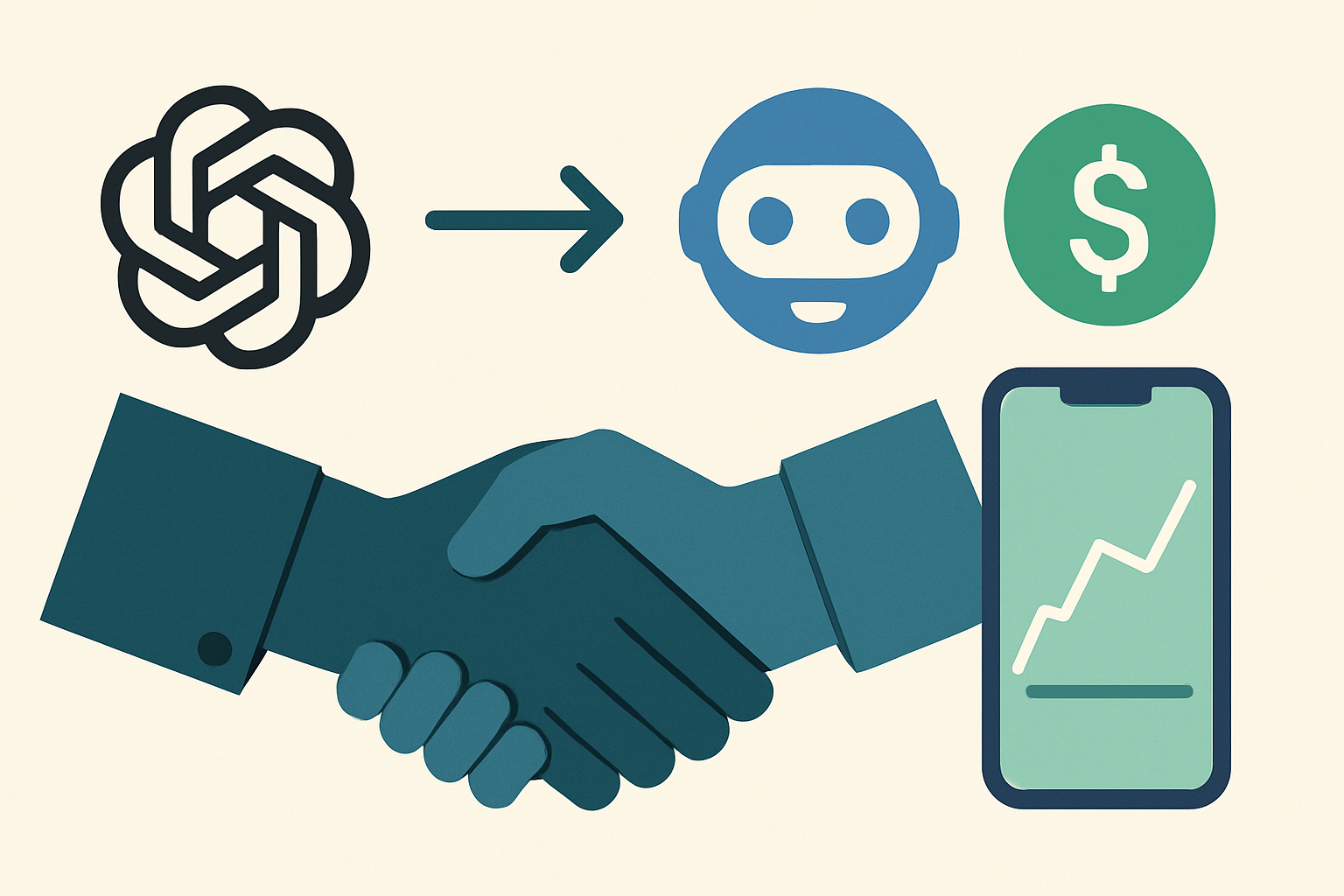
OpenAI has acquired Hiro Personal, combining Hiro's personal finance algorithms and team with OpenAI's platform to move OpenAI into consumer financial services. The deal positions OpenAI to develop personalized financial tools and integrate Hiro's users and expertise into its offerings.
Forming a romantic or deeply emotional relationship with an AI chatbot can produce dependency, mental-health harms, and legal and privacy problems; the article uses a recent tragic case to show those real risks. It explains how chatbot design, user attachment, and unclear accountability combine to create those outcomes and offers practical precautions to reduce harm.
Invest the $2,000 in a diversified AI-focused ETF to gain broad exposure to AI companies while reducing the single-stock risk. Before you choose a fund, review its holdings, historical performance and volatility, and its expense ratio.
AI amplifies cybercriminal capabilities by automating vulnerability discovery, adapting to defenses, and scaling attacks like phishing and polymorphic malware. Organizations can cut that risk by using AI-driven security, running regular audits, and training employees to spot AI-enhanced attacks.
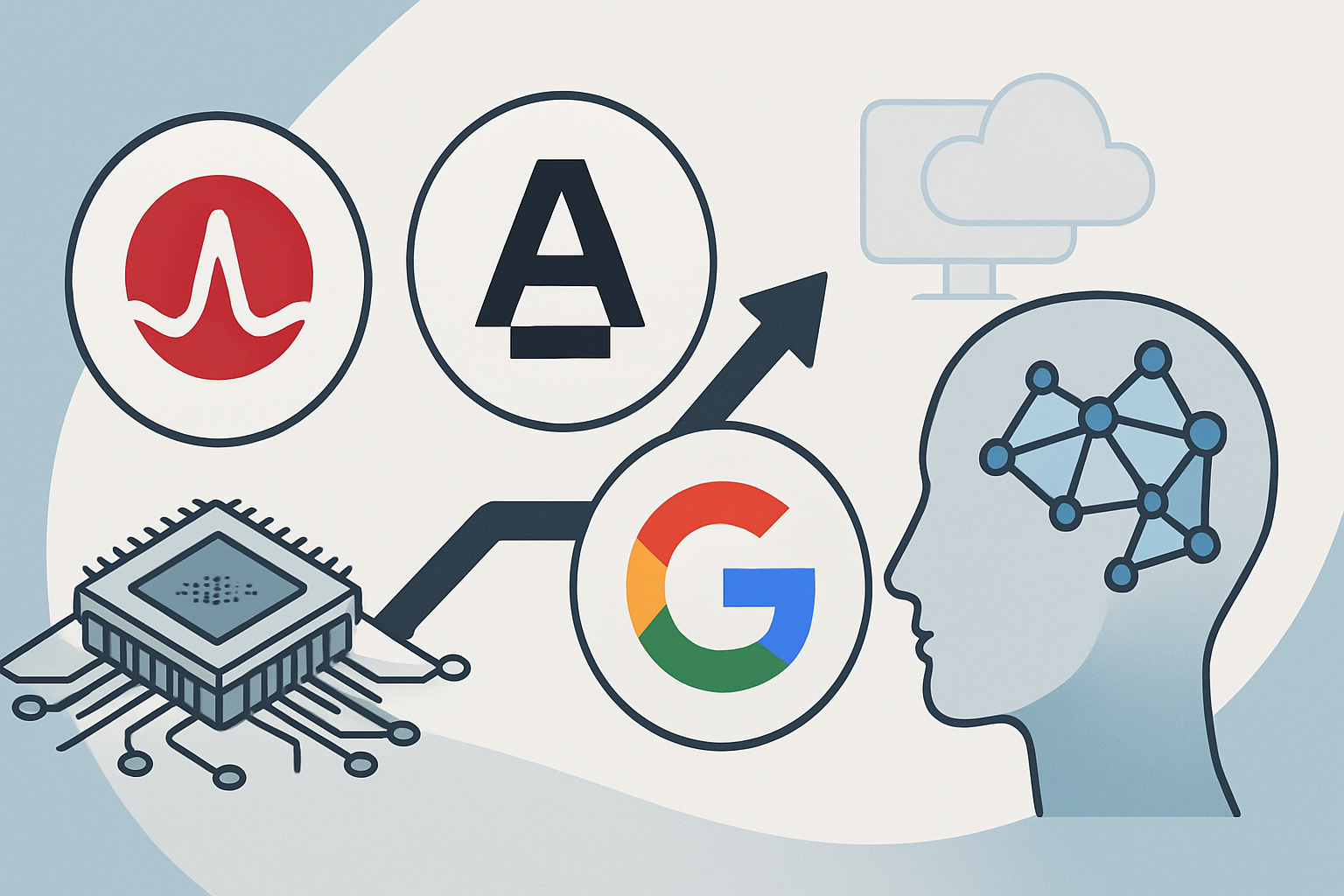
The Broadcom, Anthropic, and Google partnership combines Broadcom semiconductors, Anthropic research on safe and interpretable AI, and Google's cloud to expand AI compute capacity and speed deployment of large-scale, more interpretable AI systems. The collaboration targets better processing power, improved AI safety and interpretability, and the ability to run more complex models at cloud scale.
Software engineering graduates are adapting by learning AI concepts and tools, getting hands-on experience through internships and projects, and following updated curricula that include machine learning and data science. Ongoing study and practical portfolios are needed to meet new employer expectations.
AI is transforming mergers and acquisitions by automating due diligence, analyzing large datasets for risk assessment and market prediction, and speeding decisions while reducing human error. Smart firms in 2026 use these capabilities to scale complex deals and guide strategic planning.
Requests to disclose how state-level AI systems make decisions have surged and are straining existing legal and regulatory systems, revealing gaps in transparency, enforcement, and corporate reporting. That pressure is prompting attention to explainability, audits, and clearer legal rules for AI used in hiring, credit scoring, and healthcare.