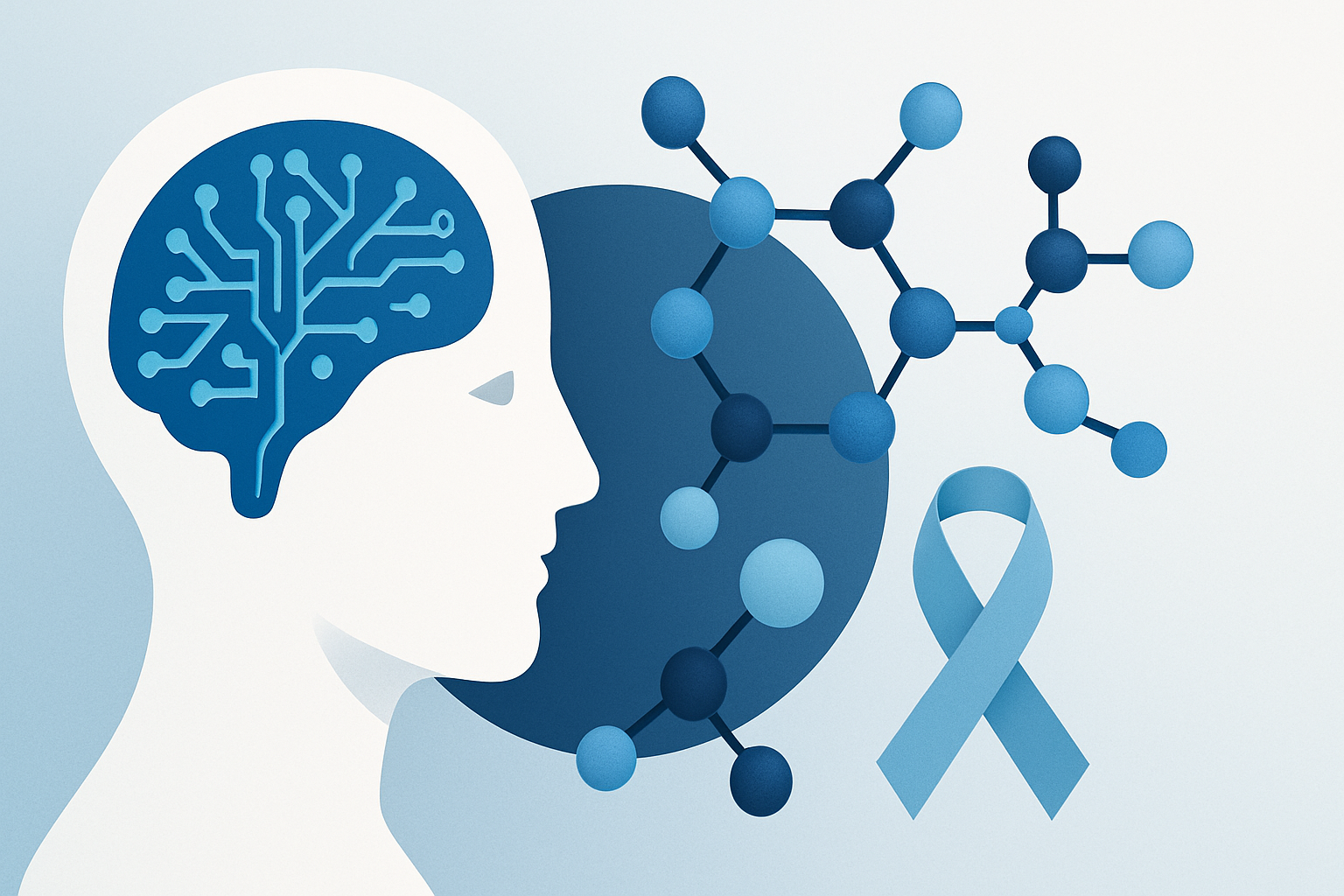
AI designs candidate drugs that bind and inhibit CDK9 by training machine learning models on biological and clinical data, then running virtual simulations to predict molecular interactions and efficacy. Reported examples include an AI-designed molecule with 30% higher efficacy against CDK9 and another that reduced tumor size in preclinical trials.
AI has moved from early experiments to practical tools in real estate, powering market analytics, virtual property tours, chatbots, and personalized customer experiences that help agents forecast trends, automate routine tasks, and match clients with properties. Successful adoption requires a clear implementation strategy, staff training, and ongoing system updates while managing data privacy and integration issues.
In 2026 Switzerland is a leading centre for AI because government funding, public-private partnerships, and top university research (notably ETH Zurich and EPFL) have driven adoption across healthcare, finance, transportation and energy. Regulators are developing ethical and privacy-focused rules while organizations concentrate on data strategy, algorithm transparency and ongoing staff learning to address privacy and integration challenges.
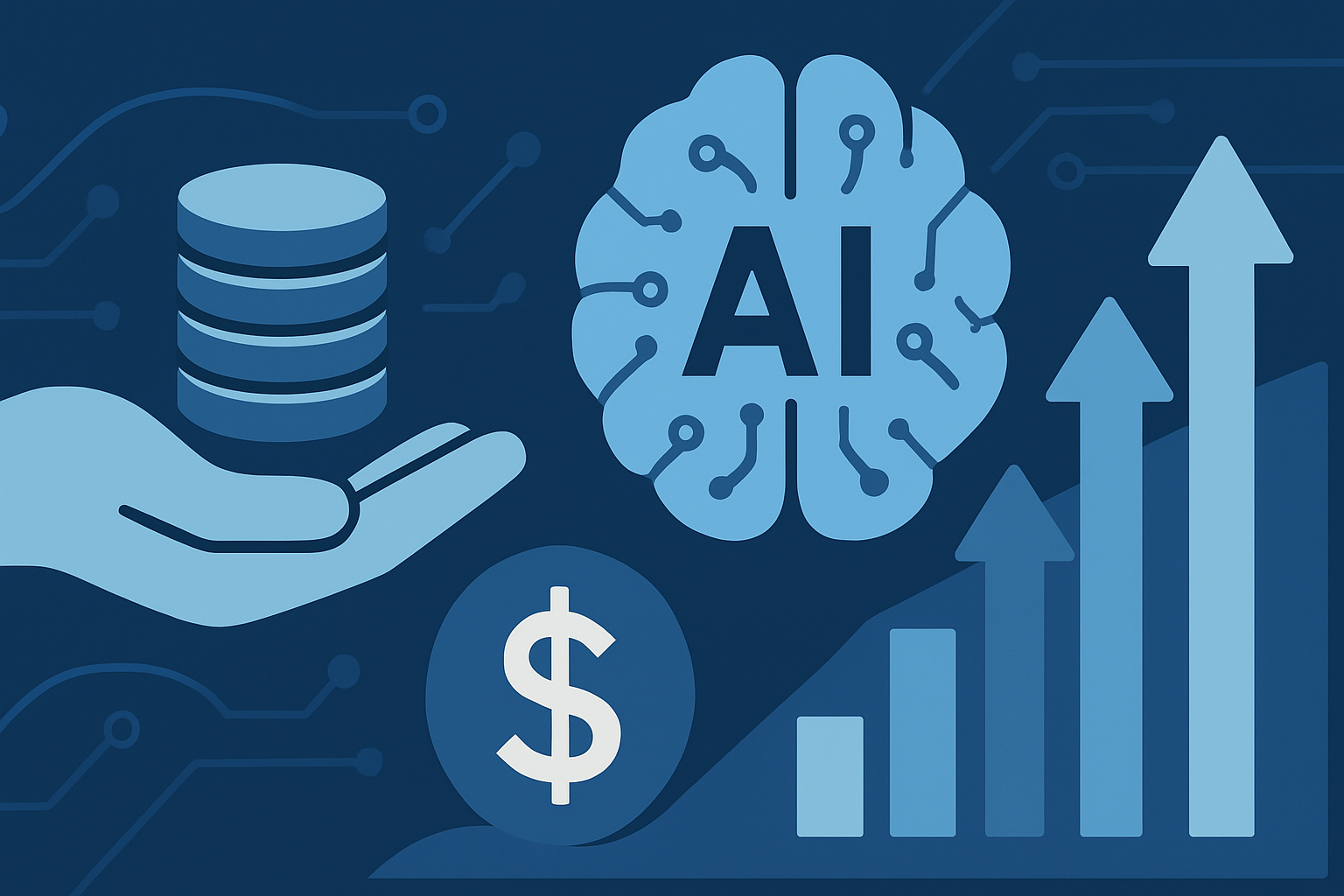
If you have $2,000 to invest and plan to hold for at least a decade, consider allocating it among NVIDIA, Alphabet, and Amazon. These three companies are heavily invested in AI technologies that drive data centers, product features, logistics, and consumer devices, giving long-term exposure to AI development.
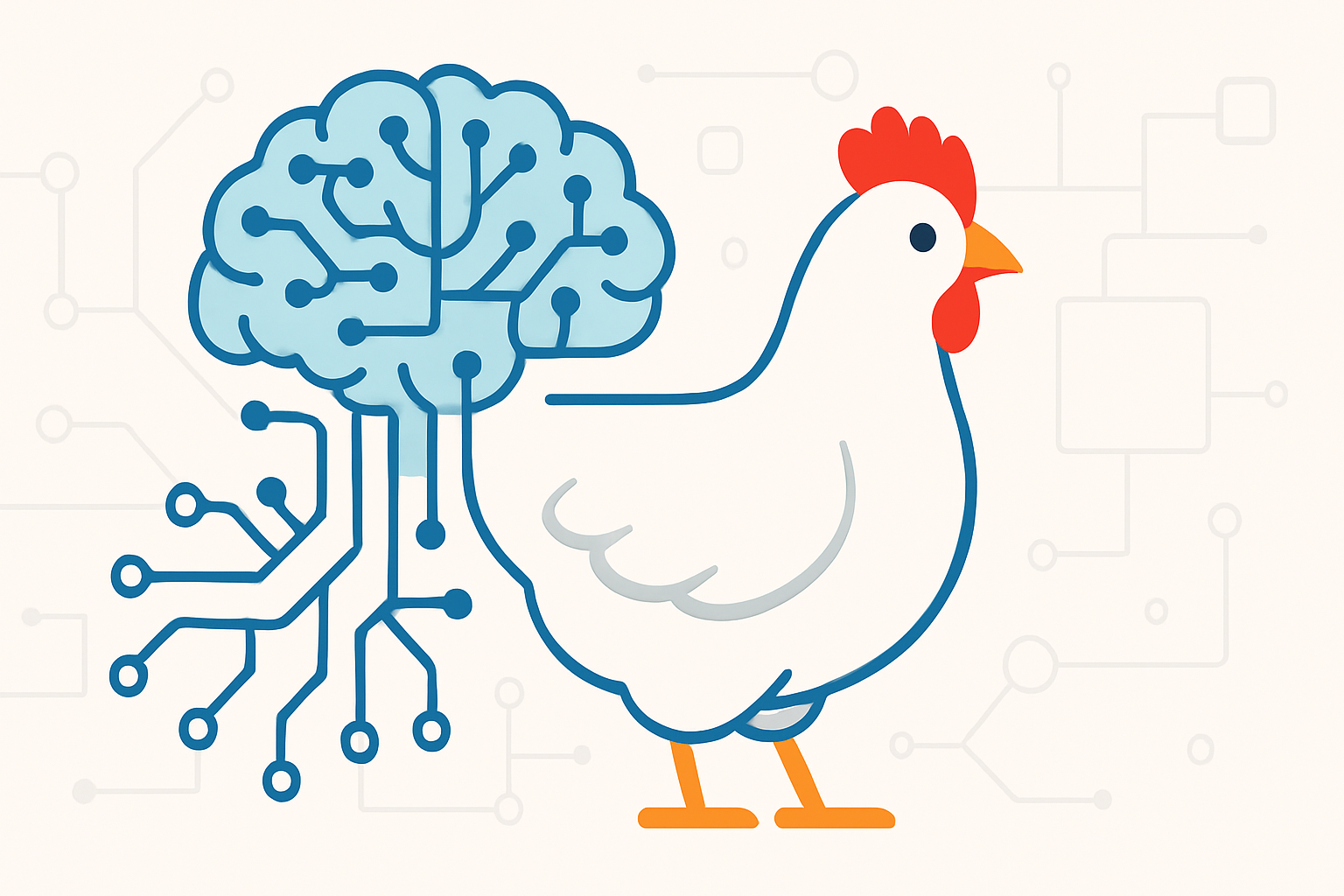
Artificial intelligence links sensors, cameras, drones, robotics and IoT with data analytics so poultry operations can monitor birds and environments in real time and make automated, data-driven decisions. That connected system reduces waste, schedules maintenance, and supports earlier detection of health issues to improve productivity and animal welfare.
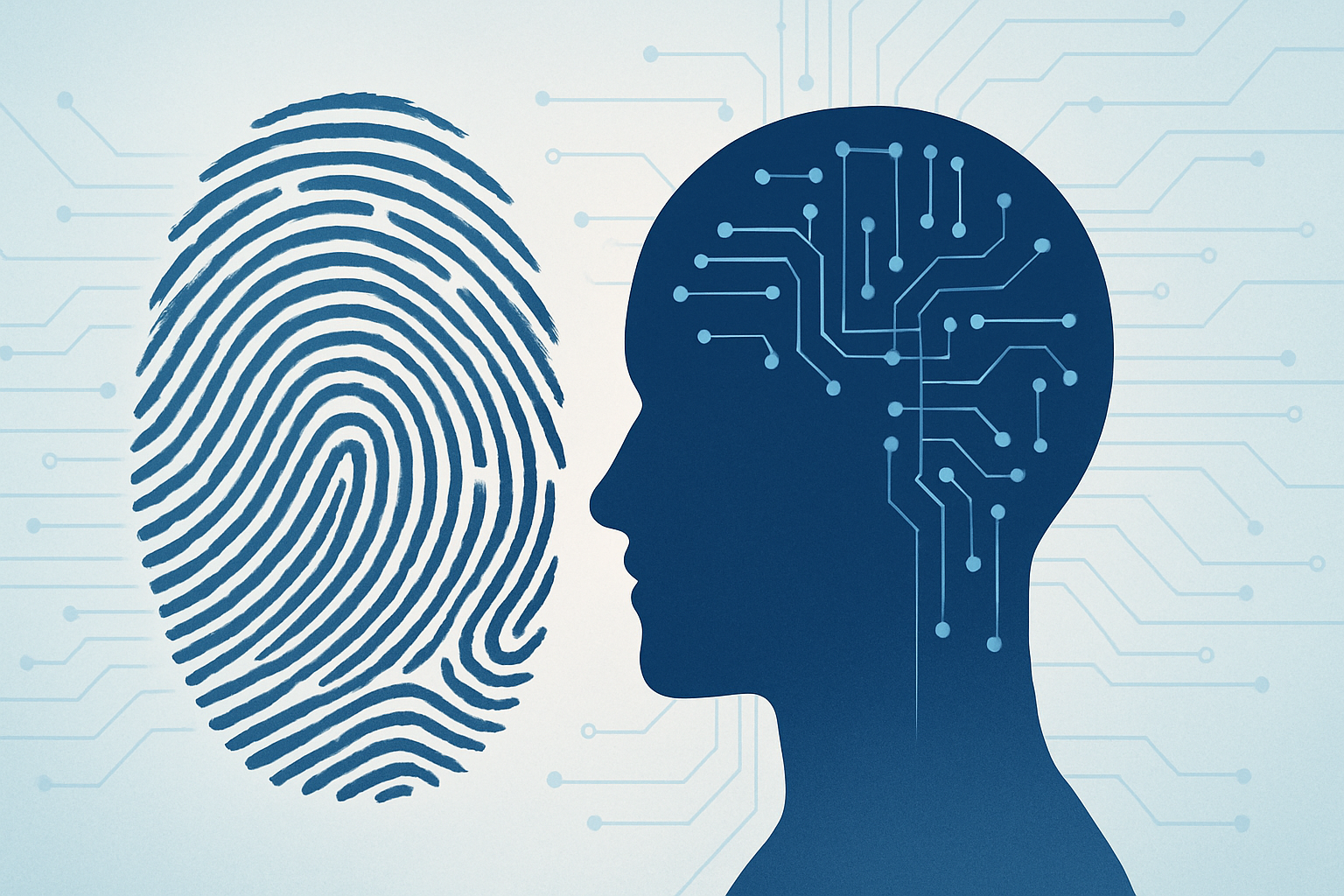
Artificial intelligence analysis shows some fingerprint features repeat across different people, so fingerprint identification is not absolutely unique. This finding requires a re-evaluation of how fingerprint evidence is used in legal settings and in forensic practice.
An integrated artificial intelligence internet framework combines AI and IoT to create a connected, real-time retail system that improves personalization, inventory management, and operational efficiency. Implementing it requires strong data security, careful system integration, and upfront investment.
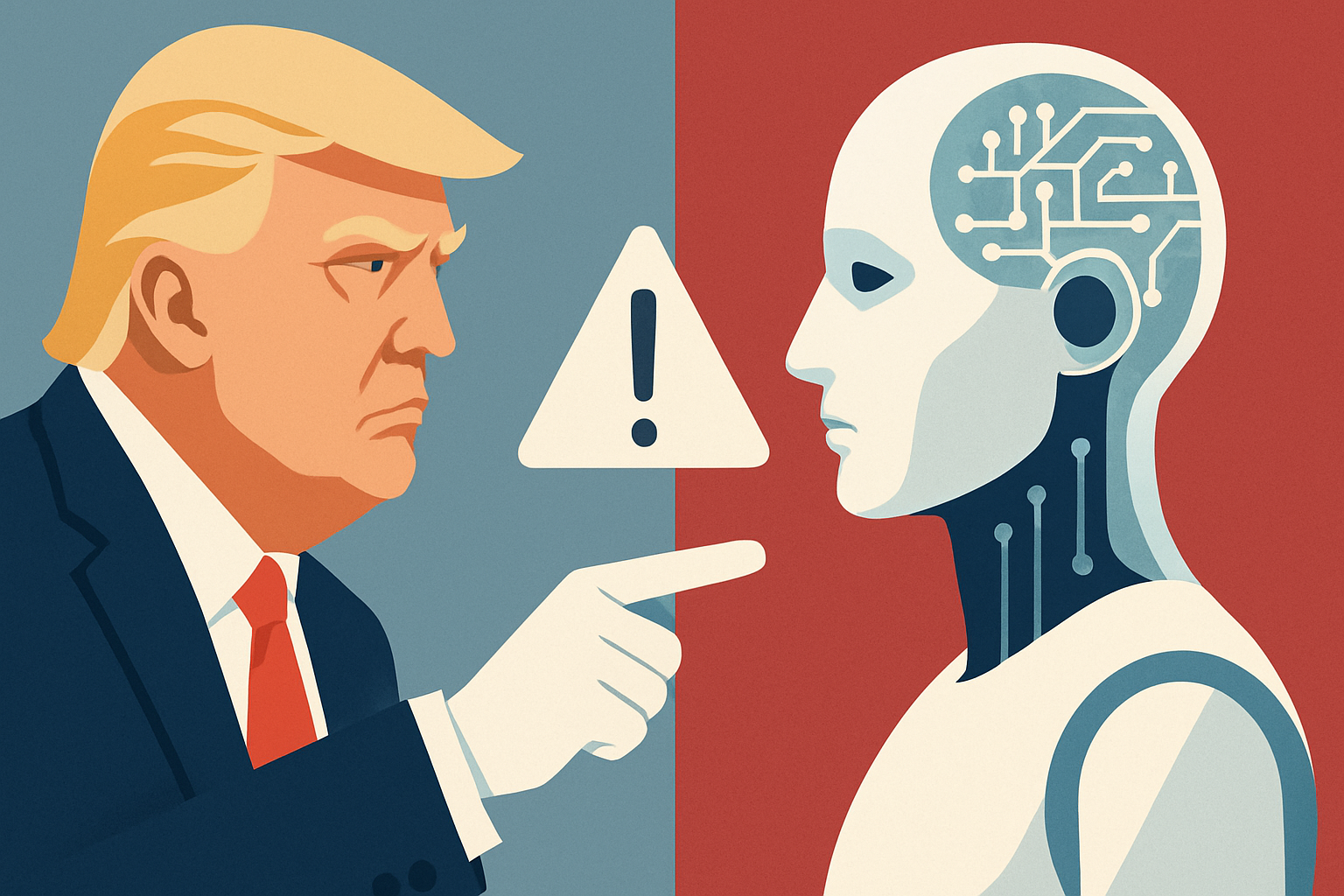
The order aims to speed US AI development but raises privacy, security, and ethical risks that will need new governance, technical controls, and policy coordination to manage. Stakeholders should expect tradeoffs between faster deployment and the potential for biased or unsafe systems without clearer rules.