Sam Altman's claim that the singularity is 'here' means AI progress is compounding fast enough to change how work gets done and how institutions plan. Treat his statement as a signal to measure real-world AI capability and prepare operational responses, not as a prediction of immediate superintelligence.
Short answer: the recent sell-off reflects investor worry that heavy AI spending will outpace visible profit gains, not that Alphabet's core business is broken. Use a checklist to decide: buy the dip only if AI clearly supports Search and Cloud economics, preserves margins, and fits within credible capital-allocation signals.
Some outside safety experts say OpenAI may have crossed a self-described red line, but the public evidence does not yet prove that claim. The core question is one of governance: whether OpenAI applied its own safety framework consistently, disclosed the basis for deployment clearly, and responded appropriately to external concerns.
Anthropic's model is being pitched as close enough in quality to a premium frontier model that cost-conscious enterprises may switch or diversify. The real test for buyers is whether the model delivers acceptable output on their highest-volume tasks while lowering total operating cost and governance overhead.
AI-led scouting does not point to a single star. It produces five realistic replacement routes that match Barcelona’s budget, tactical needs, chance-creation patterns, and age profile so the club can narrow the market by profile rather than by headline name.
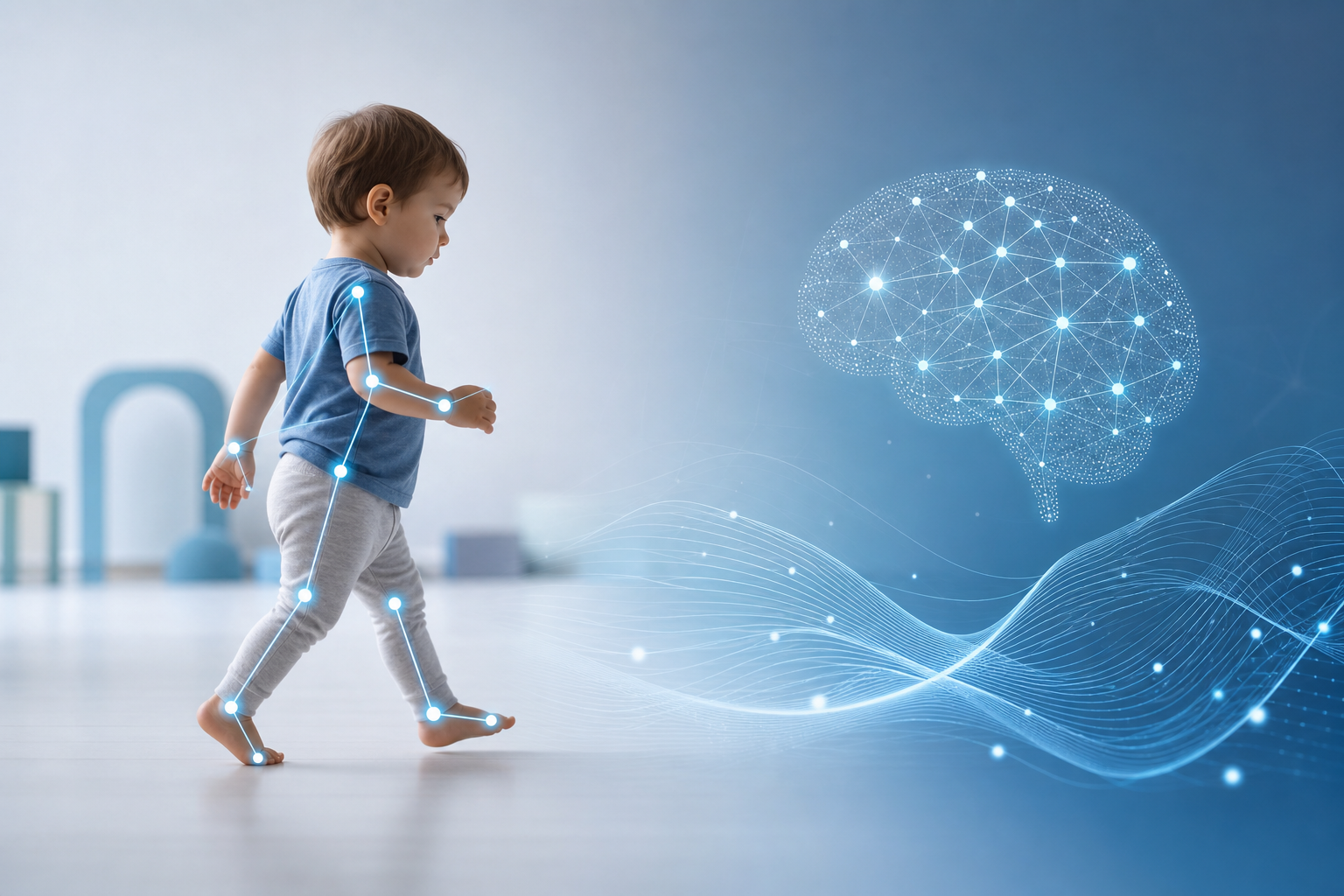
AI detects tiny, frame-by-frame differences in toddler movement—posture, gait, timing, and body coordination—by turning video or sensor data into measurable motion features. Those measurable signals can help flag patterns for clinician review and enrich early screening, but they do not replace a professional diagnosis.
The artist best known for defining the Persona Shin Megami Tensei look is reportedly not using generative AI on his next game after criticism of visuals in his last two deckbuilders. The shift is meant to address fan concerns about trust and authorship, not merely to change production tools.
Bank of America added generative AI to EricaAssist so employees can retrieve information, summarize guidance, and complete knowledge-work tasks faster inside a controlled, auditable enterprise environment. The change applies model-style assistance to internal workflows rather than positioning AI only as a customer-facing chatbot.
A24 says the reported $75 million Google DeepMind agreement is meant to provide outside capital and technical partnership so the studio can experiment with and improve production workflows without surrendering creative control or replacing filmmakers. The studio frames the deal as a way to test tools under supervision, not as a move to automate authorship.
Nvidia's shares can struggle in 2026 not because the business is failing but because expectations and valuation leave little room for disappointment. Large platform players, especially Microsoft, and increasing customer optionality can shift where AI profits accrue and cause the market to compress Nvidia's premium.
No one has proven that an AI system has subjective experience; as of 2026 there is no accepted scientific test that separates genuine consciousness from sophisticated pattern completion. Fluent language, apparent self-reflection, or emotional wording can be produced without inner experience, so those behaviors do not by themselves demonstrate consciousness.
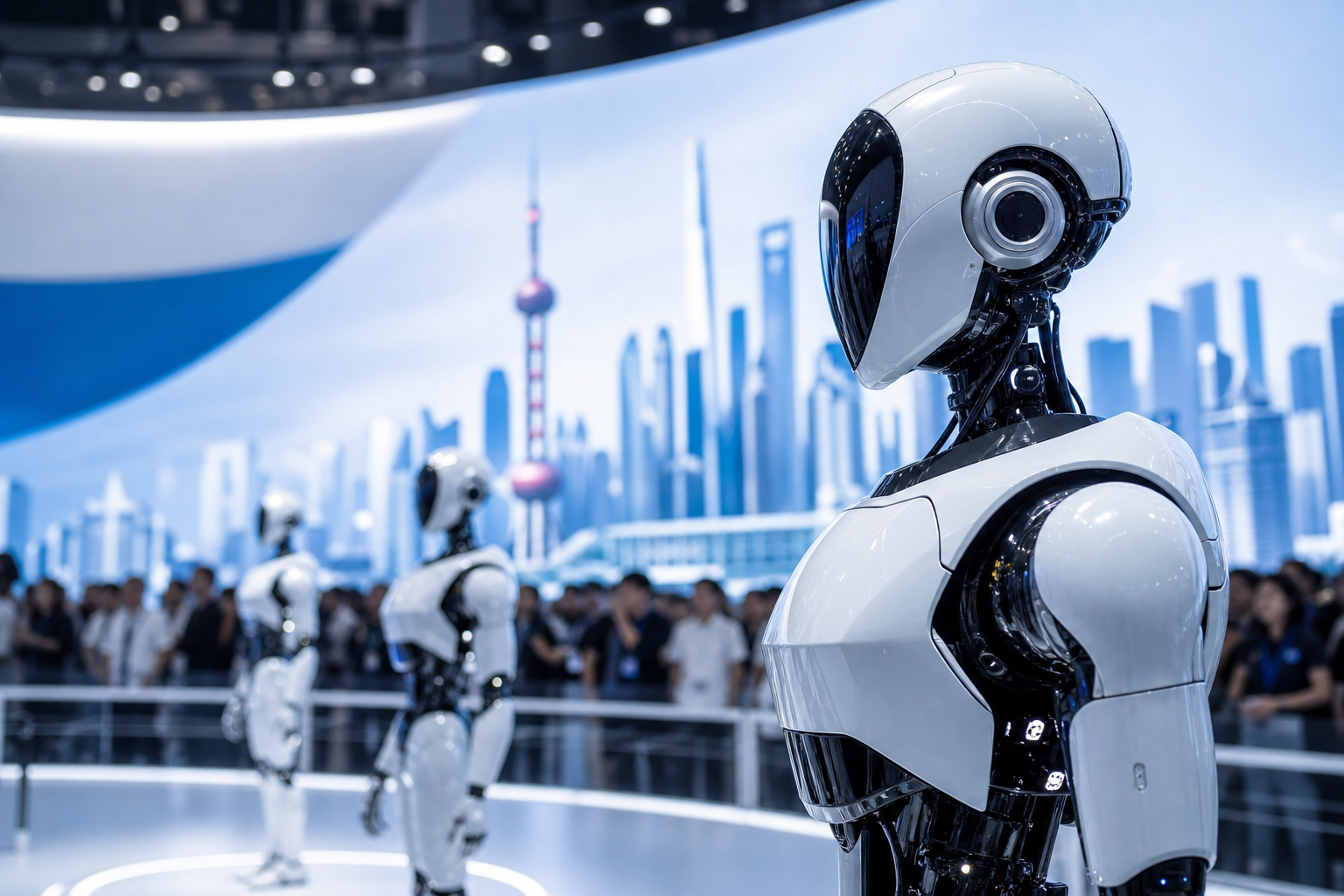
Humanoid robots drew attention because they make AI tangible and testable in physical settings: movement, dexterity, safety, and autonomy are now as important as model performance. The Shanghai demos showed that hardware lets observers judge real-world behavior in ways slide decks and benchmarks cannot.