The Ethics of AI Voice Cloning: Guiding Content Creators
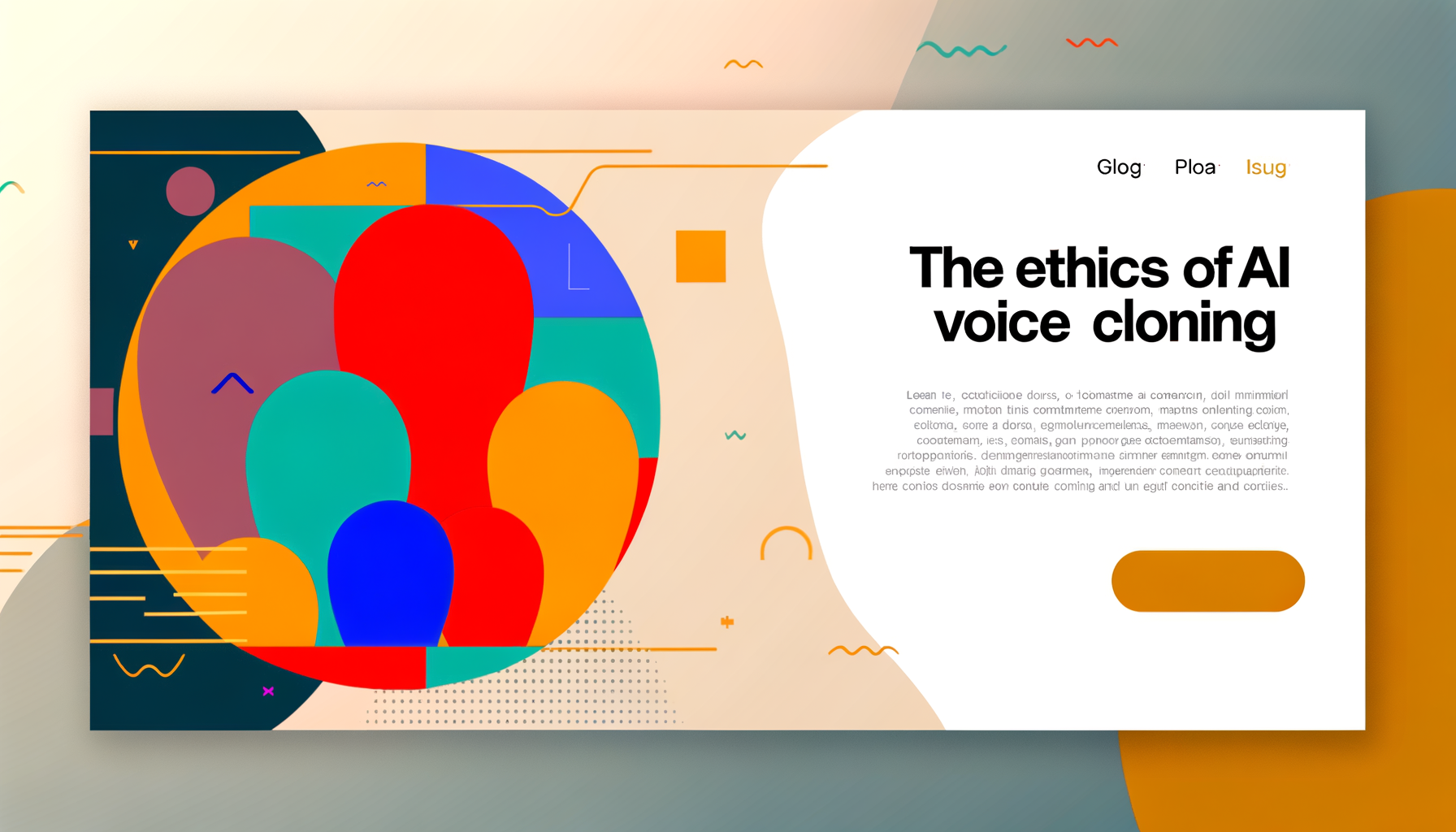
Content creators should treat AI voice cloning as a tool that requires careful ethical choices: only use synthetic voices after confirming consent, be transparent with audiences, and check applicable regional laws to avoid deception, privacy breaches, or legal exposure. The article explains practical steps and risks so creators can decide when and how to use cloned voices responsibly.
Key takeaways
- AI voice cloning produces synthetic voices that can closely resemble real people, which raises specific ethical concerns about authenticity and privacy.
- Legal frameworks are not keeping pace with the technology; in some jurisdictions using a cloned voice without permission can lead to legal consequences.
- In content marketing, synthetic voices can increase personalization but also risk damaging a brand's credibility if audiences are misled or consent is not obtained.
- Common application areas include entertainment dubbing and voiceovers, where fair compensation for voice owners is an ethical issue, and education, where maintaining accurate and non-misleading content is important.
- A frequent mistake is publishing AI-generated audio without disclosing its synthetic nature, which can mislead listeners and erode trust.
In recent years, the rise of artificial intelligence has led to significant advancements in various fields, including the ability to clone human voices. However, as this technology becomes more accessible, the importance of understanding AI voice cloning ethics cannot be overstated. For content creators, navigating the ethical landscape of synthetic voices is crucial to maintaining integrity and trust with their audience. In this comprehensive guide, we will explore the ethical considerations surrounding AI voice cloning, providing insights and strategies to help you make informed decisions.
1. Understanding AI Voice Cloning Ethics
AI voice cloning involves creating a synthetic voice that closely resembles a real human voice. This technology opens up exciting possibilities, from creating personalized content to enhancing accessibility. However, it also raises significant AI voice cloning ethics concerns, particularly regarding consent and authenticity.
- Consent and Ownership: Before using voice cloning technology, obtaining explicit consent from the voice owner is essential. This ensures respect for individual rights and prevents misuse.
- Authenticity and Deception: Synthetic voices can be indistinguishable from real ones, leading to potential ethical dilemmas if used to deceive or manipulate audiences.
- Privacy Concerns: Cloning someone's voice without consent can infringe on privacy and personal rights, raising further ethical questions.
2. Legal Implications of AI Voice Cloning
As with any emerging technology, legal frameworks are struggling to keep pace with AI voice cloning. This creates a complex landscape for content creators to navigate, where understanding voice cloning legal issues is critical. Some pertinent legal considerations include intellectual property rights, privacy laws, and the potential for fraud.
Content creators need to be aware of regional laws that may apply to their use of synthetic voices. For example, in some jurisdictions, using a cloned voice without the owner's consent could lead to significant legal repercussions. Staying informed about these laws can help creators avoid potential legal pitfalls.
For more on navigating legal complexities in content creation, you might find our article on Document Analyzer: Add Context from Your Files helpful.
3. The Role of AI Voice Cloning Ethics in Content Marketing
Incorporating AI voice cloning into content marketing strategies can enhance engagement and personalization. However, marketers must consider AI voice cloning ethics to maintain credibility and trust. Ethical use of voice cloning can differentiate a brand positively, while unethical practices can lead to reputational damage.
Panel discussions, such as the one covered in our interview AI and the Future of Content Marketing: A Dynamic Discussion, emphasize the importance of transparency and informed consent when using AI-generated content.
4. Real-World Applications and Ethical Challenges
AI voice cloning is being used in various sectors, from entertainment to education. These applications often highlight the ethical challenges and opportunities associated with the technology.
- Example 1: In the entertainment industry, voice cloning is used for dubbing films and creating voiceovers. Ethical considerations include ensuring actors are compensated fairly for voice usage.
- Example 2: In education, synthetic voices can aid in creating accessible learning materials. However, ensuring content remains authentic and not misleading is critical.
For insights into creating engaging educational content, see our guide on Email Designer: Create Beautiful Newsletters.
5. Best Practices for Ethical AI Voice Cloning
Adopting best practices can help content creators use AI voice cloning responsibly. These practices ensure that ethical standards are maintained while leveraging the technology's benefits.
- Best Practice 1: Always obtain clear and informed consent from individuals whose voices are being cloned.
- Best Practice 2: Implement transparency by clearly labeling AI-generated content to inform audiences.
- Best Practice 3: Stay updated with the latest legal requirements and ethical guidelines to avoid potential pitfalls.
For more best practices in AI content creation, explore our detailed AI Content Editor: Refine & Polish Your Content guide.
6. Common Mistakes and Challenges in AI Voice Cloning
Despite the potential benefits, there are common mistakes and challenges associated with AI voice cloning. Understanding these can help you avoid them and use the technology ethically.
One of the most significant challenges is ensuring that AI-generated content does not mislead or deceive audiences. Ethical AI audio ethics require clear communication and transparency about the nature of the content. For further reading on maintaining ethical standards, consider resources from reputable sites like Moz and HubSpot.
Conclusion: Making the Most of AI Voice Cloning Ethics
Understanding and adhering to AI voice cloning ethics is crucial for content creators aiming to use this technology responsibly. By considering consent, transparency, and legal implications, creators can leverage AI voice cloning to enhance their content while maintaining ethical standards. As you explore the possibilities of AI in your work, remember that ContentPod offers resources and tools to help you stay informed and compliant.
Frequently Asked Questions
What is AI voice cloning ethics?
AI voice cloning ethics refers to the set of moral principles and guidelines governing the use of AI technology to replicate human voices. It involves considerations of consent, authenticity, and the potential impact on privacy and trust.
How do legal frameworks address AI voice cloning?
Legal frameworks are still evolving, but generally focus on intellectual property rights, privacy, and fraud prevention. Content creators must stay informed about relevant laws in their jurisdiction to ensure compliance.
What are the key challenges of AI voice cloning ethics?
Key challenges include ensuring consent, avoiding deception, and navigating legal complexities. Maintaining transparency and adhering to ethical guidelines are critical to overcoming these challenges.
References & Further Reading
- Beginner's Guide to SEO - moz.com
- Marketing Statistics 2025 - hubspot.com
- AI Voice Technology: Trends and Challenges - semrush.com
- The Most Important AI Trends - forbes.com
Put this into practice
Share this post
You Might Also Like
Discover more content tailored to your interests
 Highly Relevant
Best AI Podcast Generator Like NotebookLM Picks
An ai podcast generator like notebooklm is a tool that turns source material or a script into spoken audio, often with AI voices, conversational structure, and editing support.
Read More Highly Relevant
A Playbook for Interview-Based Content Marketing Teams
Record focused conversations with people who have direct experience, transcribe them, and turn the transcript into publishable assets. A simple, repeatable process for sourcing, questioning, recording, and repurposing interviews is the fastest way for teams to get specific, usable content without asking experts to write full drafts.
Read More Highly Relevant
Interview-Based Content Marketing SaaS Templates Guide
Use short, structured interviews with experts, customers, founders, or partners to capture real expertise and turn a 20–30 minute conversation into multiple publishable assets that are faster to produce, more credible, and more useful for search and buyers than generic brand copy. This guide explains when to use interviews, who to interview, how to prepare a focused brief and recording workflow, and how to turn one conversation into blog posts, case studies, newsletters, social posts, and sales snippets.
Read MoreReady to create amazing podcast content?
Choose a plan and start generating professional podcast content with AI
View Pricing Plans